Top Tips for Surviving the Kokoda Challenge – Gold Coast 96km event
By Sports & Olympic Physio, Kokoda Challenge multiple finisher, & Principal Physio at Gold Coast Physio & Sports health, Britt Caling
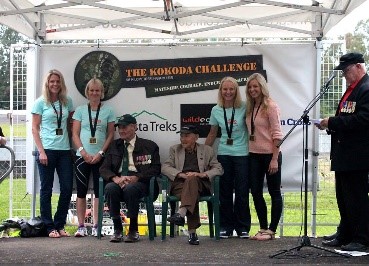
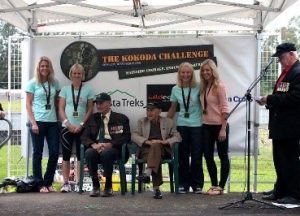 The Kokoda Challenge Gold Coast 96km event is a fitting tribute in recognition of the soldiers that fought in the Kokoda Campaign of World War II, and in remembrance of the bravery and sacrifice our Australian Diggers displayed to hold off the Japanese invasion in Papua New Guinea. The Kokoda Challenge Gold Coast encourages teams of 4 to Run/Walk in the Spirit of Kokoda- that is, to run under the mantra of: COURAGE. ENDURANCE. MATESHIP. SACRIFICE.
The course is designed with this tribute in mind, with steep climbs, harrowing descents, mud, water, hills, hills and more hills. It is designed to challenge and inspire courage, mateship and sacrifice.
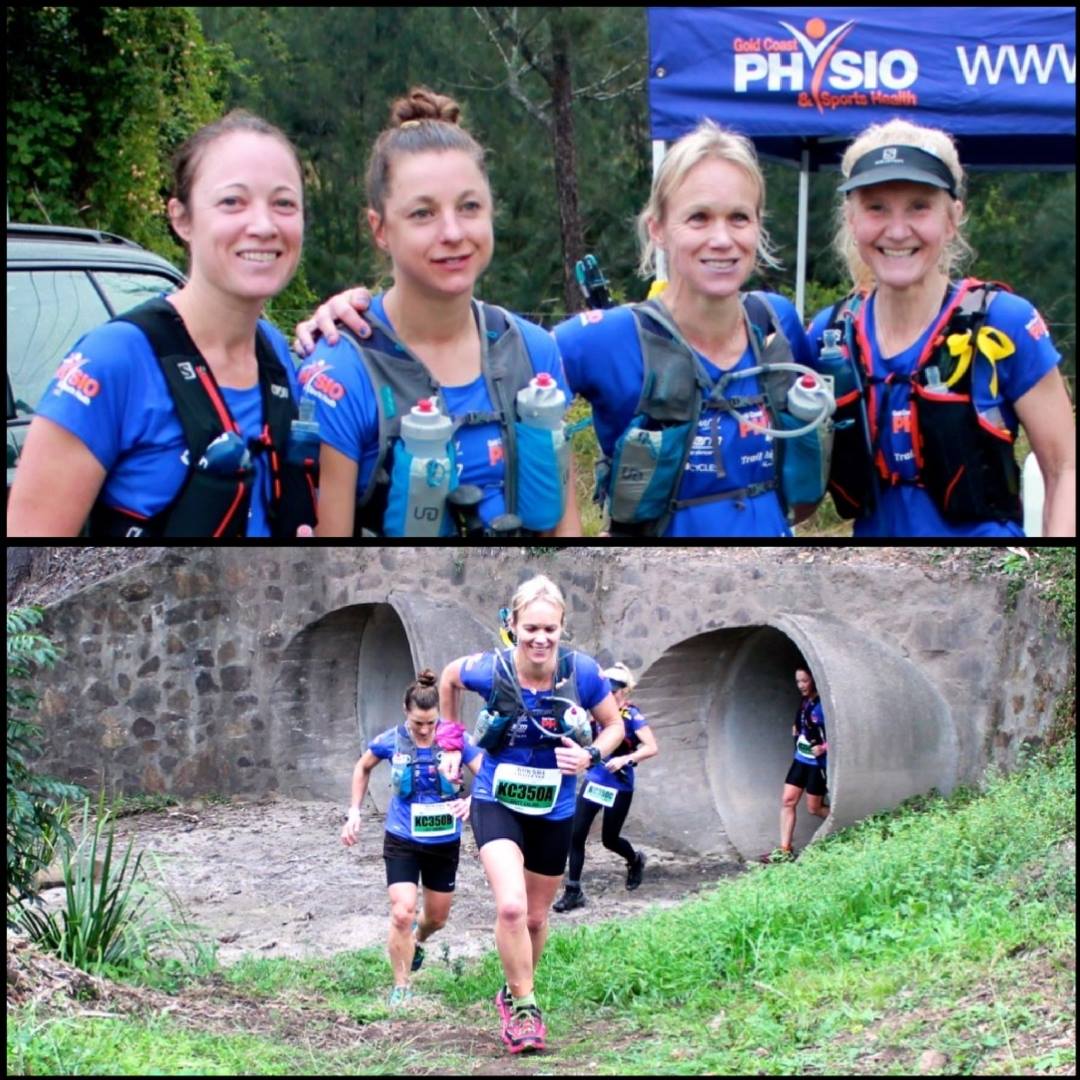
Having successfully completed the event a number of times, winning the all-Womens team on each attempt and also placing in the top 3 overall on a couple of occasions, I have put together my top tips to help you achieve one of the biggest endurance tests you are likely to ever experience:
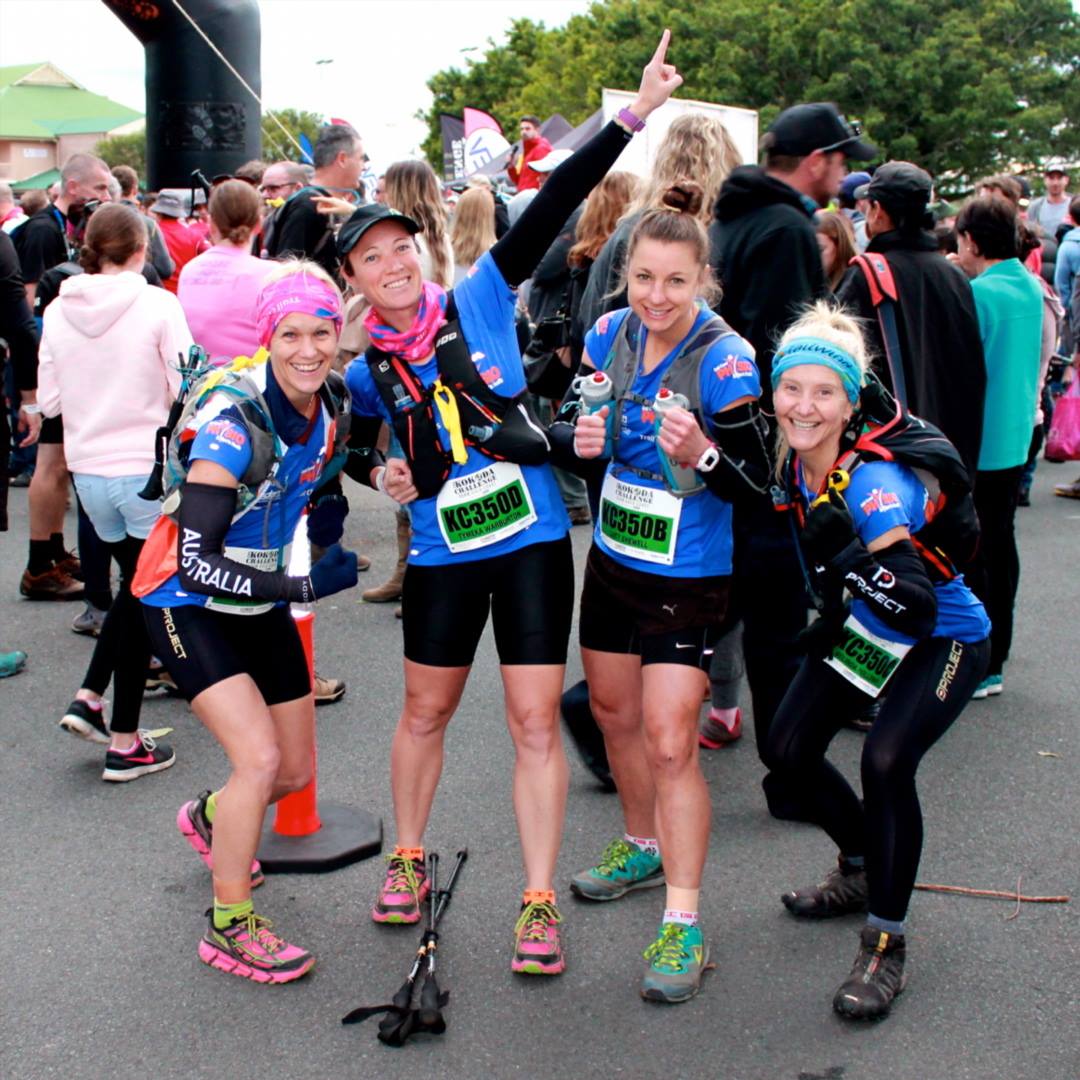
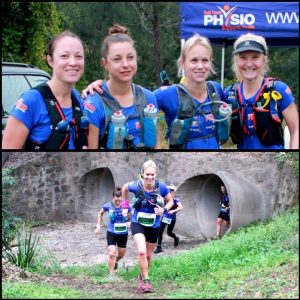 1. It really is about Mateship. The aim of the event is to finish with all 4 team members- this means working together in training and during the event to get all 4 team members across the finish line. To do this I recommend:
• Before the event, all team members and support crew should all sit down and discuss each team members’ expectations and make sure you are all on the same page with how hard fast/slow/hard/easy to push. There is no point having one team member expecting to finish in 15hrs when the others aim for 32hrs- this situation would make for one frustrated team member for sure!
• Discuss prior to the event the Team’s strategies for checkpoints and how fast/slow you plan to get through them. Much time can be wasted in checkpoints if transition strategies are not clarified with each other &/or you have not discussed your plans with your support crew – for example, Do you all plan to sit down and eat at the checkpoint or are you just collecting more food and fluid on the move? Are you changing clothes, socks or shoes? Will you have a second pack full with food and fluid ready to pickup or are you using the same pack the whole way? Which checkpoint will you need warm clothing and lights for the night sections to be ready and waiting?
• Workout what food/fluid strategies you all plan to use so you can all keep an eye out for each other during the event, that way, if one of you seems to be not eating or drinking what they had planned, this can be addressed before it becomes a problem.
• Think about what strategies you will use for helping a team member continue should they get sick/injured. The beauty about a team event of this length is that if one of you is going through a bad patch, no doubt at least one other team member is coping ok. So discuss how the “up” team members can help those doing it tough- for example, does the team member doing it tough need verbal encourage, conversations that distract them, singing or mantra’s, or be allowed to set the pace, or are they someone who wants to have no conversation and be allowed to get through in their own head.
• You can only go as fast as your slowest team member. Discuss your strategies for helping this team member- are you going to let them set the pace the whole way, or for the challenging portions? Consider towing them for the steeper sections (towing involves using a short bungey cord that is hooked from the back of the backpack of the “tow-er” around the chest strap of the “tow-ee”. This ensures the “tow-ee” is never left off the back and gives them some help to keep moving. Try it in training so both team members get used to the effort & timing).
• Organise training sessions together so you can understand the strengths and weaknesses of each team member and how each of you cope with the technical terrain, the hills, descents, mud and water.
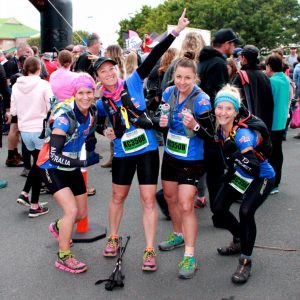 2. Be specific with your training.
• Try to train on the Course so you know what to expect & develop specific fitness
• Train with your team members so you get to understand each other
• Aim for some Strength & Conditioning training during your normal training week. The stronger your tissues are, the better tolerance & recovery they will have for your training sessions, and the better your performance will be through the steep hills. This session needs to be over-strength, which means some heavier weights. Even if you only do 1 session per week of this with an S & C Coach or Personal Trainer, this will help. Try CoastPT for advice (Graeme & Jane Rundle)
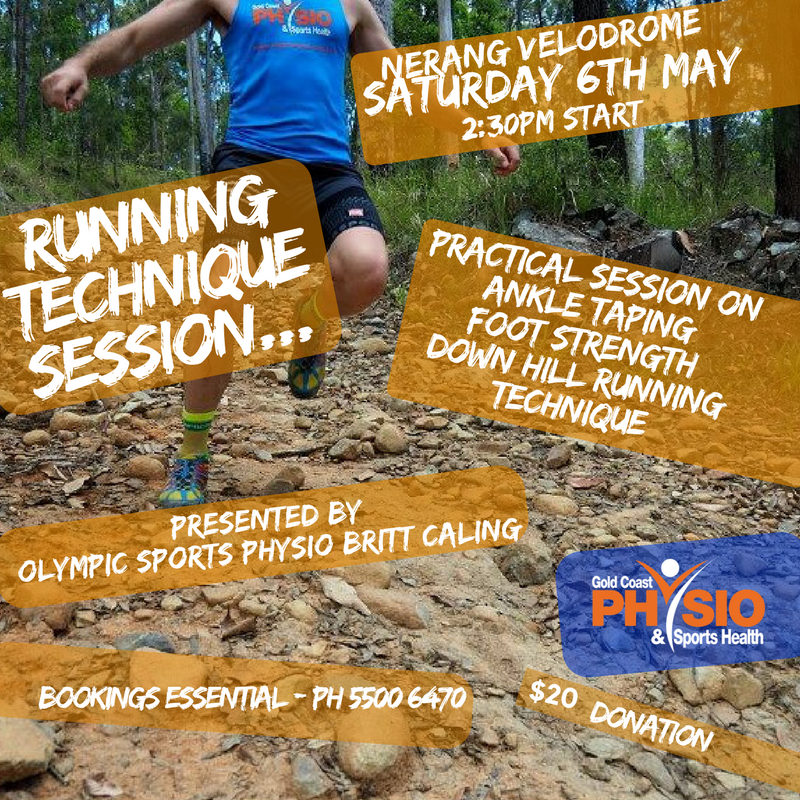
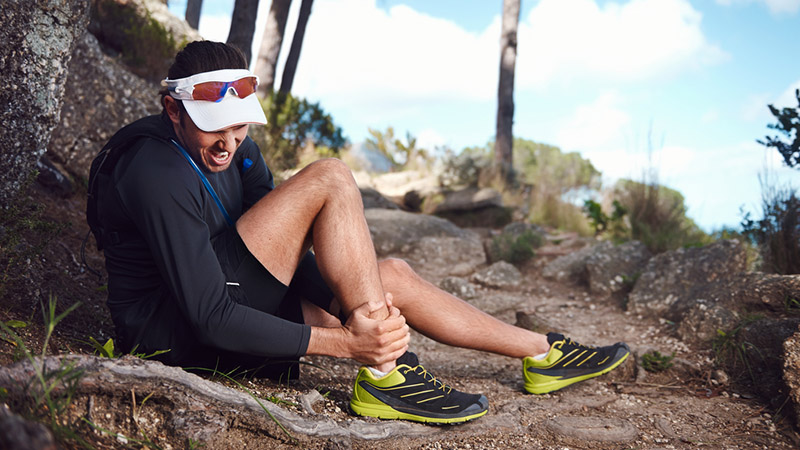
• Minimise your risk of Injury as time lost from training can really impact your ability to complete the event. This means: be mindful of your training load and progression; consider Recovery strategies post-training (see next article); use strategies like ankle/foot taping if you are prone to spraining your joints. A good Sports Physio such as Gold Coast Physio & Sports Health can help with this guidance (www.mygcphysio.com.au )
3. Focus on the “3 F’s”: FOOD. FLUID. FOOTCARE.
• Food and Fluid should be self-explanatory – it is essential that you get this right as your body will not have enough stores of energy to get you through the whole event without putting in additional Kilojoules. You need to trial different food and fluid options during training to know what works for you. Don’t EVER try something new in the event if you haven’t before tried it in training. If you are unsure about how much and the best options of food and fluid, consider consulting with a qualified Sports Dietitian to help guide you.
• Footcare refers to taking care of your feet so they can cover the distance. Foot pain, including blisters or painful toes, can stop you in your tracks. Some strategies to consider for footcare include: wearing shoes ½ size bigger than normal for the long events; make sure your shoes are suitable for the terrain and length of time running; are you going to wear toe-socks or standard socks and which sock material works best for you; consider taping all your toes (trial in training whether you use rigid brown strapping tape or hypoallergenic more pliable underwrap); & DEFINATLEY use foot lube on all your toes and feet and apply frequently during the event if you are prone to blisters; I also recommend having blister patches in your race pack and using them as soon as a rub spot is felt (and not leaving the rub until it is painful).
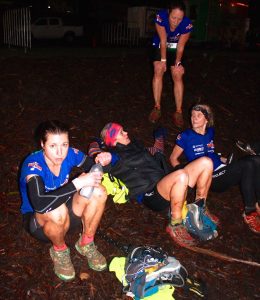 4. Have the correct equipment & trial it prior to the event. Wildearth (www.wildearth.com.au) can help you with all these needs and have staff with experience to give you the best advice!
• Travel as light as you can. This means investing in a good, lightweight backpack/hydration system & only carrying the bare essentials to get you to each assisted checkpoint.
• Buy a quality light. This will allow you to travel at night at a much faster pace.
• Consider using walking poles. This will distribute some of the effort to your arms and torso. Make sure you practice using them in training and get guidance on the correct technique for using them effectively.
• Work out which shoes and clothing works for you PRIOR to the event. Trial your exact shoes, socks, tights/shorts, shirt, bra-top, buff/cap in training so you know where to expect chaffe or other problems. If you need advice on the best shoe for your foot type & event demands, consider an appointment with a Podiatrist that understands Sport (www.entirepodiatry.com.au supports Kokoda Challenge).
• Wear chaffe cream, like Skin Slick and take blister patches/tape with you. Check our First Aid Accident & Emergency for Blister Kits and First Aid Packs (www.firstaidae.com.au )
5. Get into the correct headspace and have the right mental approach
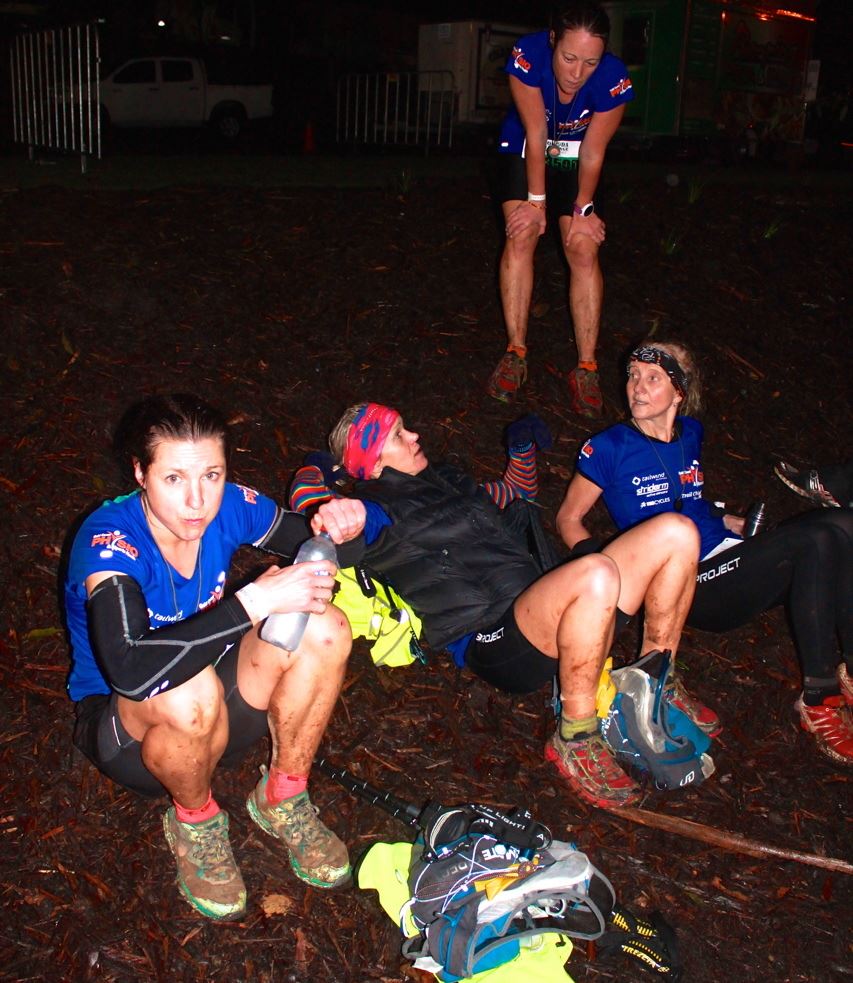
• This event will be tough. Be prepared to experience highs and lows. Expect to feel pain like you have never felt before. But expect to just keep going. Endurance events of this magnitude are not about being physically fit enough to cover the full distance as rarely will anyone train over 96km, but these events are about having your Brain prepared to just keep going. Remember, it is supposed to be a challenge.
• Break the event into smaller sections and focus on getting through each section at a time.
• Focus on positives: find positives in your life; happy times to lift you; or your reason for taking-on the challenge and keep coming back to these thoughts when times get tough.
The Kokoda Quote I love: “I hope everybody can wear a sense of pride on their sleeve. It doesn’t matter if you didn’t finish – what matters is you dug in deep and gave it your all.”
I hope this information has helped and I look forwards to seeing you all give your best out on the Kokoda Challenge Gold Coast.
For More Information go to Kokoda Challenge Events
Britt Caling
Gold Coast Physio & Sports Health (www.mygcphysio.com.au)