13/345 Southport-Nerang Rd, Ashmore Q 4214
12/110 Kortum Drive, Burleigh Heads Q 4220

Cycling Injuries & getting the Right BikeFit

Cycling Injuries & Getting the Right BikeFit

Written by Gold Coast Physio & Sports Health Physio 
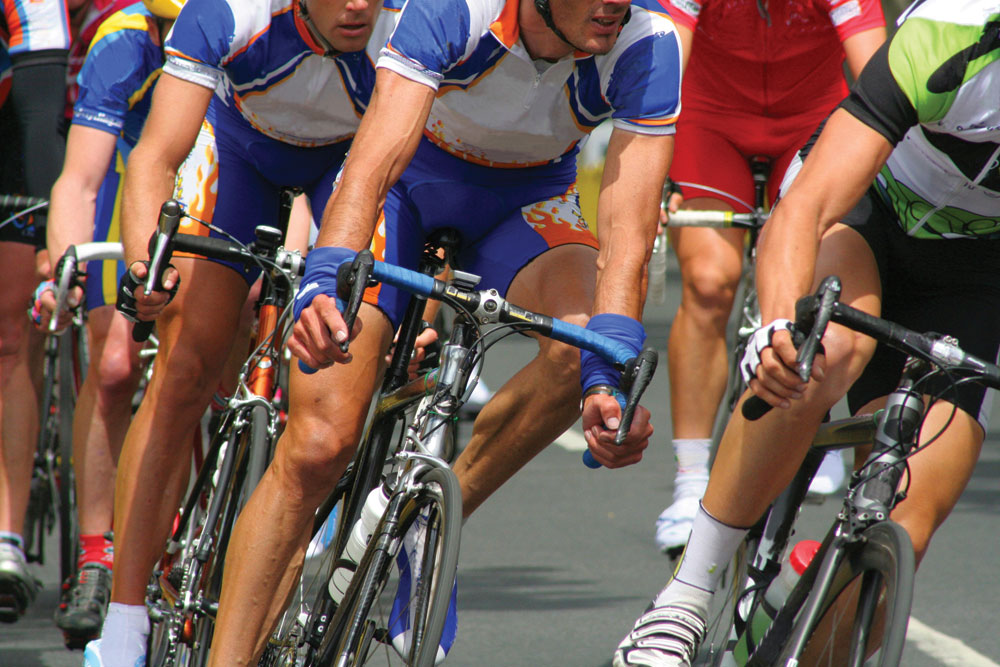
Cycling is easy on the body, right? It’s non-weight bearing and a great way to stay fit. Population statistics show those that ride between 1 & 3 times a week number 4 million in Australia. Great stats and great exercise in theory, yet people still get injured cycling.

Although there is very little research on cycling injuries this is what we do know:

  • Professional cyclists suffer most from lumbar (low back) and knee pain with knee pain resulting in the most time off the bike.
  • Recreational cyclists also suffer from lumbar spine and knee pain but also have high levels of neck and shoulder pain- possibly from being less conditioning and having poor bike positions.
  • Riders set-up in positions that go towards the end of most of their available lumbar flexion (low back bend range) are more likely to have back pain.
  • The knee is the most common site of overuse injuries in cyclists. Various biomechanical factors may play a role in knee pain including patellofemoral (knee-cap to thigh) joint compression, the knee moving inward excessively during the pedal stroke and cleat position.

There are 3 main causes to these injuries:

  1. Training load errors (ie. how much and the type of riding you do)
  2. Intrinsic factors- your anatomy, your cycling technique and reduced neuromuscular (brain-muscle) control.
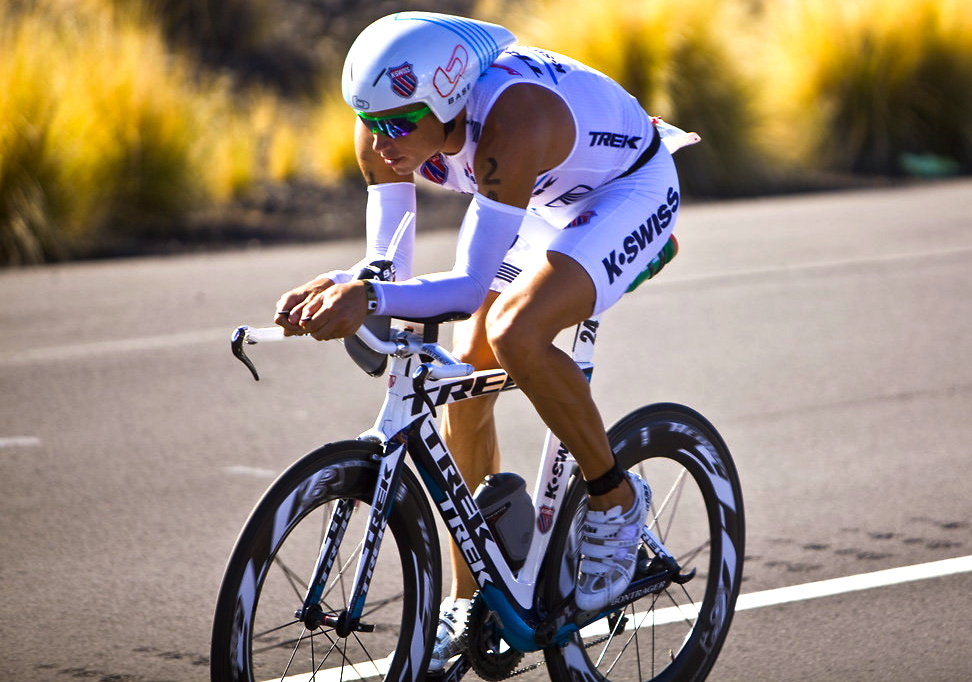
  3. Extrinsic factors like your position on the bike (your Bike Fit)

Training Load Errors

As with any sport, an imbalance between acute loading (short term load over 1-7 days) and chronic loading (long term cumulative loading over 4-8 weeks) is linked to overuse injury. Cyclists are most likely to develop an injury following a rapid increase in load. When injuries are apparently caused by changes in equipment- like a shiny new bike!- it is normally because the change was made at an inappropriate time when the cyclist was already close to the limit of load tolerance.

An appointment with one of our physios or exercise physiologists can help you establish a plan to avoid these training mistakes, or get yourself a good cycle coach!

Intrinsic Factors- The Cycling Kinetic chain

The body has a collection of interacting segments which is known as the kinetic chain, a problem in one area biomechanically affects another. As cycling is a closed kinetic chain (i.e. the arms and legs are relatively fixed in position) one must consider poor cycling technique or reduced neuromuscular (brain-muscle) control as a contributor to cycling injury.

Often this presents clinically as an inability to utilise the gluteal muscles under load while maintaining lumbar and pelvic position on the seat, and controlling the movement of the knee over the foot rather than dropping into a knock-kneed pedal stroke position. The foot and ankle position are also important in decreasing knee injury.

In regards to back pain, there is a moderate level of evidence that a loss of lumbar extension (backbend) control is associated with lumbar pain in cyclists but there are many other factors such as large leg length differences, hip range of motion restrictions and assymetrical muscle activation patterns, as well as issues with seat position that should be considered.

The kinetic chain is thoroughly assessed as a part of a physio bike fit.

Bike Fit

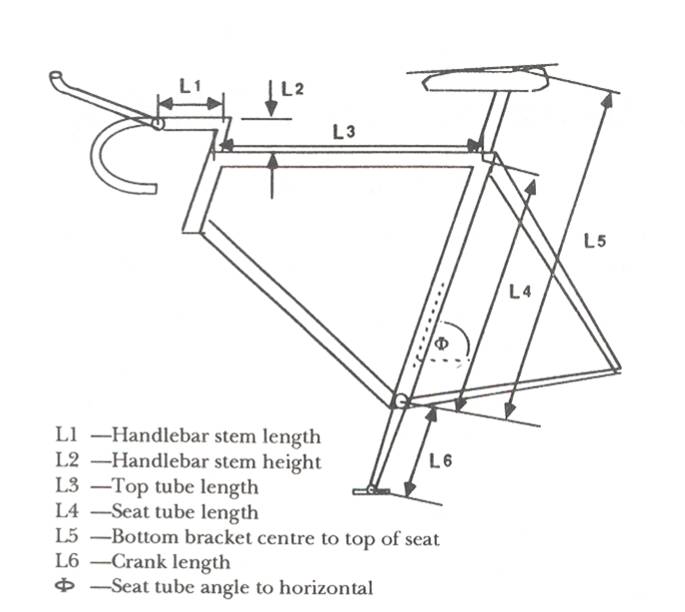
Bike fit is an important part of the performance/ comfort equation. However it aims to optimise a wide range of variables such as aerodynamics, comfort and control so it always involves a compromise. Despite surging technological advances in the cycling industry there is very little research into bicycle equipment and injury so bike fitting remains just as much an art as it is a science.

At Gold Coast Physio & Sports Health we understand the body, we are passionate about the bike and fitting it to your body and for your goals.  Comfort breeds performance and that is what we aim for in every bike fit.

If you have some long-term area’s of pain or symptoms when riding your bike, a Sports Physio with Cycling experience is a great place to start making you asymptomatic, comfortable and then performing better!

Combine our care & support with a Bikefit from GC Bikfit, & you will LOVE riding your Bike again pain-free & performing well.

Phone us on 07 5500-6470 & we can Book  your Bikefit or Book you a consult with our Resident Cycling Sports Physio, Rob Brown (previous Orica-Greenedge Pro Cycling Team Physio.
Is my Hip Pain Bursitis?

Hip Pain is NOT just Bursitis

Written by GCPSH APA Titled Sports Physio, Myles Burfield

One of the most commonly diagnosed hip injuries is greater trochanteric bursitis, aka ‘The pain in the butt that’s not quite in the butt.’  But has the diagnosis in medical terminology been wrong all this time? Quite possibly!

How it presents

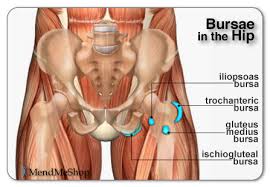
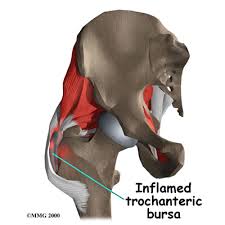
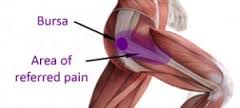
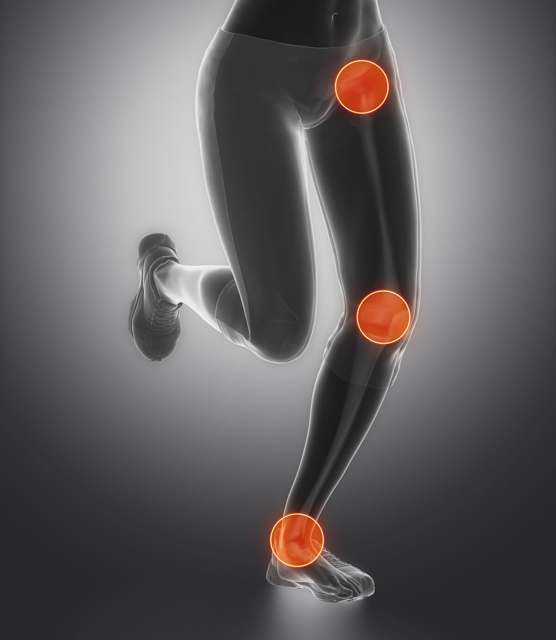
Greater Trochanteric Bursitis, or Greater Trochanteric Pain Syndrome (GTPS) as it’s now more accurately called, is pain that is on the outside of your hip, around your hip bone (see diagram).  Pain is local over the site of the bursa, in isolation does not refer down the leg, and is mostly an aching sensation.


How common is it?

It can present in men and women, although due to anatomical variations between sexes it is more prevalent in women. The stats are quite astounding with 1 in 4 women over the age of 50 suffering GTPS, so that’s a 25% chance you’ll get it (sorry ladies).  From a physiotherapist perspective, this is especially astounding because it is a condition that is often successfully treated with the correct management.  One of the reasons it is so common, and ongoing, is because it is still being diagnosed as ‘bursitis’ when there is another underlying issue causing the bursa to appear inflamed.  If treatment is only directed at the bursa, long term resolution of symptoms may not result.

What does the research say may be the associated underlying issue?

As our understanding of tendons and tendinopathy (pathology or an abnormality of the tendon) continues to improve, the medical world has started to evolve the management of conditions that relate to structures that lie close to tendons. Bursa’s are usually located directly beneath tendons and so have inter-linked tissues.

Research is  now suggesting most outside hip pain is not primarily due to bursitis, but due to gluteus minimum or gluteus medius mucle tendinopathy PLUS the bursa.  Therefore, treatment needs to consist of a thorough examination to check for other factors contributing to your pain, and most likely needs to include treatment of the tendonopathy. Our Physio’s use a tendinopathy model approach for this management.

What is a tendinopathy model approach?

Step 1: Address factors that may be causing additional tension or compression on the tendon. 

These could include:

– Tight muscles: Gluteals, ITB, Tensor Fascia Late etc

– Biomechanical factors: Pronating feet, or excessive pelvic sway when walking

– Postural factors: Compression of the tendons (lying on affected side), standing with hips to one side (carrying child)

Step 2: Helping the tendon remodel: This includes a few exercises that encourage the tendon to remodel as a stronger, more resilient tendon.  These exercises will start off very basic and then be advanced depending on your physical demands, usually over a number of months.

The bottom line

If you have pain on the side of your hip, it’s probably not just bursitis and it’s worthwhile getting it checked out by your experienced GCPSH physio

Osteoarthritis – What is it & What you can do about it

What is Osteoarthritis

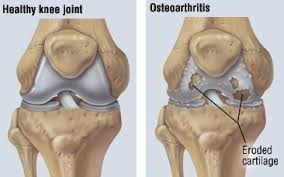
Osteoarthritis (OA), sometimes called degenerative joint disease or degenerative arthritis is the most common chronic condition of the joints. It can affect any joint, but it occurs most often in knees, hips & lower back. In OA the cartilage that covers the end of bones wears away causing pain, swelling and problems moving the joint.

OA is different from Rheumatoid Arthritis and other arthritic conditions such as Gout or Psoratic Arthritis.

Some factors increase your risk of OA, including:

  • Family history
  • Gender – females have a higher incidence of osteoarthritis
  • Age – it is more common as we get older
  • Overuse or injury to joints that starts the pathology of cartilage breakdown, or changes the way we move which can place more stress on joints
  • Environmental factors. For example, excessive stress on a joint from being overweight or a recurring injury may play a role in developing osteoarthritis.

How to manage OA symptoms

Firstly, get an accurate diagnosis. This can be made by consulting your Physio or GP who will take a thorough history. Your history needs to be matched with a physical assessment and the results of scans such as x-ray and MRI to provide the diagnosis of OA.

The best approach to treatment is a team approach, involving your GP, perhaps an Orthopaedic specialist and your Physio or Exercise Physiologist.
Unfortunately as OA progresses, many individuals find normal physical activity painful and they reduce activity & stop exercising – this increases joint symptoms & causes sedentary behavior that increases other health risks, including a risk of falls & bone fractures.

There is good research recommending land-based strengthening & stability exercises to reduce symptoms from OA.  We now have Physio and Exercise Physiologist small-group classes specific to OA of the hip & knee, & Falls prevention classes.

Referral from your GP to Physio/Exercise Physiology under the Enhanced Primary Care (EPC Medicare referral) program or as DVA group therapy will give you access to these classes at no out of pocket cost. Speak to your GP today or ring us on 07 5500 6470 to book your class.

For more information about all types of Arthritis, visit Arthritis Qld

Magnesium Rich Protein Balls

by EatSmart Nutrition

Ingredients (Low GI, high dietary fibre):

  • 80g Brazil nuts [soaked in boiling water for ~1hr]
  • 100g Cashews (raw/unsalted) [soaked in boiling water for ~1hr]
  • 100g Flaked almonds
  • 250g (1 cup) light peanut butter or natural peanut butter (if you use natural add a pinch of salt to recipe)
  • 1 cup pitted dates [soak in boiling water for ~10mins]
  • 3 tbs coconut oil (melted)
  • 3t tbs cocoa powder (can use 4 tbs if you want a strong chocolate flavour)
  • 3 tbs maple syrup
  • 1 cup desiccated coconut (for rolling in only)

 Method:

  1. Prepare dates, cashews and brazil nuts in boiling water and drain when ready.
  2. Place all ingredients (not coconut), into a food processor and blend until well combined (nuts should be completely broken down)
  3. Make into balls and roll in the coconut.
  4. Refrigerate and enjoy

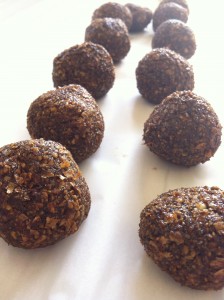
Note:  Makes ~20 balls.  1 ball = ~20% of a person’s magnesium requirement daily*

Magnesium nutrition facts:

1 cup light peanut butter provides 99% of a person’s magnesium requirement*

80g of Brazil Nuts provides 85% of a person’s magnesium requirement*

100g of Cashews provides 73% of a person’s magnesium requirement*

100g of Almonds provides 67% of a person’s magnesium requirement*

4tbs Cocoa powder provides 24% of a person’s magnesium requirement*


Lunchbox Ideas for your Kids from Eatsmart Nutrition Gold Coast

School Lunchbox Idea’s

Tuna, corn & cheese pies

Makes 12

• 12 slices multigrain bread
• 425g tuna in springwater, drained
• Large handful baby spinach leaves, roughly chopped
• 125g corn kernels, drained
• 8 eggs
• ½ cup reduced fat cheese
1. Preheat oven to 180 degrees Celsius. Grease a 12 holes 1/3-cup capacity muffin pan. Using a rolling pin, flatten bread and line muffin pan with bread slices.
2. Whisk eggs in a large jug. Mix tuna, spinach, corn & cheese. Divide amongst bread cases. Pour egg mixture into bread moulds.
3. Bake for 20-25 mins or until eggs are set. Stand for 5 mins. Remove pies from pan. Cool and wrap in plastic wrap ready of school. Refrigerate.

Mediterranean Rice Cakes

Makes 6 large or 12 small

• 2/3 cup Basmati rice
• 1 smoked chicken breast, diced
• 2/3 cup fat free semi-dried tomatoes, roughly chopped
• 1 cup reduced fat mozzarella cheese
• 3 eggs, lightly beaten
• 3 spring onions, sliced
• ¼ cup basil leaves, finely sliced
1. Preheat oven to 200 degrees Celsius. Grease a Texas or normal size muffin pan.
2. Cook rice as per instructions on packet. Allow to cool.
3. Combine rice, chicken, tomatoes, cheese, onion, basil and eggs. Season to taste.
4. Spoon into prepared pan. Bake for 15-20 mins until cakes are firm to the touch. Stand in pan for 5 minutes before turning onto a wire rack to complete cooling. Wrap in plastic wrap ready for lunches.

Other Lunch box ideas

• Fruit salad with yoghurt (freeze night before)
• Veggie dippers with hummus
• Leftover roast meat with salad on a wrap
• Leftover chicken, cut up apple & lettuce salad
• Leftover veggies mixed with egg and cheese made into fritters
• Tuna mixed with creamed corn
• 4 bean mix mixed with mild salsa, cheese & avocado
• Crackers with cheese & tomato
• Can of baked beans

Building a nutritious lunchbox for your child can be overwhelming, as Dietitians we are here to make it easier for you!


See our simple lunchbox builder and don’t forget you can always schedule an appointment with Amelia Webster as our Eat Smart Nutritionist/ Sports Dietitian to get more individualised advice for you or your child.

Ph 07 5500 6470 for a booking at either Runaway Bay or Burleigh Clinics

eatsmart nutrition lunches

Muscle Compensations

Muscle Compensations words By Frederic Impens – Dip. Remedial Massage, Cert 4 Personal Training; Member ATMS

“Compensation” is a term that people in the health and fitness industry use on a daily basis. It references to a unique and yet confounding “skill” that the human body deploys when it senses an injury or instability in a part of the body.

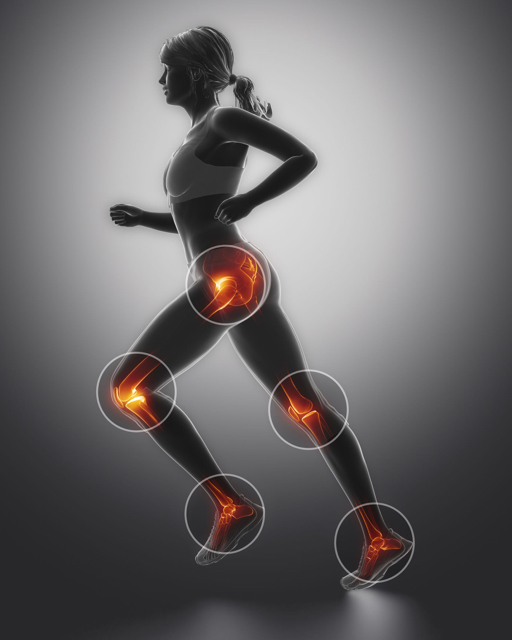
Compensating, in a general sense, is an innovative way that the body adapts to a misaligned muscular- skeletal movement pattern.  This compensation is part of an effort by the body to help this misaligned movement become less of a short term movement risk to the body.  It could be better stated that compensation isn’t really a “skill” but rather a symptom of an issue in the body.  Compensating helps the body get by until the root of the real movement misalignment is addressed.  Think of it similar to if your cars wheels are out of alignment. The mechanic observes this and tells you that there is an issue. You may choose to address the issue now or you can continue to drive your car for a while, while the wheels are out of alignment. The faster, longer, and harder you drive your car, eventually the misalignment will begin to increasingly wear down the tires and likely cause more and more additional problems until your car will no longer function correctly. The same thing happens to our bodies. Pain is like the sensor light (or the mechanics observation) for your car, telling you that there is a problem. As you continue to work out and stress your body, you may feel worse and worse until your body can no longer compensate for your these misalignments. Sound familiar?  We have heard people comment on the fact that the feel like they have a small “Hitch” in their gait or it feels that when running, their stride is out of alignment in each scenario, it is a case of compensating movements.

When my brother was sixteen, he had surgery on his right ankle. A few years later, he is competing in the 1500m run. Although he was able to run at a very high competitive level, his ankle injury still affects him. Ironically, it is not his right ankle that hurts when he runs; he now has a chronic left hip pain due to his glut muscle.

For two years, he periodically saw a therapist for the strained glut muscle. Unfortunately, simply addressing the strained muscle was not preventing the glut injury from recurring. He needed to address the root cause – compensation for his right ankle, and thus the corresponding issue of his stride being out of alignment).

By improving his ankle, his glut no longer needs to compensate for his ankle’s weakness. Understanding the inter connectedness nature of the muscular system is crucial in addressing chronic injury and compensating movements.

If you really stop and think about it, tightness and some of those nagging pains are likely indications that the body is overcompensating, and we have all experienced that to some degree.

Biologically, compensation is a defence mechanism used by the body to help prevent further injury on a short term basis. Unfortunately, the body can get stuck in a rut and that compensation can be a lifelong issue, resulting in further injury if it isn’t corrected. Our GCPSH Team can help address the root issue that is causing the body to use compensations.

Check with our friendly GCPSH team how to best help you to achieve your best:- phone 5500 6470

Loading...