Remedial Massage will help YOU!

A case example of how massage can help- Does this sound like you?

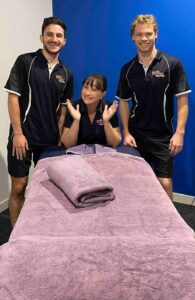
Words by Remedial Massage Therapist Elle Badrak

Recently I had a gentleman in his 60’s reach out for help with a sore shoulder that had been causing him a lot of pain over the last few weeks and he just wanted some relief. He had soft treatments from regular massage therapists with no help at all, but he had not tried a Remedial Therapist until he came in to see me.

To begin, I went over his health history and checked range of motion and a few shoulder tests and found there were a few restrictions and limitations, including very forward rolled shoulders which seemed to be due to years of the way he worked.

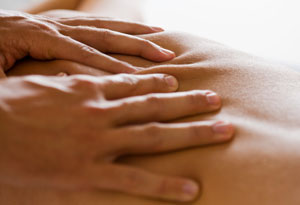
With all details checked I then explained to this gentleman what I needed to do to treat the area of concern. I then worked the shoulder and specifically the area of pain with a mixture of myofascial release, trigger point therapy and finally some Dry Needling (of which permission was given, of course).

On completing the treatment, I proceeded to check the range of motion again to find that his range had improved, and his pain had greatly decreased – just from this one session.

I take great pleasure and am proud very time I am able to help one of you- and this gentleman has been able to remain pain free and I will continue to help him lead a better pain-free life into the future.

As a Remedial Massage Therapist, I believe it is our job to really listen to YOU, and to hear what YOU are requiring and needing, but also to guide and teach YOU about your body and how we can work together to reach a great outcome.

This is just one case study of many that we deal with every day, so if you thought no one can help whatever the issue, just know that we can.

Our Remedial Massage team is available for booking at Ashmore & Burleigh clinic on 07 5500 6470 or you can easily book online via our website www.mygcphysio.com.au

Choose Physio for National Tradies Health Month to Help You

Physio Sam McLaren reminds all Tradies that Our Team want to ensure that you prioritise the most important tool you have – YOUR BODY!

Just like an athlete can’t perform without their body, neither can you as a Tradie.

Whilst it would be unrealistic to expect that manual labour work wouldn’t come with the odd niggle here and there, in my experience, a lot of preventable pain and injury occurs in Tradies’. You tend to feel like it’s a normal part of the job.

Did you know 60% of Tradies in Australia experience pain and injury, and with the average time off work for a serious workplace injury being 5-6 weeks? With the current economic climate, that’s time off work we understand you just can’t afford.

At Gold Coast Physio & Sports Health we manage our Tradies’ work-related pain and injury with the same knowledge, care and planning that we do for our elite athletes.

Physiotherapists are not only skilled in utilising hands-on techniques to help reduce acute pain, but we also assess the way you move and your capacity to move (muscle strength and control, joint mobility, balance capability). Whilst traditional manual handling training is useful, every manual task can never be perfect, so our goal is to build the most robust body to handle whatever is thrown at it. We tailor everything to the individual, so we keep any exercise prescription to be the best ‘bang for your buck’ and make sure you can fit in our advice with any busy lifestyle.

Most injuries to Tradies occur as a result of ignoring pain and niggles, rushing at work, improvising with tools or equipment or being distracted by everyday tasks. The Australian Physiotherapy Association explains how Tradies can follow a few simple steps to help reduce the chance of injury:

  • Take a few minutes when you are about to start a job to think it through. Ask yourself: Is this the best way? Am I using the correct tools for the job? Do I need any help? Is it safe to proceed? If you answer yes to all these questions, get to it. If not, then change something until it is safe to finish the job
  • Be mindful of what else is going on in your life and how it can influence your work. Many Tradies get hand injuries when their mind is not completely on the job. We all know the dangers of not paying attention while driving—the same goes when swinging a hammer or using a rattle gun.
  • Seek advice from your physiotherapist as soon as you feel a niggle. The earlier you see a physiotherapist for even the smallest injury, the quicker it will get better and the less chance your work will be impacted. Your physiotherapist can also give advice on how to prevent it happening in the future.
    Sometimes with long term chronic injuries such as chronic low back pain or elbow pain (i.e. Tennis Elbow) can hang around for so long you can feel that it’s just past ‘fixing’. Whilst it does take a lot less time to get on top of little niggles (my rule of thumb if it’s sore for more than a week and not improving, come in to get it checked), we can give you the reasons of why you are sore, and the plan of attack to help reduce it to a much more manageable level (or hopefully to pain-free!).
  • Regular remedial massage can also be a great tool to maintain soft tissue health in conjunction with mobility/exercise programs. Some weeks are just full on for the body so take advantage of our Tradie friendly late hours during the week and on Saturday’s to iron out any knots for the week ahead.

Booking an appointment is easy – simply go to our website www.mygcphysio.com.au to book online or call the clinic on 07 5500 6470

Written by Physio Sam McLaren who is available for consult at Ashmore clinic Mondays to Fridays

Unstable Shoulders?

Unstable Shoulders?

Unstable shoulders – in more than one direction?!

The shoulder is a complex joint with a large range of motion in many directions. The shoulder is typically thought of as the ball and socket joint between the humerus and the shoulder blade. Consideration also needs to be given to the movement that occurs between the collarbone on the shoulder blade and the shoulder blade on the rib cage.

The shoulder relies on a mixture of both passive and active components to create joint stability. Passive components include ligaments and the joint capsule. Active components are the muscles and tendons surrounding it, such as your rotator cuff.

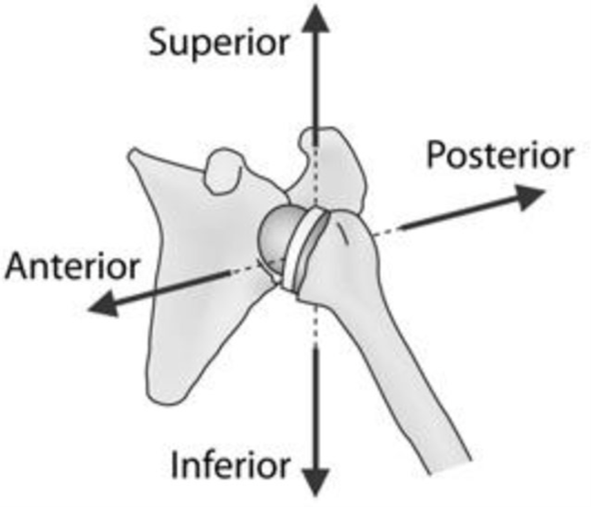
Shoulder instability occurs when the control of the ball and socket is reduced, and as a result causes symptoms such as pain, weakness, or instability/dislocations. Typically, this is in one direction and usually because of a traumatic injury. Think a shoulder dislocation in football. But what about if there is instability in more than one direction? This is where multidirectional instability (MDI) comes in.

What is it?

MDI is defined as having instability in two or more directions. This is a mixture of inferior instability +/- anterior or posterior instability. An important point here is that there are symptoms in those different directions. The cause of MDI is quite complex, but there are a few contributing factors. These include having a background of joint hypermobility, repeated overhead work or sport, changes in the anatomy around the shoulder, and changes in the timing of the muscles around your shoulder and shoulder blade.

Who gets it?

As mentioned before there are a few key populations who may experience MDI. These include people with joint hypermobility disorders, people with high levels of work overhead (throwers, swimmers), and potentially people who have had a traumatic shoulder dislocation which has since worsened.

What can I do if I have it?

The good news is that MDI is very treatable. After a thorough assessment from your physiotherapist a rehabilitation program can be created that is tailored to each unique presentation. This looks at improving the stability of your shoulder in the directions that are impacted by working at the timing and coordination of the muscles around your shoulder and shoulder blade through different movements. This program will take between 3 and 6 months to get great outcomes!

So, if you experience shoulder instability, or have MDI then get in contact with our team of physiotherapists who can help guide you through the rehabilitation pathway back to function. Quick and easy online bookings available or call us on 07 5500 6470

Should you be worried if your child complains of Low Back Pain

Should you be worried if your child complains of Low Back Pain: About Adolescent Back Stress Fractures

By Physio Sammy Yeung

Has your little one been complaining about back pain that has been lingering around for a couple of weeks?

Perhaps they have complained about it in the past but this time seems not to be going away or lasting a bit longer?

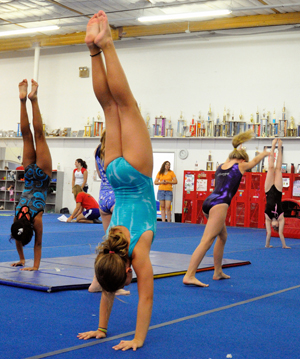
The spine is a complex area and back pain can originate from multiple regions and caused by various reasons, however Lumbar (Low Back) spondylolysis, or stress fractures of the vertebrae in the low back is a cause of lower back pain that is relatively common amongst young athletes participating in sports, particularly those requiring repetitive Back bending motion (e.g. gymnastics, dancing, football, tennis, overhead sports). And it is a diagnosis that we do not want to miss due to the potential long-term consequences!

What is a pars stress fracture and spondylolysis?

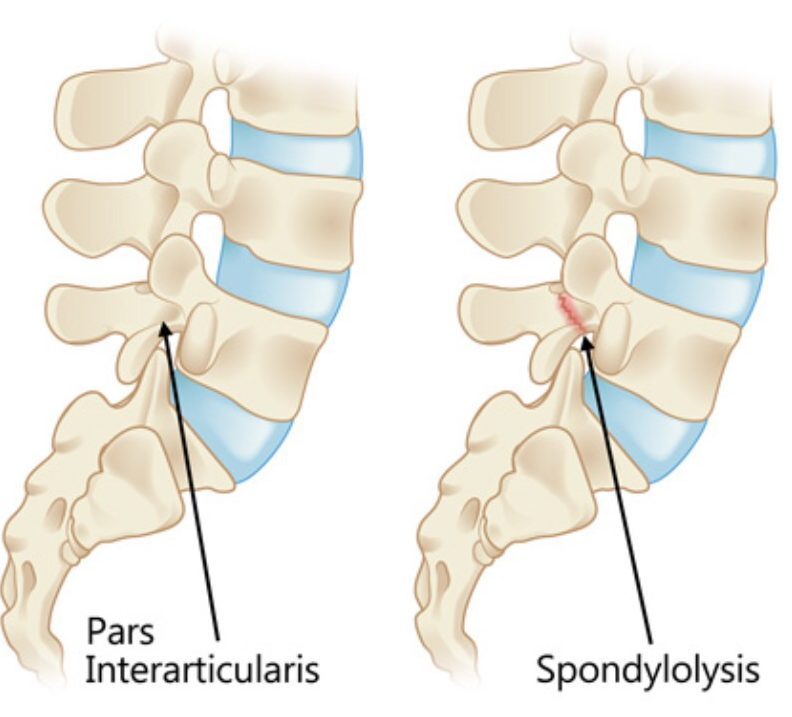
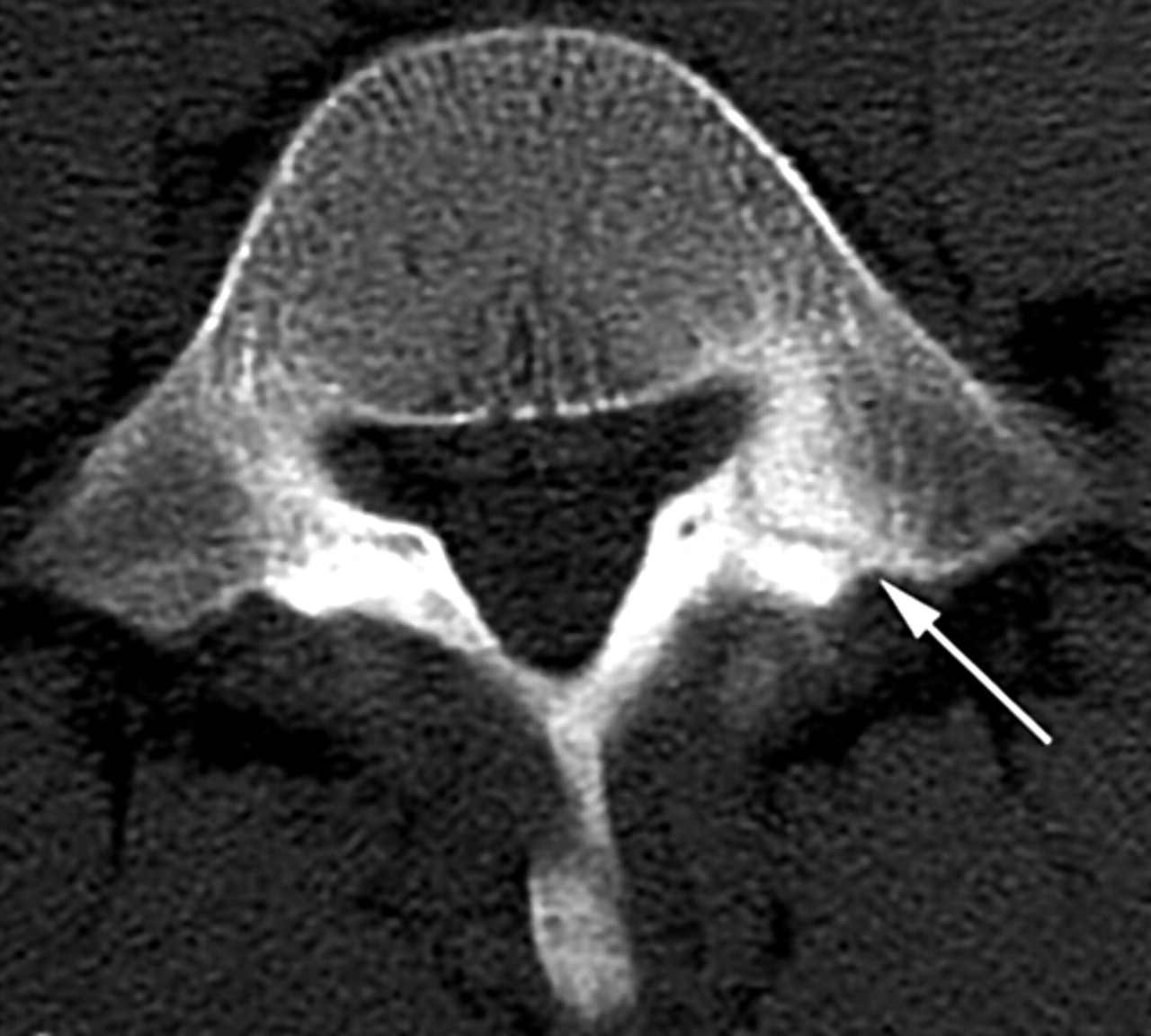
Lumbar spondylolysis is pathological (abnormal) bony stress that is reactive to forces and occurs to one side (or both) of part of the bony vertebrae- an area called the ‘pars inter-articularis’. This is the region where vertebrae are connected at each level of the spinal column.

This condition is in a spectrum ranging from bone stress reaction (think bony bruising), to stress fracture and if not managed appropriately, to a spondylolisthesis, which describes the slippage of one spinal segment on another due to its inability to maintain the proper position.

These bony changes occur in response to repetitive stress and overuse that characterise many sports that require back extension (or backwards bend) repetitively. In addition, young athletes may develop postural and movement compensation as a result to this that contribute to further lower back pain.

Signs and Symptoms

Common symptoms of lumbar spondylolysis include lower back pain that feels similar to muscle strain and excessive muscle tightness, that may or may not radiate to the buttocks and/or down the thighs, which are worsen with activities and improve with rest. Usually discomfort or pain is worse with provocative sports, activities (cricket bowling, running with poor form, repeated handstands or back walkovers, fly or breaststroke or kick sets swimming to name a few) or extension postures (lying on your tummy or standing still in one spot for some time).

Young athletes may also report back stiffness and difficulty with standing, sitting upright and walking and aching at night in progressive cases.

This area of the bony vertebrae is exposed to a lot of stress in the spinal column on a day-to-day basis and does not always have excellent blood supply to support rapid healing, so without early diagnosis and appropriate management, there are cases when this bony stress fracture does not heal fully. Rather than healing the stress fracture with bone, in some cases where management is incorrect, the fractures heal with a fibrocartilage, which is unfortunately never as strong as the original bone and may need on-going management and/or some modifications.

The Good News is….

While these injuries are slow to rehab with timeframes often 10-16weeks of significantly impaired sport & activities, the Good news is it has been found that over 90% of sporting adolescent with spondylolysis or low grade spondylolisthesis (slippage) who were treated conservatively with Physio & Rehab return to full sports participation, without symptoms.

Following accurate diagnosis via clinical examination and possible imaging investigation (MRI is preferred plus or minus CT scan), progressive rehabilitation program is commenced immediately. This will commonly involve a period of relative rest from the sports, where your physiotherapist may provide you with suitable cross-training options to maintain your aerobic fitness.

How can Physio help?

Your physiotherapist will examine and identify reasons that have contributed to the overload of the injured spinal region, such as errors in sporting techniques, training load and inadequate nutrition to help build an individualised treatment pathway.

Treatment may include specific graded core exercises that will be prescribed to allow the young athletes to gradually build their trunk control from simpler tasks to more dynamic and complex movements that mimic their specific sports; progressive strengthening exercises to maintain or re-establish strength specific for the athlete; structured return to play plan (e.g. amount of backspring per week or amount of sprinting mileage per session); and appropriate referral to other professionals to collaboratively manage this longer haul rehabilitation (e.g. sports psychologist, sports dietitian).

Your physiotherapist may also work alongside with your coach to make sure any potential technical or training errors are addressed prior to full return to sports to minimise your risk of re-injury.

So, if your young athletes have been complaining about their lower back pain for over 2 weeks, it is time to get it assessed to clarify their diagnosis and make sure they are on the right treatment pathway to allow them to continue enjoying their sports in a long run.

Book a Sports Physio appointment today www.mygcphysio.com.au or phone us on 07 55006470.

Physio Pilates Massage Gold Coast Burleigh Labrador Runaway bay

FREE* Massage Offer

Book 2 Massages and Get 1 FREE*

Be Quick to Book this Special Massage Offer* with Remedial & Sports Massage Therapist Luke Atsiaris


Luke is a Qualified Remedial Massage Therapist & Exercise & Sport Science Graduate with Health Fund rebates available in clinic. He has a passion for helping you feel better using Massage.

Luke has appointments at our Burleigh Clinic & is available on Thursdays, Fridays and Saturdays from today!

Find out more about Luke’s story here…..

*The FREE Massage offer is:
– pay as you go, so no upfront payment is needed. Simply Book & attend 2 Massages in advance, then you will receive your 3rd Massage on us. Sounds great right!

– available for Massage at Burleigh Clinic with Luke Atsiaris Only with Booking of the first Massage between Thursday 28th & Saturday 6th August, 2022 (the other Massages can be anytime after this period which is great for you!)

– available for use in association with Health Fund Rebates (claimable Online with receipt as our Tyro terminals are slow as a snail as an eftpos provider to get Rebates working in clinic!)

– available by phone bookings (07 5500 6470) or Book Online

– you must show a copy of this email (on your phone or printed)  or mention this offer when booking to redeem this offer.

– All Massages must be the same booking length (ie 90min, 60min, 45min or 30min)

BOOK ONLINE HERE  or phone 07 55006470 to Book

Burleigh Massage
Loading...