13/345 Southport-Nerang Rd, Ashmore Q 4214
12/110 Kortum Drive, Burleigh Heads Q 4220

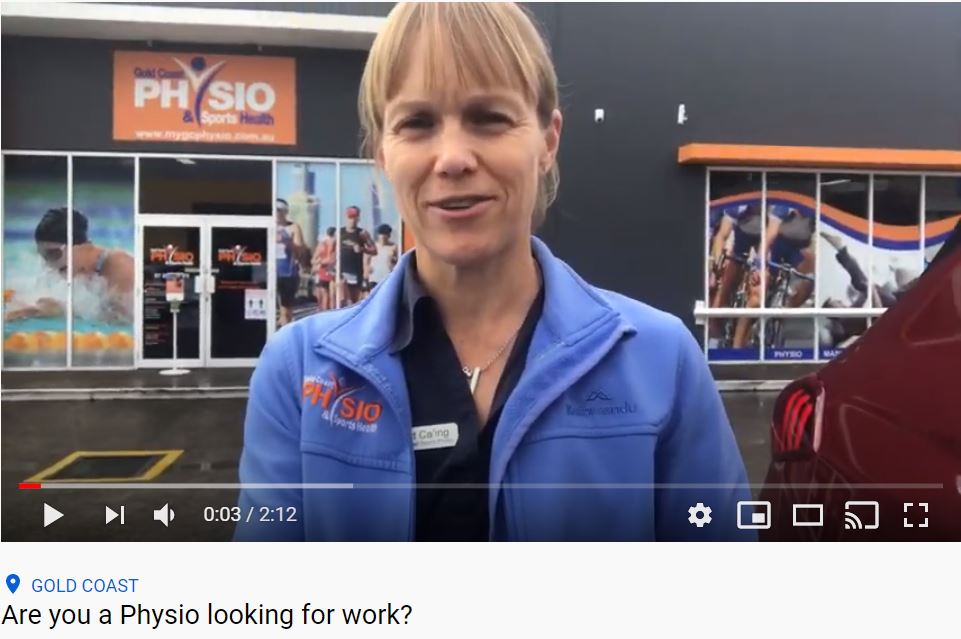
Sports & Exercise Physio Job/ Role to Join our Team

Join our team of great Gold Coast Sports & Exercise Physio’s & other Health Professionals AND enjoy achieving great outcomes with great clients!

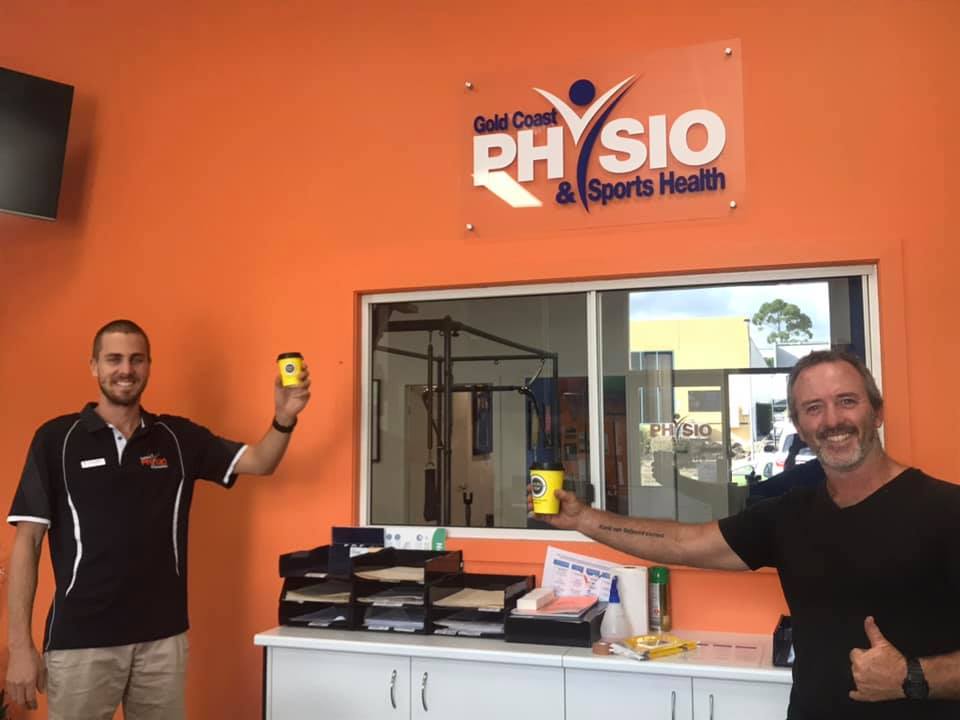
Gold Coast Physio & Sports Health (also fondly known as mygcphysio) is one of the premier sports physio & multidisciplinary clinics on the Gold Coast.

Read more about Joining Our Team

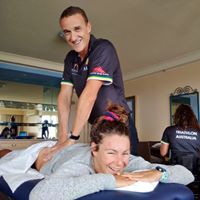
We are an official provider of Physio & Massage Services to Gold Coast based Olympic athletes, National Sports Organisations (including Triathlon, Swimming, Athletics, BMX, Sailing, Cycling and Canoe/Kayak) and previously the Australian Institute of Sport Gold Coast Facility.

Our team is looking for an experienced Sports & Exercise Physio to join us.

The candidate should have at least 3years experience. A Sports & Exercise or MSK Physio Masters qualification and/or APA Title preferred (but not necessary)

You must be passionate about providing challenging sports & exericse physio services and must be personally involved in a sport, or maintain an active lifestyle.  Preference is also for a physio with Pilates/Exercise class qualifications or a special interest in taking some small group pilates/exercise classes.

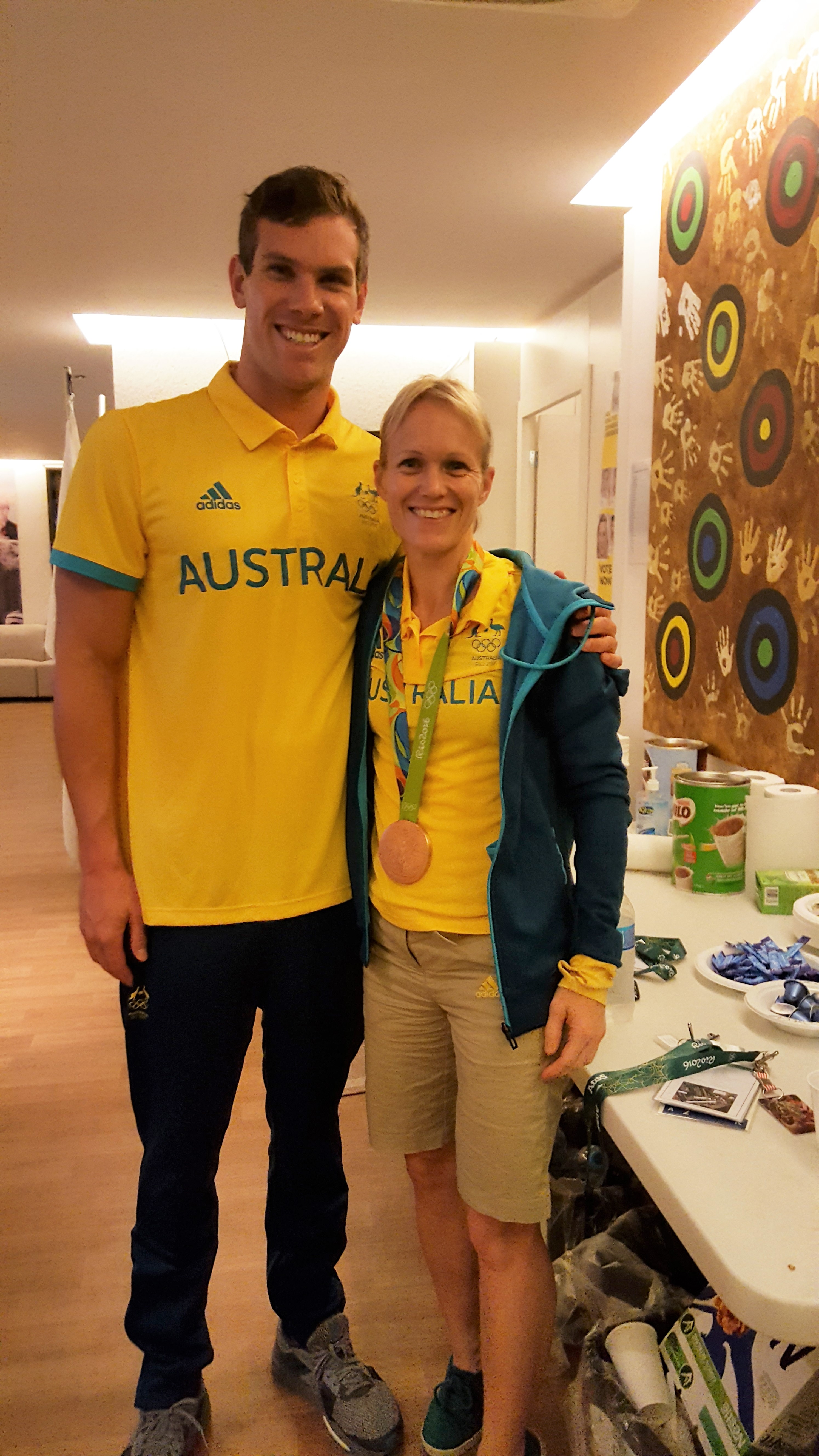
Our Principal APA Titled Sports Physio was appointed to the Australian Olympic Team for Rio Olympics 2016 and the Australian Commonwealth Games Team for 2018 & Tokyo Olympics 2020, so you will continue to get access to regular professional development within clinic from an experienced team and  your Physio skills will be constantly challenged and progressed.

Requirements

We have a strong team ethic so you must be willing to join our team and work equally with all Allied Health disciplines including Physio, Massage, Pilates, Sports Dietitian, Exercise Physiology, Sports Psychology, Bike Fitter and Sports/Exercise Medicine Physician.

Part- or Full-time workload is negotiable.

A Wage package option is provided and includes provision of Leave for Sports Team Travel, support for Professional Development and regular Inservices/meetings/in-clinic professional development.

Email applications to our Business Manager Albie Firley. AlbieFirley@www.gcphysio.robicoweb.com.au

As an additional BONUS for our Family & Friends – we are offering $100 Gifted to anyone who can directly find as our Magical Unicorn Physio that follows this advert and successfully gains employment with us*

*Terms of the Gift- for you to receive this Gift, you will do so once the 3month employment probation is complete and the Physio maintains success employment with us.  AND you must have directly helped source the employed physio such that the employed person is able to tell us that they found our advert via you.


Carrot cake muffins

Carrot cake muffins

by EatSmart Nutrition


These tasty little treats are super most, and even healthy! They are great lunch box snacks for the kids, or an on the go snack when busy life takes hold. They also freeze really well!

Ingredients

2 cups whole meal self raising  flour

¼ cup oats

2 teaspoons cinnamon

½ teaspoon ground ginger

2/3 cup light olive oil

½ cup honey

¼ cup greek yoghurt

½ cup unsweetened apple sauce

3 eggs

1 tsp vanilla extract

2 cups grated carrot (about 4 medium carrots)

½ cup EACH sultanas and walnuts


  1. Preheat oven to 180 degrees celcius, and line muffin tray (we got 15 muffins out of this recipe)
  2. In a large bowl, mix together flour, oats, cinnamon, ginger, sultanas and walnuts
  3. In another bowl, beat together oil and honey until combined. Beat in the yoghurt and apple sauce until fluffy. Add in the eggs, one at a time, beating after each addition.
  4. Fold wet mixture into flour mixture. Then add the grated carrot, try not to over mix.
  5. Spoon into muffin pans, and bake for 20-25 minutes.

Non-hungry eating: How to listen to your body tell you when (and when not to) eat

Non-hungry eating: How to listen to your body tell you when (and when not to) eat

by EatSmart Nutrition

“Are you full yet?”

“Finish your plate!”

Does this sound familiar to you? As children these phrases are just the beginning of listening to external sources to help us decide when, what and how much to eat. Fast forward to adulthood and now we eat because of advertising, the clock, our peers, our emotions or even our dietitians! But our body has a very clever system in place to help us to eat the right amount of food for health and happiness; many of us have just stopped listening to it.

How does it work?

Over simplified, sensors in your mouth, nose, stomach and intestinal track activate in the presence of food and send a message to your brain about how much and what type of food has been eaten. Your brain then stops looking for food. The reverse also happens in the absence of food in the gastro-intestinal tract. The real situation is more complex and involves many other environmental and internal factors.

Young children are a perfect example of this system working. Babies and toddlers who are offered regular nutritious food are experts at eating the exact amount for their optimal development. This is because they haven’t (yet) been exposed to years of external messages regarding food choices. Some messages are well intended, such as our parents concern we are getting enough nutrition. Some are less so, such as marketing for junk food.

So what can we do about it?

Despite many factors being out of our control, one activity that helps get us back in touch with these body signals in a huger-fullness scale. Scan your body before and after meals and try to bring awareness to internal cues. Does my stomach feel empty, full or bloated? Is it moving or growling? Am I light headed, nauseas or irritated? Is my mouth dry? Am I thirsty? Then rate yourself on a scale of 1-10, 1 being starving, 5 being neutral and 10 being completely stuffed full.  If we can stay at all times between 3-5 we can better regulate our energy intake and metabolism. Keep in mind it can take about 20 minutes for your brain to realise your stomach is full so if we stop eating at a 5 we will be comfortably full shortly after.

So what do you do if you have decided you are not actually hungry but still craving food? Use your new awareness skill and consider why. Are you bored? Excited? Sad? Lonely? Have you seen something yummy on TV or in the cupboard? Try to tailor your cravings plan to the real need you are feeling instead of using food.

If you would like more information on non-hungry eating, the hunger scale, cravings plans or anything nutrition related contact Eat Smart Nutrition!  Amelia Webster is available at both Runaway Bay & Burleigh Clinics, ph 07 5500 6470 for a consult

Monthly Education Seminar from Gold Coast Physio

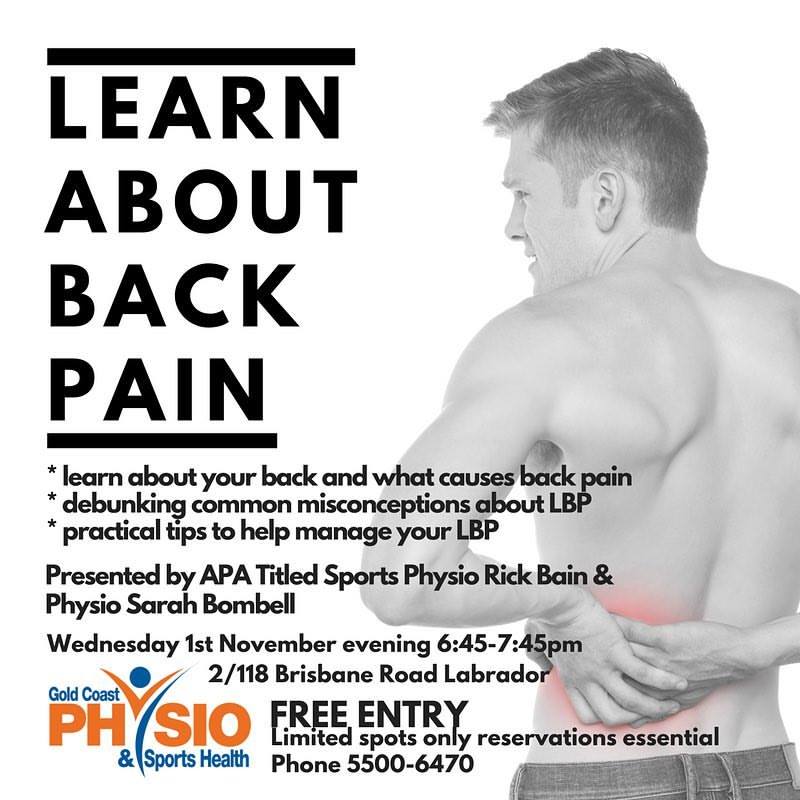
WEDNESDAY 1ST NOVEMBER 2017 – Learn About Back PainPresented by APA Titled Sports Physio Rick Bain & Physio Sarah Bombell


Learn about your back and what causes pain
Debunking common misconceptions about LBP
Practical tips to help manage your LBP

FREE ENTRY however only limited spots available reservations essential

phone 5500-6470

5 Tips to help keep you on the Netball Court (and not injured on the sidelines)

5 Tips to help keep you on the Netball Court (and not injured on the sidelines)

Words by Kasia Fedorczyk, Accredited Exercise Physiologist

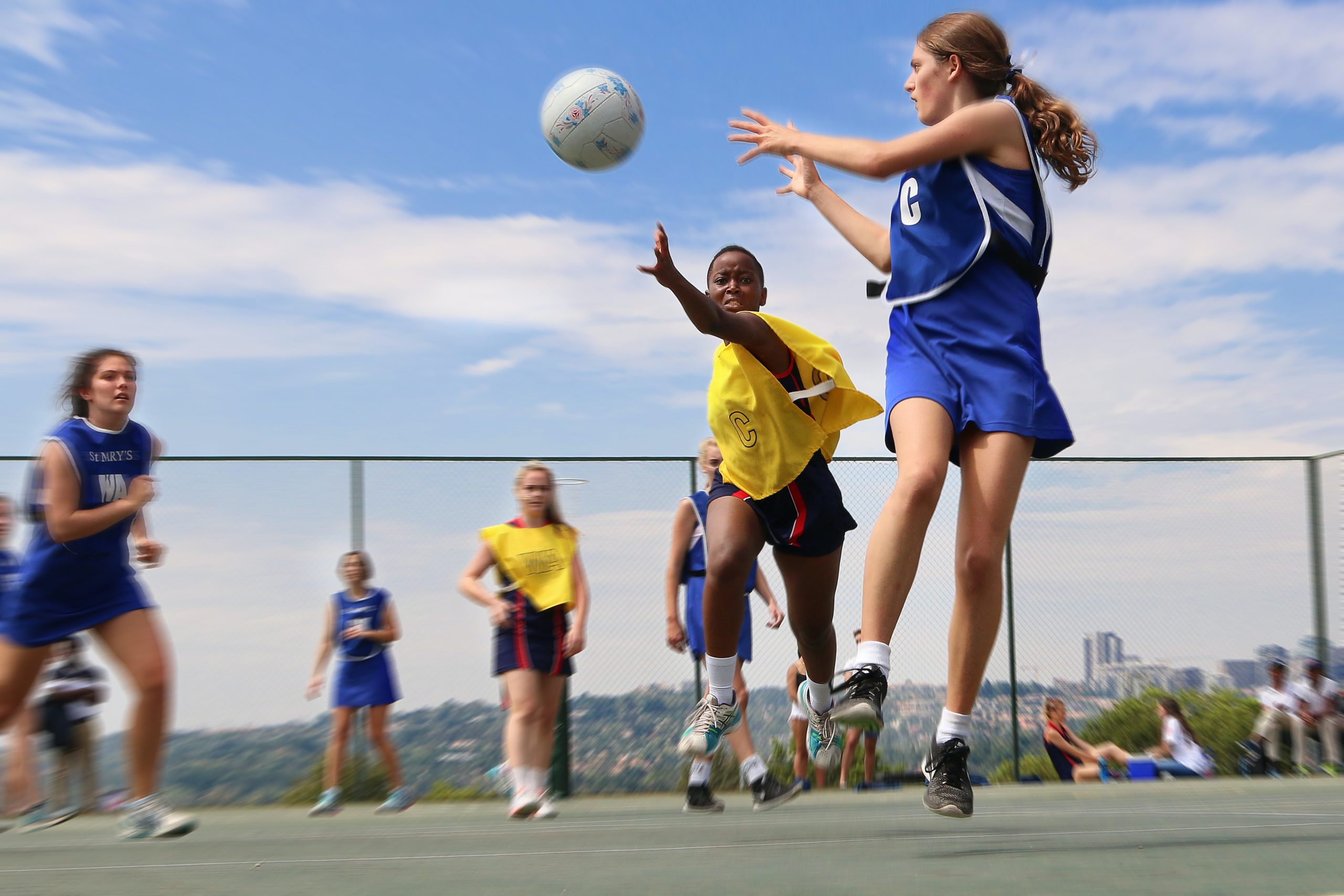
Whether you’re playing netball at school, representative, socially or even an Australian Diamond, injuries can happen and are sometimes unavoidable. Good news, is netball being a ‘non-contact’ sport, there is solid evidence to suggest your risk of sustaining an injury can be reduced. Yay!

Netball naturally imposes a higher risk of injuries due to the involvement of cutting, jumping, pivoting and quick deceleration. Over time, Netball has become a faster, more physical game and along with this does come an increased susceptibility to injury.

Most common netball injuries:

  • Ankles are the most commonly injured amongst netballers
  • Knee injuries tend to involve the most time away from the court.
  • Wrist sprains, tendon injuries, bruising, fractures and dislocations are also common.
  • Most at risk of injury include females, those with previous injuries, those with family history of injures and hypermobility (being extra mobile in your joint and muscle structure).

Injury prevention is better than treatment.

A phrase you have most likely heard a thousand times, yet still an area not emphasized enough!

Below are 5 tips you may be missing out on.

These factors can have a big impact on reducing your risk of injuries and keep you playing the game you love!
1. Improve your landing technique

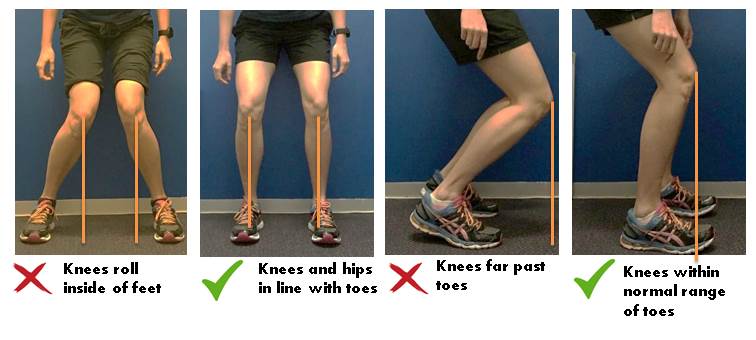
Common inappropriate landing techniques involve knees excessively going past toes and knee valgus (knees rolling inside of feet). Such knee movements place greater strain on the ACL (anterior cruciate ligament) during landing movements, which increases risk of injury. One way to improve your landing mechanics is by practicing! Strength of your trunk and lower limbs also play an important role in your landing mechanics.

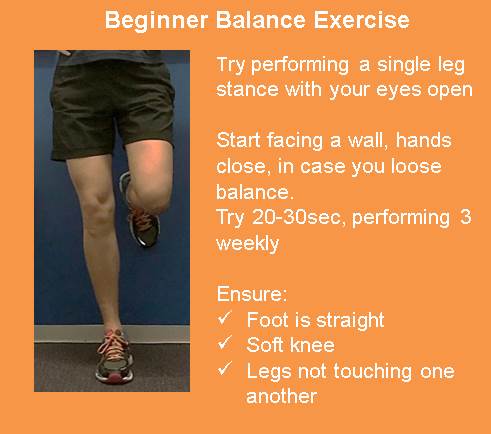
2. Improve your balance 

Adding static and dynamic balance exercises to your current training routine has been shown to lower the incidence of recurrent and new ankle sprains. Recurrent ankle injuries affect approximately 50% of netball players, with many reporting ankle instability (unstable ankle sensations like they are about to collapse). A ‘simple sprain’ can lead to long-lasting problems, which highlights the need to prevent an initial acute sprain.

3. Complete your rehab

A history of injuries increases your risk of future injuries. Experiencing an injury can have a detraining effect, may change your movement patterns and possibly result in muscles switching off and weakness. A thorough rehabilitation after injury is essential to help alleviate these changes and ensure a safe return to sport.

4. Don’t go from zero to hero

Does this sound familiar? You’ve worked hard all pre-season, attended all scheduled court conditioning and gym sessions. Christmas break comes around, and you’ve enjoyed that sweet 3 week break from training catching up on Netflix. Season recommences and your back into the weekly grind of conditioning, court and gym training with games right around the corner. Warning! Not only will you lose some of the physical fitness and strength that you worked so hard for, but you’re also at increased risk of injury!

The AIS have performed some solid research into this topic as of late, and have found that this is often a common factor amongst injured athletes. So here’s the hot tip. Avoid going from zero to hero. In other words, don’t go from no-to-reduced activity one week, straight into a week of high load the next. This should be taken into consideration all season, holidays and after injuries. If it’s an option, try to keep up with some physical activity over your break and be mindful if you have had time off to ease back into it.

5. See our Accredited Exercise Physiologists

We can discuss your goals, current training and perform a physical assessment. Our Exercise Physiologists can prescribe a specific and individualized exercise program or help ensure your current training is suitable for you. Some areas we may address include mobility, strength, balance, movement, stability, landing mechanics, training load and fitness.

Already injured and aiming to return to netball? See us for that too! We can help ensure you are best prepared for your return to the game.

Bonus Tip! Injury prevention can actually improve your performance!

By simply implementing the strategies discussed above, you can actually improve your game and performance! Injury prevention programs help to improve strength, balance, coordination and flexibility. Netball coaches believed that improved athletic ability and landing techniques were seen in their players after an injury prevention program was implemented.

If you’re not already familiar with what an Exercise Physiologist is, follow this link:Here

If you are want to have a chat about how an Exercise Physiologist can help you, feel free to ask me or front desk staff. I’m always excited to talk about exercise and all it’s benefits!

Phone 07 5500 6470 for an appointment today. Health Fund Rebates available for Exercise Physiology Consults.
Need a Father’s Day Gift Idea? Get a Gift Voucher to make Dad feel great!

Sunday is Fathers Day!

Drop in to either of our Gold Coast Clinics on Saturday and buy a Gift Voucher to help your Dad achieve his health and fitness goals

A great idea for your Dad if he needs:

  • Physio! Perhaps he hurt his hamstring at Indoor cricket? or his knee playing soccer? how about his elbow at darts?  We can help fix Dad.
  • aches and pains, or just to feel great! Give him a Massage
  • to get fit running- he can use the Alter-G treadmill
  • to lose weight and get healthy with the Nutritionist/Sports Dietitian
  • use of the gym & exercise equipment

Whatever his need, we can help Dad!

Choose your amount and we will do the rest- Available now,  phone 5500 6470 or visit us in clinic

Loading...