

13/345 Southport-Nerang Rd, Ashmore Q 4214
12/110 Kortum Drive, Burleigh Heads Q 4220

Favourite Healthy Smoothie Recipes

We love these Favourites Healthy Smoothies from the EatSmart Nutrition Team

Bec’s Breakfast smoothie

  • 150ml low fat milk
  • 2 tbs traditional oats
  • 4-5 whole walnuts
  • ¼ scoop WPI protein powder (or can replace with 2-3 tbs skim milk powder)
  • 1 tsp honey or maple syrup
  • ½ frozen banana
  • ICE (depending on how thick you want your smoothie will determine how much ice you put in….the more ice the thicker it will be)

Blend and enjoy!

Lauren’s Green Smoothie

  • 250mL coconut water
  • 1/2 apple
  • Big handful of baby spinach
  • 1/2 lebanese cucumber
  • A few mint leaves

Blend and enjoy!

OR if you have a little more time…….

Lauren’s Coffee almond smoothie:

  • Soak 15 almonds in warm water for 20 mins.  Drain.
  • Add 1 cup cold water, the soaked almonds, 1 fresh date or 2 dried dates, 1-2 tsp cacao, 1 shot of coffee or 1 tsp instant coffee dissolved in hot water.

Blend and enjoy!

Kellie’s Fast and Furious smoothie:

TIP:  Puree up all different berries and bananas, mangoes, melons once they are looking a bit sad and tired, and freeze them in ice cub trays, and once they set, tip them out and then store them in ziplock bags (~3-4 ice cubes per bag).

  • 1 bag frozen fruit
  • 150ml low fat milk
  • 2-3 tbs yoghurt

This recipe is great for a quick, no chop, no mess on the run smoothies……. way cheaper than the shop versions of these, and no wasting tired fruit!!

Steff’s ‘Chocie chimp’ smoothie

  • 1 x frozen banana
  • 1 x scoop chocolate protein powder OR just cocoa
  • 1 x tablespoon peanut butter OR other favoured nut butter
  • 1 x teaspoon chia seeds
  • Sprinkle cinnamon
  • 200ml lite milk of your choice
  • + Ice

Annnnnd Whizz!!

10 Facts About Low Back Pain

10 Facts About Low Back Pain

Words by GCPSH APA Titled Sports & Musculoskeletal Physio, Rick Bain


1. Back pain is common

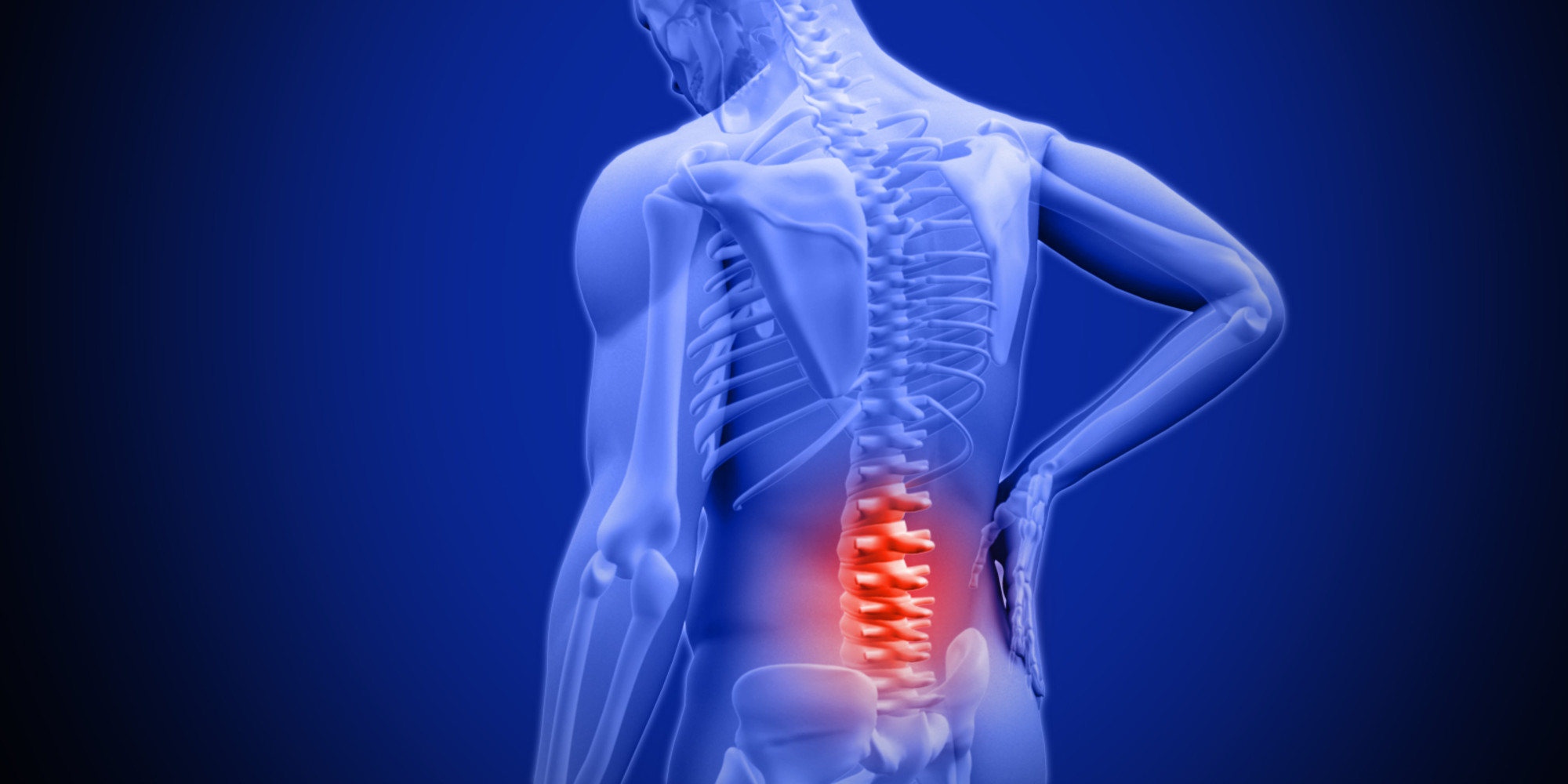
Back pain is not a disease. It is a normal experience for most of us. 84% of people worldwide will experience LBP and it is equally common across all age groups. Low back pain can be very painful and worrying, but is very common and rarely dangerous.

2. Scans for back pain are rarely needed and can be detrimental

Luckily, pain in the back is almost always benign. However, a few sinister causes do exist for LBP (cancer, infection, fracture) and as primary healthcare practitioners, physio’s are well trained to screen for these non-musculoskeletal causes of back pain. Scans are only needed when a serious condition is suspected, or if you and your management team are considering surgery.

3. The back is NOT that vulnerable to damage

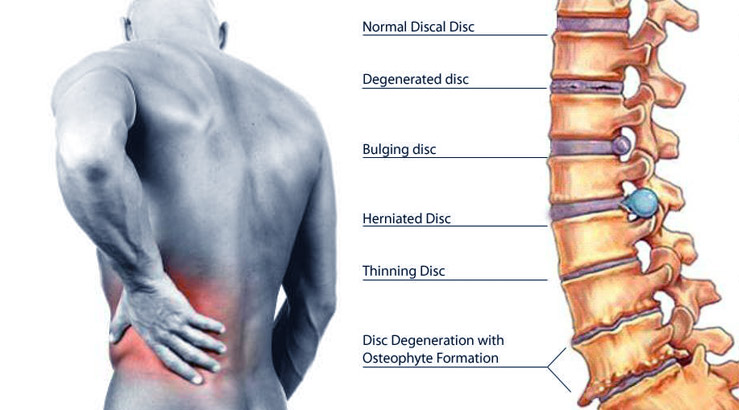
It is a commonly held belief that the spine is a fragile structure and needs protection. Our spines are not made of glass. They are in fact an amazingly robust series of structures that work beautifully together to allow you to move, play and work. Research shows back structures do not “go out of place” or “discs slip”. This is incorrect and has led to fear, protective guarding, avoidance and disability.

4. The back is designed for bending and lifting

Your back is not designed to remain a rigidly braced structure during everyday activities. This overprotection (or avoidance) of normal movement can in fact lead to pain and dysfunction itself. In the same way that a person can get a sore knee after doing an unaccustomed activity, people can experience back pain when they lift something awkwardly or something that they are not used to. The key thing is practicing normal movement and conditioning the body to withstand different loads and weights.

5. You can have back pain without injury or damage

Back pain can exist in the absence of trauma, damage or injury. Pain can be amplified by many factors: physical, psychological, health, lifestyle and social factors. This means you may feel pain more when you move or try to do something, even though you are not damaging your back.

6. Don’t take back pain lying down and don’t rush for surgery

Robust evidence exists for keeping active and returning to all usual activities gradually is important in aiding recovery. Discuss with your physiotherapist about activities which are most appropriate for your individual situation. Surgery is rarely an option for low back pain. A non-surgical option, including activity/exercise, should always come first. Surgery exists for certain cases, and should only be considered in consultation with your management team (physiotherapist, physician, specialist).

7. Exercise is good for back pain but people are often afraid

Exercise is helpful for back pain and the best exercise is the type you enjoy. General exercise has many health benefits, including the management of low back pain. Your physiotherapist will advise you on whether you would benefit most from specific or general exercise, or combination of both.

8. Strong medication does not have strong benefit for back pain

Scientific research has shown that strong painkillers (opioids) do not provide greater pain relief over similar options, and have greater potential for harm.

9. Beware the internet, fads, fashions and bandwagons

If it sounds too good to be true, it probably is. When it comes to back pain, there are no magic pills or quick fixes. Beware the snake oil salesman. A lot of “fads” have not yet been tested so you are potentially just wasting time and money, and when they have been tested the results are generally unimpressive.

10. Back pain can get better

Of course, you can injure your back, but be confident that it will get better.

If you need further assessment of Low Back Pain, come and visit our experienced Team of Physio’s and let us help you get back to what you love to do pain-free.  Phone 07 5500 6470 for an appointment, or book Online via our homepage.

Ankle Sprain Injuries are not harmless!!

Ankle Sprain Injuries are not harmless!!

Extracts taken from Assocaite Professor Eammon Delahunt in Sports Physio & GCPSH Sports & Olympic Phyiso, Britt Caling

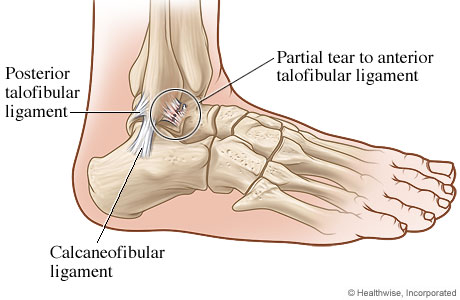
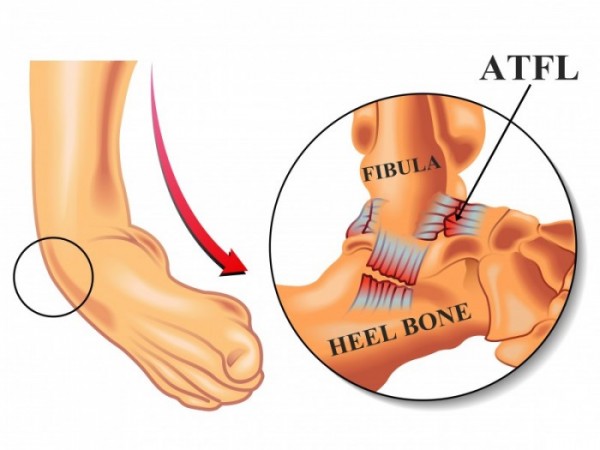
The lateral ligament complex of the ankle is usually defined as the ligaments shown in the photo consisting of the Anterior (towards the front) Talofibular ligament, the Calcaneofibular ligament (on the side) and the Posterior (towards the back of the ankle bone) Talofibular ligament.

Sprain injury to these ligaments is the most prevalent injury sustained in both competitive and recreational sports activities. In Australia, up to 70% of the population have experienced a ligament sprain to these ankle ligaments, and they commonly occur in young athletes and adolescents and can significantly affect their ability to participate in sports and activity for long periods of time.

Lateral Ankle Sprains are acute injuries that usually occur when the foot ‘inverts’- that is, the bottom of the foot extremely faces inwards

These injuries usually occur with change of direction sports (think basketball, tennis, netball), in collision sports (say when a tackler lands on your lower leg when your foot is planted) and sports with uneven surfaces such as trail running.

Signs and Symptoms

An acute episode will occur where often you are not sure exactly which way your foot or ankle went. The result is acute pain on the outside of your ankle and sometimes an inability to walk immediately. In some injuries, the pain settles enough the you can continue to jog or play with a little limp and a little pain, and in more severe injuries, you will be unable to put weight on your foot until later in the day due to pain. The swelling may create a sensation of stiffness.

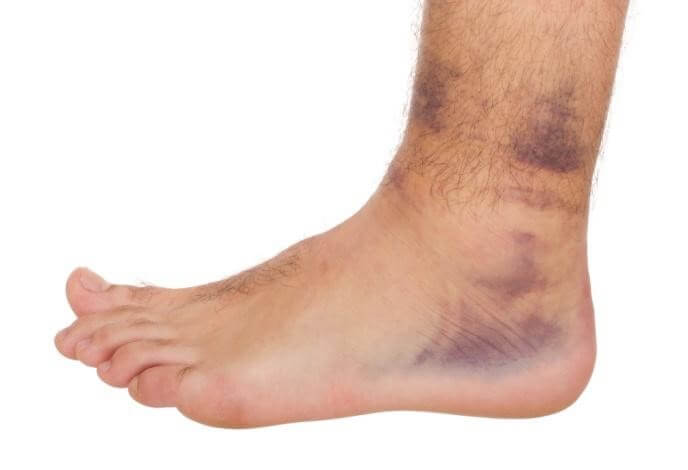
Swelling and or bruising will appear on the outside of your ankle. In severe sprains, the swelling/bruising may track down to your foot and toes.

While acute symptoms may resolve relatively quickly and with minimal treatment, many people regards these injuries are “harmless”, however the reality is quite different.  The pain and swelling and altered joint mechanics are big risk factors for the development of Chronic Ankle Instability (CAI).

The recurrence rate of ankle sprains is very high and this recurrence can result in the chronic presentation of on-going swelling, ankle joint ‘giving way’, symptoms of the joint being unstable and then further sprain episodes.  This vicious cycle may continue for many month, or years.  Up to 40% of people can be expected to develop CAI within one year of sustaining their first ligament sprain injury (Delahunt et al) which can significantly affect sport/activity participation, and also result in maladaptive patterns of use of the knee or hip and result in injury to these joints.

These injuries are definately NOT harmless!

Management of Ankle Sprains

On initial injury, try to control the swelling with ice-baths and compression (find an esky, add water and ice and do gradual ankle movements short of pain in the ice-bath for 5min at a time). Aim to walk normally on your ankle as soon as possible and as pain permits. Having said this, bone fracture in the lower leg bone (fibula), the foot or the toes can also present with a ligament sprain, so a thorough Physio assessment is warranted in the early phases- particularly if you are unable to walk (not necessarily normally, but with some capacity to weight-bear) within the first 2days.

Ideal is to present to Physio within the first 3days of injury with some early, regular treatment and monitoring helping to reduce your risk of further injury.

A Physio assessment will decide if Xray or other investigations are needed that would mean the treatment direction needs to differ, compared to if the injury is purely to the ligaments only.

All the Physio’s at Gold Coast Physio & Sports Health can thoroughly asses and manage your ankle injuries, and they can guide your return to sports or activity with the aim to prevent recurrence, or progression to CAI.

We can teach you taping techniques (this link will take you to the taping we use in our Trail Runners, and participants engaging in activities such as the Kokoda Challenge Gold Coast, click here), or organise a brace for you to use if warranted, and we can guide you on appropriate exercises to perform to reduce the likelihood of progressing to Chronic Ankle Instabilities.

For more information, ask our Frontdesk Team which of our Physio’s has a special interest in your sport and will be best suited to understand the demands of your training and competition and then help you achieve your sports or health goals.  For Bookings, phone 07 5500 6470, or book online via our website homepage.

Happy Sporting Pursuits for now!


gold coast physio ankle sprain
what to do following ankle sprain injury gold coast running

Football Boot Review

 Football Boot Review

By Gold Coast Foot Centre Podiatrist, Nelson Pollard

With an abundance of football boot options available it can be tricky to decipher which ones are most suited to you. After trying on and testing a number of options, we’ve come up with our most favoured boots currently around.

Before we get in to the boots themselves there are a couple of things to note:

  • Firstly, everyone’s foot is made differently; different foot shapes, difference mechanics, different loading patterns, different injury concerns etc. For this reason, a boot that may be great for one person, may not be ideal for you, and the boot that may be best for you, may not even be on this list!
  • Another important factor to consider is training load in football boots and variability. It would be ideal to complete running components of training in your runners, and the football specific tasks in your boots. This is potentially the best formula to reduce your chance of getting injured in the preseason

Asics -Lethal Tigreor 10 IT

–       10mm heel raise

–       Increased rearfoot cushioning

–       Good torsional rigidity and stability, with a firm heel counter

–       Kangaroo leather upper

–       Increased amount of studs

–       Removable sock liner

–       Orthotic friendly

The 10mm heel raise is particularly beneficial to those who may have achilles issues, as the elevation reduces load through the posterior musculature complex. Similarly, it may also be helpful for those with any anterior ankle impingement, as the heel pitch may ‘open up’ the anterior ankle.

A higher amount of studs may help reduce plantar pressures through certain areas, particularly around the 1st metatarsal phalangeal joint (MPJ or big toe joint).

Asics Tigreor.jpeg

Asics -Lethal Legacy IT

–       Shares all of the characteristics of the Tigreor

–       Slightly wider and deeper, although less cushioned when compared to the Tigreor

–       Orthotic friendly

Being slightly deeper and wider than the Tigreor, the Legacy is a little more suitable for those who have a wider foot, and is also slightly more accommodative for orthotics, should you require them.

Asics -Lethal Ultimate IGS 12

–       10mm heel raise

–       Highly comfortable with full length cushioning

–       Good torsional rigidity and stability, with a firm heel counter

–       Grass cut type boot

–       Shorter and increased amount of studs

–       Wider fitting

–       Good preseason boot

–       Removable sock liner

–       Orthotic friendly

Due to the superior cushioning and shorter stud lengths, this boot is ideal as preseason boot. In addition, this boot is nice and wide for those with a wider foot.

Nike Tiempo Legend VI FG

–       Good width

–       Firm heel counter

–       Relatively good torsional rigidity and stability

–       Premium Kangaroo leather

–       Suitable for wet and dry grounds

–       Removable sock liner

–       Orthotic friendly

Not quite as wide as the aforementioned Legacy and Ultimate, although utilizes a soft leather upper which has the ability to stretch quite easily

New Balance Visaro 2.0 FG

–       Available in 2E width

–       Lightweight

–       Removable sock liner

–       Orthotic friendly

The predominant aspect I like about this boot is that it comes in a 2E fitting. Wide footy boots can be difficult to come across, so this is a great for those after a wider fitting boot.

Adidas Ace 17.1 Primeknit

–       Narrower fitting

–       Lightweight

–       Available in Kargaroo Leather in the toebox

–       Removable sock liner

Puma King II FG

–       Good width and depth

–       Comfortable

–       Removable sock liner

–       Orthotic friendly

X Blades Legend Max

–       Has a removable 10mm heel wedge

–       Wide fitting

–       Removable sock liner

–       Orthotic friendly

There remains a Question-mark over whether bladed cleats have the potential to cause metatarsal stress fractures (toe bone injury) and knee injury. Not all bladed boots are created equal, &not every foot is the same and not all surfaces are the same, for this reason the blades cannot be ruled out completely.  Another good option for those looking for a wider fitting boot.


If you have any concerns about football boots for the upcoming season, or any foot related queries, please see Gold Coast Foot Centres Podiatrists:

Nelson Pollard – Runaway Bay Gold Coast Physio & Sports Health

Ben Harcourt – Burleigh Gold Coast Physio & Sports Health, phone 07 5500 6470 for bookings.
 

Loading...