13/345 Southport-Nerang Rd, Ashmore Q 4214
12/110 Kortum Drive, Burleigh Heads Q 4220

Crunchy Nut & Seed Cookies

Crunchy Nut & Seed Cookies courtesy of Eatsmart Nutrition Consultants

Ingredients:

½ cup ground linseed/flaxseed
2 cups ground almonds
½ cup pumpkin seed or sunflower seed
1 cup walnuts
½ cup dried cranberries or goji berries
½ cup macadamia nut oil
½ cup honey or organic maple syrup
1 tspn vanilla essence

Method:

1. Preheat oven to 150°C.
2. Combine linseed, almond meal, pumpkin seed, walnuts and cranberries
3. Add oil, honey and vanilla and mix through until combined
4. Divide into 30 balls, place onto a baking tray lined with bake paper and flatten slightly.
5. Bake for 30 to 40 minutes until golden and cooked through.
6. Rest on tray until cool and store up to 2 weeks.

Caffeine- can it enhance your workout?

Caffeine- can it enhance your workout?

by Eatsmart Nutrition Consultants, Rebecca Evans, APD, Accredited Sports Dietitian, Exercise Physiologist

Caffeine is the world’s most widely consumed psychoactive drug (stimulant of the central nervous system) and is classified by the Food and Drug Administration as ‘generally recognised as safe’ [GRAS].  It wasn’t until 2004 that athletes were given the all clear from the World Anti-Doping Agency [WADA] that they could consume caffeine within their usual diets without having to worry about gaining permission.

Within Australia, the Australian Institute of Sport (AIS) use a supplementation program that details approved substances that are safe to be used by our athletes.  Currently caffeine is considered a GROUP A class supplement and has been thoroughly tested and has shown important, scientific evidence with significant ergogenic effect (performance-enhancing).

What is an ergogenic aid?

Caffeine is classified as an ‘ergogenic aid’ in that a particular substance causes a direct ergogenic (work-enhancing) effect on performance, through a pharmacological rather than physiological effect.  For example, a physiological supplement would be what we regard as a dietary supplement like sports gels, drinks, bars, liquid meals, multivitamin/minerals, iron supplements etc.  These supplements or special foods help an athlete achieve recognised nutritional goals and are useful in providing nutrients that are difficult or impractical to obtain from normal foods ( in special circumstances). Whereas an ergogenic aid generally contains nutrients or dietary components in amounts in excess of the usual dietary intake like bicarbonate, caffeine, Creatine, Beta-alanine and beetroot juice/nitrates. These particular substances have clear scientific evidence to support its use and are considered a GROUP A class on the AIS Supplement Program.

How does Caffeine work?

The benefits of caffeine and performance still remain unclear; however, the most popular theory is that caffeine blocks the action of adenosine on its receptor, which blocks the onset of drowsiness induced by adenosine.    Research has shown that caffeine can decrease perceived exertion therefore to reduce the feelings of fatigue during an event/race/session.  It produces increased fast and clearer flow of thought, increased focus and increased muscle contractility for better general body coordination.  There were initial studies that suggested caffeine could improve endurance performance by increasing the use of fats from adipose tissue and the muscle ‘sparing’ muscle glycogen (helping for energy reserves).  However, follow-up studies have suggested that this isn’t necessarily the case.

Benefits on performance:

The effectiveness of caffeine will be different for each and every one of you.  Caffeine affects vary based on the amount ingested, the frequency of consumption, the individuals metabolism and the type of training being undertaken.  A lot of people don’t realise that it takes the body 45 minutes for 99% of the caffeine to be absorbed and the  half-life for caffeine is anywhere from 4 to 6 hours on average, which explains why the average energy drink or coffee’s effect lasts about 4 to 6 hours. We also have 3 levels of sensitivity to caffeine. This also determines how well you metabolize caffeine and to what degree its stimulating properties affect you.

Types of exercise that caffeine has shown to be effective:

  • short-duration high intensity events/efforts (approximately 1-5mins)
  • high intensity aerobic training/events (20-60mins)
  • endurance events (90+  mins continuous)
  • ultra-endurance events (4 hours + )
  • prolonged intermittent high intensity (team and racquet sports)

How much caffeine do you need?

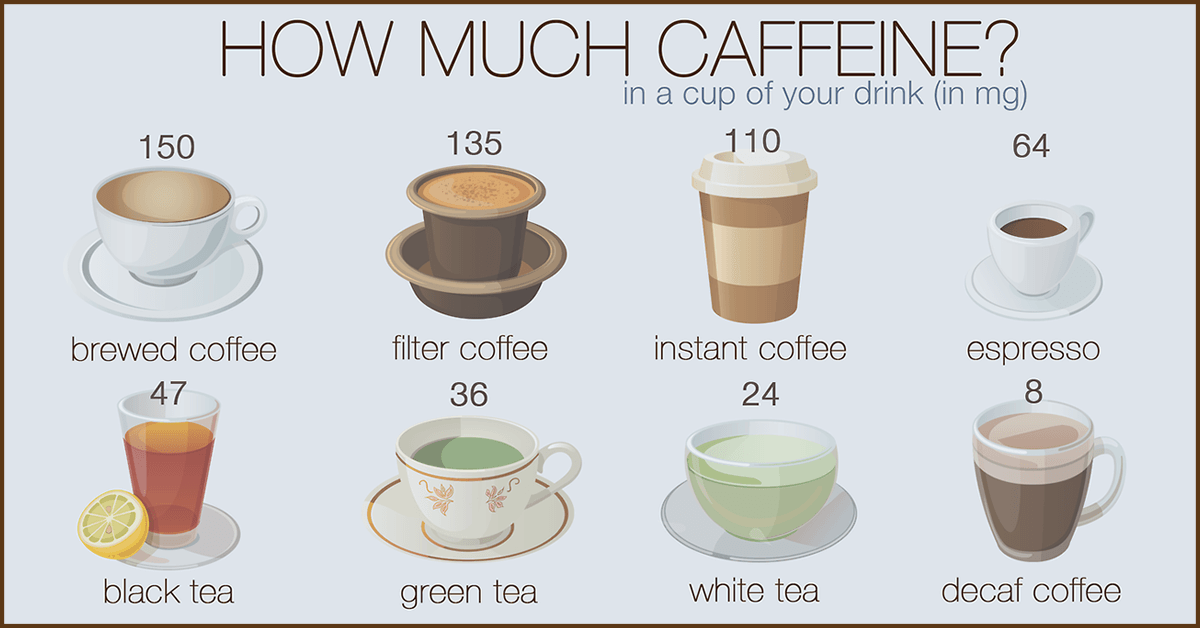
Caffeine can be found in leaves and the nuts and seeds of various plants.  We predominantly consume caffeine in the form of teas, coffees, cocoa (i.e. chocolate), some cola-type soft drinks and energy drinks/shots.  The average cup of coffee can range from 60-120mg of caffeine, tea with slightly less with 10-50mg and your average cola-type drinks 30-45mg.  One surprising high caffeinated drinks on the market at the moment are the iced coffee with some having up to 170-180mg per serve!  However, toxic doses of caffeine, over 10grams for an adult, can be extremely harmful to the body, which equates to ~50-100 ordinary cups of coffee in a day.

For caffeine usage in exercise a regular coffee may do the trick for some but the dosage amount required for an ergogenic aid response can be alittle higher depending on the person’s weight.

Protocol:

  • 1-3mg/kg if tolerated and trialled in training
  • 1 hr before
  • Timing protocol during race not standardised (perhaps every 2 hours)
  • Peak concentration is reached at approximately 3-4hr (ergogenic effect lasts up to 6hr)


The caffeine source may be in the form of tablets, coffee/tea, some types of gum, cola drinks, and some caffeine containing sports drinks, some sports bars and some gels. Make sure you’ve tried the type of caffeine source you intend to use in the race during training.  Recent research has suggested that caffeine in gum form is absorbed more quickly than that from tablets etc.  NOTE:  Athletes should work with their accredited sports dietitian to determine lowest effective doses to avoid any negative side effects of caffeine use.

Possible side effects of having too much caffeine?

Although caffeine has proven to be an effective ergogenic aid, you can have too much caffeine that could negatively affect your performance.  Too much caffeine can impair fine motor controls (think getting the shakes really bad or trying to thread a needle with string); it can increase your heart rate (increase perceived rate of exertion if you have too much); increase anxiety levels (not great if you are already nervous before an event); disturb sleep (which you need to aid recovery and performance); and could lead to gastrointestinal upsets (bowel issues such as diarrhoea, pains, bloating, discomfort- not what you want before a training session or race).

Questions that need to be asked before any substance/s are consumed:

  1. Is it safe?
  2. Is it legal?
  3. Is it effective?

The use of caffeine by adolescents and children competing in sports is not advised, particularly in very humid and hot conditions.

If you would like to trial caffeine for your sessions or sports please contact one of our accredited sport dietitian to help develop a strategy.  Casey Evans is at both Gold Coast Physio & Sports Health clinics, phone 07 5500 6470.

What is a Muscle Cork & How to Manage It

What is a Muscle Cork and How to Manage It

By Physio, Sarah Bombell

What is a muscle cork (medically called a “muscle contusion”)?

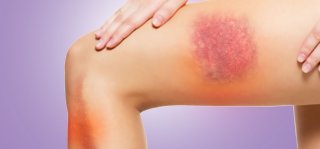
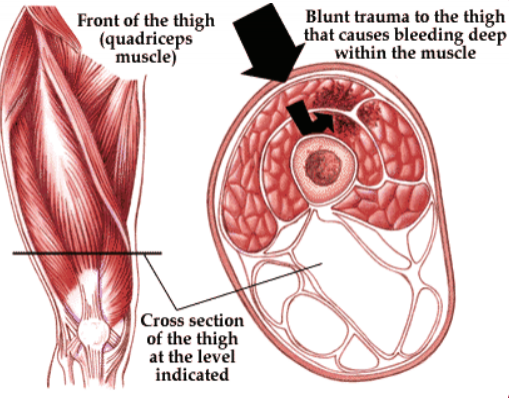
Muscle contusions or “corks” can occur from a direct blow to the muscle which is common in contact sports. The compressive forces on the muscle causes damage and bleeding within the muscle tissue. This damage can be contained within the sheath surrounding the muscle (intramuscular) or can cause tearing of the muscular sheath (intermuscular)

Intramuscular contusions

This type of contusion occurs when the sheath that surrounds the muscle tissue stays intact. The sheath is a think layer of connective tissue that encases muscles. With this intact the bleeding within the muscle often stops early due to the increase in pressure within the sheath, however this increase in pressure will drastically reduce the function of that muscle. As the bleeding is confined within the muscle, there may be little or no bruising. Stretching or contraction of the muscle will be quite painful and full recovery can 1-4 weeks depending on the extent of damage of the muscle tissue.

Intermuscular

This occurs when the sheath surrounding the muscle tears allowing the blood and swelling to escape the muscle. Because of this it may take longer for the bleeding to stop, especially if there isn’t ice or compression applied soon after injury. Even though there may be extensive bruising, this type of contusion often resolves faster as the bleeding can be flushed away more easily.

Signs and symptoms

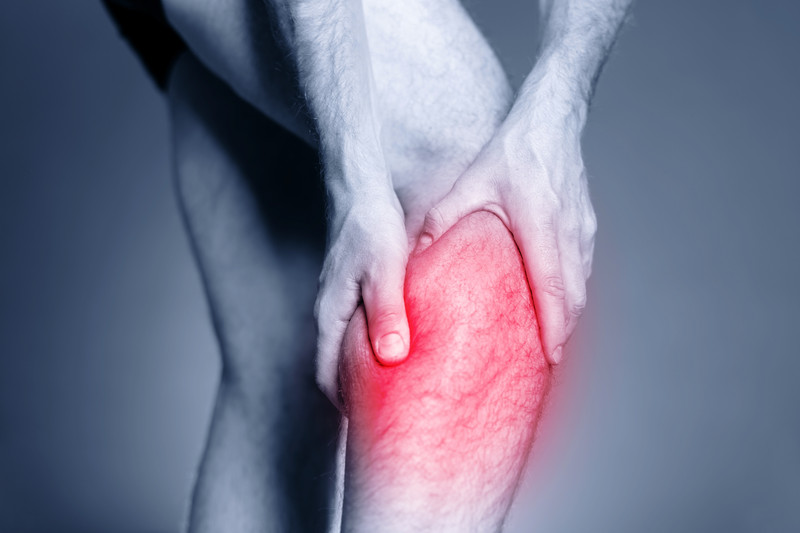
  • Pain as a result of a direct blow to muscle
  • May be swelling or bruising
  • Pain with stretching
  • Painful muscle contraction
  • Pain to palpate or apply pressure to the injured site

Initial management

Firstly seek professional advice as soon as able. This is necessary to rule out fracture of underlying bone and help guide you through recovery. As soon as possible after injury it is recommended to ice the muscle in a stretched position (as much stretch as pain allows). This will help stop bleeding and minimise the swelling within the muscle. For the first 24-72 hours post injury be sure to ice every 1-2 hours for 20 minutes if possible. Using compression garments or bandages as well as elevating will also help to minimise swelling. Relative rest is also important, meaning taking it easy performing your daily activities while respecting the pain. Complete rest is not advised as some gentle movement can help flush the swelling out of the muscle tissue. In this phase it is important to NOT drink alcohol, massage the area heavily or try to “run it off” as all of these will increase the swelling and trauma to the injured tissue.

Continued management

After 48-72 hours it is important to start to use the muscle gently. Swimming, cycling, walking and isometric contractions are best to start with. Again at this stage activity should be within painful limitations, however it is ok to push into some discomfort. Heat and massage may also be used following 72 hours.

Prognosis

Recovery is individual and should be guided by pain when gradually returning to full training. Generally intramuscular contusions have a worse prognosis than intermuscular. Research has shown that the recovery following quadricep (thigh muscle) contusions are as follows:

Mild Injuries – at 24hrs post injury able to bend knee >90 degrees = 13 days

Moderate Injuries – 24hrs post injury able to bend knee 45-90 degrees = 19 days

Severe Injuries – at 24hrs post injury able to bend knee <45 degrees = 21 days

Complications

If mismanaged a muscle contusion can result in myositis ossificans. This is the result of the body accidentally laying down bone building cells within the muscle tissue.  After approximately 2 weeks there may be a tender palpable firm lump which can be visible on XRay. This formation of immature bone will have a detrimental effect on muscle function. Generally treated conservatively, over time the body will resorb the bony tissue, if this doesn’t occur surgical removal may be required.

If you have sustained a muscle Contusion injury and need specific management advice to get you back to Sport asap, come and discuss with one of our helpful Physio’s – phone 07 5500 6470 or Book Online for an appointment

Follow our APA Titled Sports Physio, Britt Caling’s, Journey at the Commonwealth Games

My Blog as part of the Australian Commonwealth Games Team

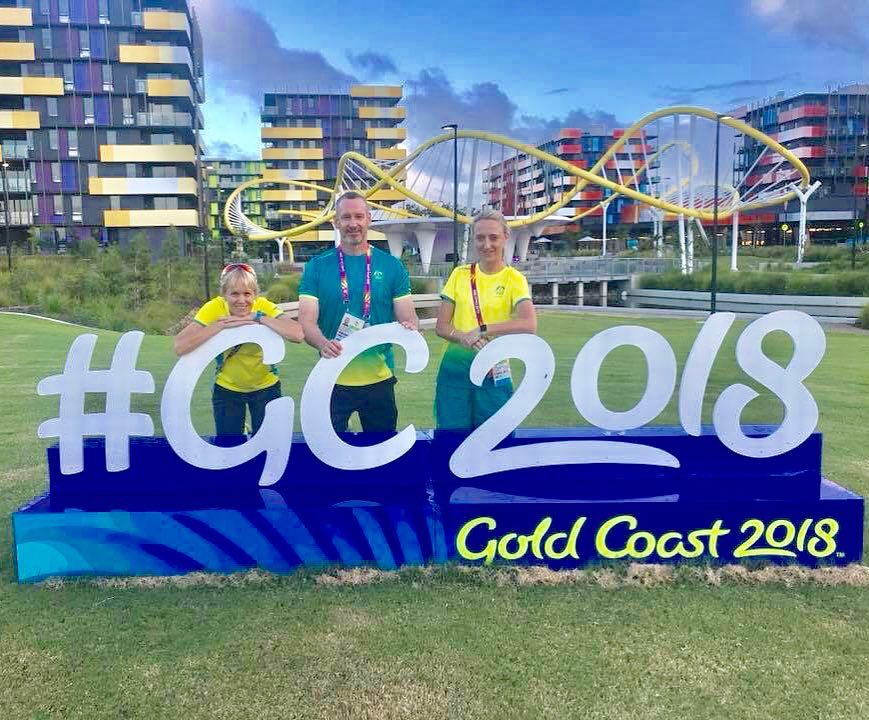
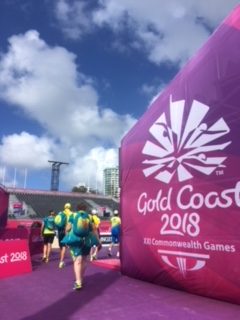
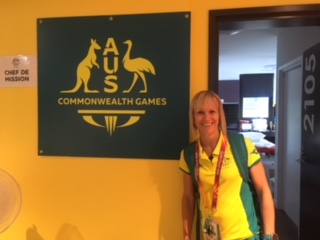
I entered the Gold Coast 2018 Commonwealth Games Village as part of the Australian Team on sunday 25th March on first formal day that the Village opened to athletes and staff.

I am appointed as one of 5 Sports Physios to the Australian Team Medical Headquarters. This means I am a sports Physio working across the whole Aussie Team, with specific allocation to cover Triathlon and Beach Volleyball.

Read More here

My Australian Team Commonwealth Games Journey

My Australian Team Commonwealth Games Journey

Monday 9th March, 2018

Wow- What a week! My posts have been few and far between over this last week purely due to how busy I have been in covering Physio for the Aussie Team. Here is a summary of my week from Inside the Australian Team:

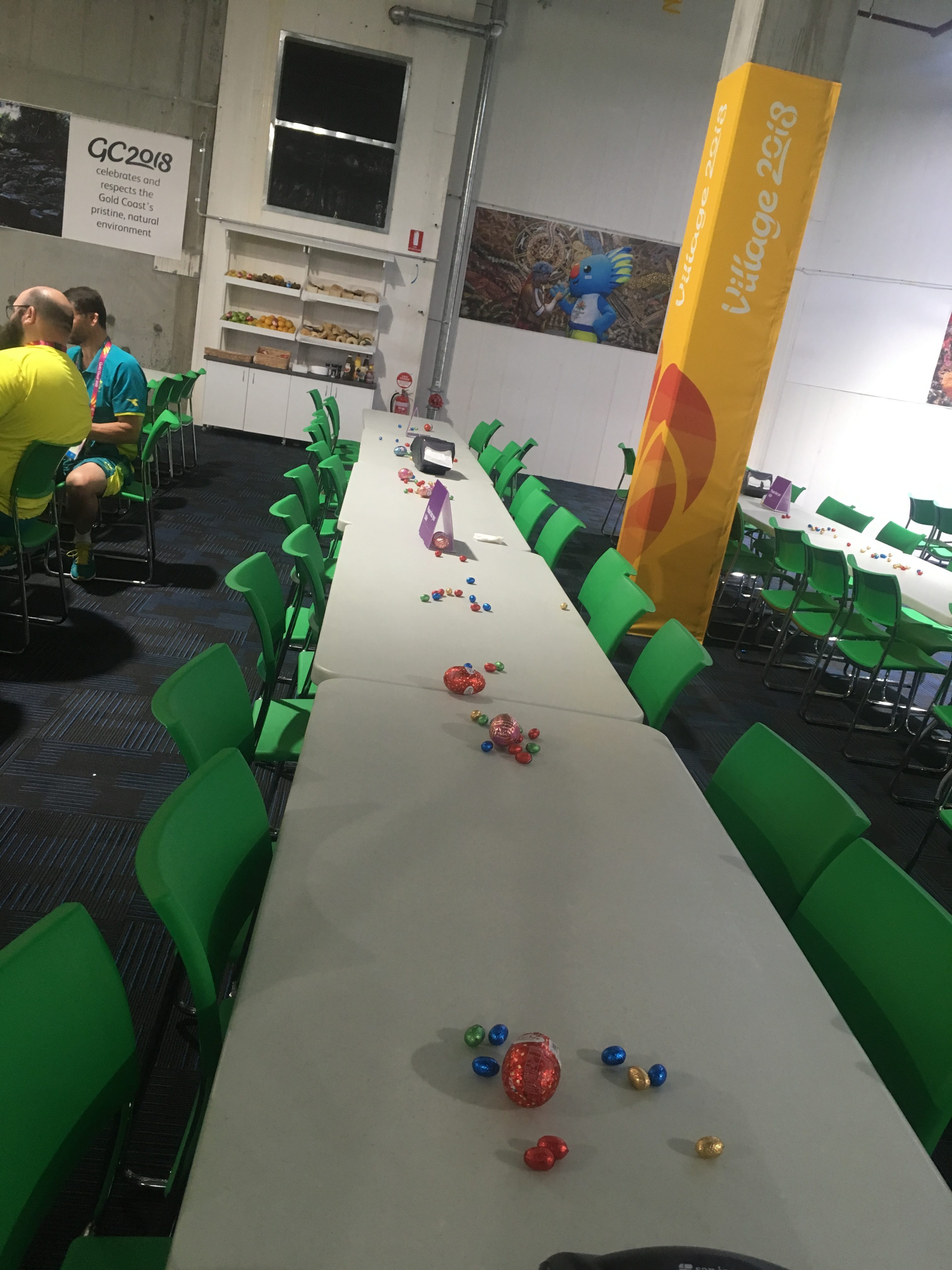
Easter Eggs in the dining hallSunday 1st – Easter! Celebrated with a visit from the Easter Bunny to the dinning hall and hundreds of Easter eggs left across all the tables so no-one would miss out. Thanks Easter Bunny!

Monday 2nd- our Aussie Triathletes entered the Village and with my 2 specific allocated sports being Triathlon and Beach Volleyball, they kept me busy on a daily basis. Having worked with Triathlon Australia and the able-bodied athletes leading in to Comm Games, plus regularly treating paratriathlete Nic Beveridge in clinic, I have a real familiarity with these athletes and find them exceptionally professional to work with.

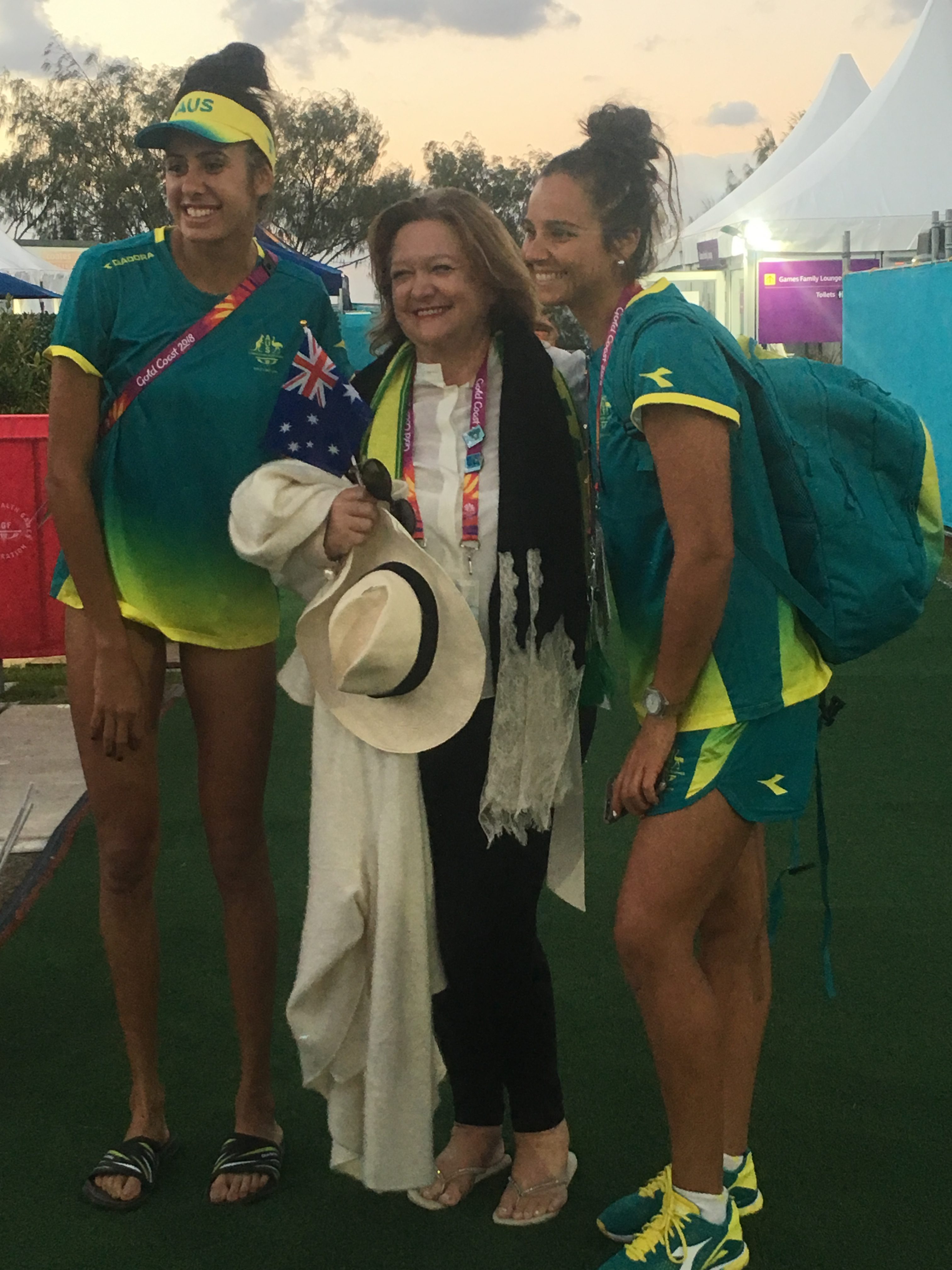
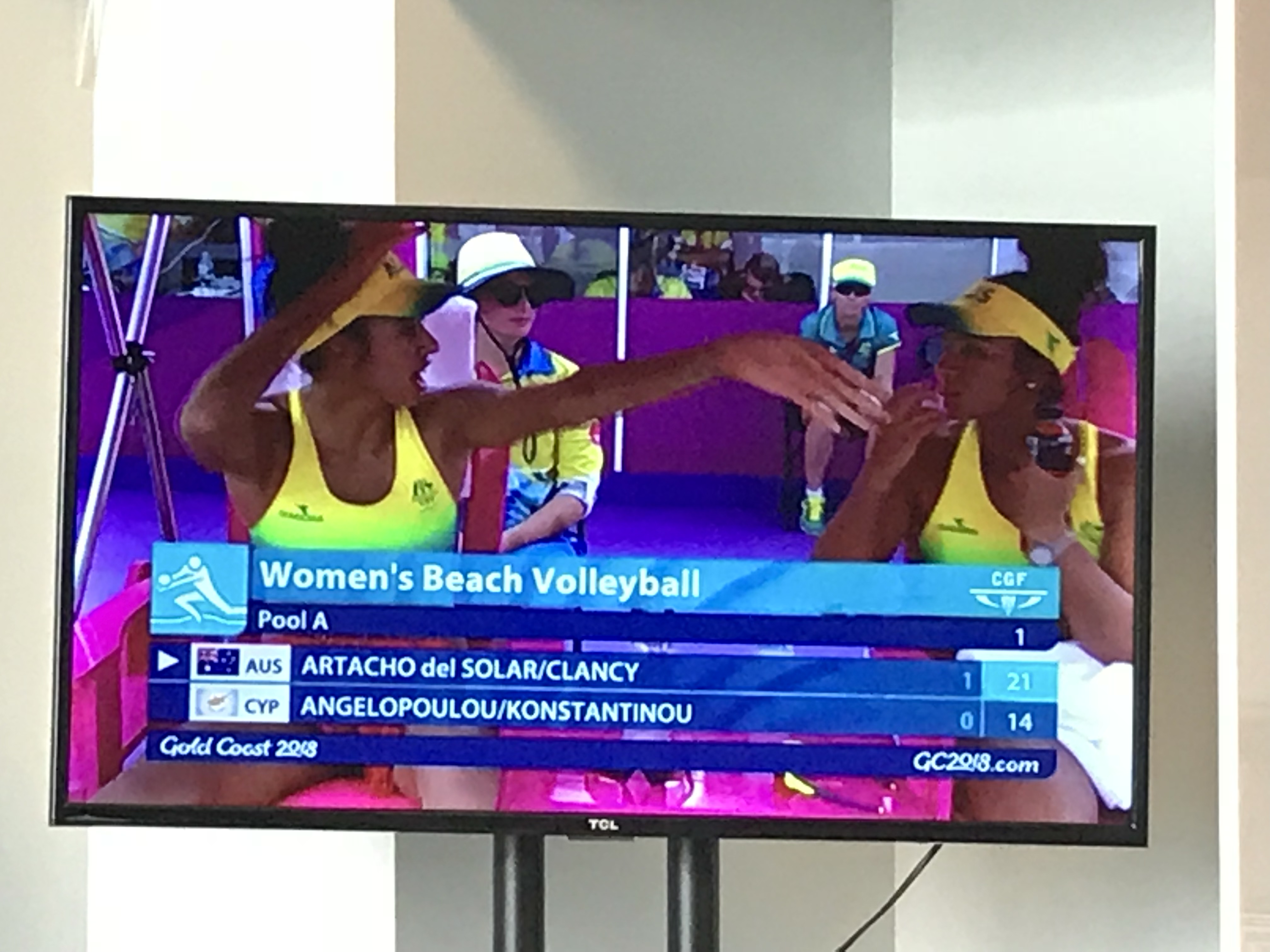
Adding these triathletes to the 4 Beach Volleyball athletes (2 women: the talented Taliqua Clancy & hard-worker Mariafe Artacho Del Solar; & 2 men: the experienced Chris McHugh and powerful Damien Schumann) kept me busy with treatments for a few days leading into the first Medal of the Games in the womens triathlon on Thursday.


BUT, there were a couple of very special events for me prior to the first competition: 

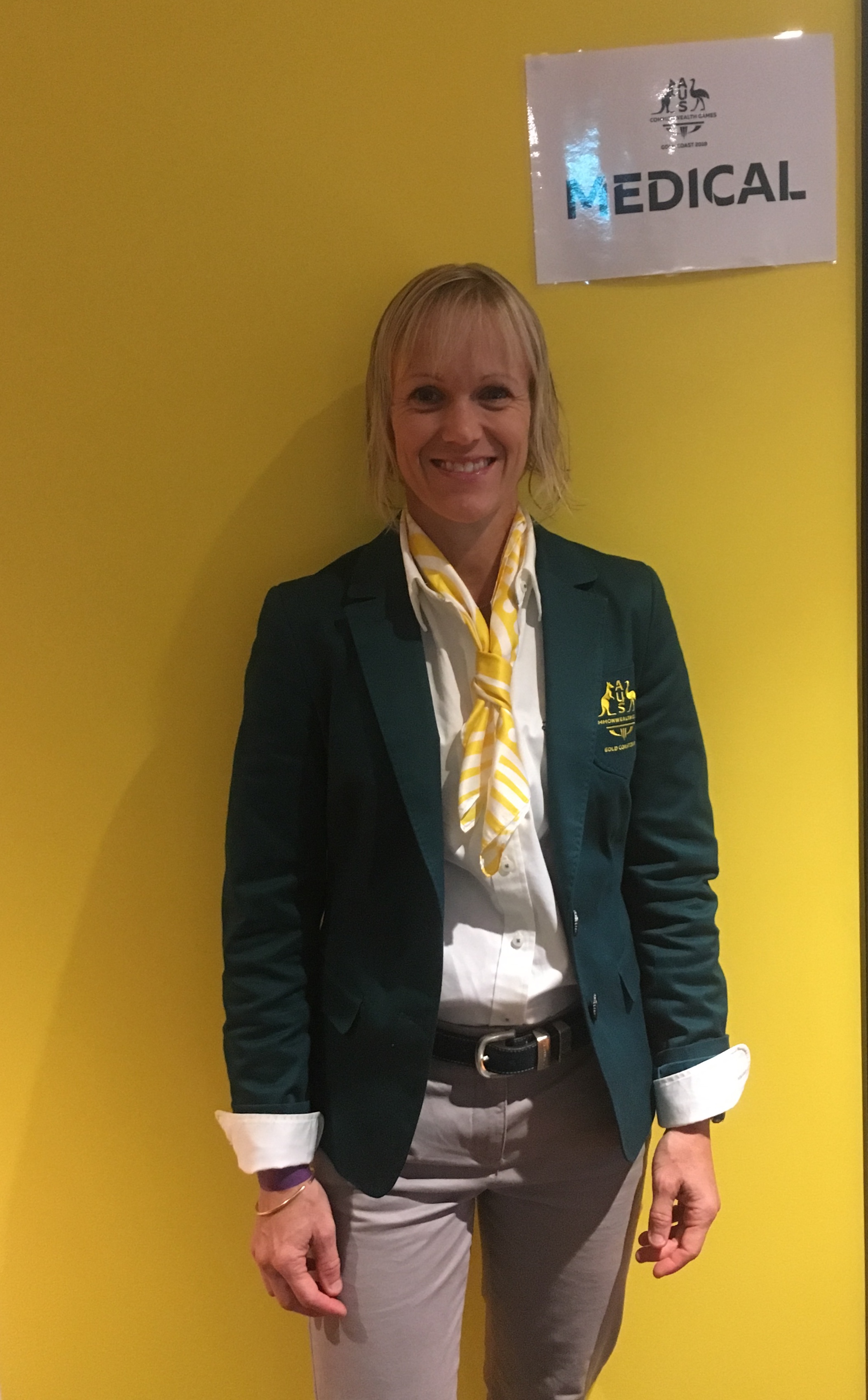
Britt Caling in formal Team Wear

Monday afternoon, the Australian Team dressed up for our official games Welcoming Ceremony. This ceremony consisted of a Welcome from the Village Mayors and a special Aboriginal Dance performance and a chance for the whole team to mingle.

We were then required to change into full formal uniform and we were transported to The Star for a special Australian Team evening where the flag-bearer was announced. For me, the most special part of this evening was that all athletes were taken into the venue room first, delivered their motivational message in poem and then all staff and officials entered the room to a standing ovation as a Thank You from the athletes. This acknowledgement from the athletes is actually one of the most memorable moments of my career, and 2 moments were especially highlighted in this moment for me- that is, seeing the acknowledgement from the athlete I have the longest professional relationship with, in Sally Pearson for 14yrs working together, and then seeing the youngest athletes I now work with who have just made their first major

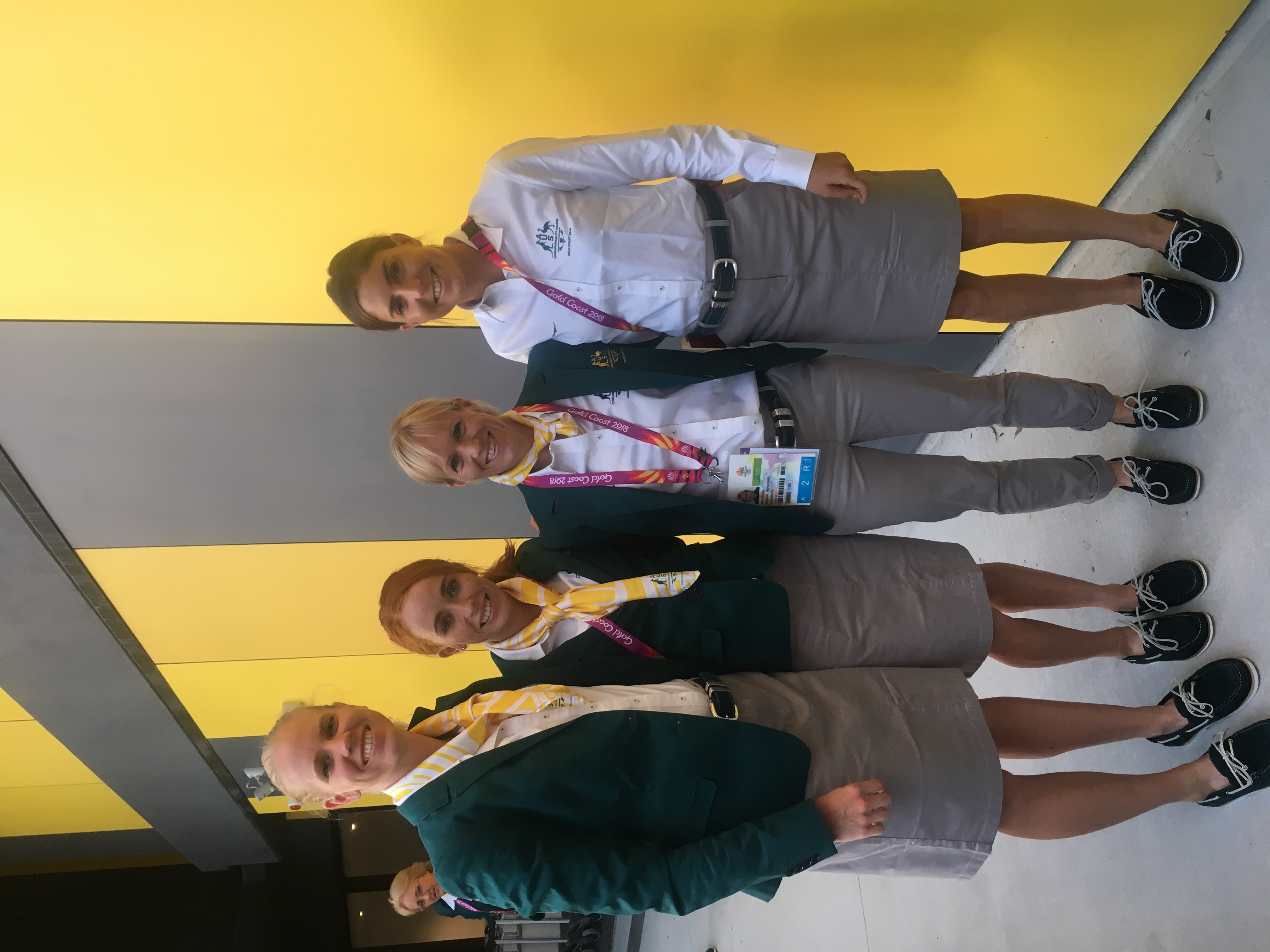
Britt with the Aus Triathlon Women

International Australian Team in both Elijah Winnington (a 17yo swimmer) & Matt Hauser (a 20yo triathete).

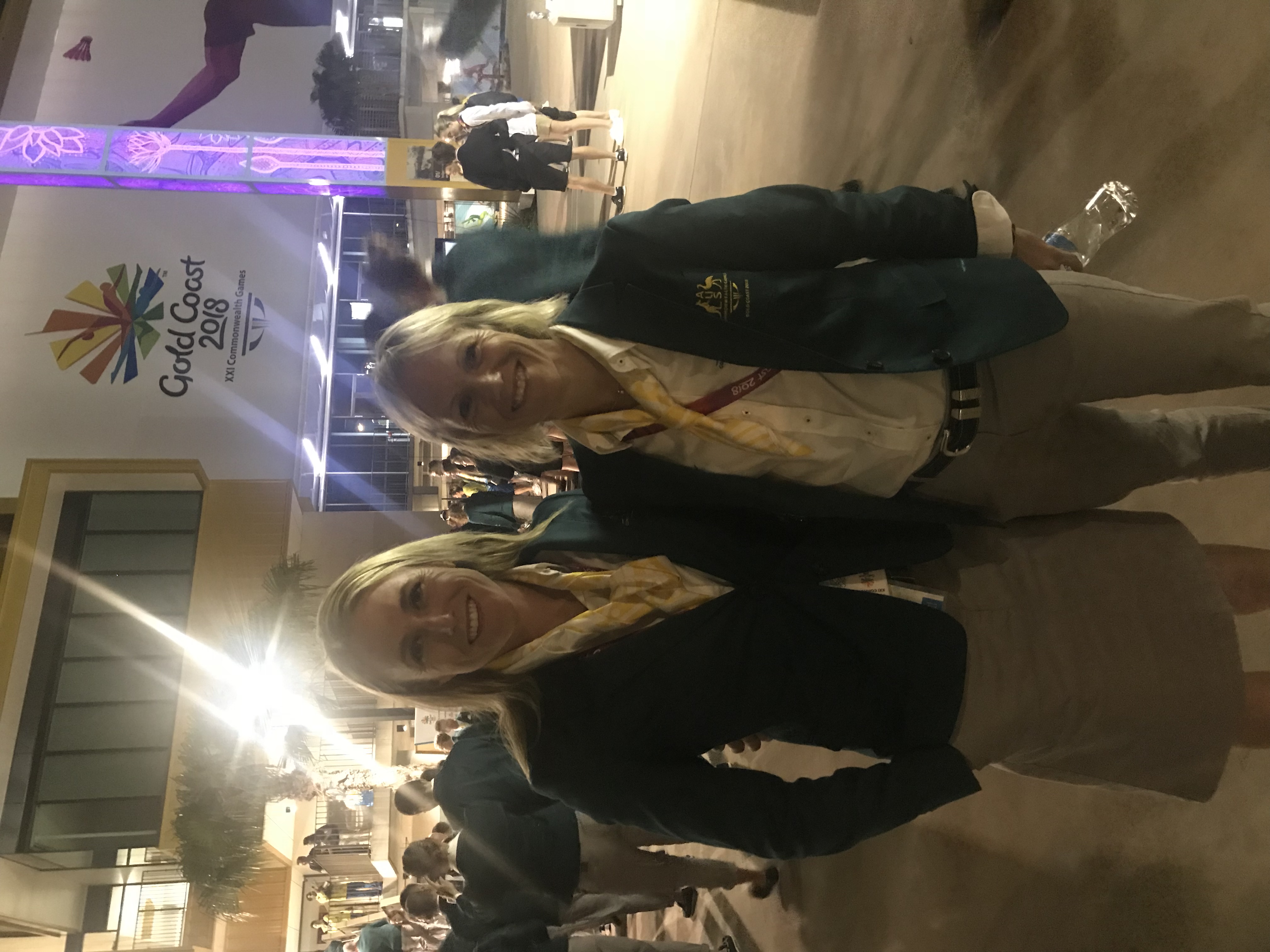
Britt with Sally Pearson before walking into the Opening Ceremony

Wednesday the 4th – Opening Ceremony Night. wow! Another amazing experience to be part of where the memories will last forever. What more can I say!

Thursday the 5th – Was a mixed bag of emotions with the First Medal of the games being handed to Womens Triathlon. Flora Duffy of Bermuda (world number 1) outclassed our aussie girls with Ash Gentle finishing 5th as our best-place. Jake Birthwhistle then eased the disappointment by winning Silver in the mens race in an awesome show of running performance. Matt Hauser (having just had his 20th B’day in the Village and representing Aus in his first senior team) ran into 4th in an exceptional effort.Matt’s 4th place is a special moment for me having seen him deal with injury at the end of last year, and seeing closely how maturely he has gone about his preparation for such a big event. Pleasure to work with you Matt!

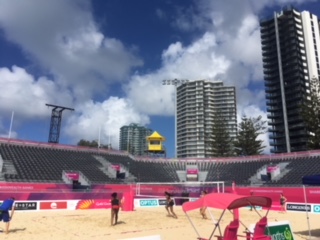
Beach Volleyball arena

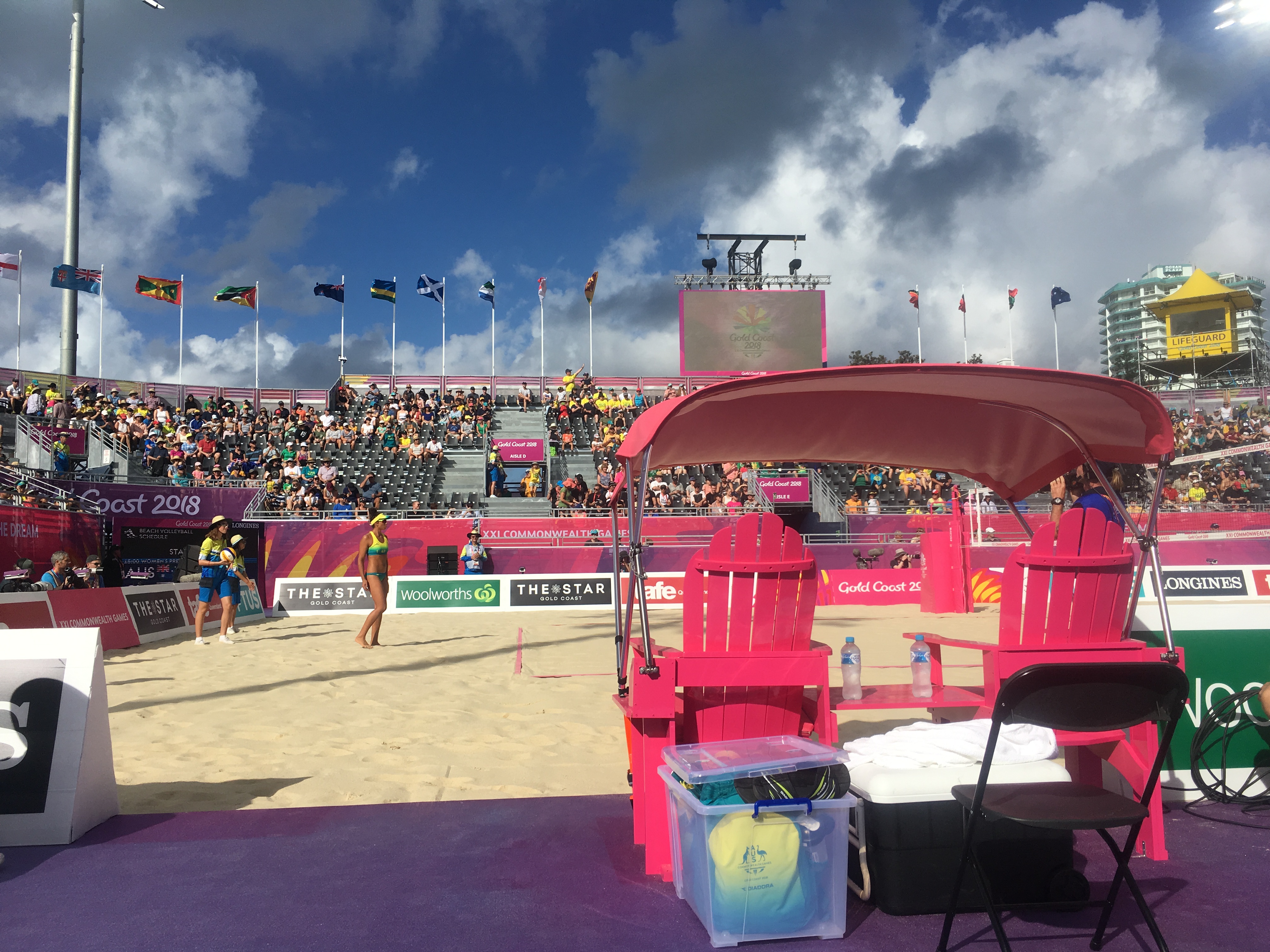
My view of the Beach Volleyball game

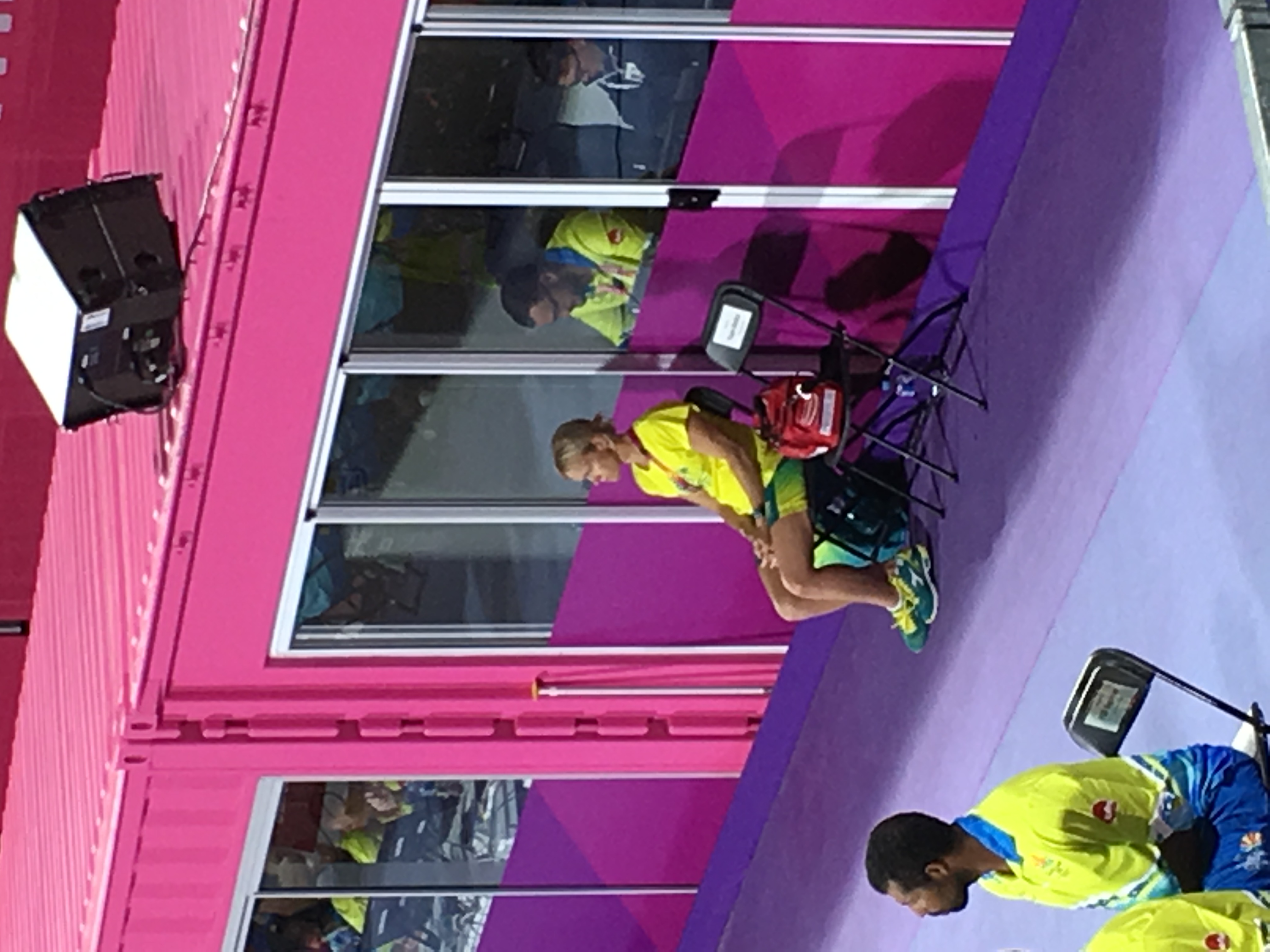
Thursday afternoon saw the start of the Beach Volleyball competition at Coolangatta. If you ever have the chance to watch elite BV competition, DO IT! The atmosphere is exciting with dancing and crowd engagement and the Venues are always intimate so you are super close to the action. Covering our mens and womens teams means I have prime seat directly behind the players bench on field. Leading into competition our women are one of the hot favourites for gold but they will have to work for it. They are very self-sufficient athletes to work with and so far I am thoroughly enjoying the challenge.

my seat at the BV. Working hard.

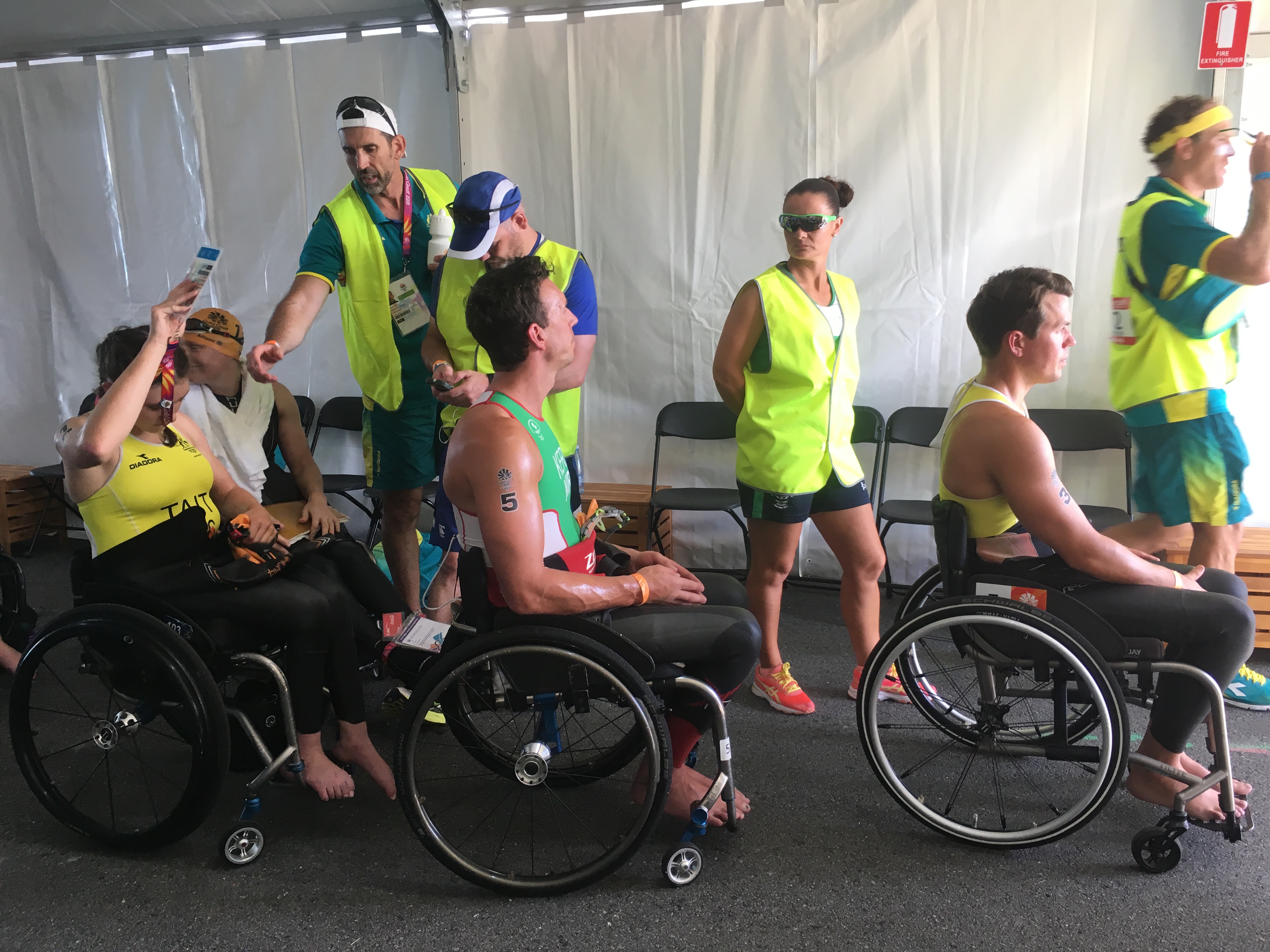
Saturday 7th – Saw me covering the Paratriathlon and Triathlon Mixed Team Relay. Having worked closely with Nic Beveridge and Bill Chaffey as locals in the Paratri, it was great to see Paratriathlon showcased to the world. The GC Commonwealth Games inclusion of the parasports has been a BIG positive to our games, and even better was seeing Nic finish with a silver medal, and Bill with bronze. Nic deserves credit as one of the hardest working athletes, while also managing the additional challenges of being a para-athlete, so I’m so proud to be part of his team.

behind the start-line at the paratri

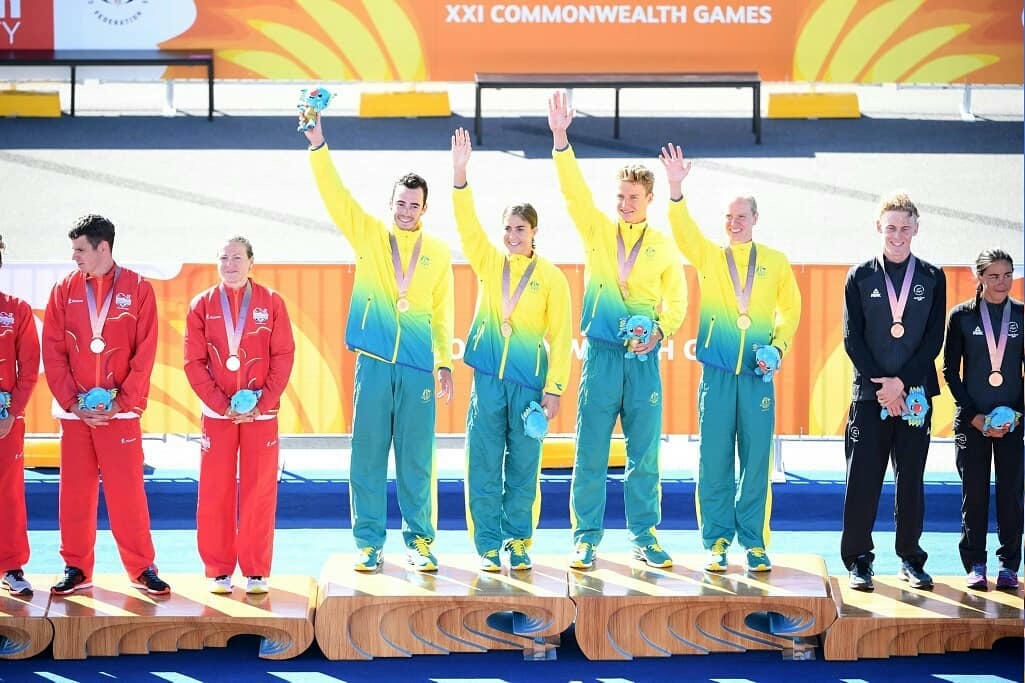
Then came the exciting Triathlon mixed team relay which I think is a super exciting progression for the sport of Triathlon. The mixed team relay sees 2 males and 2 females alternate doing a full mini-tri each (250m swim, 7km ride, 1500m run) and tag-team each other. This format has been accepted for Tokyo Olympics and as current World Champions in this event, all Aussie triathletes were watching in support and anticipation. Each Aussie team member in Gillian Backhouse, Matt Hauser, Ash Gentle and Jake Birtwhistle precisely did their job in the team and it paid off with a GOLD!

What an absolute buzz to have contributed my small part to the team over the past 2 months and then on race day!

check out whos in the background

But my work for the day wasnt finished as I then zipped down to coolangatta to cover womens beach volleyball again. With a win from these girls, I felt a sense of pride finally getting to bed that night. Job complete with Tri and BV to support into the following week of finals.

Go the Aussies!


Saturday 31st March, 2018

The last 2 days have been exciting with some visits to Competition Venues.  Part of my role in Australian Team HQ Medical is viewing the venues where we need to provide Physio and Doctor coverage so we know where we will be located, what facilities are present at the venue and where the medical supplies & areas are should we need to use them.  This is always an interesting role for us to do & a great opportunity to see some venues.

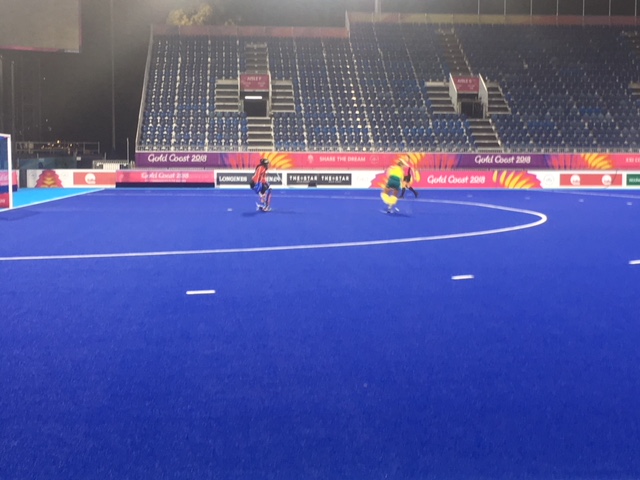
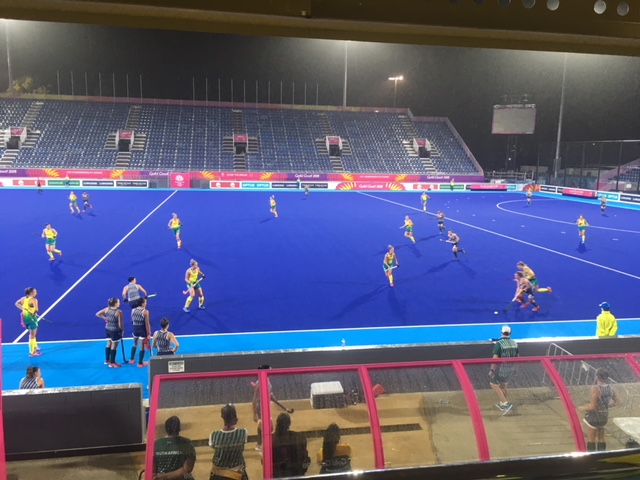
Friday night the Australian Women Hockeyroos played South Africa in a friendly trial match at the new Gold Coast Hockey Centre. It is a beautiful new artificial turf and building that will be a big asset to the GC in the legacy of the Commonwealth Games.


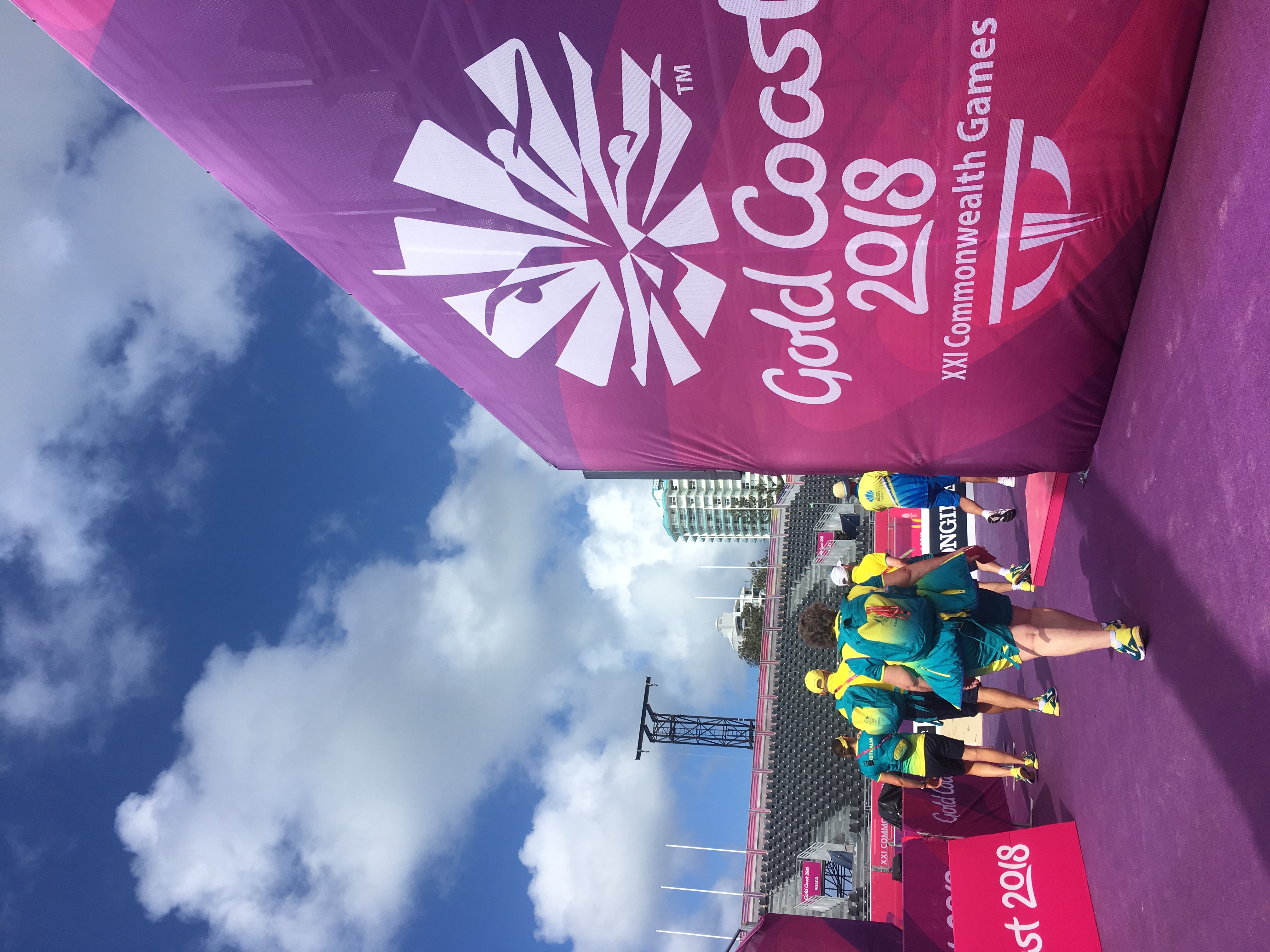
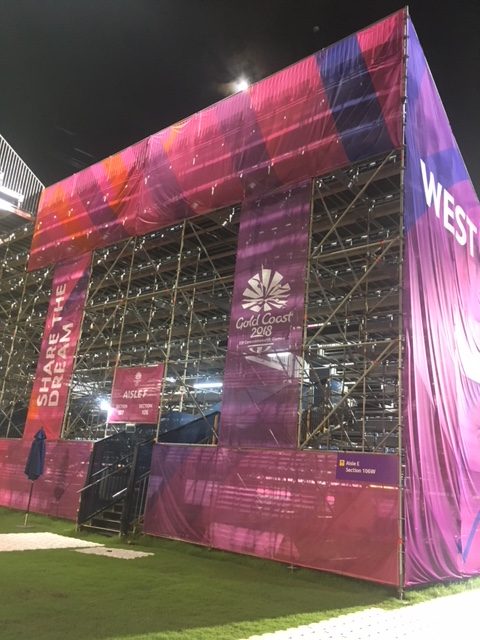
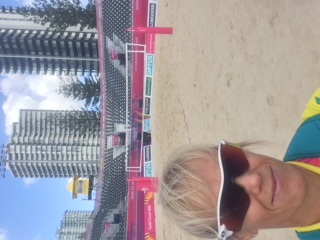
Saturday I had the pleasure of visiting the Beach Volleyball stadium at Coolangatta – again another very well planned venue where I will likely be covering our Australian Team games throughout the tournament (a word for BV ticket-holders: if we manage to see our great gold coast sun come out and weather during the games is sunny, bring your sun cream and hat as it will be hot in the stands with no shade for sure.!). The seating is so close to the action and the Beach Volleyball is known for its music and entertainment, so it sure is a great spectacle to watch.


Here’s some interesting trivia about the Beach Volleyball- the sand for the courts has been brought in from north Brisbane as our GC beach sand is too fine and, should it rain, our beach sand absorbs too much water. The BV courts are a layer of sand, then essentially a grass court with drains and then the match sand is placed on the top so that water can drain through it at 150mm per hour, therefore not affecting the athletes ability to move across the court no matter what the conditions. The things we learn!!

In a little of my down time today, I managed to go to the Hair Salon located within the village and get that illusive haircut that I rarely have time to do in my usual week (especially when working with teams leading in to such big events). But, shhh, don’t tell my usual hair stylist, Tamlyn that I have been unfaithful to her!  Its nice to feel fresh with a nice haircut though.

Tonight we have a Headquarters staff dinner, before we begin to get super busy now that most sports have entered the village – Swimming came in today and Athletics are expected tomorrow. My beloved Triathlon Team start arriving late sunday night, and most arrive monday. The Village is starting to buzz with a definate air of excitement. I can’t wait to see what the next couple of days present. Cheers for now, Britt

Thursday 29th March, 2018

I entered the Gold Coast 2018 Commonwealth Games Village as part of the Australian Team on sunday 25th March on first formal day that the Village opened to athletes and staff.

I am appointed as one of 5 Sports Physios to the Australian Team Medical Headquarters. This means I am a sports Physio working across the whole Aussie Team, with specific allocation to cover Triathlon and Beach Volleyball.

ON entering the Village, it was great to NOT be jet-lagged.

As Aussies, travelling to Europe/ America or South America is a challenge to overcome both the length of time travelling and the time change, so this experience so far has been easy to cope with.
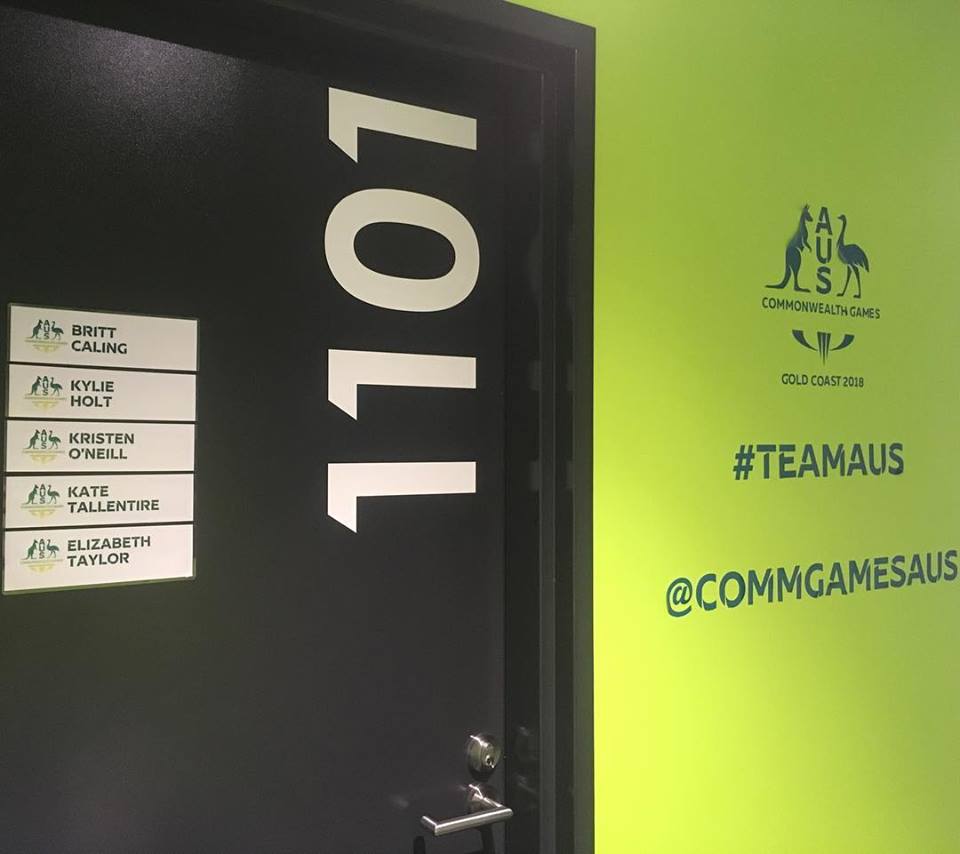
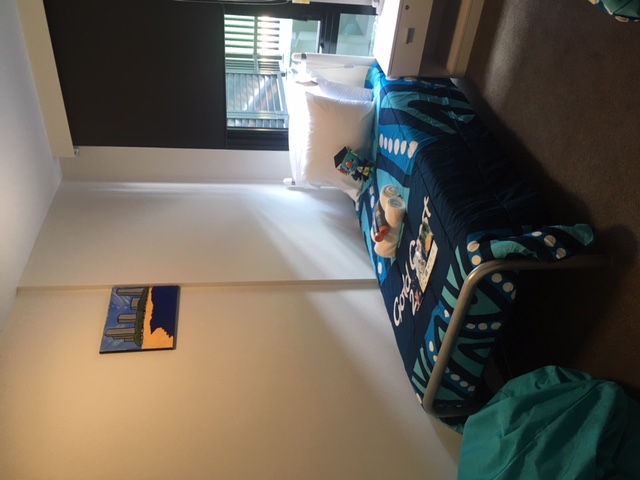
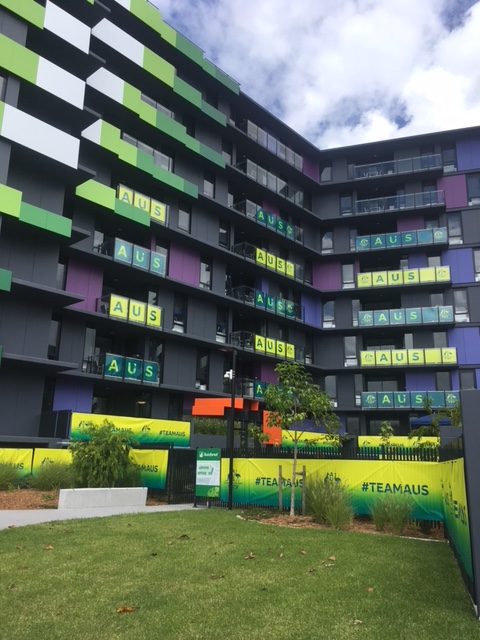
The Village is well designed and so far has been a great experience. At I write this on Thursday 29th, around 1/3 of the Aussie Team athletes have arrived in the Village, with Weightlifting, Boxing, Hockey, Gymnastics, Cycling and Shooting having been formally accredited.

The Headquarters Medical Team consists of an amazing group of Medico’s and Therapists from around the Country: 5 Sports Physicians led by Dr Grace Bryant, 5 Sports Physio’s led by Steve Hawkins , 7 Soft Tissue Therapists, 2 Recovery Specialists, 1 Deititian, 2 Sports Psychologists and our amazing admin lady who works the hardest out of all of us making sure athletes have the correct bookings when they need it.

My apartments is 3 bedroom, with 2 single beds in each room and I am sharing with Liz from Operations – we are both mums of relatively young children so that helps me cope with being away for the 3wks from my beautiful family when I know other mums are experiencing the same emotions.

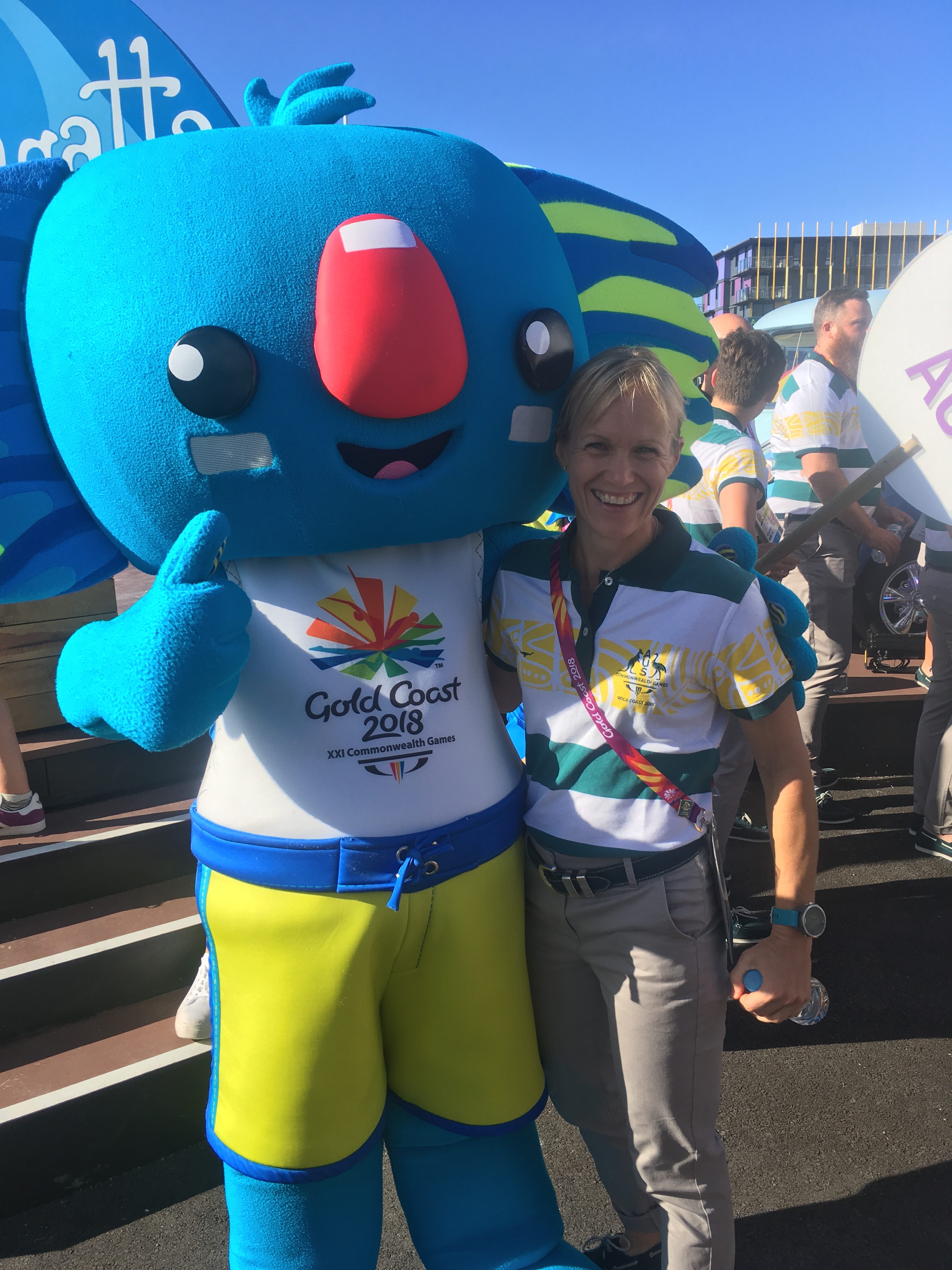
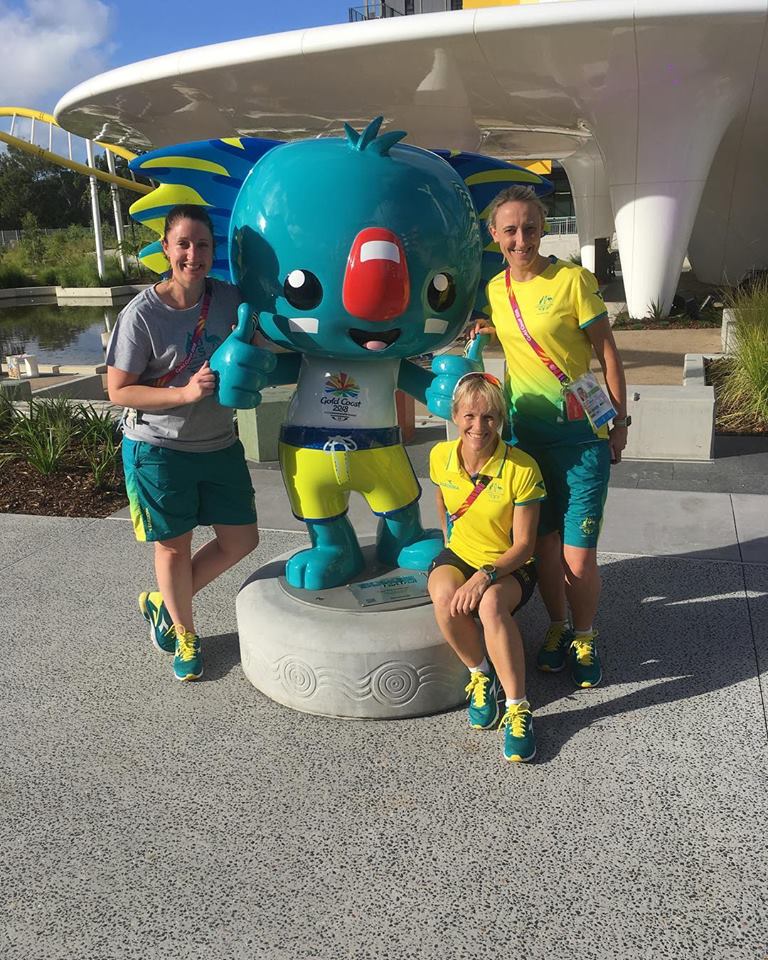
On arriving in our rooms we were greeted with a nice little gift in a toy Borobi mascot plus a few other goodies. Boorbi was quickly claimed by my eldest daughter, Summa!  Compared to Rio Olympics, settling in here on the Gold Coast has been LOADS easier.

The Aussie Team as the home Games Team had first preference on our location in the Village, so we have prime space and Team Ops have decorated our building so it is unmistakably AUS!

As expected by those who know me, I have already visited the Village Gym on a number of occasions. The gym is set-up with Technogym equipment and is a busy place for sure! It is also the most amazing place to do some ‘people watching’ as seeing the athletes complete their gym sessions is often hard to be believed for us mere mortals.  The good athletes make difficult tasks look very easy, and as a Sports Physio, it is a pleasure to watch this level of physical ability.  Bring on the next week!

Cheers for now, Britt Caling


Loading...