13/345 Southport-Nerang Rd, Ashmore Q 4214
12/110 Kortum Drive, Burleigh Heads Q 4220

What Injuries to Expect during Kokoda Challenge Gold Coast 96km, 48km events

What Injuries to Expect during Kokoda Challenge Gold Coast 96km, 48km events

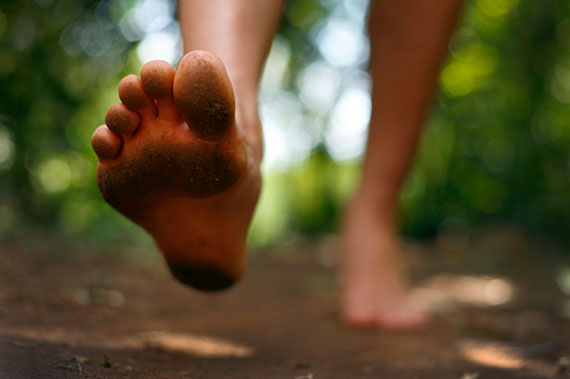
Plantar/bottom of foot pain

What causes bottom of foot pain?

Pain underneath your foot occurs when we have placed too much load through the tissues under our foot. A number of factors can cause this to occur when training for an event like the Kokoda Challenge:

– Sudden increase in training volume
– Changes in training pace or rapid addition of steep hills
– A change from rear foot to forefoot foot strike
– A recent change in footwear

What to do if it happens?
– Tape can be effective at reducing symptoms of foot pain both during training and if occurs during events. We recommend taking good strapping tape in your pack!! See an example of taping here
– Get to the Physio asap if it happens in training for treatment, including doing calf and foot strength exercises, & we can also decide if a Podiatrist needs to check if your shoes are the best type for your foot function

How to try and prevent it?
– Monitor training load. Avoid sudden increases in total distance/amount of hills/total amount of faster speeds
– Trial new shoes on a shorter training session rather than on a very long hike/run.
– If you have had foot problems, see a Podiatrist to recommend the best shoes for your foot function
– A specific strengthening program can be used that focuses on strengthening the muscles around our foot/ankle/leg provided by your Physio.

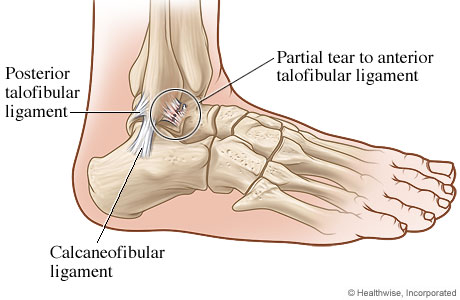
Ankle sprains

What causes ankle sprain injuries?
Ankle sprains are one of the most common injuries seen in off-road events such as the Kokoda Challenge.
– Ankle sprains are caused by a sudden inward or outward roll of the ankle joint & resultant acute injury to the ligament and other tissues of your ankle joint

What to do if it happens?
– Take note of what movement occurred at your ankle (inward or outward) & how long it took for you to walk normally on it. This info will help your Physio guide you on how quickly to return to training
– If it happens during training: ice as soon as possible after the sprain occurs, if you are unable to walk then you need to seek medical attention. Best to put your whole foot & ankle in an ice-bath plus use firm compression socks to reduce the swelling
– An accurate diagnosis is essential from a health professional so you are able to get the best advice and rehabilitation plan
– If this happens during the race, let the volunteers know at the next checkpoint as there will be physio’s on the course who will be able to assess your ankle and provide advice and recommendations for you. If its seems not too bad, try taping (again take good quality strapping tape in your pack) – here is an example of how to tape

How to try and prevent it?
– Taping can be used to give your ankle additional support & improve awareness in space to reduce the likelihood of going into extreme ranges of movement that damage the tissues. Try the taping in training before using on event day https://www.gcphysio.robicoweb.com.au/services/taping-techniques/
– Practice training on terrain similar to what you will experience during the event so your ankles get stronger and more stable and more able to cope with different positions of landing

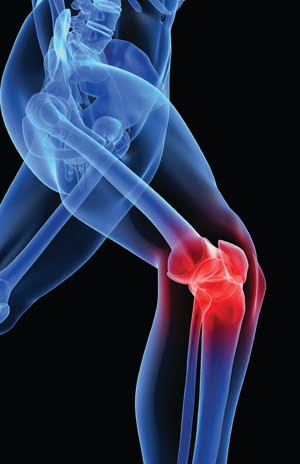
Front of knee-cap pain

What causes front of knee pain?
Pain around the front of your knee (knee-cap) is another very common place to experience pain when training on lots of hills (especially the big hills on the Kokoda Challenge course!)
Pain in this area can be caused by:
– Sudden increases in training load. This can be due to increases in the total amount of time spent training as well as an increase in the amount of hills being performed.
– Lots of uphill and downhill running/hiking without having good quadriceps muscle strength prior to starting hill training

What to do if it happens?
– Avoiding long steep uphills in training & train over flatter terrain for a while
– Often taping helps. See here for an example of how to tape 
– Take Shorter steps when walking/running uphill, or if its super severe, try walking downhill side-wards or backwards

How to try and prevent it?
– Not increasing the amount of training you are doing to quickly
– Gradually introduce hills into your training
– Strength training targeting musculature around the hip and knee prior to hill training
running physio gold coast
gold coast physio ankle sprain
Burleigh Physio Runaway Bay Physio

Finding The Source Of Your Pain

Finding The Source Of Your Pain

By Frederic Impens, senior Sports & Remedial Massage Therapist

At GCPSH, when evaluating a patient who is experiencing pain, your therapist will ask a variety of questions. One of the biggest questions we want answered is; what is the source of your pain? If a patient can attribute the onset of their symptoms to a specific activity or movement, that helps to determine what types of treatment will be the most appropriate for them.

The following are just 3 common examples of the types of activities that can cause people to experience pain:

1. Prolonged Static Positioning

Prolonged static positioning can be either sitting or standing for an extended period of time. When a period of prolonged positioning is the main driver of symptoms, we must examine your posture and ensure you are putting yourself in a position that does not lead to excessive stress in certain areas of the body. We as humans are also not meant to remain inactive or in static positions for extended periods of time.

TIP: Avoiding sitting or standing for greater than 20 minutes at a time can also go a long way in preventing pain from arising from maintaining a static position.

2. Repetitive Movements

A classic example of repetitive movement is the factory worker who must reach overhead repetitively throughout the day to raise and lower boxes off a line. Raising your arms overhead isn’t inherently bad for your shoulders, but repeatedly done without any movement variability can lead to increased stresses to the structures of the shoulder.

TIP: If this is a cause of your symptoms, you must introduce some variability to your movements as well as address the mechanics of how you lift and move to reduce abnormal stresses to the problematic joints, muscles, or tendons.

3. Particular Movements

Lastly, a person may have pain with a particular movement such as low back pain when attempting to bend backward. As GCPSH we will assess for any mobility or stability deficits that may be causing pain and dysfunction and provide manual therapy treatments and corrective exercises to allow for more efficient movement while reducing pain.

TIP: If you are experiencing pain with static posturing, repetitive movement, or with specific movements and are unable to reduce symptoms with postural corrections or by introducing movement variability, come see one of our experienced therapist at GCPSH.

Before your Physio or Remedial Massage appointment, consider what type of activities, movements, or positions often trigger your symptoms to help us make an appropriate diagnosis and come up with the most comprehensive treatment plan individualized to your needs.

Visit us for a consult today- phone 07 5500 6470, or Book Online

Massage & Your Immune System

The link between Massage therapy and your Immune System

By Massage Therapist, Paige Single

As winter and the flu season have fast approached us you may be looking for ways to improve your immune system to stay healthy this winter.

Did you know doing strenuous exercise can suppress your immune system, especially if you are on a low energy dieat? So how can massage therapy help boost your immune system back up????

Studies have shown that taking a blood test before, during and after having at least a 45min remedial massage can increase your levels of T-lymphocytes and B-Lymphocytes (these cells are also know as white blood cells and are responsible for fighting disease and infection). The research has also found that after the massage there was a decrease in the hormone cortisol (a stress hormone) and lower levels of cytokines (molecules that play a role in inflammation). Massage also causes a large decrease in Arginine Vasopressin, a hormone believed to play a role in aggressive behaviour.  Interestingly, none of the results varied by age, gender or race in the study subjects.

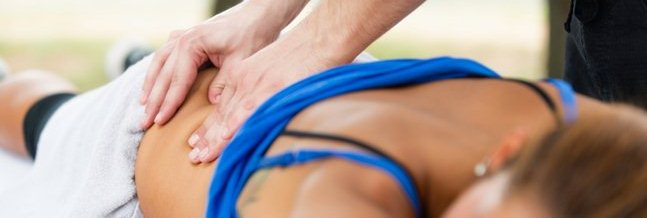
Physio Sports Physio Burleigh Labrador Runaway Bay Gold Coast Pilates MassageMassage for wellness also serves as an important immune system booster.

This being said a regular massage will help boost your immune system especially when you compete and train for sport.

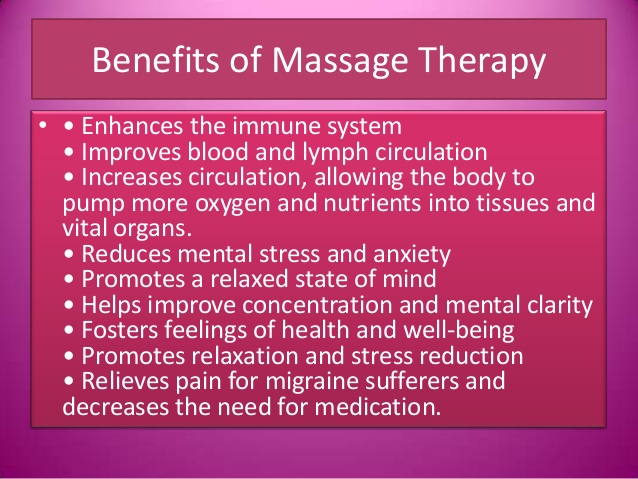
Other benefits of massage include:
– Stimulation of the lymphatic system
– Improved circulation
– Release muscle tension
– Improve range of motion
– Muscle recovery and injury management
– Reduce stress and anxiety
– Relive tension headaches
– Increase flexibility
– Improve digestion

Gold Coast Physio & Sports Health has Massage Packages for purchase that give you significantly discounted rates on Massage, click here for more information or phone 07 55 00 6470 to book (or Book Online here)

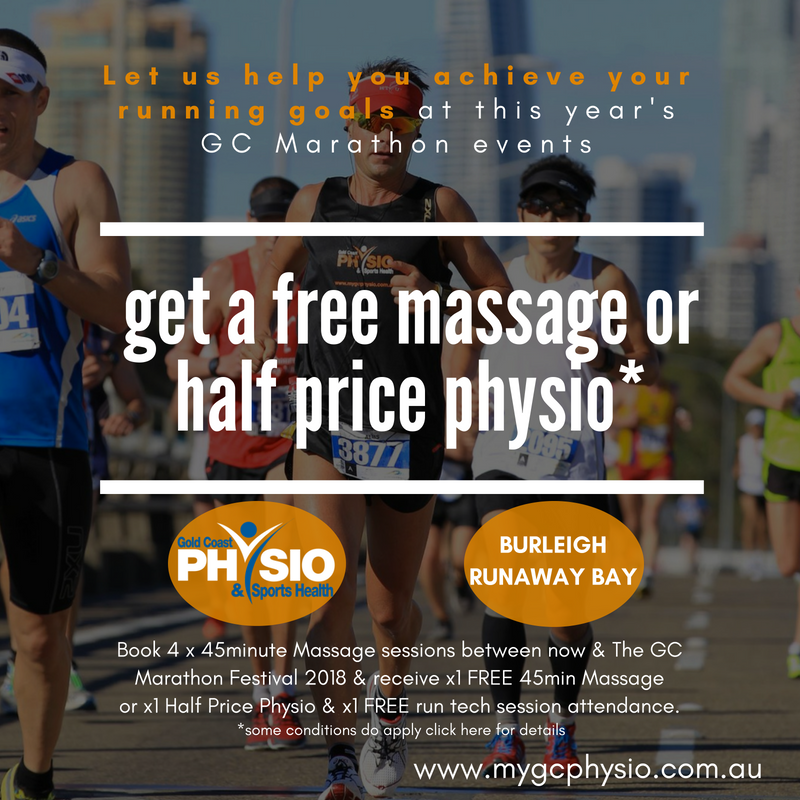
Get a FREE Massage or half-priced Physio & a FREE Run Technique Session

Running the Gold Coast Marathon Events?

Let Gold Coast Physio & Sports Health HELP YOU…

Our minimal Terms & Conditions:

  • The 4 x 45min massages must be booked before the final GC marathon event on 1st july, 2018.
  • Massages must be booked in advance but are paid for as you go, so Health Fund Rebates may be available to use as you go
  • Only applies to 45min Massages at either Burleigh or Runaway Bay clinic
  • Your Free 45min massage or half price Physio session must be used by December 2018
  • Not transferable to another client
  • FREE Run Technique Session must be taken by December 2018 and is valued at $20. See more details on sessions here
    • When attending the Run Technique Clinic, let Physio Britt Caling know you have taken the Marathon festival special offer pack
Loading...