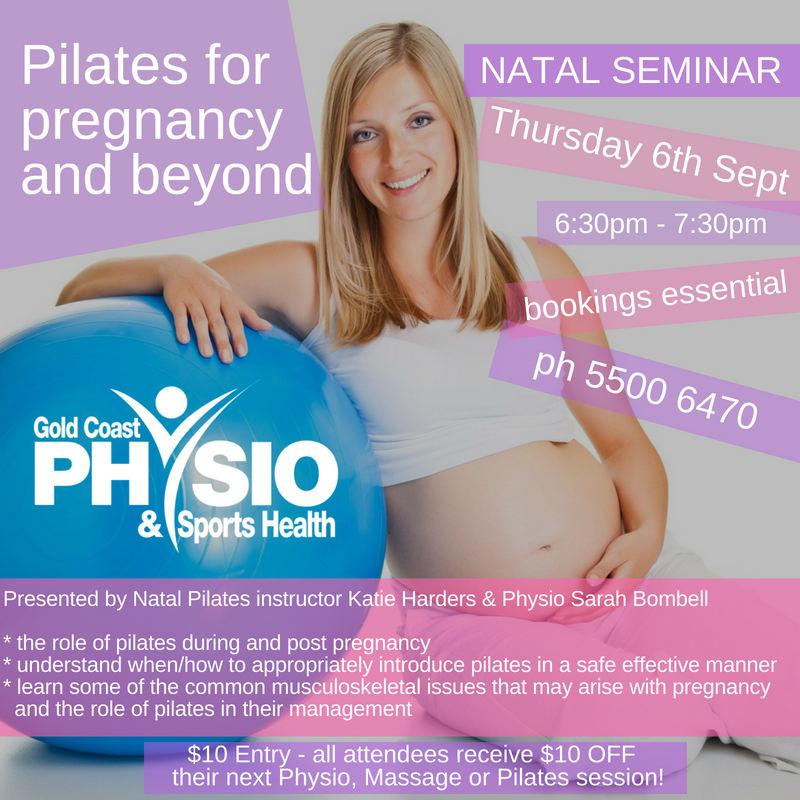
A Pregnancy Pilates Seminar
Join us at Gold Coast Physio & Sports Health for an info session about Pilates for Pregnancy & Beyond
13/345 Southport-Nerang Rd, Ashmore Q 4214
12/110 Kortum Drive, Burleigh Heads Q 4220

Join us at Gold Coast Physio & Sports Health for an info session about Pilates for Pregnancy & Beyond
How about dealing with peak traffic times, & some of the inconsiderate & impatient drivers now on our roads?
Are you trying to keep your child safe on a bike while still developing their cycling fitness?
Are you time-poor?
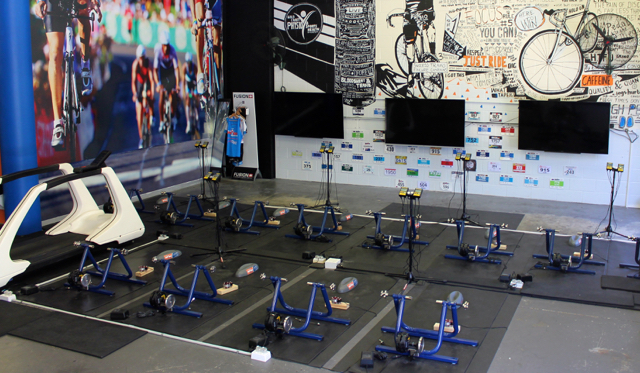
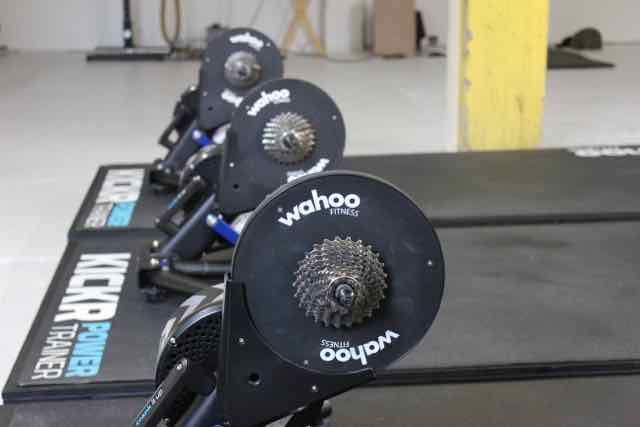
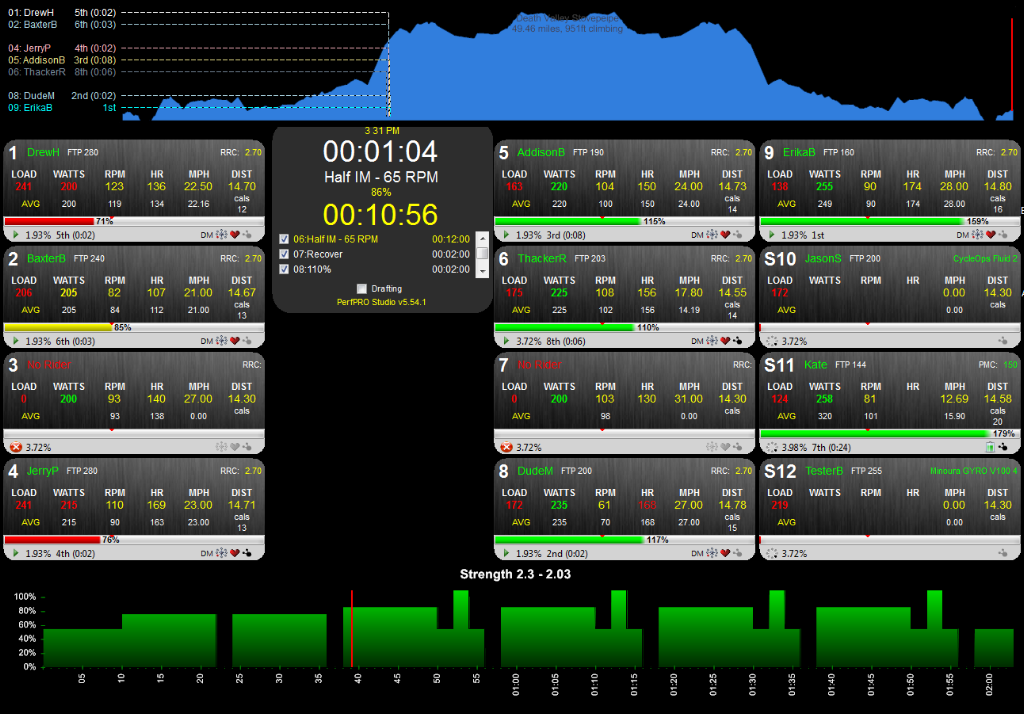
Cycle training has come a long way since the early days. There have been a number of advancements in indoor cycling trainers that are providing an effective addition to weekly training programs for everyone from endurance cyclists and triathletes to complete novices.
All the above factors influence the use of indoor cycle trainers, but there are also a number of physiological advantages to using indoor cycle training. For these reasons, many professional athletes across both cycling and triathlon have made the switch to incorporating indoor trainers as an integral part of their training regime. Canadian Triathlete Lionel Sanders was hit by a car on the road 4 times and now does almost all his bike training on an indoor trainer, & is regarded as one of the strongest bikers within Iron and Half Ironman distance Triathlon.
Professional cyclists also use indoor trainers, not only to recover from injury but to also prepare themselves for some of the hardest events on the professional calendar. Australian Mat Hayman won the 2016 Paris Roubaix by doing just that. What made his victory in the 257km event so remarkable was that he trained on an indoor trainer, sometimes up to 20 hours a week leading into the race while recovering from a broken arm sustained 6 weeks earlier. Utilising his indoor trainer daily and performing double ride sessions (morning and afternoon), his coach devised a program incorporating interval training sessions multiple blocks of 4 or 5 minute efforts with some longer, more sustained efforts built in across the other sessions.
Whilst these may be extreme examples, for us mere mortals there are many benefits to turbo trainer sessions and it is an incredibly powerful tool for the development of strength, speed, and mental toughness on the bike. By utilising specific, goal orientated and individualised structured sessions, you can quickly develop these physiological variables & improve your performance.
Turbo trainers provide constant resistance and unlike road riding, momentum doesn’t carry you on the trainer. Cycling uphill is the most comparable parallel on the road. Trainer sessions eliminate many external interference’s from road cycling as there is no stopping at intersections or traffic lights on a trainer!
Turbo sessions come down to you and your effort.
Where your mind and body go, the quality and determination of your focus, self-talk, and attention to your effort are up to you.
Trainer sessions are time efficient, enabling you to complete very high-quality sessions in one to two hours. Sessions can be tailored and designed with your specific goals in mind and can closely mimic what you would experience in a given race scenario.
Turbo sessions are hugely beneficial for triathlon, road and time trial cycling specific training, and mountain biking.
Unlike spin classes at your local gym, structured turbo sessions provide progression through training blocks allowing them to compliment your on-road training program. Variability across sessions allows your body to continually adapt to differing stimuli’s which forces your body to adapt and improve. These adaptations allow your body to be better prepared for your desired goal.
Regularly completing multiple bursts of high-intensity riding can increase VO2 max and stroke volume (the amount of blood ejected by each heart beat), reduce blood lactate levels, enhance fatigue-resistance, improve neuromuscular efficiency, and increase peak power. Some research has indicated that these increases could be up to six per cent in as little as four weeks. It’s a powerful package of physiological improvements.
One of the hardest things to do is continually measure your efforts when you are out on the road or carving through your favourite single track on the mountain bike. One of the best features of turbo trainers is their ability to provide real and immediate power and heart rate numbers. Power is the gold standard in bike training and the best way to get the most out of your training time. Monitoring your power gives you real-time information to measure your effort and see progress week to week.
One major benefit is that riding on a stationary indoor trainer, especially rollers, can be an excellent way to smooth out your pedal stroke and to help find any “dead spots” in the stroke.
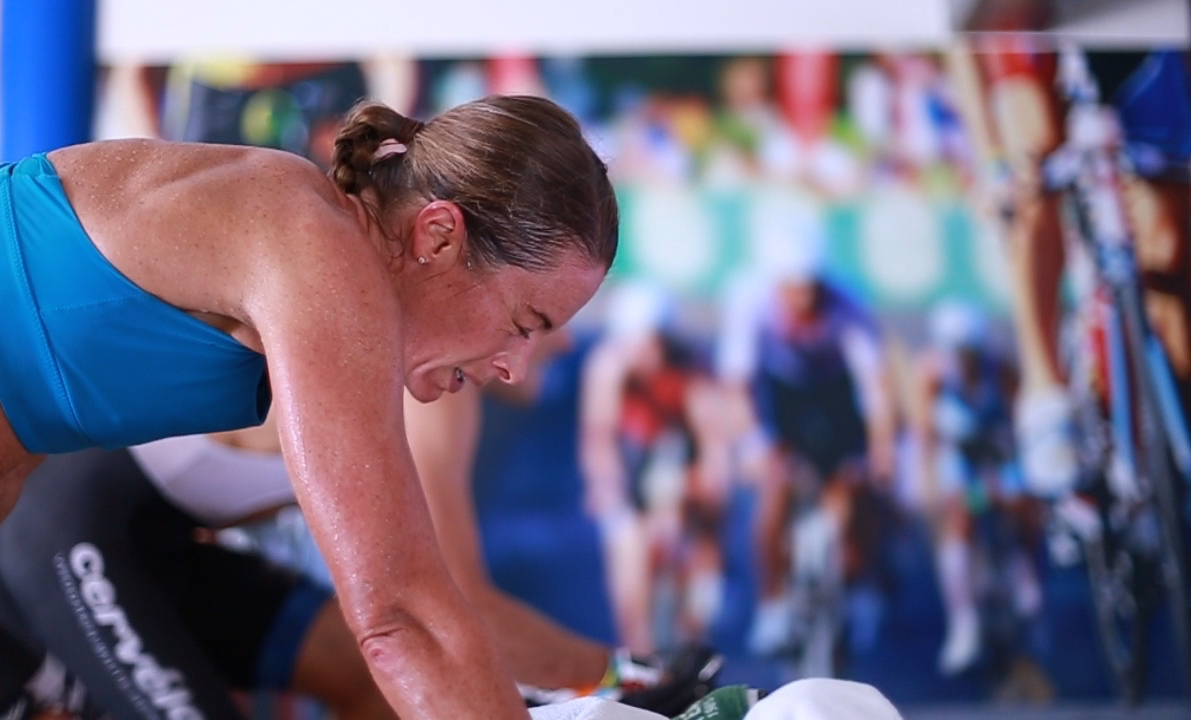
Trainer sessions tap into the development of not only your physical but also your mental strength. The constant and consistent nature supplies a constant stimulus to keep you pushing through to that next set. On the trainer you have a unique opportunity to work on mental focus and self-regulation without the typical distractions encountered on the road.
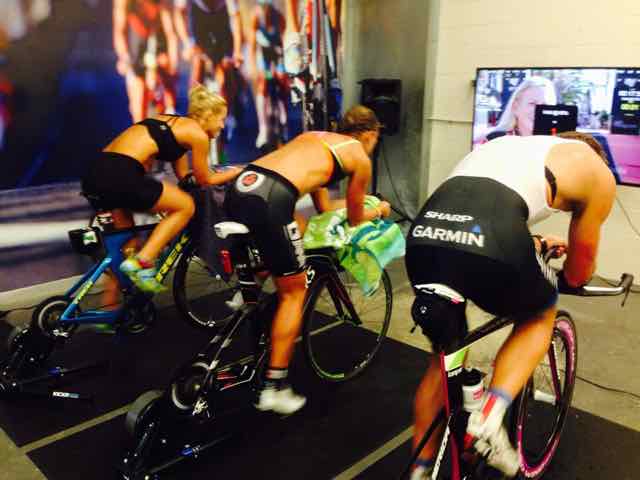
THINK YOU ARE NOT THAT COMPETITIVE?? Indoor Cycle Training can still be for you! It is also about the Group, the Coach and the Environment!
Trainer sessions can be tough. By taking them on with friends who have a similar passion, you surround yourself with that extra support and motivation to continue to strive toward your personal goals no matter how tough it may get.
BUT, the sessions don’t always have to be tough and can sometimes be about mixing with your friends in a safe and temperature controlled environment!
Turbo sessions aren’t a one size fits all.
If you think it’s time to change up your training routine and you would like to try a quality Indoor Cycle Session, visit us at the Gold Coast Cycle Studio, located at our Runaway Bay/Labrador Clinic. Phone 07 5500 647 to book in for a session. You won’t be disappointed.
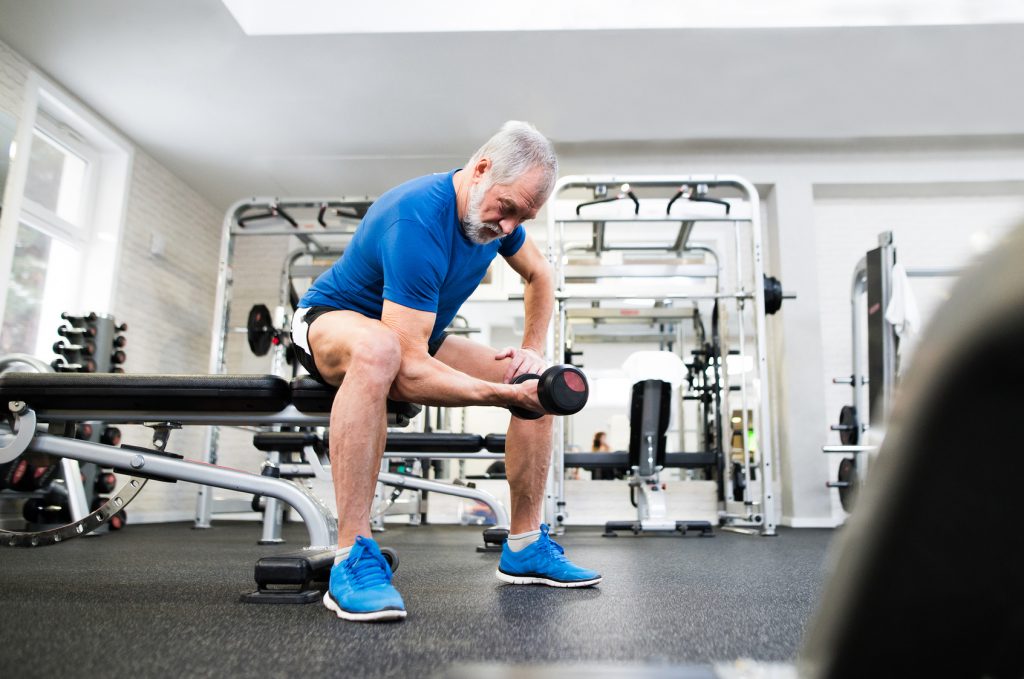
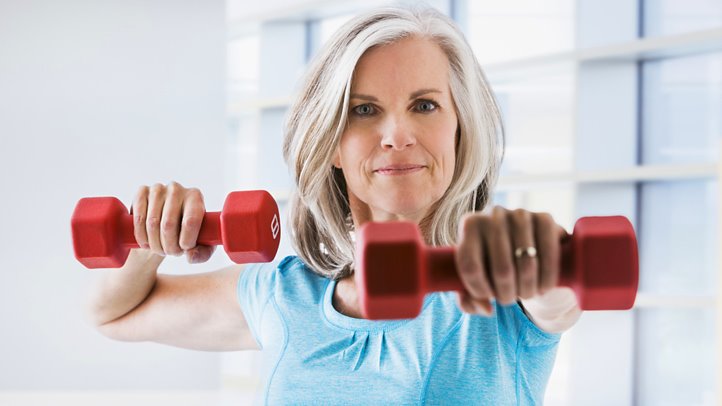
Our classes are specific to your needs, individualised to suit your goals & level, and are conducted by experienced Therapists using best practice and the latest research principles, PLUS we make them affordable to you and small group numbers (6 as a maximum)! Try one of our classes below:
with Exercise Physiologist, Kasia Fedorczyck
Let us help you in our Strength & Conditioning class, specific for Beginners that are new to weights and/or the principles of strength & conditioning, or those wanting to build confidence in the gym. The class focuses on strength and conditioning exercises to improve overall health as well as prevent or manage chronic disease.
Be guided by an Exercise Physiologist who has years to be able to specifically help you know where to start. Ask your GP about referral under the Medicare/ Enhanced Primary Care program so you have no out of pocket cost for Individualised Sessions.
with Physio, Sam McLaren or Exercise Physiologist, Kasia Fedorczyck
Ask your GP about referral under the Medicare/ Enhanced Primary Care program so you have no out of pocket cost for Individualised Sessions. Phone our Frontdesk Team for more information 07 5500 6470
FOR CLASS TIMES, CHECK OUR PILATES/ EXERCISE CLASS TIMETABLE – CLICK HERE
This class is appropriate for Pre- and Type 2 Diabetics. The class encompasses resistance and aerobic exercise to help improve blood glucose management and reduce risk of co-morbidities.
Referrals from your GP under the Medicare Type 2 Diabetes Allied Health Program are also accepted with a small out of pocket fee. Small group size so you get an individualised exercise program and help monitoring your blood glucose.
More Info Coming Soon….

From Eatsmart Nutrition
Makes 2 serves
1 ripe pear (sliced)
2/3 C Oats
1 C Milk (of your choice)
2 teaspoon of cinnamon
1 tablespoon of maple syrup
¼ C Walnuts chopped

By Eatsmart Dietitians
Did you know that Roger Federer sleeps for 11-12 hours per night? May be that’s the secret to his long career! And Usain Bolt reports that 8-10 hours sleep per night was critical for his optimal performance? Some of the world’s best athletes ensure they receive optimal sleep for recovery so what can we learn from their success strategy?
The first 3-5 hours of sleep is where our muscles recover so if you have walked, gone for a run, been to the gym or completed a training session that day then these first few hours are key to repairing the muscles you used in your session. The last 3-5 hours however are where your brain recovers, where you cement learning from the day and solidify skill development. This might be why if you only manage a few hours sleep, you physically feel ok but your brain feels foggy!
In fact, sleep is now being called a performance enhancing substance! For those of you who may have suffered from a few poor nights sleep in a row, I’m sure you can agree that actually getting even one quality nights sleep can feel like a performance enhancing drug – the world seems like a brighter, happier and more productive place!
So what can you do to improve your sleep? The latest research points to the following key points:
Protein
Enjoying an adequate protein intake in the 1-3 hours prior to bed is key to a long and restful sleep. Research shows 20-40g of good quality protein such as that from meat, chicken or fish, or dairy products or beans or tofu gives the best outcome. So if you tend to eat dinner early you may want to include a big glass of milk or a tub of yoghurt or a protein rich snack an hour or 2 before bed to encourage better shut-eye! (you will also have the added bonus of improved muscle recovery)
Tryptophan
Melatonin is our sleep hormone and signals our brain to prepare us for sleep and also wakes us up. The building blocks to this hormone include an amino acid called tryptophan. Try including more turkey, pumpkin seeds, cow’s milk and prawns to boost your tryptophan intake.
Kiwifruit
Our NZ neighbours may well be better sleepers than we are! Especially if they consume 2 kiwifruit per day in the hour before sleep. Researchers reported improved sleep efficiency of approximately 5% in those that consumed the kiwi’s.
Omega 3’s
Parents of small children will want to read this! Some recent research looked at supplementing children with 600mg per day of high quality omega 3 and found children woke up 7 (yes 7!!) less times and slept 1 hour longer when they consumed the supplement. Research in adults also showed better quality sleep with higher omega 3 intake. So include at least 3 meals per week with high omega 3 foods such as salmon, mackerel, sardines or flaxseeds.
Antioxidants
There is also some evidence that high antioxidant foods such as berries, blackcurrants, cherries and any brightly coloured fruits & vegetables as well as nuts and seeds also seem to reduce inflammation in the body leading to better sleep
Red meat can rob you from sleep so enjoying a large steak before bed is not recommended. Small portions of red meat appear to have little negative impact so keep your red meat to 200g or less per serve.
A large meal of any type also seems to affect sleep negatively, mostly due to increasing your body temperature.
Alcohol and smoking are also inhibitory to sleep so avoid these for a great nights sleep.
For more information, Visit our Eatsmart Dietitians at either Runaway Bay or Burleigh Clinics, phone 07 5500 6470 for an appointment now.



Let me first set the scene – it’s deep in the second half on a cool autumn afternoon with a crucial game of football up for grabs. You have worked hard over a long pre-season, but for some reason it doesn’t seem to have mattered – you are breathing heavily and your legs feel like lead. Suddenly the ball is quickly kicked out to the wing and it’s a foot race between you and your opponent to gain possession for your team.
The crowd and your teammates scream their support, which gives you a small burst of adrenaline to burst past the other player. The bouncing ball is finally within reach, and as you slow down… TWANG!!! You reactively reach back and grab the back of your thigh with that familiar sharp pain. Yep – “you’ve done your hammy”. Again.
Hamstring strains have been the leading cause of lost time injury in the AFL consistently over the last twenty years, whilst also being very prevalent in the other football codes and sprinting-related sports. Anecdotally in my experience playing at football clubs and as a physio this is also true at the amateur level also. Given their frequent nature (which hasn’t really reduced too much over the past several years) and the high rate of recurrence, a large amount of research has been conducted here and overseas to try and gain a greater insight into the risk factors of hamstring injury to see if we can implement more specific rehabilitation programs to return players back to sport as safely and quickly as possible, and hopefully avoid the occurrence of hamstring strains altogether.
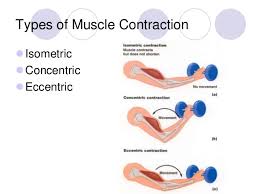
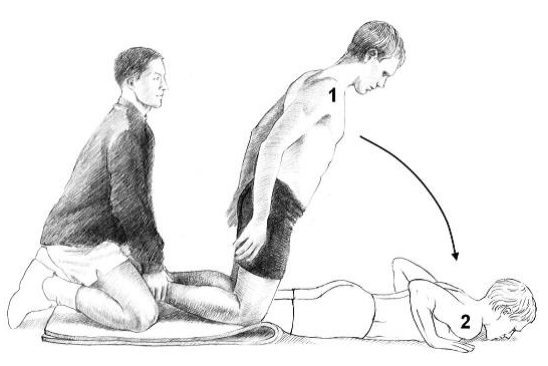
Most recent research has focused on the effect of eccentric strength (i.e. performing resistance training as the muscle lengthens) after a large study conducted in 2008 in Danish soccer reported a 59% decrease in hamstring strains (and 86% reduction in recurrence rate) for players who performed a 10-week strength program using the Nordic exercise:
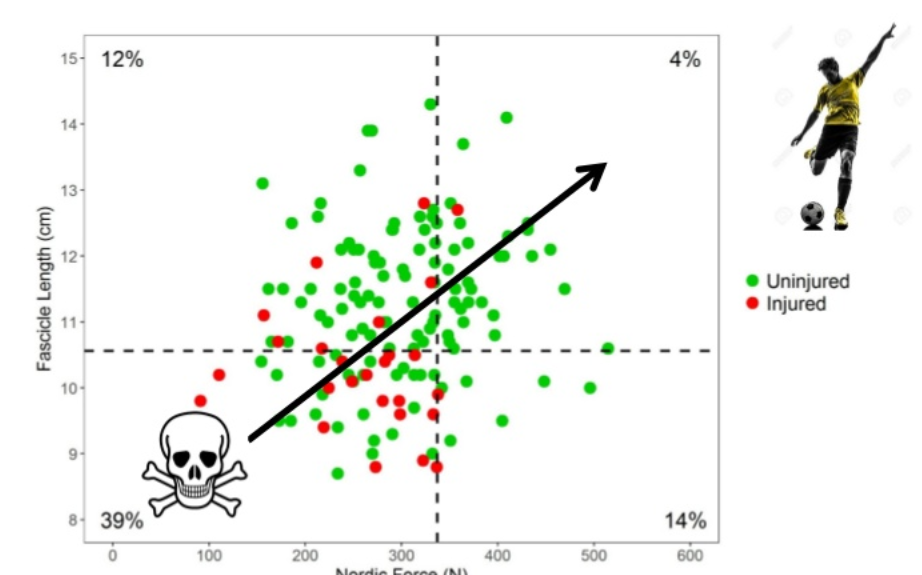
Since then it has been demonstrated that regaining adequate strength post hamstring is important in reducing the risk of another hamstring injury. Another recent focus has been on fascicle length – how long the individual fibres of the hamstring muscle are.
I recently attended a hamstring injury symposium leading up to the Commonwealth Games 2018 to learn about the latest research regarding hamstring injury in order to apply that to our patients. Key take-home messages were:
If you are unlucky enough to sustain an acute hamstring strain, we recommend following the ‘POLICE’ guidelines:
P – Protect the area – do not continue to play/train or run
OL – Optimal loading – a physiotherapist can help prescribe the right amount of exercise to optimise initial tissue healing
I – Ice – Apply ice to the area (make sure to cover with a thin towel to avoid skin irritation) with 2-3 cycles 20 mins on and off
C – Compression – can be via a bandage, tubigrip or compression garments (i.e. shorts, skins)
E – Elevation – try and elevate the leg when resting
We can then help your rehabilitation process by providing an individualised program, as well as assessing other factors that may be pertinent to your individual risk, including load management strategies, low-back/plevic movement patterns and nerve tension. As always you can book online or call the clinic on 5500 6470.
Additionally, I am always happy to assist local teams and coaches to help their players reduce hamstring injury risk. For any further information or to arrange a chat send me an email – sammclaren@www.gcphysio.robicoweb.com.au
Sam McLaren
Physiotherapist