13/345 Southport-Nerang Rd, Ashmore Q 4214
12/110 Kortum Drive, Burleigh Heads Q 4220

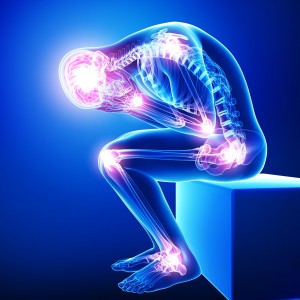
Pain Science – Why Do You Experience Pain & How To Understand It

Pain Science – Why Do You Experience Pain & How To Understand It

Here we share some of the best short animation video’s developed by Pain Scientist’s and Pain Physio’s to help you understand more about Pain

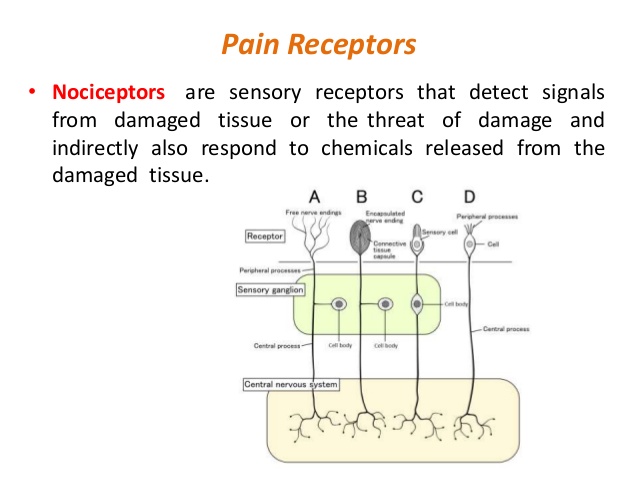
Explore the biological and psychological factors that influence how we experience pain and how our nervous system reactions to harmful stimuli. — In 1995, the British Medical Journal published a report about a builder who accidentally jumped onto a nail, which pierced straight through his steel-toed boot. He was in such agonizing pain that any movement was unbearable. But when the doctors took off his boot, they discovered that the nail had never touched his foot at all. What’s going on?

Joshua W. Pate investigates the experience of pain. Lesson by Joshua W. Pate, directed by Artrake Studio.

Pain scientists are starting to think differently about persistent (chronic) pain and its causes, are they’re making exciting discoveries – like how you think about your pain can change the way it feels. Below Professor Lorimer Moseley explains how pain works and explains new approaches to help reduce your pain. Visit their website for more information and questions to ask your health professional. http://www.tamethebeast.org


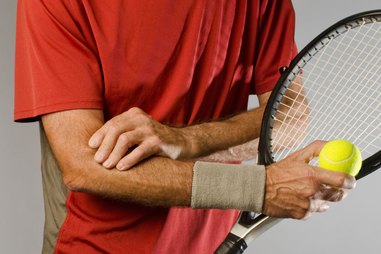
Tennis Elbow – What is it & how do I get better?

Tennis Elbow – What is it & how do I get better?

Compiled by Senior Remedial Massage Therapist Frederic Impens

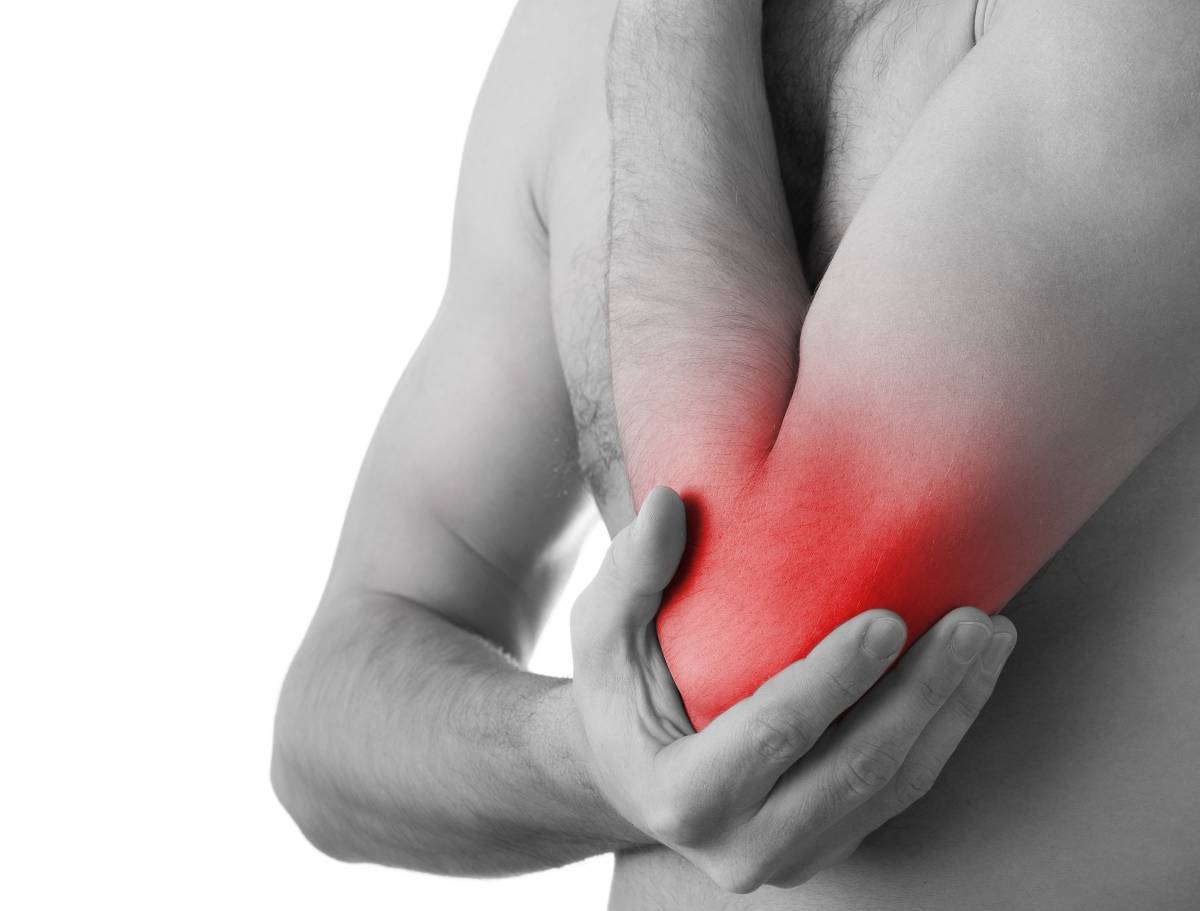
What is it?

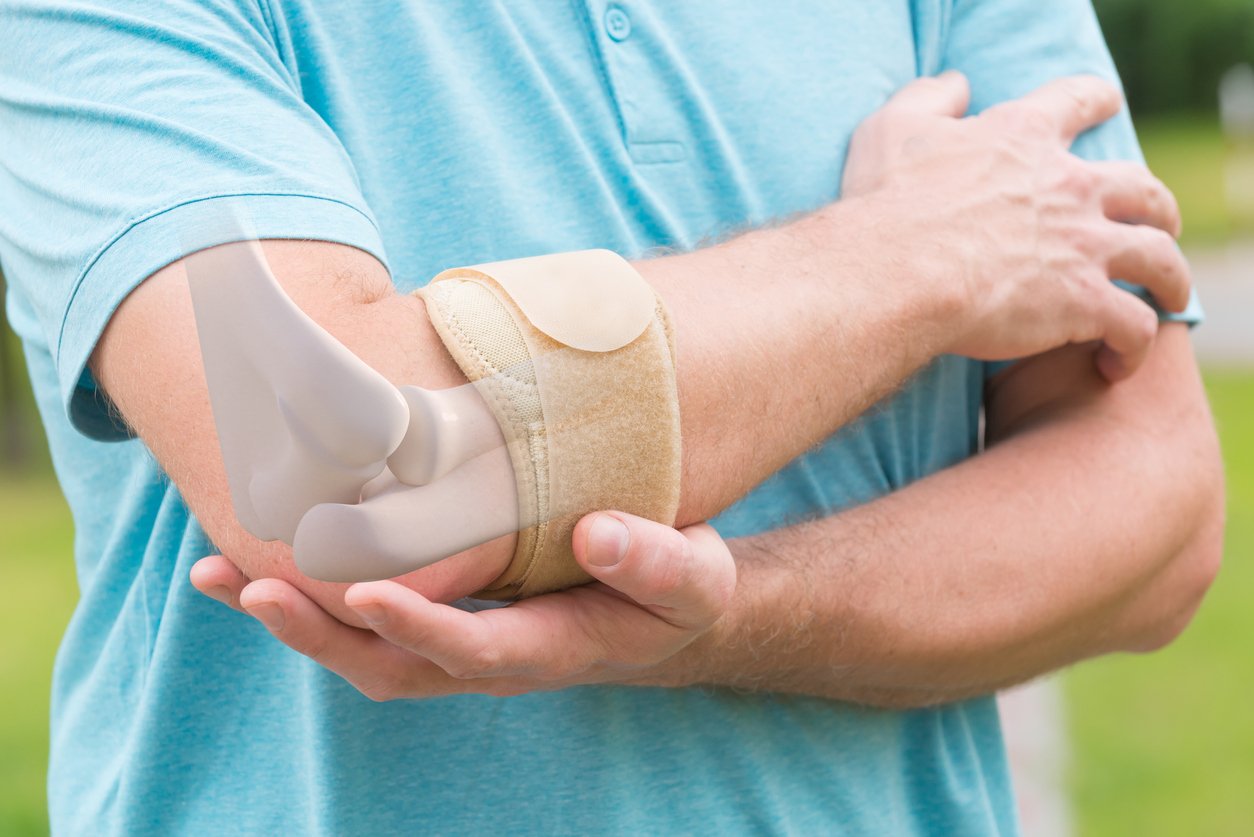
Tennis elbow is technically called lateral epicondylitis (more recently lateral epicondylalgia). The outer bony point of your elbow is called your lateral epicondyle and epicondylitis suggests it is inflamed – however, we now know there is unlikely any process of “inflammation” in the pathology of lateral epicondylalgia.

So the problem with asking ‘what is it?’ is the fact that although the pain presents in basically the same area each time, there are at least three types.

  1. Pain from muscles

The lateral epicondyle (bone of the elbow) is the anchor point for six different muscles. Trigger points in these muscles can refer pain to this point and make it really painful and tender. A Trigger point is a taut band within the muscle that can cause tension and pain, restriction and fatigue.

  1. Pain from the tendon

Tendons attach muscle into the bony attachments. Pain can arise from a change in the structure of the  tendon where it inserts into elbow.

  1. Pain from nerve

Your radial nerve runs from your neck through your armpit then right past this point on your outside elbow. Pressure or entrapment on this nerve in the neck, arm or elbow can make this part of the elbow hurt.

What causes Tennis Elbow?

It is caused by a whole variety of things. Repetitive activities that involve overload of the wrist extensors muscles (either a one-off big overload or on-going repeated overload without adequate recovery) can result in symptoms, this particularly includes tasks like painting, cleaning, hammering or even typing can all cause it. The action of lifting something heavy and twisting the wrist in the same movement is also a acute common cause.

Each reason for the pain may have a subtly different cause. A good Physio should be able to help you identify the cause which will help you prevent future recurrence.

What to do about Tennis Elbow Pain?

If you catch it early, try implementing these two things first

  1. Heat or ice?

Now depending on the type of tennis elbow that you have, one will temporarily improve with heat and one with ice.

Try heat first because more cases are this type. The good thing is that if heat is not the right thing the body will tell you. If the wheat bag causes it to throb or ache then don’t use it. Otherwise wrap your heat pack around the whole forearm covering the pain for 10 minutes daily for a week.

Alternatively, if your pain is nerve or inflammation, ice will be best. When using ice, apply it very specifically to the site of pain for 10 minutes. Not all around the forearm like the heat. So the ice might only be on an area the size of a 20 cent piece. Do this daily for a week.

  1. Don’t lift with your palm facing down

Lifting with your palm facing down aggravates just about every type of tennis elbow. Every time you lift with the palm facing down you aggravate the injury. Protect it. Lift with the palm up and your elbow close to your side.  The most aggravating activities will usually be lifting also with a straight elbow, so keep your wrist straight, palm up and elbow bent close to your side. Try to avoid repeatedly causing pain.

If you have the onset of elbow pain, we highly recommend a consult with our experienced Physio or Massage Team to help give you an accurate diagnosis, start the treatment pathway and give you a plan of management.

If you have had symptoms for a long time, you may need a graded exercise program to strengthen the right muscles in the right way. You may benefit from guidance on activity modification and/or the use of braces or taping to help reduce your pain.

For an appointment so we can help you, phone 07 5500 6470, or Book Online via www.mygcphysio.com.au

The Female Athlete

The Female Athlete

What You Should Know to be at Your Best

Compiled by Physio, Australian Olympian (Synchronised Swimming) & Physio Yoga, Sarah Bombell

From the earliest days of sport, women were considered to be too delicate and fragile to participate. For a long time it was not considered possible or accepted for women to be strong and athletic. We now know that women’s bodies are capable of amazing athletic feats. However women are not small men and therefore female athletes should not be managed the same as their male counterparts. Until the early 80s it was thought that the physiological responses to exercise were the same for men and women. For this reason the vast majority of exercise physiology research has been performed on men and hasn’t taken into consideration the fluctuations of the female sex hormones. These hormones can influence many of the body’s processes including metabolism, muscle synthesis, bone adaptation, exercise capacity and recovery.

Puberty

Changes between male and female athletes begins at puberty, the stage of life were we mature from children into adults with the release of sex hormones. This generally occurs at age 12-16 in males and age 11-14 in females. The age that puberty occurs can be affected by a number of factors including genetics, environment and body weight. The process can be delayed with heavy training and inadequate nutrition in the young athlete. As males reach puberty the release of testosterone leads to boys becoming fitter, stronger, faster and more aggressive..…all attributes that are favourable for athletic performance. However as girls reach puberty the increase in estrogen and progesterone causes mood changes like anxiety, depression and sensitivity. Their body shape also begins to change. The hips widen with an increase in body fat, which completely changes their centre of gravity affecting mechanics. These changes cause a decline in speed, power, coordination and performance. There is also an increased risk of injury at this stage of development due changes in body shape. During adolescence it is important to acknowledge that the decline in performance for females is temporary and the focus of training should be shifted towards perfecting technique and efficiency.

The female menstrual cycle

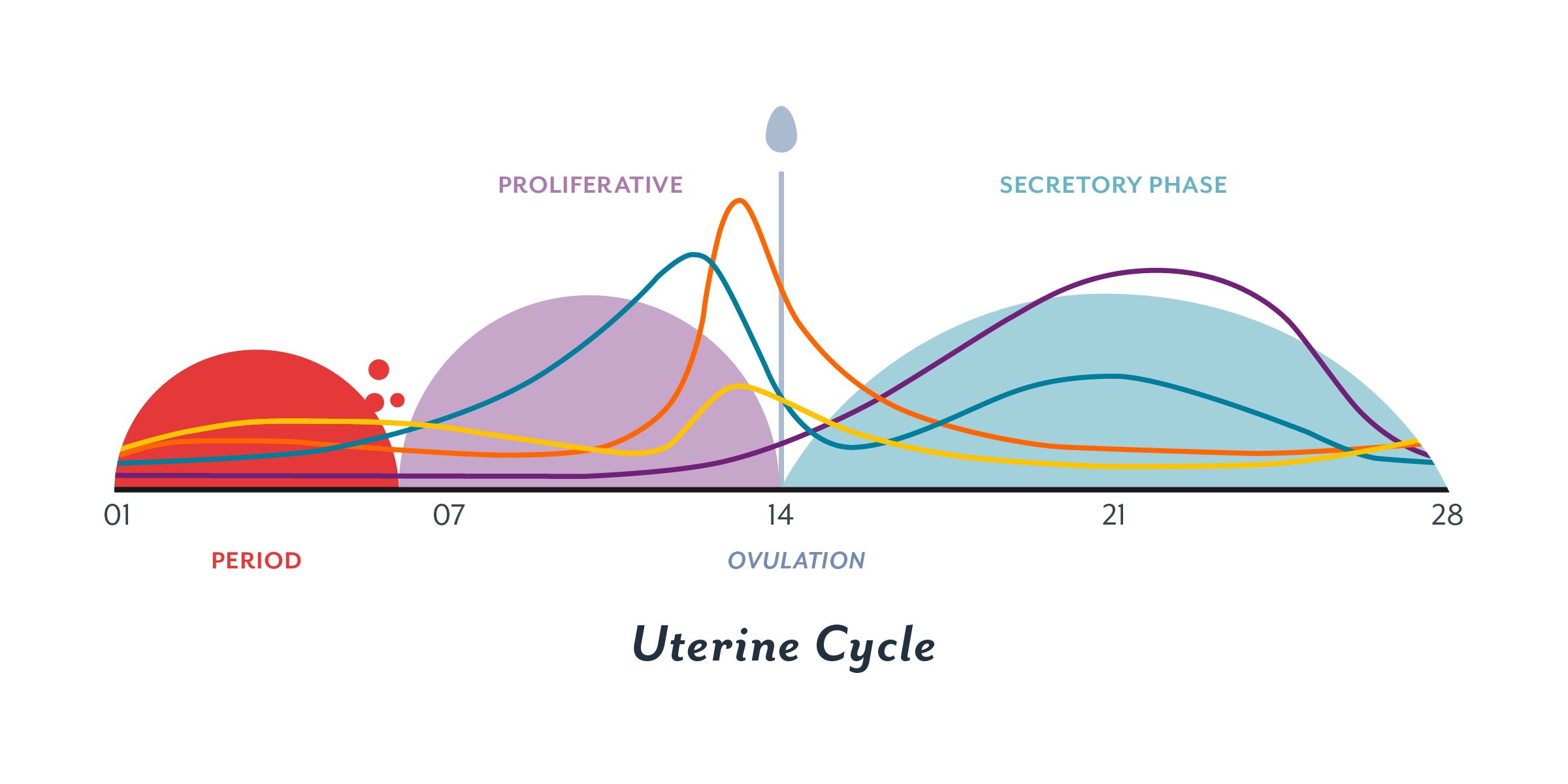
Girls still begin menstruation approximately 2.5 years after the onset of puberty, however around 50% of girls will not have a regular cycle for up to 4.5 years after initial onset. This fact is important as many young girls are put on the oral contraceptive due to irregular periods, however they haven’t had enough time to potentially settle into regular cycle. Generally the menstrual cycle lasts for 28 days, however this can vary from person to person. There is a low hormone follicular phase, followed by a high hormone luteal phase. Day one of the cycle is the first day of the period. The first 14 days of the cycle is the low hormone or follicular phase. Just before ovulation there is a surge in estrogen followed by a surge in luteinising hormone. This triggers ovulation which involves release of an egg ready to be fertilised. After ovulation during the luteal phase there is an increase in estrogen and progesterone before these hormones decrease again at the end of the cycle where menstruation happens again.

Female Sex hormones and athletic performance

During the low hormone phase, the female is most like the male, meaning their physiology is favourable for hard training or competition. This is the time when you want to schedule the higher intensity cardiovascular or strength sessions as the physiology is optimal for performance and recovery.

During the high hormone phase the increase in estrogen and progesterone causes increased fluid retention, decreased insulin sensitivity, decreased access to muscle glycogen, increased blood viscosity, increased respiration rate and increased protein breakdown. For these reasons athletic performance and the ability to recover will diminish. This is the time for the athlete to do the longer, slower aerobic sessions with a de-load optimally 5-7 days before the period starts.

So you can see that the average 4 week menstrual cycle is actually optimal for periodising training for the female athlete . Therefore getting to know your cycle will help you work with your physiology not against it.

What if I’m on the pill??

We know the use of synthetic hormones supress the natural sex hormones. This stops the natural menstrual cycle, stops ovulation therefore preventing a female from getting pregnant. Apart from this action, it is not fully understood how these synthetic hormones affect other systems of the body. While on the pill there are small spikes of synthetic estrogen and progesterone daily for 21 days (with no follicule stimulating hormone or lutinising hormone) until the pill free period. During this time there is a small rebound of the natural hormones and a withdrawal bleed which mimics mensuration. Regarding sport and performance there is research to show that the oral contraceptive is associated with decreased VO2peak, decreased cardiac output, decreased peak power, decrease anaerobic adaptation, increased oxidative stress and inflammation, decreased protein synthesis, and increased muscle mass but not strength. The timing of the pill and training/competition can also affect performance. If the pill is taken before exercise then this creates a high hormone state which we know is not favourable for peak performance. It is recommended that unless you need to be on the oral contraceptive for medical reasons, then its best to work with your natural physiology.

Menopause

When menopause is reached there is a flat line of estrogen and progesterone. During menopause the changes in sex hormones causes decreased protein synthesis, decreased bone mineral density, and increased subcutaneous and intramuscular fat. The body also becomes less sensitive to anabolic stimuli, meaning it takes more stimulus to build or even maintain muscle. For this reason it is extremely important for women who are peri-menopausal or post-menopausal to increase their protein intake and lift heavy!! Adequate nutrition and resistance training is the only way to maintain muscle mass at this stage of life, and is extremely important for quality of life in later years. For the mature athletic population maintaining muscle mass is essential for performance, even the endurance athlete should include strength training in their program as the long runs aren’t enough stimulus for maintaining or building muscle. Along with strength training, adequate protein intake is required for muscle synthesis and the in the menopausal years the need for protein increases especially post exercise for adequate recovery.

Diet

Many of the popular fad diets like intermittent fasting and the ketogenic diet claim to have plenty of scientific evidence to back up their efficacy. Just like the exercise physiology research, the information we have about these diets is based off research done mostly on men. In fact these diets can actually be detrimental for the female and her well being. As females aren’t good at sparing glycogen (which is the carbohydrate energy we sore in our muscles), carbohydrate intake through diet is extremely important for performance. Also as females have more difficulty building and maintain muscle, protein intake is often under prescribed. A good balanced diet with adequate nutrition both before and after training is most important for not only performance, but also recovery and injury prevention.

The information from this article has been summarised from the work of Dr Stacey Sims. If you’re interested in learning more about how to work with the female athlete it’s highly recommended to read her book “ROAR: How To Match Your Food And Fitness to Your Unique Female Physiology for Optimum Performance, Great Health and a Strong, Lean Body for Life”

5 Facts About Understanding Pain

5 Facts About Understanding Pain

The Following Extract was Written for the Australian Physiotherapy Association by Dr Tania Gardner. Dr Gardiner is an APA Pain Physiotherapist and senior physiotherapist in the Department of Pain Medicine, St Vincent’s Hospital Sydney.

1. Understand pain

Pain is a normal human experience. Its purpose is one of protection—to alert us of potential harm so that we can respond to minimise damage and facilitate healing.

In the acute situation, responses such as limiting movement, increasing muscle activity to protect an injured area and increasing awareness of nociception (pain perception) through adaptive central (brain) sensitisation, may initially be useful protective behaviours.

However, often when pain becomes chronic, it is not a signal of ongoing tissue damage requiring protection. Cognitive and contextual factors may play an increased role in the pain experience, contributing to prolonged sensitivity. The reason why the system remains sensitised is multifactorial, and science is still investigating those factors. Chronic pain is complex with many interrelated components, and so prevention of it requires a multimodal approach.

In an acute pain situation, physiotherapists can steer patients towards a successful outcome by performing a thorough examination using language that does not increase catastrophising or fear of movement (ie, these are risk factors for the development of chronic pain).

Helpful interpretation of radiological findings, encouragement to stay active, targeted reassurance  and pain education can be integrated into all person-centred management approaches of acute pain that a Physio will help patients with.

2. Early screening for risk factors

There are numerous factors that are now known to increase the likelihood of transitioning to chronic pain. These include cognitive factors (eg, catastrophising and pain beliefs), mood (eg, depression and anxiety) and approaches to coping (eg, utilisation of more passive strategies, ie “someone or something will fix me” thoughts and actions).

Screening by a Physio for these factors can commence with careful attention to the patient’s story during the initial assessment and with appropriate pain questionnaires.

Screening tools such as the Orebro Musculoskeletal Pain Questionnaire can assist with the early identification of risk factors and guide appropriate treatment. Other measures such as the Pain Catastrophising Scale; Tampa Scale of Kinesiophobia; the Depression, Anxiety and Stress Scale; and the Pain Self Efficacy Questionnaire are all freely available to download and are useful as both screening tools and outcome measures.

When risk factors are identified, individualised early management including education, graded activity and other psychological interventions (as required) may facilitate a shift in patients’ beliefs and attitudes, and reduce fear and anxiety. Education about pain should encourage a reconceptualisation of pain—that it is not necessarily a marker of tissue damage, but that it is a protective response influenced by multiple factors, so affording us some control over this output.

3. Exercise regularly

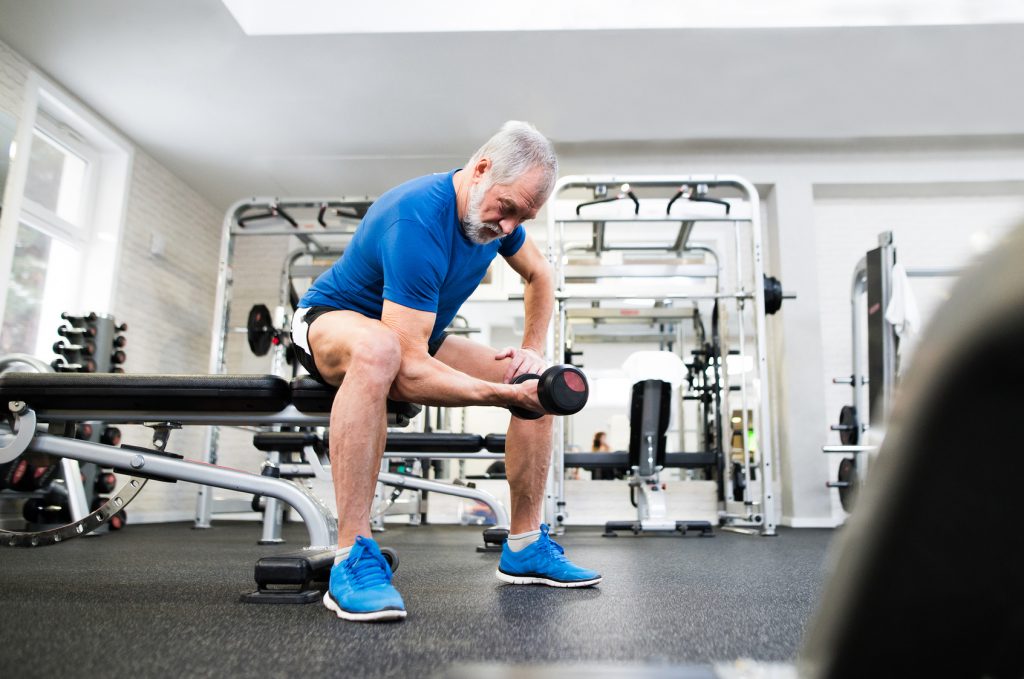
Physiotherapists are ideally placed to provide education & direction regarding the benefits of exercise and how this relates to chronic pain. Physical activity and exercise have broad positive health benefits due to their impact on the musculoskeletal, cardiovascular, immune and central nervous systems.

Physical activity is known to reduce pain intensity, fatigue, functional disability as well as provide a range of other benefits including improvements in strength, flexibility and endurance, a decrease in cardiovascular and metabolic syndrome risk, improved bone health and improved cognition and mood.

Physical activity can help to improve the level of function in daily and work-related activities, mental health and quality of life.

Physical activities and exercises may also be considered a valuable mental health promotion strategy in reducing the risk of developing mental health disorders, which are frequently associated with chronic pain.

Evidence suggests that exercise helps to prevent chronic neck and low back pain. The type of exercise does not seem to matter, with no exercise mode superior to another, meaning any movement or activity will be helpful. With that in mind the exercise that is chosen should be something that an individual is interested in and enjoys.

Outcomes will be best when the activity is something that is related to the patient-led goals.

4. Adopt Immune-boosting strategies

The role of the immune system in the development and maintenance of chronic pain has gained attention with low-grade inflammatory biomarkers supporting an underlying inflammatory process in conditions such as osteoarthritis, low back pain, neck pain and radicular (leg/arm pain originating from the spine).

Inflammatory biomarkers have also been observed to be associated with psychological and social factors. Therefore, immune-boosting strategies through attention to diet, sleep and stress are appropriate.

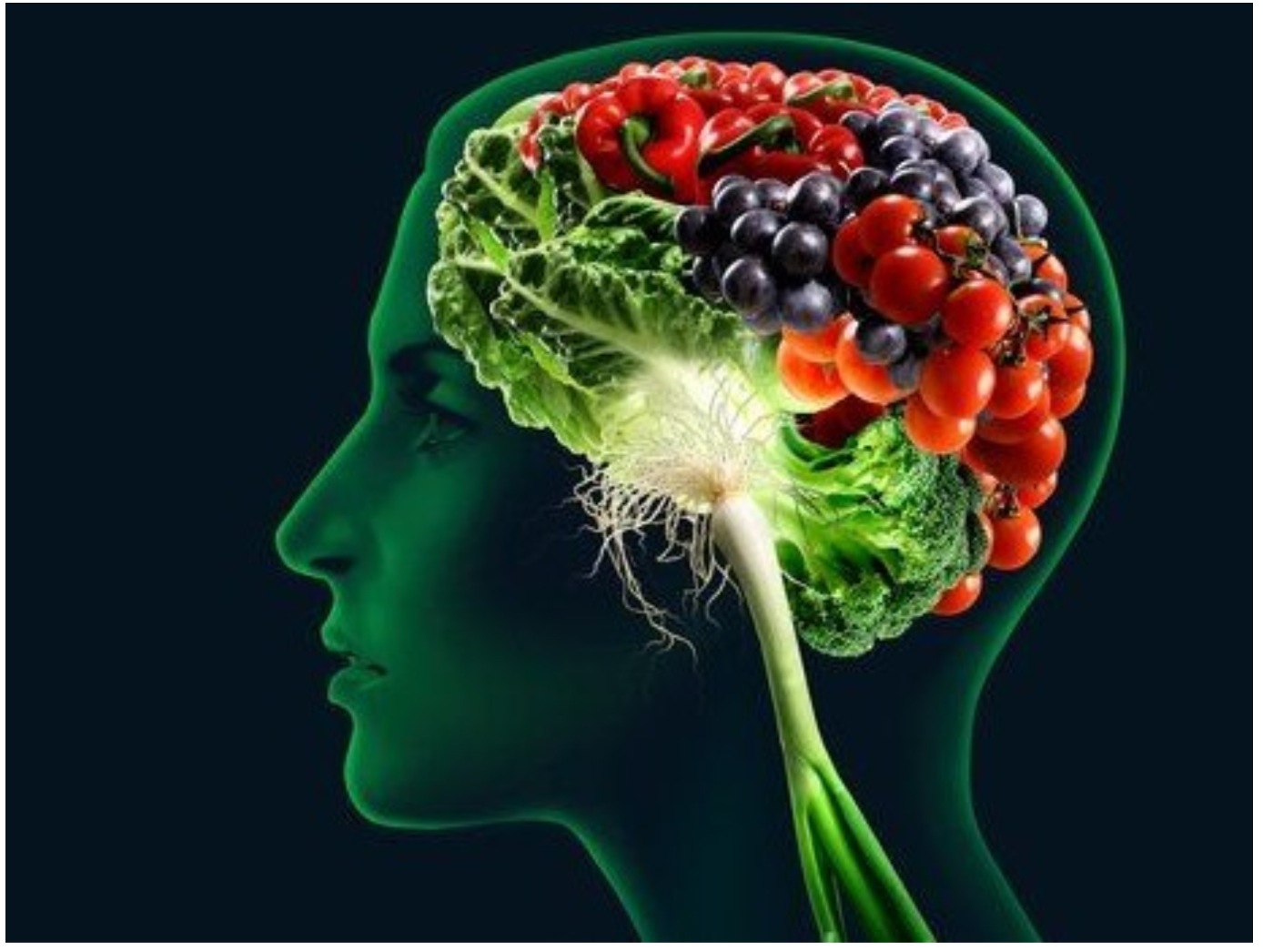
Certain foods seem to help reduce inflammation and protect the body from oxidant damage; polyphenols (compounds found in fruit and vegetables) have anti-oxidant and anti-inflammatory properties, while good-quality fats (such as Omega-3 fats and olive oil) reduce inflammation and enhance the immune system.  A Consult with an Accredited Sports Dietitian can help patients with this pathway.

Sleep is a risk factor for chronic pain, and studies have suggested that addressing sleep problems may lessen the risk of developing depressive illness that is associated with a poor pain prognosis.

Emotional factors can contribute to the development or maintenance of prolonged sensitisation in chronic pain. Managing stress can help to reduce pain through multiple mechanisms (eg, reduced muscle activation, enhanced descending inhibition and reduced fear). Mindfulness, meditation, deep breathing and exercise are all ways to reduce the influence of stress.

5. Seek counsel or psychological/ behavioural therapy when needed

All physiotherapists use some form of psychological strategies in their treatment approaches. However, they do have a scope of practice & Referral to a psychologist working in chronic pain is recommended either when stress and mood disorders interfere with regaining everyday function or when more serious psychological disorders are suspected.

Anxiety, depression, anger, irritability and stress can all affect how the nervous system works. If these emotions are not well managed, the chances of developing chronic pain are increased.

Effective management and prevention of pain often requires patients to gain greater awareness and new skills to engage with a meaningful life more successfully. Clinical psychologists can help work through this process. Behavioural and cognitive interventions have been found to be effective in reducing pain and disability in many pain conditions, often with physiotherapists and clinical psychologists working collaboratively.

Treating the whole person in a biopsychosocial framework is crucial when treating pain.

If you need help managing YOUR PAIN, Consult with One of our Team of experienced Physiotherapists, Dietitian or Psychologist. Ph 07 55006470 for an appointment or Book Online.

Dr Tania Gardner is an APA Pain Physiotherapist and senior physiotherapist in the Department of Pain Medicine, St Vincent’s Hospital Sydney. Tania has more than 25 years’ experience in the treatment of low back pain. She was integral in the establishment of the Reboot online program, and continues to be involved in the research and development of the program. She completed her PhD in 2017 investigating patient-led goals in chronic low back pain.
Additional contributions from APA NSW Pain Group chair Tim Austin, APA Pain Physiotherapist, registrar in Pain Specialisation TP; APA WA Pain Group chair Melanie Galbraith, APA Pain Physiotherapist; Michelle Wilson, APA Pain Physiotherapist; facilitators in TP Peter Roberts, FACP, and Lois Tonkin, APA Pain Physiotherapist; and APA national Pain Group chair, Honoured Member Dianne Wilson, APA Pain Physiotherapist.

Physio Pilates Massage Gold Coast Labrador Runaway Bay Burleigh Southport
Burleigh Nutrition Sports Gold Coast

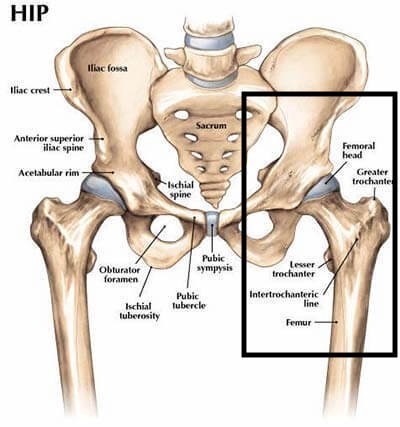
What To Do About Hip Pain

Has your patient presented with Hip Pain?

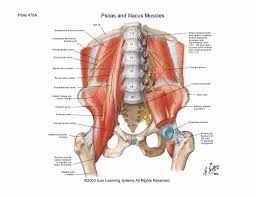
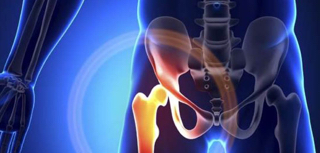
Hip Pain may present laterally around the greater trochanteric region or more commonly in the anterior groin.

A major cause of pain in the anterior aspect of the hip joint is termed femoroacetabular impingement or FAI for short.

So what is FAI syndrome?

It is described as a motion related disorder of the hip. Due to an abnormal shape of the hip and/or acetabulum (socket on pelvis where the hip fits in to) abnormal contact can be made between these two structures, especially during movements of flexion and internal rotation. This repetitive contact may cause tissue damage and pain.

For a diagnosis of FAI syndrome to be confirmed the patient must have;

  • symptoms,
  • positive with clinical testing
  • AND findings on imaging.

Symptoms

The primary symptom of FAI syndrome is motion-related or position-related pain in the hip or groin, usually movements of flexion and/or internal rotation of the hip. Pain may also be felt in the back, buttock or thigh. In addition to pain, patients may also describe clicking, catching, locking, stiffness, restricted range of motion or giving way.

Clinical Tests

There are tests to preform to assist with the diagnosis. These tests usually stress the hip and place it in positions of impingement (flexion/adductor), assessing for reproduction of symptoms and impairment in movement.

Imaging

An x-ray of the pelvis and symptomatic hip should initially be performed to obtain an overview of the hips, identify cam or pincer morphologies, and identify other causes of hip pain. Where further assessment of hip morphology and associated cartilage and labral lesions is desired, an MRI or CT scan may be appropriate.

Treatment

FAI syndrome can be treated by conservative care, rehabilitation or surgery.

Conservative care may involve education, watchful waiting, lifestyle and activity modification. Physiotherapy-led rehabilitation aims to improve hip stability, neuromuscular control, strength, range of motion and movement patterns.

If conservative care and rehabilitation does not have a significant impact on symptoms and function the surgery, either open or arthroscopic can be considered. The aim of surgery is to improve the shape of the hip and repair damaged tissue. The good management of the variety of patients with FAI syndrome requires the availability of all of these approaches.

Prognosis

In patients who are treated for FAI syndrome, symptoms frequently improve, and they return to full activity, including sports.

Without treatment, symptoms of FAI syndrome will probably worsen over time. The long-term outlook for patients with FAI syndrome is unknown. However, it is likely that cam morphology is associated with hip osteoarthritis.

real time ultrasound at gold coast physio
Burleigh Physio and Massage
Loading...