13/345 Southport-Nerang Rd, Ashmore Q 4214
12/110 Kortum Drive, Burleigh Heads Q 4220

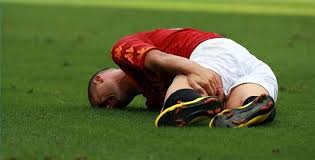
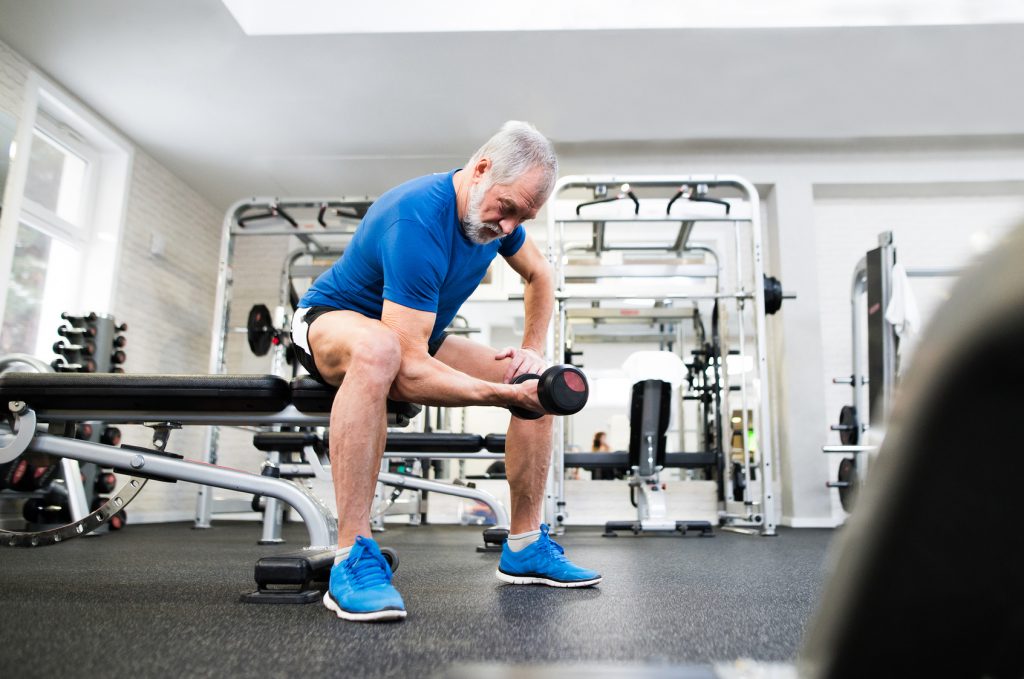
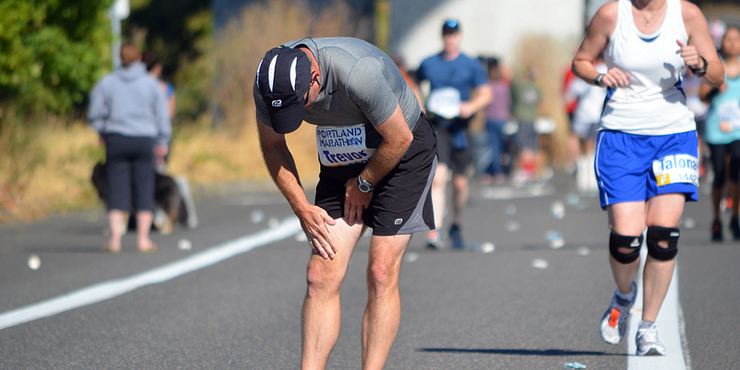
Do My Rehab or Strength Exercises Have to Hurt When I Do Them?

By Gold Coast Physio, Liam Ryan

As a Physio, a common question we get asked is “should my exercises be hurting me to do them?”.

In society we also hear a lot “no pain, no gain”. But is this really necessary? Do we need to hurt to get better? Is there a benefit to experiencing pain with rehabilitation?

A recent review looked at the benefits of painful exercises against non-painful exercises in people who have had musculoskeletal pain for greater than three months. They compared the results of seven different trials, and found that painful exercises provided a greater benefit in the short term over non-painful exercises for a good outcome.

“Painful exercises provided a greater benefit”

We also know that in more acute injuries, such as a hamstring strain, that allowing acceptable levels of pain when doing rehab provided a greater recovery of function and strength than limiting exercises.

Now this doesn’t mean that your exercises have to cause tears to well up in your eyes. What it does mean is that low levels of acceptable pain are safe and OK to experience whilst your exercising or completing rehab. We know that pain does NOT equal tissue damage, especially when it has been there for an extended period.

“Low levels of acceptable pain are safe and OK to experience”

As to how much pain you should experience with your exercises?

That will need to be determined by yourself and your treating physiotherapist. If you decide to allow pain as part of your rehabilitation then it should be at a level that you can tolerate, and that does not cause a flare up or increase in your pain the following day. I find myself often suggesting to my clients to keep their pain under 4/10 if it were scored on a scale from 0-10 (0=normal, no pain and 10= the maximal pain you can imagine).

A good idea is to keep a diary, recording how you felt doing your rehabilitation each day. This is a useful tool for reflection on progress, and can help your treating practitioner guide your recovery & help you see some progress even if dealing with some pain.

If you would like more advice on rehab and exercies, any one of our experienced Physio’s can help. Phone us on 07 55006470 for an appointment or Book Online.

Physio Wanted- Tell US what you need & want in your career & life

Physio Wanted- Tell US what you need & want in your career & life

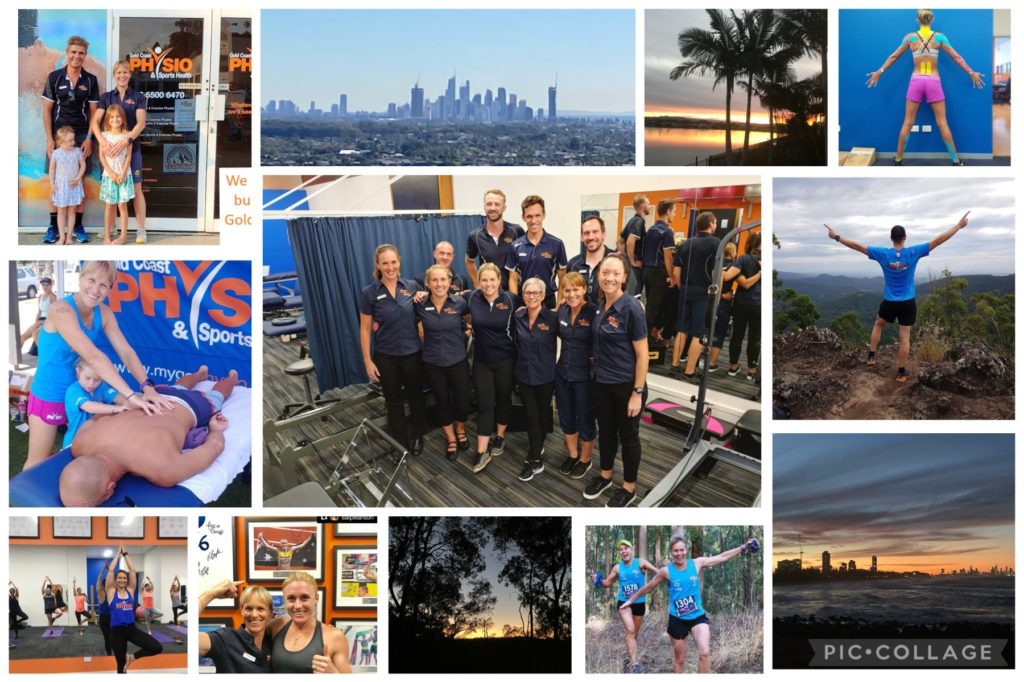
You CAN have it all with our Team at Gold Coast Physio & Sports Health

Live the Gold Coast lifestyle with our beaches & waterways, the beautiful Hinterland National Parks, parking out the front of your favorite coffee shop and our amazing weather that allows you to be outside & exercising all year round! read more about the GC hereThe Gold Coast is also home to some of Australia’s best Olympic Athletes, Coaches and National Sports Organisations and Sports Programs, including Swimming, Triathlon Australia, Athletics, AFL, NRL, Squash Australia, Paddle Australia, and Surf Lifesaving to name just a few.

If you can relate to any of the following statements, we are the right place for you:

  • You want to have a stimulating and rewarding Sports & Exercise Physio career pathway and Sports opportunities AND live in one of Australia’s best cities for lifestyle & the ability to participate in sports and exercise all year round.
  • You love sports and exercise but you are not currently treating enough active or sports people
  • You are tired of treating frustrating compensable clients,
  • Access to your Clinic Principal is difficult and you are not getting enough PD with experienced Physio’s,
  • You don’t have the clinic facilities to follow a full end-stage sports and exercise, or post-op client management pathway to show full scope of your physio skills,
  • You don’t have easy access to other Allied Health Professionals to get best client outcomes and to upskill yourself.
  • You want to work in a great Team of vibrant like-minded people with multi-disciplinary care in one place so you can focus on doing what you best

Gold Coast Physio & Sports Health is one of the Gold Coast’s leading Sports & Exercise Physio and Exercise Medicine Multidisciplinary Clinics and we are looking for the right person to join our friendly and experienced Team and we will solve all your Physio career frustrations.

About a Role with Our Team:

  • Gold Coast Physio & Sports Health is a GC Family Business since 2008 so we value your personal and professional goals and lifestyle.
  • We are looking for a Physio with a passion for helping the community through their life with activity, exercise and sport.
  • You will be given Physio opportunities to work with Olympic and Junior Athletes, Sports Clubs, Gyms and Sporting Events with a private practice caseload of over 90%.
  • This current role is based at our Burleigh Clinic which is an amazing facility that includes a rehab gym, an Alter-G treadmill, an open-plan physio space, private rooms, a real-time Ultrasound and a VALD force-frame.

  • The role is permanent part-time or full-time, but does include working Saturday 8-2pm (with Sunday & Monday off). The Clinic is open 7.30am-7pm so your shifts will likely be a mix of 7.30am-2.30pm or 12-6.30pm.

Your Benefits:

Tell us what you need in your Physio Career right now & we’ll see if we are the right fit for you!

Here’s what our current Therapy Team get:

  • We help you develop, progress, challenge and stimulate your Sports & Exercise Physio skills.
  • You will work daily alongside an experienced Team:
    • Our Principal Physio, Britt Caling, is an Australian Olympic and Commonwealth Games Team Physio & an APA Titled Sports & Exercise physio
    • The other Physio’s you will work alongside include: Rick Bain who is a Qld Academy of Sport & Australian Elite Triathlon Team Physio; Mark Homewood as previous Carlton AFL and GC Suns lead physio of 11yrs; and Sarah Bombell as an Australian Olympic and Commonwealth Games Synchronised swimmer and official Sailing Australia Physio
    • 7 other experienced Physio’s, Massage Therapists with over 10years experience, a Sports & Exercise Medicine Physician, Sports Psychologist and Accredited Sports Dietitian all in the same facility.
    • Here is some of the Sports & Exercise Physio career pathways we have helped our team achieve: check out our success
  • You will get weekly in-clinic Professional Development AND support for external PD above the Award
  • You get support for Sports Team work and travel above the Award
  • You get to work in a multi-disciplinary Team, all under one roof
  • You get a stable Base Salary that is guaranteed PLUS a generous Commission paid on a fortnightly basis, plus a Product Sales Bonus. We reward loyalty and working hard when you are at work.
  • Your clinical work includes longer treatment times and paid breaks.
  • Amazing clinic facilities and clinic space that includes a shower and gym that you are welcome to use.
  • You get to use our networks and our outstanding GC community clinic reputation.
  • We shout you coffees!  Check out what our Team says are the best bits about work in our Team

We Want You If:

  • have at least 2 yrs experience as a Physio in Private Practice
  • are open to learning and being challenged in a Sports & Exercise Physio career
  • are willing to work and Be Part of a Team
  • have a personal interest in exercise & sport
  • have an interest in using both manual therapy skills AND exercise rehab, which may include Pilates or strength & conditioning and taking small group exercise sessions

How To Apply.

If you are reading this and getting excited about your Physio career, and if you think we will love you, send your Resume to our Business Manager, AlbieFirley@www.gcphysio.robicoweb.com.au or phone Albie 07 5500 6470 to ask further questions.

I’m Injured! How Long Until I can Train Again???

I’m Injured! How Long Until I can Train Again???

This is a question we often get asked as a Physio and believe-it-or-not, it is often difficult for us to answer! There are many factors to consider in giving you an accurate expectation including: what has happened to you (and your Diagnosis); the severity of the injuyr; your previous injury history; your age, training history & usual response to load/trainng; your compliance to rehabilitation (& following our recommendations); AND very importantly, other psychosocial factors (ie stress, social/family/coaching supports, expectaions)– and I could go on.

As a physio we use various tests and exercises to determine the severity of the injury and rehabilitation progress however, the tests or exercises we use in clinic don’t (or can’t) awlays replicate the loads of a full training schedule.

So what can we do to help an athlete get back to their chosen sport and avoid re-injury?

Recent research shows us that a progressive return to training load is the key to reaching your goals and preventing re-injury.

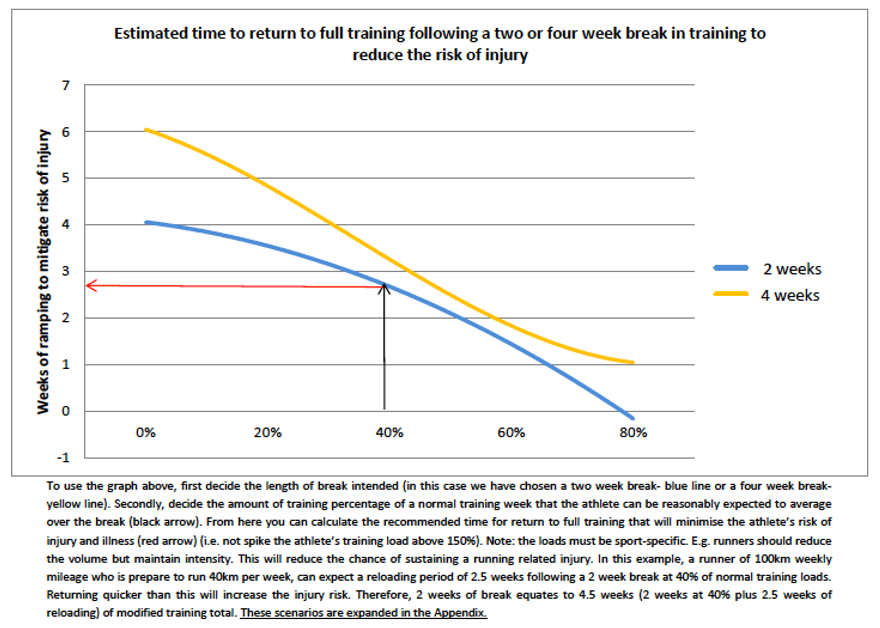
The Time taken to return to normal training loads should be proportional to the length of rest period and training load percentage (if any) during the time off. Jumping back in straight away would be like trying to build a house starting at the top floor, and wondering why it’s not holding up. Build a base, first.

The graph above demonstrates the relationship between training at a decreased load (due to injury/illness) and the recommended time to return to full (unrestricted) training in runners. You can calculate the recommended time to return to training based on the length of training break and the (estimated) percentage of normal training completed during the break. In the example above a runner following two weeks at 40% training load can expect 2.5 weeks of reloading to minimize injury risk. Therefore a two-week break equates to 4.5 weeks of modified training total.

This is where you and your physio (in communication with your Coach or Trainer) should work together to devise a training plan that allows you to train at optimal levels and progress without risking further injury. By taking into account all the factors surrounding your injury, training style and competition commitments we are able to help you achieve a great outcome!

On the positive, whilst it can be frustrating taking time off training or having an injury, it is also a great opportunity to work on technique and other aspects of your sport that might be lagging behind & that you have been putting off working on because you are too busy training!!!

If you’re finding it hard to gain momentum with your injury and you keep hurting yourself in a particular aspect of training, talk to your physio, get a plan in place and start ticking off your goals!

Book Online for an apppointment with one of our experienced Sports & Exercise Physio’s who will understand and help you with this at www.mygcphysio.com.au or call the clinic 07 5500 6470.


gold coast physio for knee injuries

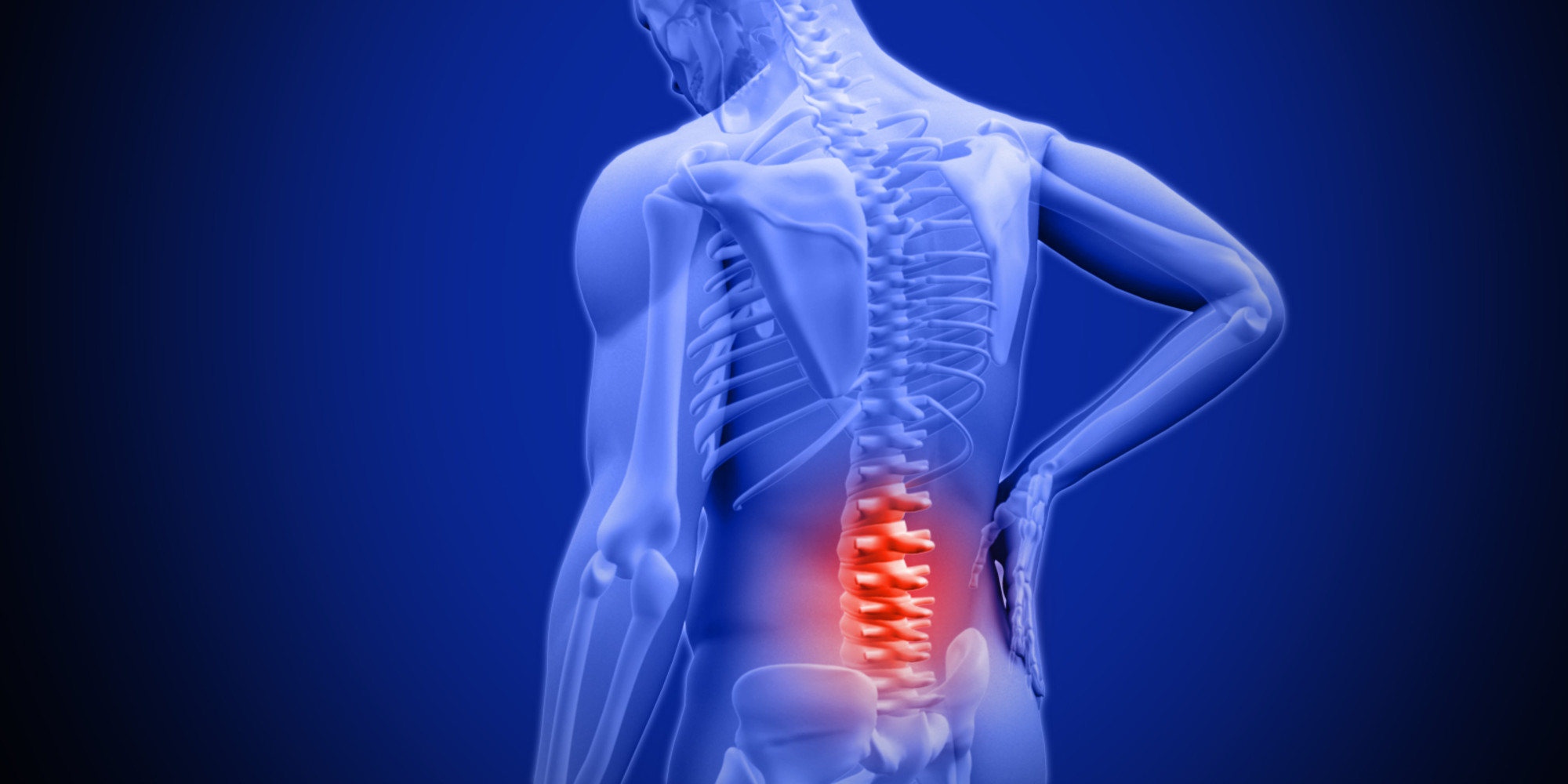
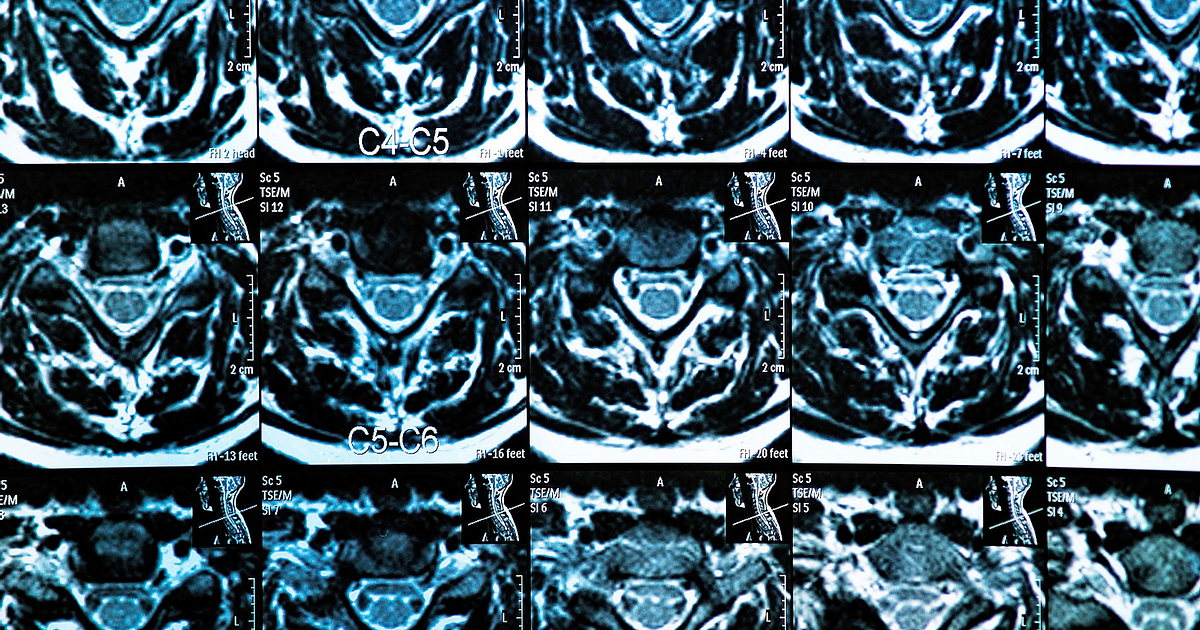
Will an MRI tell me why I have Back Pain?

Will an MRI tell me why I have Back Pain?

By APA Sports & Exercise and Musculoskeletal Physio, Rick Bain


Wouldn’t you love to have xray vision?

To look deep inside someone’s anatomy & skin & diagnose their problem(s) immediately, with amazing accuracy?

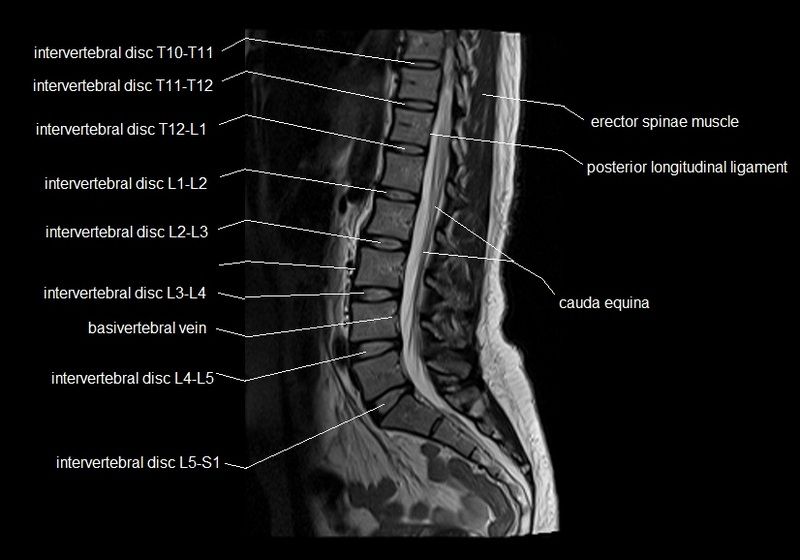
It is a lovely thought; however, we all live in the ‘real world’. As physio’s, we have a love-hate relationship with imaging (Xray, MRI, CTscan, Bonescan, Ultrasound and more) when it comes to back pain. Primarily because they produce ‘false-alarms’.

MRI is an amazing technology, providing clear visualisation of the body’s tissues. This can be invaluable in the right situations. However, with great power, comes great responsibility; and its power is not being wielded appropriately when it comes to low back pain.

We all generally accept more and more wrinkles as we get older. But just like the wrinkles on the outside, we also get ‘wrinkles’ on the inside in the form of degenerative changes of our discs and joints. In fact, our spines usually look worse on scans than they are.

Research after research has demonstrated a high percentage of “problems” on spinal MRI in people without symptoms. For example, one such study reported 30% of 20-year olds and 60% of 50-year olds have “disc bulging”, and 37% of 20-year olds and 80% of 50-year olds have “disc degeneration” in people without any symptoms.

So, what we have learnt is that Diagnosing someone’s low back pain mainly on imaging findings is usually misleading.

Low back pain is extremely multifactorial, and the ‘wrinkles’ found on MRI imaging are only one small piece of the low back pain puzzle. Factors such as activity levels, weight, lifestyle, mental health, even whether you smoke or not, are known to be much more important factors impacting low back pain than those horrible sounding, yet often innocuous findings on MRI.

Physio’s have long understood that you simply cannot reliably diagnose low back pain with MRI in isolation, and the ‘false alarms’ they produce can often do more harm than good. Sounds scary to be told “you have disc bulging or degeneration at L3,4 levels”, right? Unless this fits with the person’s clinical picture, these “false alarms” may lead to stress/anxiety, fear of movement and activity, and longer-term reduced mobility and deconditioning, leading some people into a cycle of low back pain.

This is not a new issue.

Clinical guidelines for the management of low back pain produced by the American College of Physicians and American Pain Society in 2007 stated that “it is strongly recommended that Physicians avoid using MRI and Xray for low back pain unless it is ‘really rather bad’”. ‘Really rather bad’ refers to persistent and severe neurological symptoms, spinal cord involvement, or non-musculoskeletal causes such as cancer. In these situations, MRI can be an absolute blessing.

This same message has been published and re-published in clinical guidelines ever since. Clearly it is a slow message to get through. When we see clients presenting to us in clinic with acute low back pain, and their GP or other health professional has performed premature imaging, it can be a hard sell to educate them on the relevance of their scan. Especially when they have been provided a diagnosis by their GP based on imaging findings by a radiologist who interprets imaging without the context of the client presentation, so without knowing your symptoms and testing your presentation and what you can/can’t do. There are only few occasions when early imaging helps the initial stages of low back pain management.

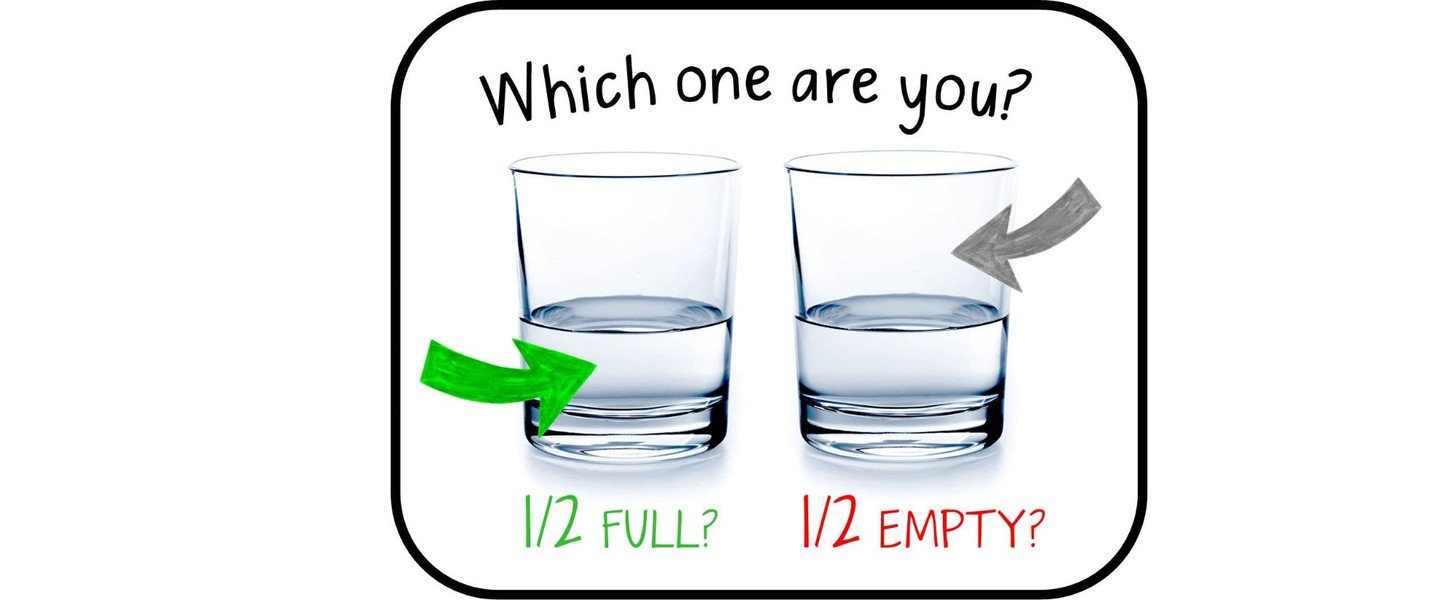
Are you a ‘glass half empty or half full’ person?

Here is a test. When your physio tells you, “Your scan does not assist in diagnosis”, do you think “nobody can tell me what’s wrong with me”, “OMG, I have degeneration, I wont be able to work ever again”;

OR, do you think “I’m happy to hear that my MRI shows no concerning changes and what was reported by the radiologist are just normal findings in most scans”?

Your ability to understand the true nature of your low back pain and to trust in the rehabilitation pathway & guidance provided by your Physio is greatly impacted by whether you are a ‘glass half full or half empty’ kind of person.

If you are not sure whether you require or warrant further imaging, our physiotherapists are well placed to assess and help guide you. If you have recent MRI’s for your low back pain and feel this article challenges everything you (thought) knew about the results, feel free to consult with us and we will be happy to shed unbiased, accurate light on your individual scenario.

Phone 07 55006470 or Book Online for an appointment with our experienced Gold Coast Physio Team.

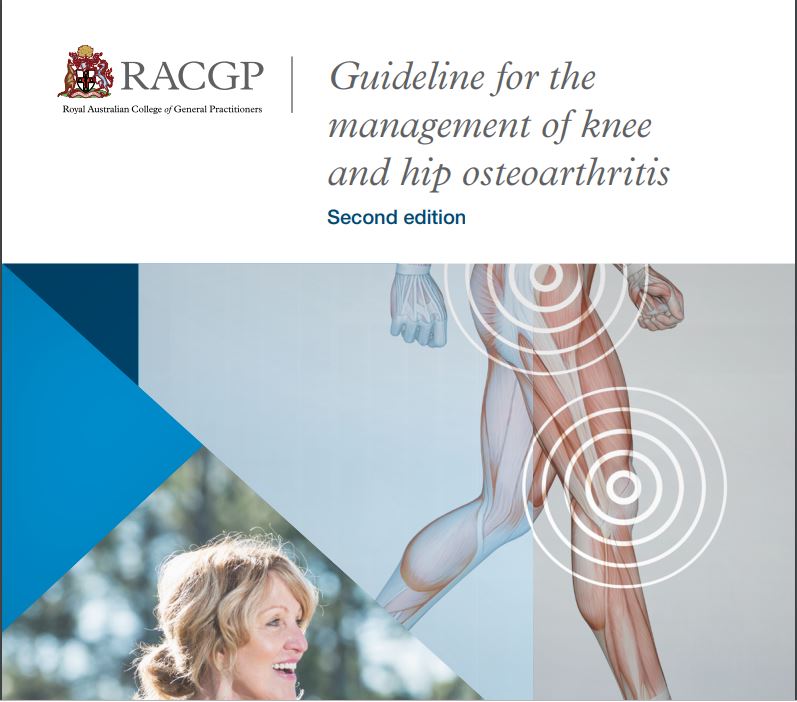
Why Does Exercise Help Reduce Knee Pain in Knee Osteoarthritis?

Why Does Exercise Help Reduce Knee Pain in Knee Osteoarthritis?

By Physio & registered GLA:D Therapist, Sam Mclaren

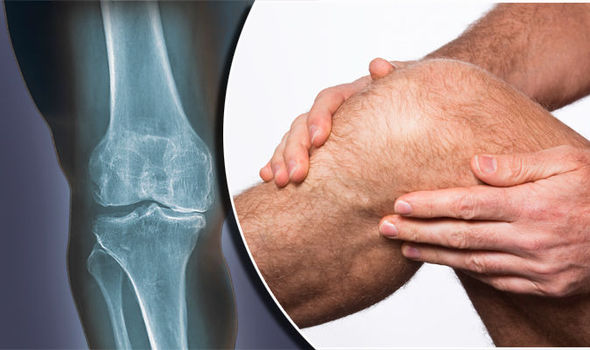
A very common belief held by patients with knee Osteoarthritis (OA defined as a degenerative joint pathology) is that their knee pain is caused by the current degeneration and degradation of the cartilage within their knee joint i.e. “wear and tear”.

As it progresses to “bone on bone” with sensations of stiffness and cracking/crunching/grinding noises, we can develop an image or representation of our knee such as a rusted out car part, that eventually with more repeated movements and forces will one day break. We may be told to avoid high impact activities such as running and jumping in order to protect the knee, and perhaps delay a few years the inevitable – getting that rusty part replaced for a new shiny artificial one in the form of a total knee replacement.  BUT IS THAT WHAT ACTUALLY HAPPENS????

And what about the role of Exercise in “fixing” this knee OA?

On a knee that already hurts by doing not much at all, like walking to the letterbox, taking a few stairs to your seat at the footy or even just sitting in the car to work, can exercise actually heal the cartilage damage and improve the ‘wear & tear”????

Luckily, unlike a car, our body is made up of many complex biological systems that have an amazing ability to change and adapt. And we also know that osteoarthritis is a condition that isn’t solely based on structural damage to the joint. Many people develop structural changes within their knee joint that via an X-ray would be diagnosed as knee OA but they have NO pain or limitations doing the things they love to do. How is this so?

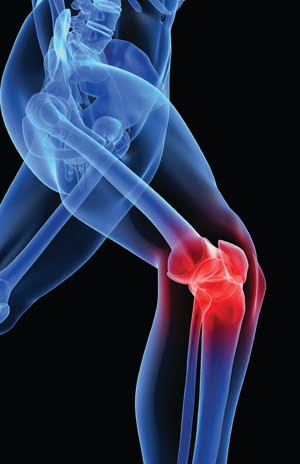
You see, the pain from osteoarthritis is always going to be the result of many different factors that are individual to you. Rather than focus on only the structural changes within the knee joint (such as a reduction in the amount of cartilage that covers the bony surface – as these are definitely still a factor), there may be several other factors that can manage to alter pain and functional loss.

Experts in the field now view osteoarthritis as a process rather than an entity, where the normal systems that keep our bodies running at a stable equilibrium (i.e. homeostasis) are altered, with inflammation likely being a key contributor. Inflammatory chemicals sensitise the nerves in our pain system, which there are many within the knee joint and surrounding soft tissue structures.

Our general levels of inflammation within the body can be contributed to by many different factors – our overall level of exercise, our diet and nutrition, our proportion of fat mass vs lean mass, sleep quality and quantity and stress levels, genetics and likely several more all will impact. But for each individual, some of these may be very important and others less so. In the mind of a great Physio, high value patient care is about your physio being your individual coach – we can help you manage these various factors in a way that is tailored to your situation as a person holistically.

Back to the role of exercise

We know from over 50 high quality scientific trials and the consensus of international experts (and development of several clinical guidelines) that ALL patients with knee OA should be offered exercised-based therapy, weight loss management if they are obese and high quality education about the condition and best self-management strategies!!

However, it seems that at least within these trials that there isn’t clear if one specific type of exercise is better than others, therefore the exact mechanism why exercise reduces knee pain isn’t perfectly understood yet. A combination of aerobic and resistance based exercise that is performed at least two to three times per week seems to be the best at providing a minimum dosage of exercise that the knee will start to improve with.

There is a  new program worldwide called the GLA:D® program for Hip & Knee OA (or “Good Life with Arthritis: Denmark”). It is an education and exercise program developed by researchers in Denmark that helps people with hip or knee osteoarthritis symptoms have less pain and improve function – so they can do all the things they want to do!  Gold Coast Physio & Sports Health has the program running in Clinic and early patient data from the GLA:D program has revealed many great improvements from just twice weekly supervised sessions for 6 weeks (see our GLA:D info here).

Generally, with long term pain your body and brain has probably developed some movement strategies that aren’t really optimal for building capacity around the knee. Moving in this way can then cause ongoing stiffness and weakness, and when we lack strong, robust muscle control around the knee (and also the hips and trunk), we can get caught up in a vicious cycle of pain and further functional declines that tends to limit our independence as we get older.

Therefore a high skilled and experienced physiotherapist (*cough cough- insert “We can Help you here”) can find the right entry point of exercise for your knee, based on your history and movement patterns. Sometimes a subtle tweak in technique, an exercise selection or manipulation of other variables such as intensity (how ‘hard’ an exercise is on the system) and volume (how many repetitions of an exercise you do) is all it takes to start to find the perfect exercise dosage for your knee. Too little and we don’t challenge our system enough in order for it to adapt, and too much too soon will often result in a painful flare-up. Some mild discomfort is perfectly normal to begin with, but this decreases with time and we always ensure it’s never to a bothersome level where it interferes negatively with your life.

As you may have heard, Sam is  now commencing GLA:D (Good Living with Arthritis) Exercise Program in small groups in clinic. Call the clinic for more info on 07 55006470  – if you have knee or hip OA and are struggling to do the things that make you happy, Sam would love the opportunity to help!

Burleigh Physio Runaway Bay Physio
Physio Ashmore Burleigh Gold Coast
Loading...