13/345 Southport-Nerang Rd, Ashmore Q 4214
12/110 Kortum Drive, Burleigh Heads Q 4220

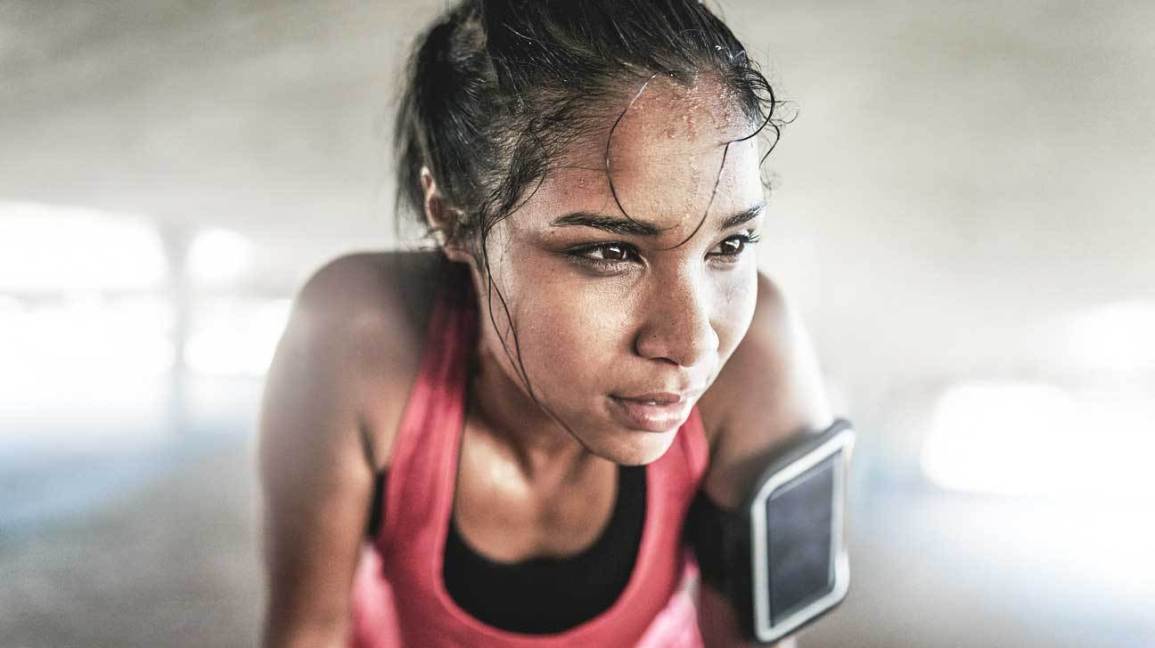
Have you had your sweat tested?

Have you had your sweat tested?

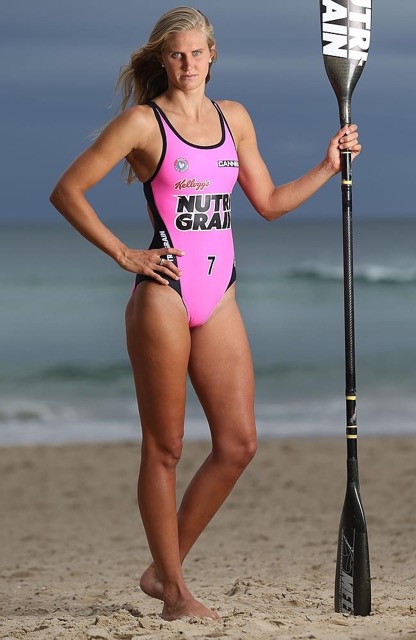
By Accredited Exercise Physiologist & Australian Surf Ironwoman, Harriet Brown

Do you experience cramping when exercising or doing activity, or even at rest?
Do you fade towards the end of a race, game or training session?
Do you have stomach issues when competing?
Or are you just looking for an edge to be the best athlete you can be?

A sweat test may be your answer.

As an Athlete and Exercise Physiologist I have had firsthand experience and seen how a sweat test can help many athletes.

What will a sweat test tell me?

You have a unique sweat rate and you have a unique sodium concentration in your sweat. Sodium is the main electrolyte lost in sweat. Having tested thousands of athletes we have seen how sweat rates (loss of sweat in L per hour) and sodium concentrations vary between individual athletes. A sweat test provides you with important information about the sodium concentration in your sweat as well as your sweat rate. These are your numbers. Your sodium concentration in your sweat does not change so you will only need to do a sodium test once. What does change is the volume of sweat that you lose. The sodium concentration in sweat can vary immensely between athletes. Of the 1500 + tests that have been done the lowest has been 293 mg of sodium per one litre of sweat and the highest 3084 mg of sodium per one litre of sweat. A sweat test can easily be performed by placing special test patches on your arms and exercising for 1 hour at race pace intensity. These test patches are then analysed to give you the sodium concentration in your sweat.

Why are these numbers important?

When you plan your nutrition and hydration strategy for competition or training, do you just make it up? Do you guess what you need? Have you read a blog online? Or do you replicate what your training partner or coach does because they suggest it?

By knowing the sodium concentration in your sweat and knowing your sweat rate in various environmental temperatures you can start to create a more accurate hydration plan of how much to drink, how often and how much sodium to replace. Given we are governed by our stomach and how much it can process while at elevated heart rate you will never replace all that you lose. The plan, especially for long duration events is to bridge the gap as best you can between how much you are losing and how much your stomach can process. A guide is to aim to replace around 50 – 60% of your losses for fluid and sodium.

Why is sodium so important?

Hydration should be replacing what you lose in sweat. Of the electrolytes you lose in your sweat, sodium is the most important. Sodium is extracellular, meaning it is present in your blood, whereas potassium and magnesium are intracellular, meaning they are present in your cells. You lose more sodium than any other electrolyte and sodium loss has the biggest impact on your performance. Therefore, replacing sodium should be the focus of your hydration plan. To highlight how important sodium is, if you are sent to the medical tent with a heat related illness after competition it is most likely you will be given a saline drip. In most instances this will be a Hartmann’s solution, which is a one litre bag of pure water with 3000 mg of sodium, 190 mg of potassium and 0 mg of magnesium. Is the hydration product you are using replacing enough sodium?

Minimise your losses

The key to a sound hydration plan is to bridge the gap as best you can between how much you are losing and how much your stomach can process. Sweat comes from the water component of your blood. Your blood is made up of approximately 80% water. A reduction in blood volume results in less blood available to your working muscles and also a thickening of your blood. Less blood volume means less efficient delivery of oxygen and nutrients to your active muscles. Blood thickening also means your heart has to work much harder to pump blood around your body.

Your sweat rate will change depending on the intensity at which you’re exercising and the environmental conditions. The warmer and more humid the conditions, the more you will need to drink. By testing your sweat rate in various conditions, you will gain a greater an understanding of your sweat rate and how to address this.

Nail your hydration strategy

Over the years, those athletes who have experiences muscle cramping have generally had a higher sweat rate and/or higher sodium concentration in their sweat. By addressing their hydration needs, they are been able to eliminate muscle cramping. If you don’t get your nutrition and hydration strategy right, you may experience cramping, stomach issues, fatigue, dehydration, poor performance and not realise your true potential.

Personally, as an athlete, doing a sweat test and knowing my sweat rate and sodium concentration in my sweat was a game changer when planning my nutrition and hydration for the Molokai to Oahu 52km Paddle Board World Championships. I felt great throughout the race despite the hot temperatures. I attribute my three race wins and record time to ticking all of the boxes, one being correct hydration and nutrition. The ocean is unpredictable enough, I didn’t want to leave anything else to chance.

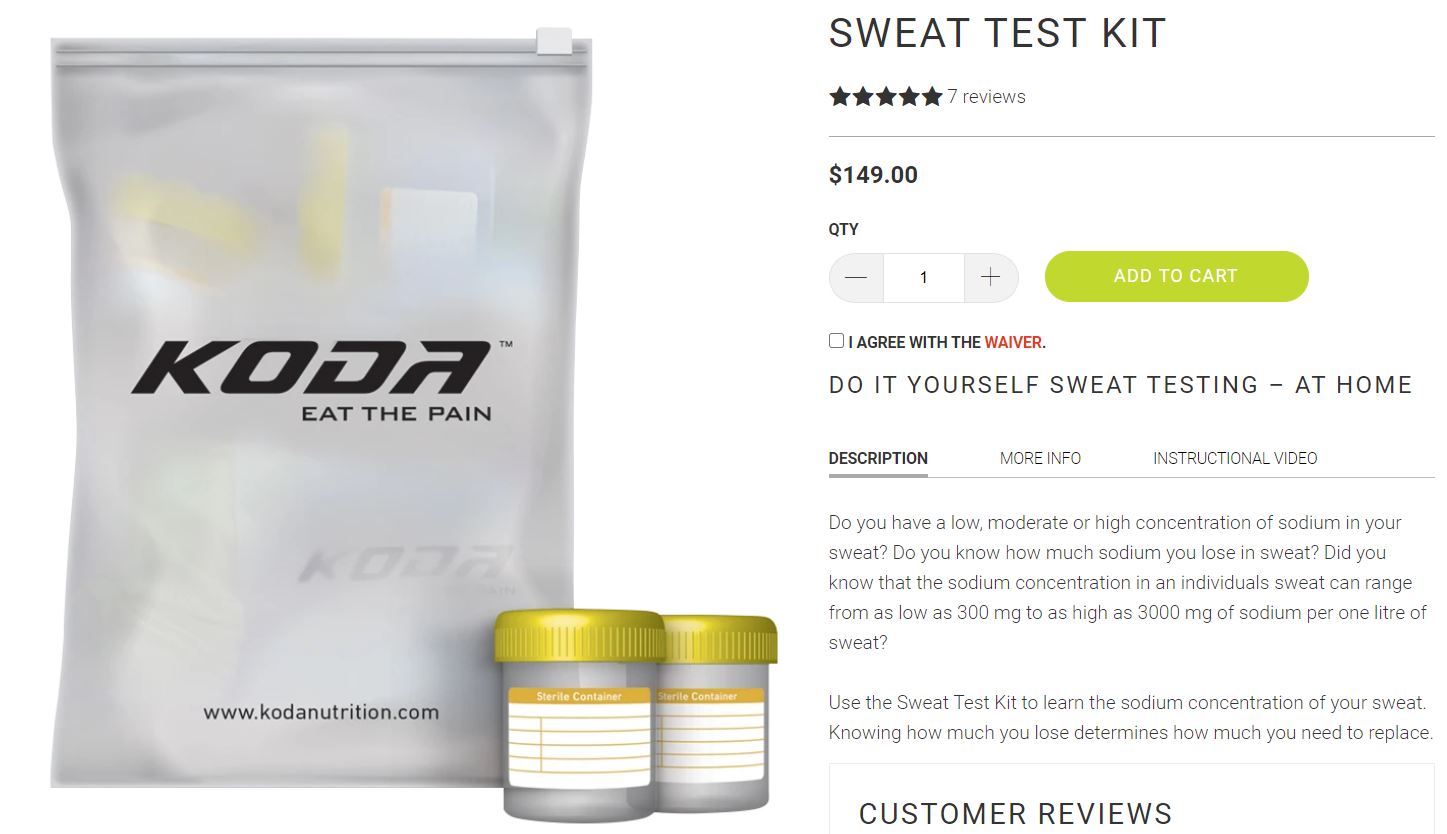
You can order a sweat test online at Koda Nutrition Sweating Testing and Contact Harriet at BURLEIGH clinic by phoning 07 5500 6470 for further information.
Your Feet Will Thank You for Reading This

By Senior Massage Therapist, Tim Harman

How much do you care for your feet?

Do you just take for granted that they’ll do whatever you ask of them? They are, after all, your connection with the ground, so every step you take they keep you upright, stabilise you, absorb impact and help propel you to the next step. If you’re an active person, in any way, the forces on your feet are even greater.

Your feet really are a marvel of engineering and design so we thought we’d take a look at them:

  • The average Australian takes 5000-7000 steps per day but there’s a huge range in this. For example, an office worker would be at the bottom end of the range but a waiter can take up to 22,000 steps (not to mention a Physio or Massage Therapist continually moving around on their feet treating around the table)!
  • Each foot has 26 bones (almost a quarter of the human body total), 33 joints,19 muscles, 10 tendons and 107 ligaments.
  • Your big toe is especially important as it plays a critical role in balance and weight bearing, especially in runners
  • The foot and ankle are designed with arches which act as natural shock absorbers
  • Feet have around 25,000 sweat glands each, so they sweat a lot. Eeeewwww!! Keeping them dry is definitely a good idea!
  • In 1977 the run shoe revolution began when an aerospace engineer took the idea of an air cavity in the heel of a sports shoe to shoe manufacturers. From there Nike ‘ran’ with the ’Tailwind’, which took off like wildfire and the rest is history

Now, here are some great home maintenance tips to keep your feet Healthy & Happy:

• Try some hot/cold Therapy for you aching feet: use a cold bucket to hot bucket of water, back and forth a few times. This will do wonders for how your feet feel & replicates the hot/cold therapy our elite athletes do to help their bodies feel better from training.
• Keep your feet clean and dry, moisturise weekly, socks should be worn once only before washing.
• Do regular movement. Like everything, they do better when they’re moved in moderation.
• If you are having foot pain or blisters, we recommend seeing a podiatrist at least once to get recommendations on what run or exercise shoe best suits your foot.
• Bare feet are great for airing and strengthening and REALLY enhances your proprioception (stimulation of yoru receptors that tell your brain where you are in space). So don’t be addicted to having shoes on all the time. Going bare-foot helps keep connective tissue in the ankle and foot strong. Some gym exercises like box jumps are great bare footed also.
• Socks that are breathable are great because they move sweat away from the skin. Sweat that sits on the skin of your foot can lead to unspeakable conditions & GROWTHS!

Some Tips for Runners in particular… (including sports that run!)

• Your feet have a flow on effect to the ankles, knees and hips-  so start loving them. They absorb more force than any other part of the body. In fact, apart from knees, they are the most common body part that gets injured.
• Your shoes have a life span that will be a little different for each shoe and each body and sport. This includes shoes you just wear to the gym as they lose absorptive quality. And if you’re a heavyweight, wear times are even faster. Many foot and ankle injuries we see could be prevented by regular renewal of shoes. A great tip is to write the date of purchase of your shoes on the outside sole so you can keep track of just how old they are
• There are hundreds of good foot massaging tools out there (we sell some of them inc clinics).  It’s a really simple and effective habit to get into to self massage

AND Finally…

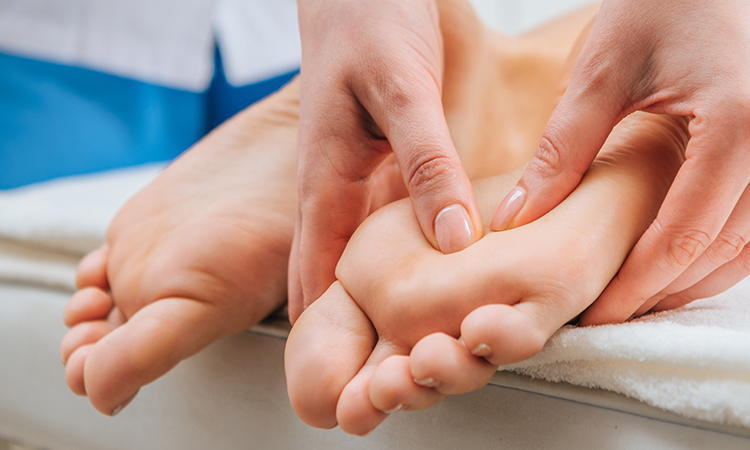
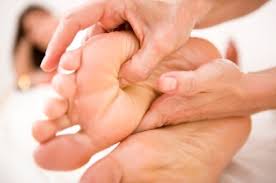
Ask your massage therapist to massage your feet. I firmly believe, having massaged for 20 years, that a deep release of the tissue in feet and ankles is not only good for the feet but can influence the chain of tissue that connects from the feet and overlaps muscles all the way up the back of your legs as far as the lower back.

phone us on 07 55006470 or Book Online

Live a Good Life with Osteoarthritis (GLA:D Australia)

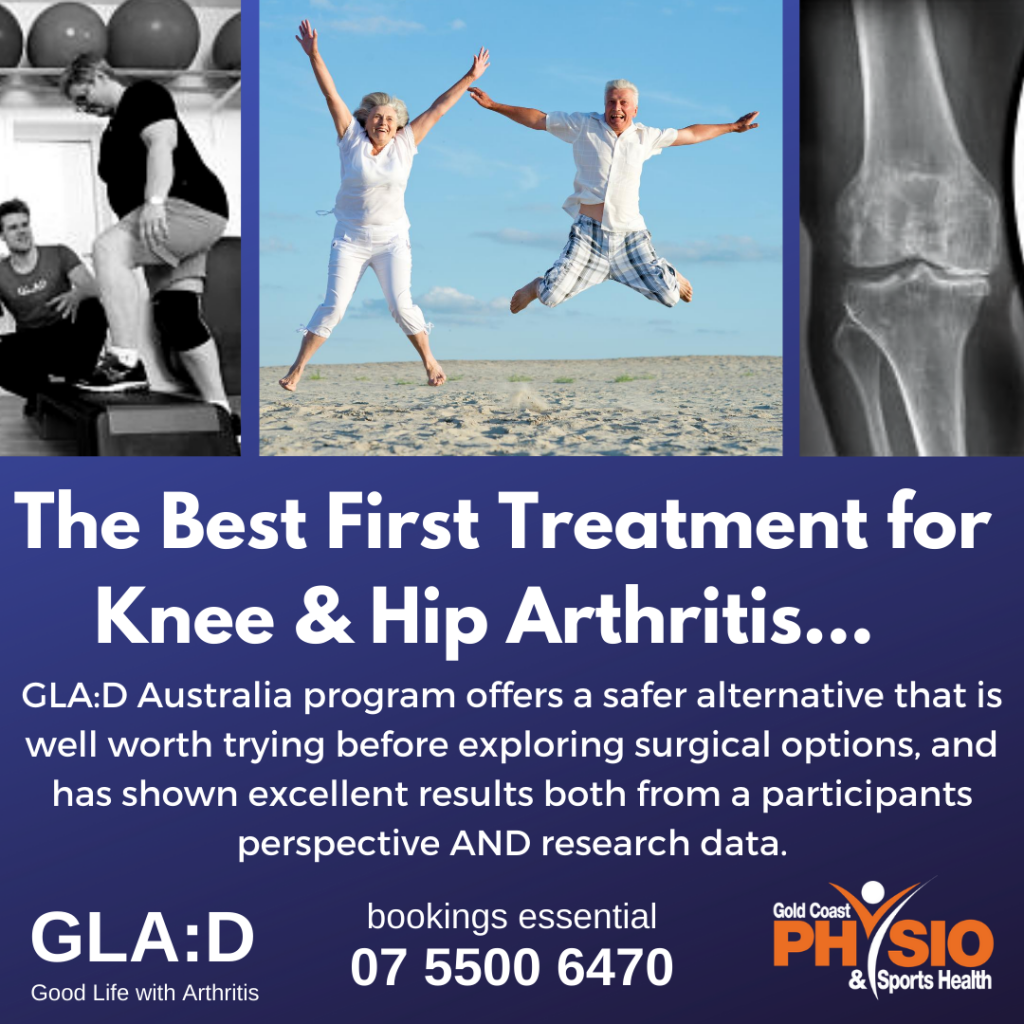
GLA:D (Good Life with Arthritis) Australia: The Best First Treatment for knee and hip arthritis

GLA:D®, (or “Good Life with Arthritis: Denmark”), is an education and exercise program developed by researchers in Denmark that helps people with hip or knee osteoarthritis symptoms have less pain and improve function – so they can do all the things they want to do!

Osteoarthritis (OA) Treatment in Australia

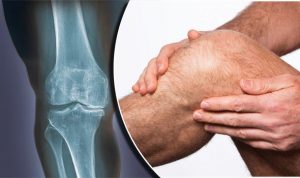
OA is the most common lifestyle disease in individuals 65 year of age and older, but can also affect individuals as young as 30 years of age.

Current national and international clinical guidelines recommend patient education, exercise and weight loss as first line treatment for osteoarthritis.

In Australia, treatment for OA usually focuses on surgery, HOWEVER the GLA:D Australia program offers a safer alternative that is well worth trying before exploring surgical options, and has shown excellent results both from a participants perspective AND research data.

What does GLA:D involve?

This education and exercise program reflects the latest evidence in osteoarthritis (OA) research. It also includes feedback from people with OA and physiotherapist’s on what works in the real world to help patients manage OA symptoms.

GLA:D Australia training consists of:
• A first appointment explaining the program and collecting data on your current functional ability
• Two education sessions which teach you about OA, how the GLA:D™ Australia exercises improve joint stability, and how to retain this improved joint stability outside of the program for long term results
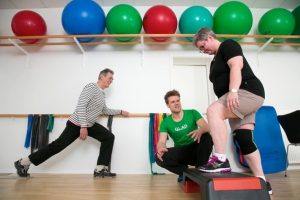
• Group neuromuscular (brain-muscle) training sessions twice a week for six weeks to improve muscle control of the joint which leads to reduction in symptoms and improved quality of life

Traditionally, education and group exercise has been conducted in a face-to-face environment.

However we have transitioned the program to be totally online via Telehealth in the current covid19 environment.

Research has shown that education and exercise prescription via Telehealth for patients with knee osteoarthritis is as effective as face-to-face, with high patient satisfaction. Telehealth also has some great additional benefits in our current climate:

• Self-isolation status can be maintained
• Reduced social isolation as our education and exercise classes are still conducted in a group environment, so you can interact with peers and exchange knowledge and ideas (and just have fun exercising together!)
• The physio can see you doing your exercises in your own home, so they can check you are performing the exercises correctly within your own environment
• 1:1 initial and follow up appointments are completely bulk-billed (if referred under Telehealth EPC plan via GP)

Can I Participate in GLA:DTM Australia?

GLA:D™ Australia is a program for all individuals who experience any hip and/or knee osteoarthritis symptoms, regardless of severity.

The physio can prescribe the correct exercises at the right dosage to ensure your pain and function improves over time, not worsens.
We recommend you participate in the GLA:D™ Australia program if you have a hip or knee joint problem that resulted in visiting a health care provider.

You may not be able to participate in the GLA:D™ Australia program if:
• You have other reasons for your hip and/or knee pain, including; tumor, inflammatory joint disease, result of hip fracture, soft tissue or connective tissue problems
• You have other symptoms that are more pronounced than the osteoarthritis problems (for example chronic generalized pain or fibromyalgia)
• You are unable to understand and communicate in English

Background of the GLA:D® Program

Research from the GLA:D® program in Denmark found symptom progression reduces by 32%.

Other outcomes include:

  • less pain,
  • reduced use of joint related pain killers,
  • and less people on sick leave.
  • GLA:D® participants also reported high levels of satisfaction with the program and increased levels of physical activity 12 months after starting the program.

This program is unique in that the education and exercises provided can be applied to everyday activities. By strengthening and correcting daily movement patterns, participants will train their bodies to move properly, prevent symptom progression and reduce pain.

For more information regarding Gold Coast Physio & Sports Health GLAD program, call Sam McLaren (Physiotherapist) at the clinic on (07) 5500 6470 or email sammclaren@www.gcphysio.robicoweb.com.au

What to do if you have acutely injured your Knee (Acute Knee Injuries)

What to do if you have injured your Knee (Acute Knee Injuries)

Words by Experienced Physio & previous Carlton & GC Suns AFL Physio, Mark Homewood

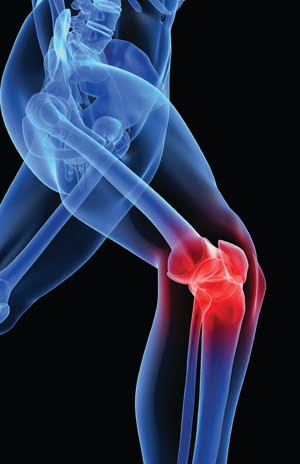
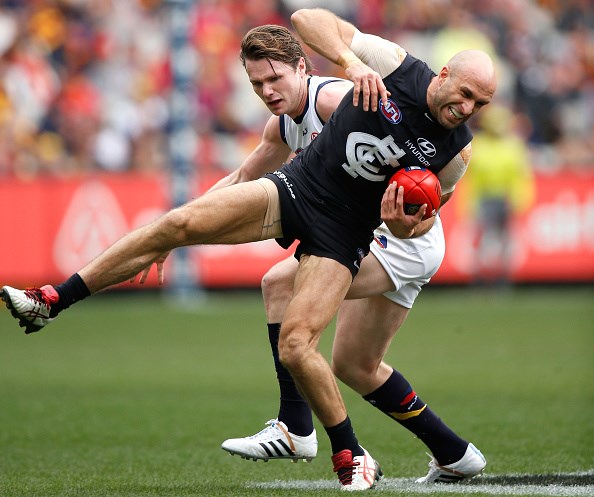
Traumatic injuries involving the knee joint can occur during sports and leisure activities, an accident at work or just going about your daily life.

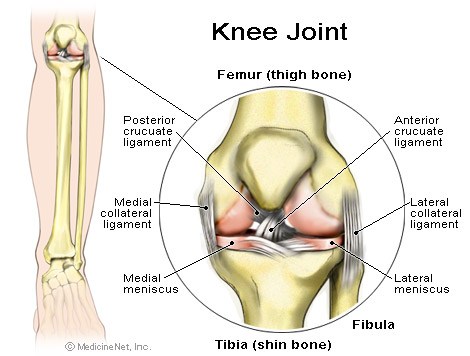
The knee joint, or tibiofemoral joint, is stabilised by a wonderful system of cruciate ligaments (ligaments join bone to bone and these cruciate ligaments control forwards and backwards sliding of the joint), & the collateral ligaments (these control side to side motion of the joint) that work together to passively control forces acting on the knee joint during movement.

Shock absorption within the knee joint is provided by the medial and lateral meniscus, two discs of fibrocartilage that are attached to the top of the tibia and help to protect the articular surfaces of the joint by dissipating and absorbing impact forces during running, jumping or walking.

Trauma to the knee joint involving twisting forces or forces that open the medial (inside) or lateral (outside) side of the joint can damage the stabilizing ligaments of the knee. The injury most commonly associated with knee trauma is rupture of the anterior cruciate ligament (ACL).

The mechanism of ACL injury usually involves landing or cutting movements where the knee drops inwards and rotates inwards over a planted foot. Injury to the ACL is usually associated with extensive damage to the knee joint surface, tearing of the medial collateral ligament (MCL) and meniscal damage.

Other common knee trauma injuries involve isolated injury to the collateral ligaments, rupture or stretching of the posterior cruciate ligament (PCL), acute meniscal tears or damage to the articular surfaces of the joint due to forceful impact between the tibia and femur.

Signs and Symptoms of an Acute Knee Injury

Acute knee injuries commonly involve:

  • a clearly defined mechanism of injury, with possible feelings of “popping” or giving away preceding pain and incapacity.
  • there will often be extensive swelling within the knee joint. This swelling may appear almost immediately or slowly over a period of 12 to 24 hours depending on the structures injured.
  • weightbearing may be limited due to pain and instability.

Diagnosis

Using a combination of extensive questioning about the mechanism of injury, objective orthopaedic tests and clinical reasoning, your physiotherapist will be able to help diagnose the knee structures that have been injured.

Diagnosis may also involve referral for diagnostic imaging, most commonly an MRI, to help confirm the exact extent of damage and/or referral to an Orthopeadic Specialist.

Management

Management of your acute knee injury is dependent on which structures have been injured. Extensive damage to the joint, such as an ACL rupture or complex meniscal injury will usually require consultation with an orthopaedic surgeon to ensure appropriate management, which may involve surgery (although it is very possible to lead a normal life without these ligament structures repaired).

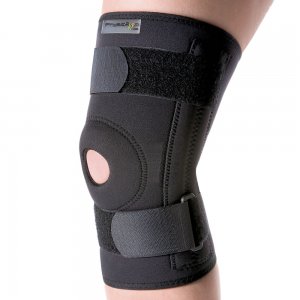
Less severe injuries can be managed with a period of bracing or taping to help protect the injured structures and allow time for adequate healing, and occasionally crutches are also needed for a short period.

During the early phase of recovery, it is crucial to gain control of knee joint swelling to help prevent excessive quadriceps muscle wasting and poor joint function. At Gold Coast Physio & Sports Health we have ice/compression units that can be used to assist controlling the swelling and pain, and we sell braces & crutches to help your management. Your Physio will help guide you on the best options.

Once pain and swelling are controlled, your physiotherapist will work with you to help prescribe lower limb strength and range of motion exercises to help you and your knee to return to peak performance.  This may involve basic, through to advanced exercises for both your knee and your whole leg.  We have a rehab gym space available to allow us to help you return to full function- whether that be for daily living, work, exercise or sport.

If you experience an acute knee injury and would like an accurate diagnosis and a comprehensive plan to manage and rehabilitate the injury , make sure you come and see one of our experienced Physio’s at Gold Coast Physio & Sports Health. Book Online or phone us on 07 55006470.

Burleigh Physio Runaway Bay Physio

Loading...