13/345 Southport-Nerang Rd, Ashmore Q 4214
12/110 Kortum Drive, Burleigh Heads Q 4220

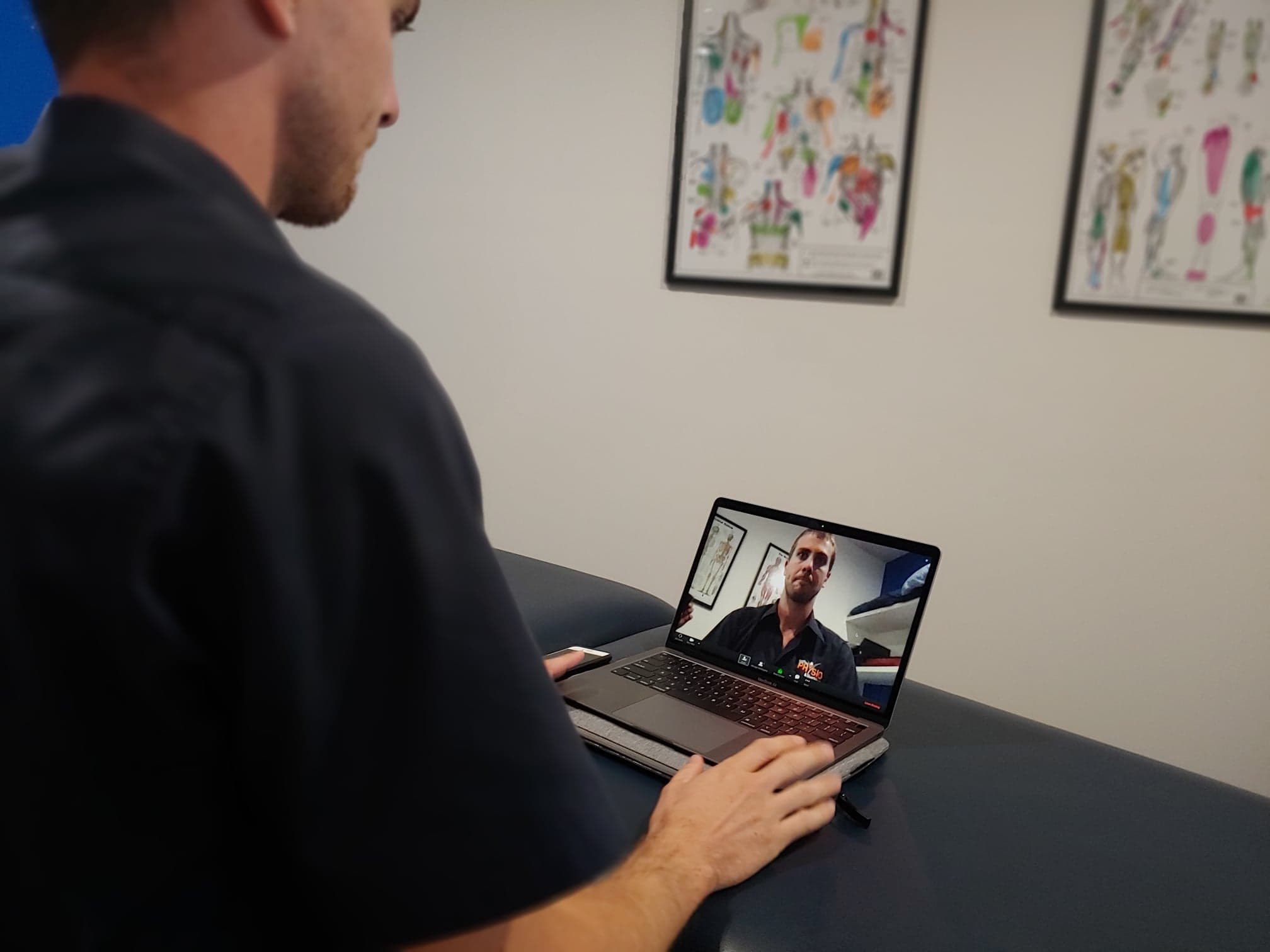
Telehealth Online Consults Now Available at Gold Coast Physio & Sports Health

DID YOU KNOW PHYSIO & EXERCISE PHYSIOLOGY CONSULTS CAN BE PERFORMED ONLINE FROM THE SAFETY & CONVENIENCE OF YOUR OWN HOME OR OFFICE?

While our in-clinic Physio consults usually involve ‘hands-on’ treatment, and Exercise Physiology involves face-to-face contact, we guarantee you can still get amazing benefits from an Online Consultation. Physiotherapy as a profession has moved away from a reliance on complex machines and more towards structured management & rehabilitation plans, with education & progression that you can perform under our guidance without needing to attend in clinic.

And the great news is there extensive research evidence to support the benefits of Telehealth Online consults.

At Gold Coast Physio & Sports Health, we are now offering  these Online Telehealth consultations to help you achieve your health, activity, exercise and sporting goals, from the safe & hygienic location of your choice, including the comfort of your own home!

WHEN SHOULD YOU CONSIDER A TELEHEALTH CONSULT? IMAGINE THIS….

  • What if you have a Consult booked in Clinic but your work schedules an important last-minute meeting that doesn’t leave you enough time to get to the Clinic, but you desperately need advice on how to progress to return to running program after a bone stress injury so you don’t re-injure?
  • What if you have a sick child at home so you can’t make the appointment you have booked in clinic, but you desperately still need Physio advice or assessment for your shoulder pain?
  • What if you have just had a repeat episode of acute low back pain and you can’t drive to the Clinic?
  • What if the exercises we have given you for your achilles pain are making the pain significantly better but you are travelling overseas for a few weeks away & need to know the exercise progressions?
  • What if you strained your Calf muscle, are following the management & exercises prescribed already from a few clinic visit consults, but then you have to work from home for the week while your wife is away travelling, and you really need to know the next progression of rehab exercises?
  • What if the World gets shut-down in a period of isolation due to Covid-19 or other threat and you still need physio advice and direction?

No problems at all-  this scenarios are the perfect opportunity for you to benefit from a Telehealth Consult.

If you know you are not able to attend clinic, we can pre-book a Telehealth Consult.

If you need a last minute appointment change due to not being able to get to clinic, simply call us and we can change your in-clinic appointment to a Telehealth/Online Consultation.  We will confirm with your Treating Therapist that this change still benefits you.  The only difference may relate to whether or not you are able to claim Private Health Rebates for this appointment change (see below in Other Frequently Asked Questions for this).


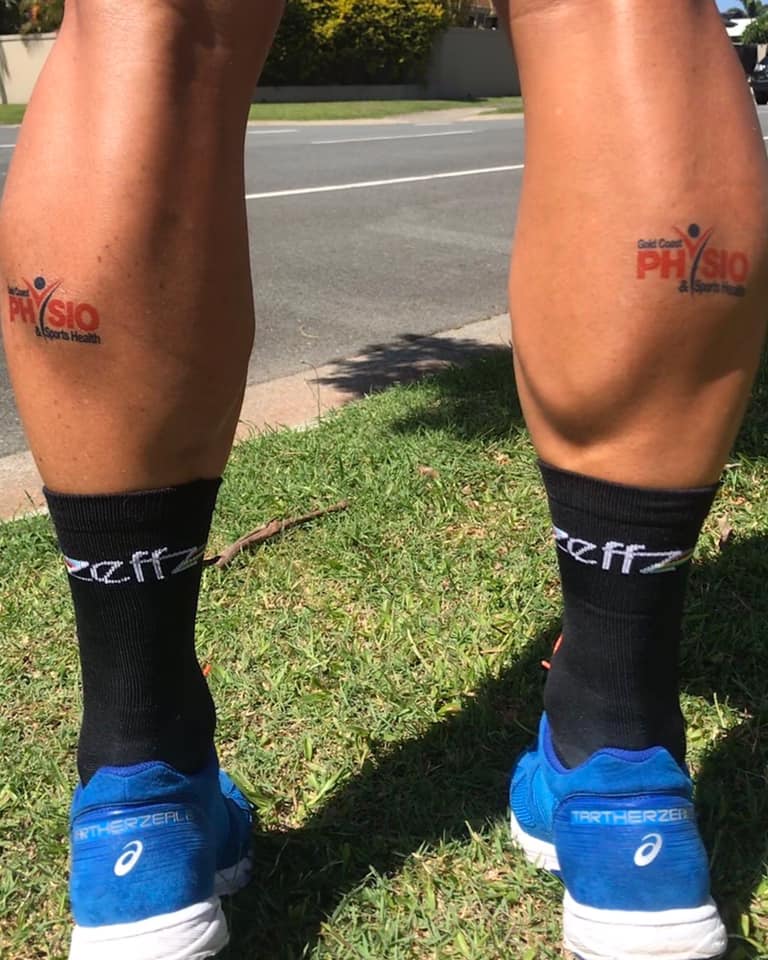
Do you Suffer Calf Pain when you Run?

Do you Suffer Calf Pain when you Run?

By Physio & current National Champion, Ultra-running 20-25yrs 50km & 100km, Kyle Weise 

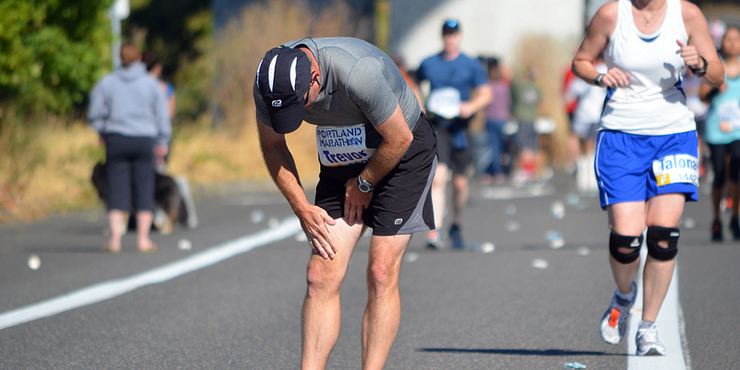
Most runners know the feeling of running along and then out of nowhere, ‘pop’, a sharp pain in your calf muscle area. Or some mornings when you wake up with a tight calf muscle and start running and it doesn’t warm up like usual, and stiffness or pain just gets worse and worse.

Over the last few months in the clinic we have seen a rise in the number of runner’s presenting with first time and recurrent calf strains. This is a very common injury in runners.

Many runners become very frustrated with recurrent calf pain & this type of injury, as they will feel like they are on top of it and then they end up right back at square one with a re-strain.

So let’s take a look at what happening’s in a Calf Muscle Strain Injury:

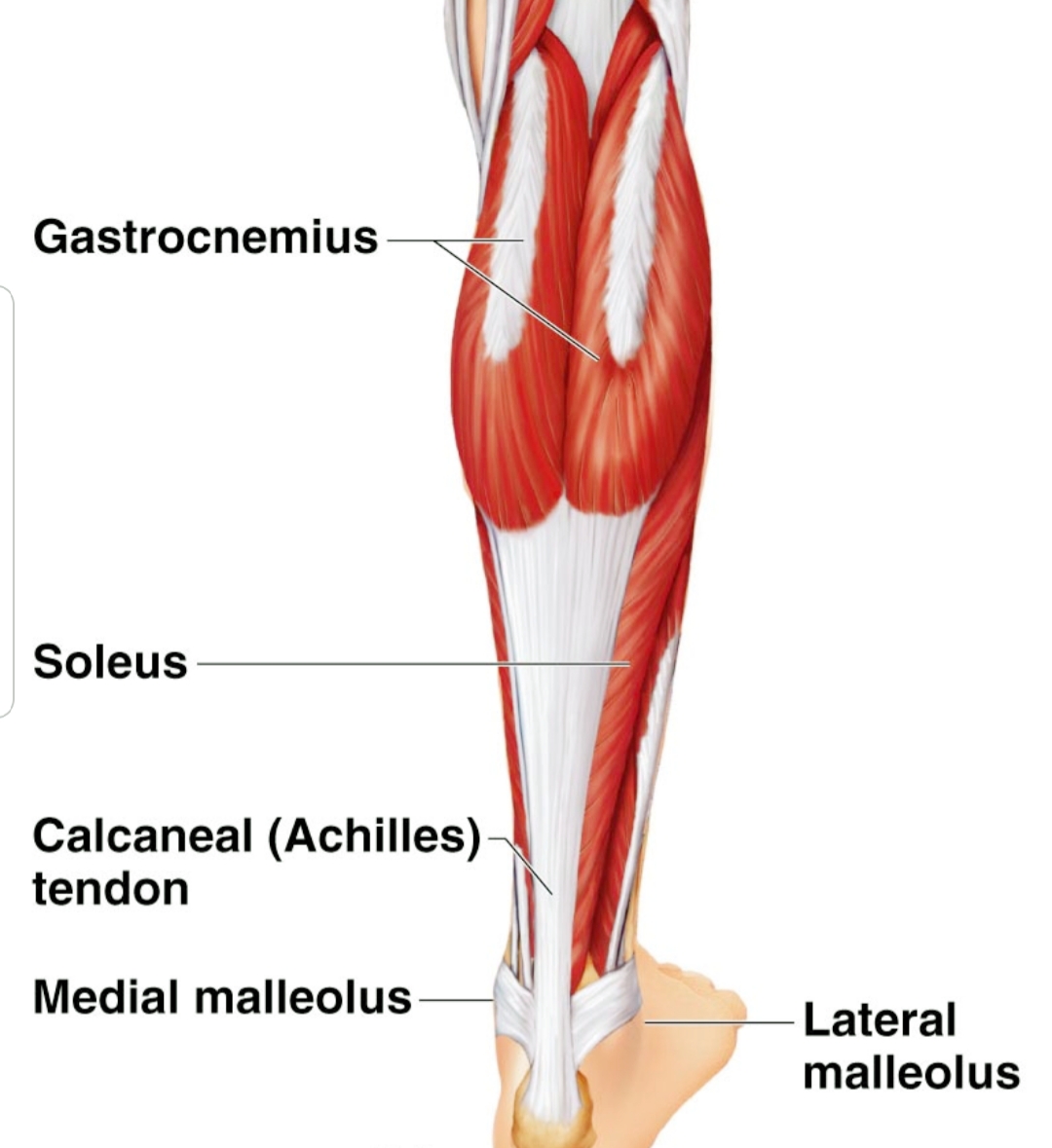
The calf muscle is made up of two different muscles: the Gastrocnemius which is made up of the medial (inside of leg) and lateral (outside) heads, and is the muscle that most people think of when they hear the term “calf strain.” Then there’s the Soleus, which runs deeper/under the two heads of the gastrocnemius.

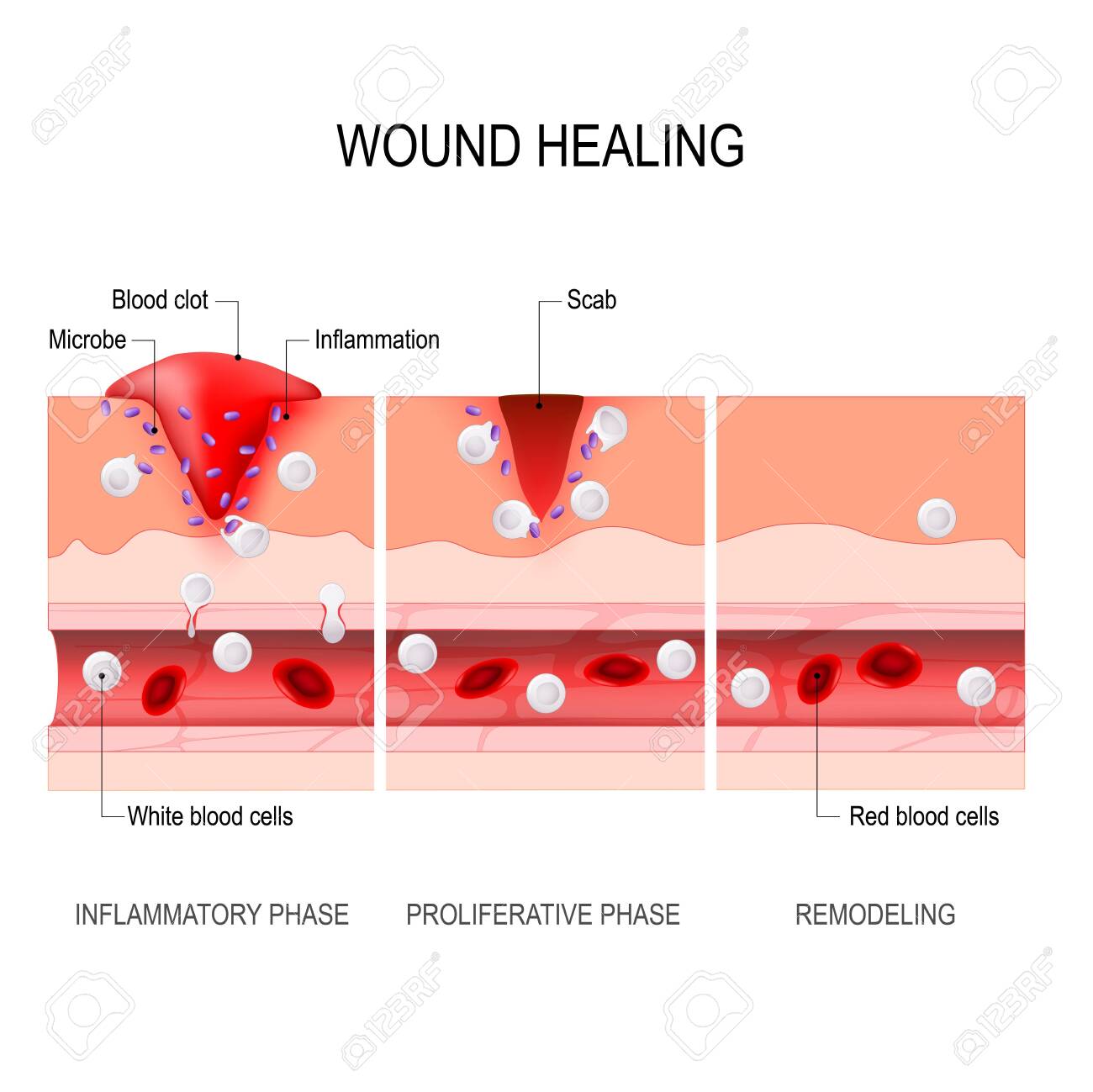
Muscles are made up of lots of muscle fibres, with these bands of fibres running in parallel. A muscle strain occurs when the force applied to these fibres exceeds the resistance strength of them. Aliken this to what happens when you cut your skin- the force to the skin fibres was more than they could resistance so you end up with a visible separation in the skin where the skin fibres do not join each other.

Now there are many grades and locations of calf strains in runners, and the time to return to running will vary depending on the grade and location of injury. However, the initial rehabilitation process will follow a similar pathway as each injury will follow a similar process of acute response to the tissue damage and then regeneration, repair & remodelling.  Again, think about what happens with you skin cut- platelets should form a layer that connects the ends of the skin cells, then the cells with the platelets start to change into a cell form that resembles skin cells, then these immature skin cells become stronger skin cells.

It is important to understand that when running, the calf muscles are placed under a high level of load. Research has shown that the force on the calf muscles during running is up to 7x your body weight! Therefore, the goal is to build strength and robustness in your calf muscle to withstand these high forces during running to prevent reinjury.

However, when running, the speed of contraction is much faster than when doing a slow, heavy resistance exercise in the gym. Therefore, the exercises during the strengthening and muscle fibre remodeling phase need to reflect this. This phase is often missed by a large proportion of runners when returning from a calf injury.

Most runner’s will go through a block of heavy slow resistance exercises and be able to complete this symptom free. This is when most runners will return to running as they feel their calf muscle is strong and pain free and therefore ready to return to running- Only to end up back at square one within the next few weeks to months.

This is a classic example of the story I hear from numerous runners who present to the clinic with ongoing calf pain.

It is crucial that a thorough strength and conditioning plan is developed to increase robustness in your calf muscle to allow it withstand the high workload placed on it during running. This exercise plan needs to targets all aspects of how the calf functions during running and should also be planned around a graded return to run program that will be carefully directed by your Physio.

What if your calf pain is not from a muscle strain?

In addition to the muscular causes of calf pain, pain can also arise from vascular (blood vessles), neurologic (nerves) and other skeletal conditions (ie bone) and non-skeletal causes (ie. tumors). This is another reason why it is of great importance to have your calf pain assessed by a physiotherapist to accurately help you diagnose the cause of your Calf pain, and then help direct with the best management plan to achieve your goals of running.

If you have been suffering with ongoing calf pain or recurrent calf strains, you can call our clinic on o7 5500 6570 and book in an appointment with our experienced Physio’s that have an interest in Running to ensure you receive a proper diagnosis and management plan so you can return to running pain free.

gold coast physio for knee injuries

You can TRUST we are CovidSAFE

OUR TEAM WANTED TO LET YOU KNOW THAT WE ARE STILL HERE TO HELP YOU

(Updated 13th Dec 2021)

Your health & hygiene, as well as the health & hygiene of all our staff, & their families remains our highest priority in continuing to help you.

We Thank you for being patient with us while we work our way through our safety and precaution processes once Qld Borders open on December 13th, 2021.

Here is some information we would like to share with you:

Information Specific to When Qld Borders Open

-All our Team will be Vaccinated, as mandated by the Qld Government for the Healthcare Sector

-We remain available for Consult to both vaccinated and unvaccinated clients, both face-to-face and via Telehealth.

    • We encourage you to let us know if you are concerned about your vulnerability status as we can offer some additional precautions to your safety for face-to-face treatments.

The  single most important thing we can all do at this time is:

DO NOT attend the clinics if you have any cold or flu symptoms.

-We know this seems like overkill, but with very little information provided by the Qld Govt on how they will be handling Businesses that are Contact Sites, we need to be a little overly cautious to avoid a temporary closure for deep clean & isolation requirements for our Team.

Vaccination Status

-Please do not be offended that we are currently requesting that you volunteer to share with us your Vaccination status (& date of last vaccination) by allowing us to view your Vaccination certificate when politely requested by our Team.

Your vaccination status does not affect the treatment you will receive, & your status will not be shared.

-We will be storing your vaccination status in our practice management software which meets all privacy and security guidelines.

-Your vaccination status information will only be used for the purpose of completing an internal risk assessment should a positive case present in clinic, and to determine the level of PPE (protective personal equipment) both you and your Therapist may be required to wear during your consult. At this time, Qld Health are still suggesting that Close Contacts will be self-isolated therefore, part of our Risk Assessment is knowing vaccination status & use of PPE while in clinic to avoid our Clinics be closed and Therapists having to isolate and being unable to work.

Other Precautions Our Team Will Be Taking

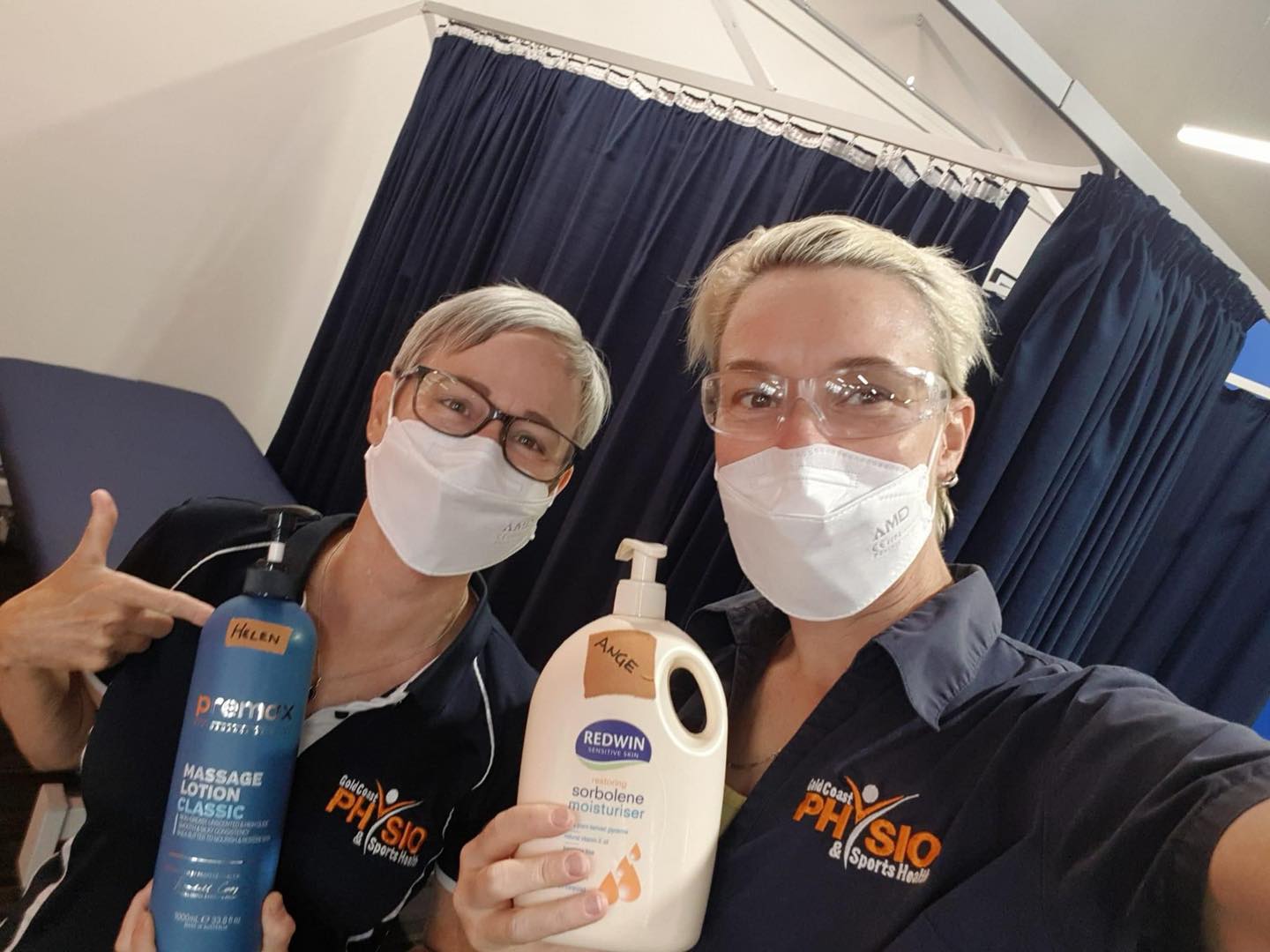
-All our Therapists are hands-on providers (other than Psychology and Dietitian) & will be wearing N95 Respirator Masks & Glasses during your face-to-face Consults until we deem what precautions Qld Health recommends. We will be requesting that you wear a surgical mask while in clinic (except when exercising)

-As an employer of a big Team, we have an obligation to protect our Team, Our Families & all of you who attend in clinic, so unvaccinated clients (or those who do not wish to declare their vaccination status) will also be asked to wear an N95 mask as added protection until we hear otherwise from Qld Health.

    • We will supply you with a fresh mask on arrival & ensure correct fitting. There will be an additional cost to you for this mask that is our purchase price (between $2-$4), or you are welcome to supply your own in intact packaging.

When Attending Your Appointment

-Please continue to Check-in using our QR codes at the doors

-Hand sanitise when you arrive or immediately wash your hands: cleaning should take 20-30 seconds

-We ask that you only walk into the Clinic at the exact time of your appointment and suggest you may like to wait in your car if you arrive early. We aim aiming to reduce the number of people crossing-over in the waiting room

-We have social distancing recommendations in place & we ask you remain 1.5m from Others (except for your Therapist)

-Our Frontdesk Team will be sanitising the Banking Terminal between every use should you need to input a pin. Where possible, WE REQUEST PAYING BY TAP-&-GO to avoid touching the Tyro terminal.

-During Classes, maintain distancing of 1.5m at all times & cleaning as you go will help us A LOT.

Cleaning

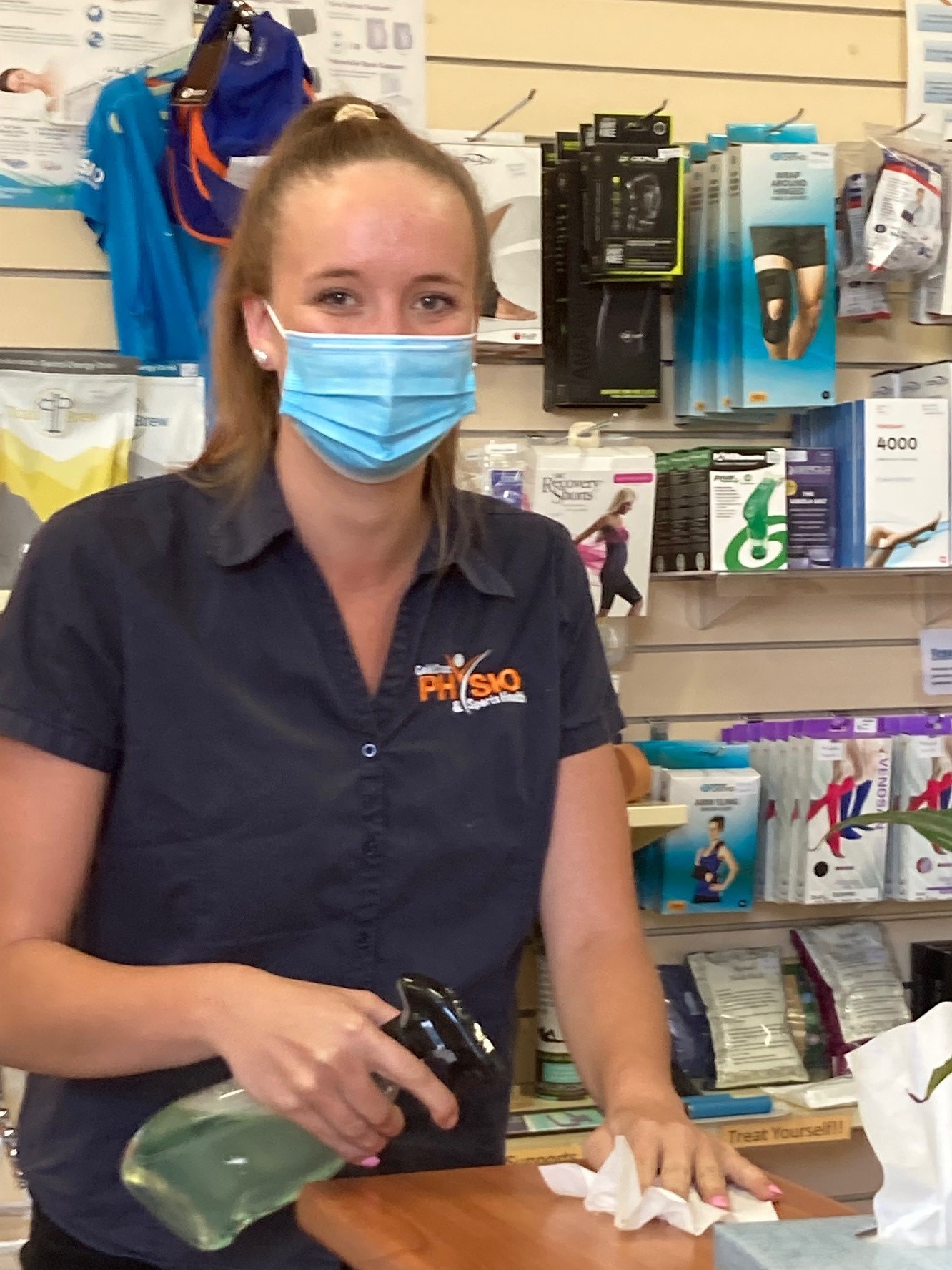
-Our Team will be cleaning all surfaces regularly through-out the day & are using an antimicrobial agent on all touchpoints as added protection.

-More santisers and wipes are available in all areas so please clean after yourself if exercising, and sanitise after touching your face, coughing/sneezing or using a tissue.

DON’T FORGET WE CAN STILL HELP YOU VIA TELEHEALTH

A FINAL WORD

Our Team appreciate there are going to be some changes in our clinics, however, WE REMAIN COMMITTED TO PROVIDING YOU WITH THE MOST EXPERIENED PHYSIO, MASSAGE & OTHER HEALTHCARE ON THE GOLD COAST.

This plan is expected to be flexible and modified as further information is provided to small business on the management of Covid19 within Qld Communities.

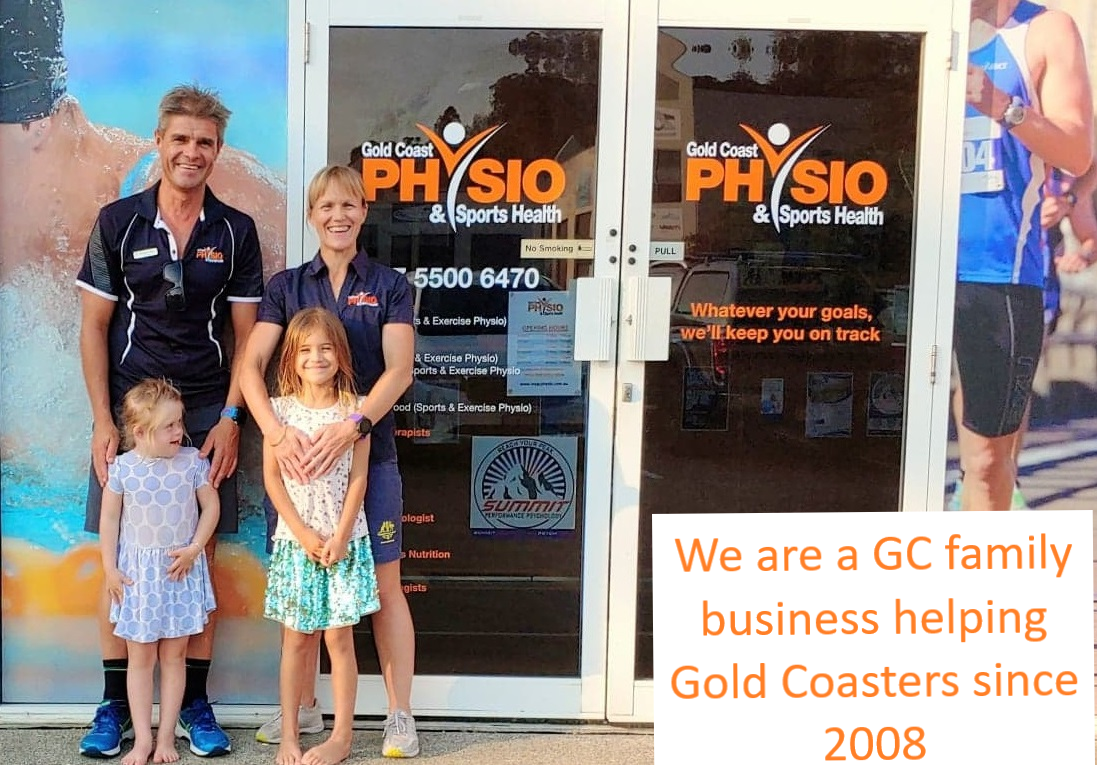
Every one of us has the capacity to handle change and not let it become a burden, so we Thank You again for your ongoing support to our local GC Family Business.

Britt Caling, Albie Firley & Our Team

Become The Ultimate Runner Seminars

RUN SERIES POSTPONED

This series will now be RUN ONLINE VIA INTERNET PLATFORMS SO WATCH THIS SPACE…..

We are pleased to announce Gold Coast Physio and Sports Health, in conjunction with Wild Earth, Trail Brew, and Spring Energy, will be providing a series of information seminars encompassing all things running.  Runners and endurance athletes of all ability levels will benefit from the extensive experience our team of presenters will share with you.  You will learn about:

  • How to minimise your risk of injury and keep running
  • Load management principles
  • Nutrition to bring out your best during training and race day
  • Strength and conditioning, and why all runners should be doing it

Seminars include:

  • April 1st – Minimise your risk of running injuries – because not running sucks!!!  (Presented by Kyle Weise – Physio and AUS record holder Ultra-runner)
  • April 29th –  Survival Nutrition: fuel your way through your next endurance event (Presented by Steffani Ford  – Sports Dietitian/Nutritionist & Britt Caling – Sports & Exercise Physio and Champion Ultra-runner)
  • May 27th – Strength and Conditioning for runners: what all runners should do!!!  (Presented by Multisport Coach Adsy Gordon and Sports & Exercise Physio and Champion Ultra-runner Britt Caling)

Location:  Gold Coast Physio and Sports Health – Burleigh

$10 per seminar or $25 if you register for all 3 seminars

Bookings are essential with limited numbers available, to book call the clinic on 07 5500 6470

Lancet Series: Low Back Pain

Lancet Series: Low Back Pain

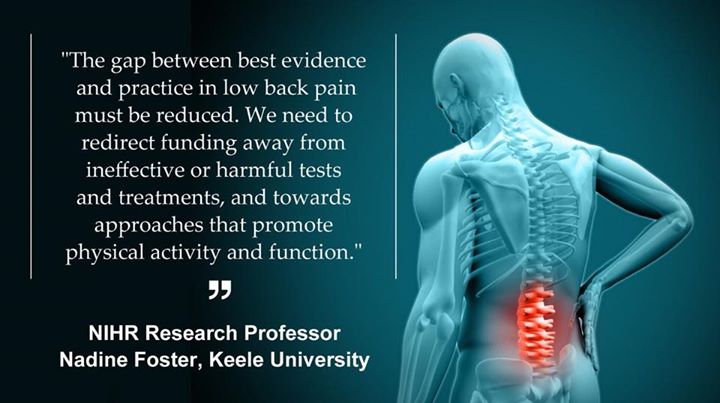
The Lancet has published a series of three papers on the global impact of low back pain that present the challenges and causes of low back pain; the evidence for the effectiveness of treatments and a call for action.

What low back pain is and why we need to pay attention

This paper discusses the many contributing factors to low back pain and disability; potential nociceptive contributors to low back pain that have undergone investigation and the burden and impact of low back pain on society and economically.

Summary (link below in separate page)

  • Low back pain is an extremely common symptom in populations worldwide and occurs in all age groups, from children to the elderly population
  • Low back pain was responsible for 60·1 million disability-adjusted life-years in 2015, an increase of 54% since 1990, with the biggest increase seen in low-income and middle-income countries
  • Disability from low back pain is highest in working age groups worldwide, which is especially concerning in low-income and middle-income countries where informal employment is common and possibilities for job modification are limited
  • Most episodes of low back pain are short-lasting with little or no consequence, but recurrent episodes are common and low back pain is increasingly understood as a long-lasting condition with a variable course rather than episodes of unrelated occurrences
  • Low back pain is a complex condition with multiple contributors to both the pain and associated disability, including psychological factors, social factors, biophysical factors, comorbidities, and pain-processing mechanisms
  • For the vast majority of people with low back pain, it is currently not possible to accurately identify the specific nociceptive source (i.e disc vs facet joint)
  • Lifestyle factors, such as smoking, obesity, and low levels of physical activity, that relate to poorer general health, are also associated with occurrence of low back pain episodes
  • Costs associated with health care and work disability attributed to low back pain vary considerably between countries, and are influenced by social norms, health-care approaches, and legislation
  • The global burden of low back pain is projected to increase even further in coming decades, particularly in low-income and middle-income countries

Full text article

[embeddoc url=”https://www.gcphysio.robicoweb.com.au/wp-content/uploads/2020/02/What-low-back-pain-is-and-why-we-need-to-pay-attention-1.pdf” download=”all” viewer=”google”]

Prevention and treatment of low back pain: evidence, challenges, and promising directions

This paper summarises the evidence for and against various options at treating and preventing low back pain; the gap between current practice and guideline recommendations; and promising directions for the improved management of low back pain globally into the future.

Summary (link below in separate page)

  • Guidelines recommend self-management, physical and psychological therapies, and some forms of complementary medicine, and place less emphasis on pharmacological and surgical treatments; routine use of imaging and investigations is not recommended
  • Little prevention research exists, with the only known effective interventions for secondary prevention being exercise combined with education, and exercise alone
  • The evidence for prevention and treatment comes mainly from adults in high-income countries and whether the resulting recommendations are appropriate for children or those in low-income and middle-income countries is not known
  • Non-evidence-based practice is apparent across all income settings; common problems are presentations to emergency departments and liberal use of imaging, opioids, spinal injections, and surgery
  • Promising solutions include focused implementation of best practice, the redesign of clinical pathways, integrated health and occupational care, changes to payment systems and legislation, and public health and prevention strategies
  • The evidence underpinning these solutions is inadequate and whether they are appropriate for widespread implementation is not known
  • Further testing of these promising solutions, and development of new solutions, is needed, particularly in low-income and middle-income countries

Full Text (PDF)

Low back pain: a call for action

This viewpoint panel explores the most pressing political, public health, and health-care challenges and identifies actions to meet them.

Summary (link below in separate page)

Key Messages:

  • Use the notion of positive health—the ability to adapt and to self-manage in the face of social, physical and emotional challenges—for the treatment of non-specific low back pain
  • Avoid harmful and useless treatments by adopting a framework similar to that used in drug regulation—ie, only include treatments in public reimbursement packages if evidence shows that they are safe, effective, and cost-effective
  • Address widespread misconceptions in the population and among health professionals about the causes, prognosis, and effectiveness of different treatments for low back pain, and deal fragmented and outdated models of care
  • Policy, public health, health-care practice, social services, and workplaces must jointly tackle the low back pain paradox in low-income and middle-income countries, where improving social and economic conditions could prevent or reduce low back pain incidence, but at the same time create expectations and demands for medical investigations and low-value health care that increase the risk of long-term back-related disability

Full Text (PDF)

Loading...