Written by Remedial Massage Therapist, Pilates & Natal Pilates Instructor & passionate Mum, Katie Harders
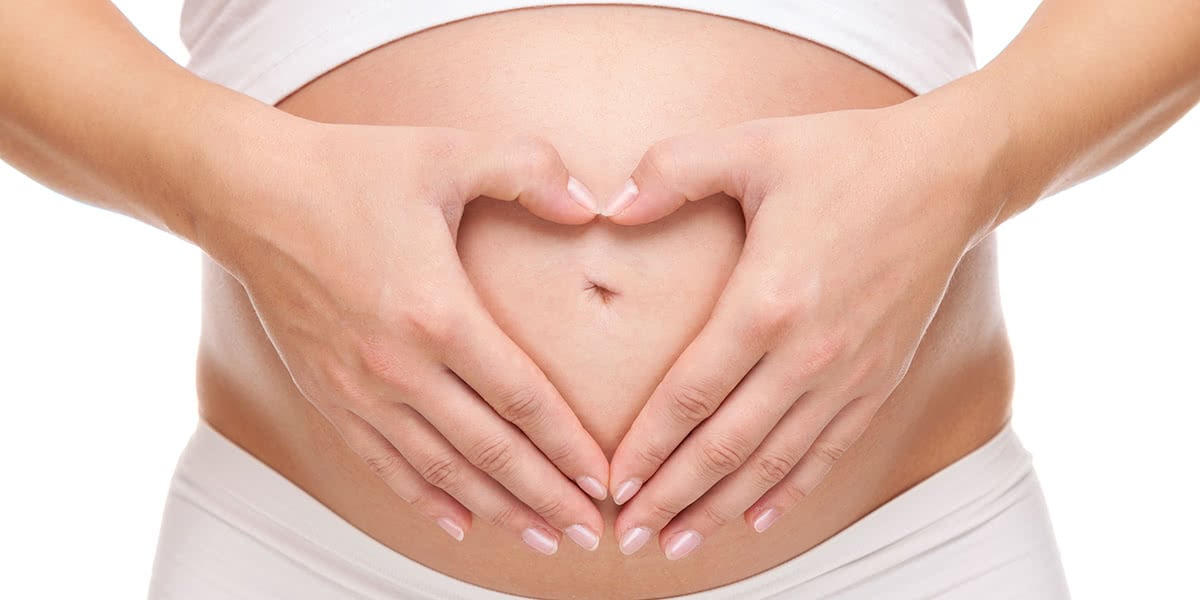
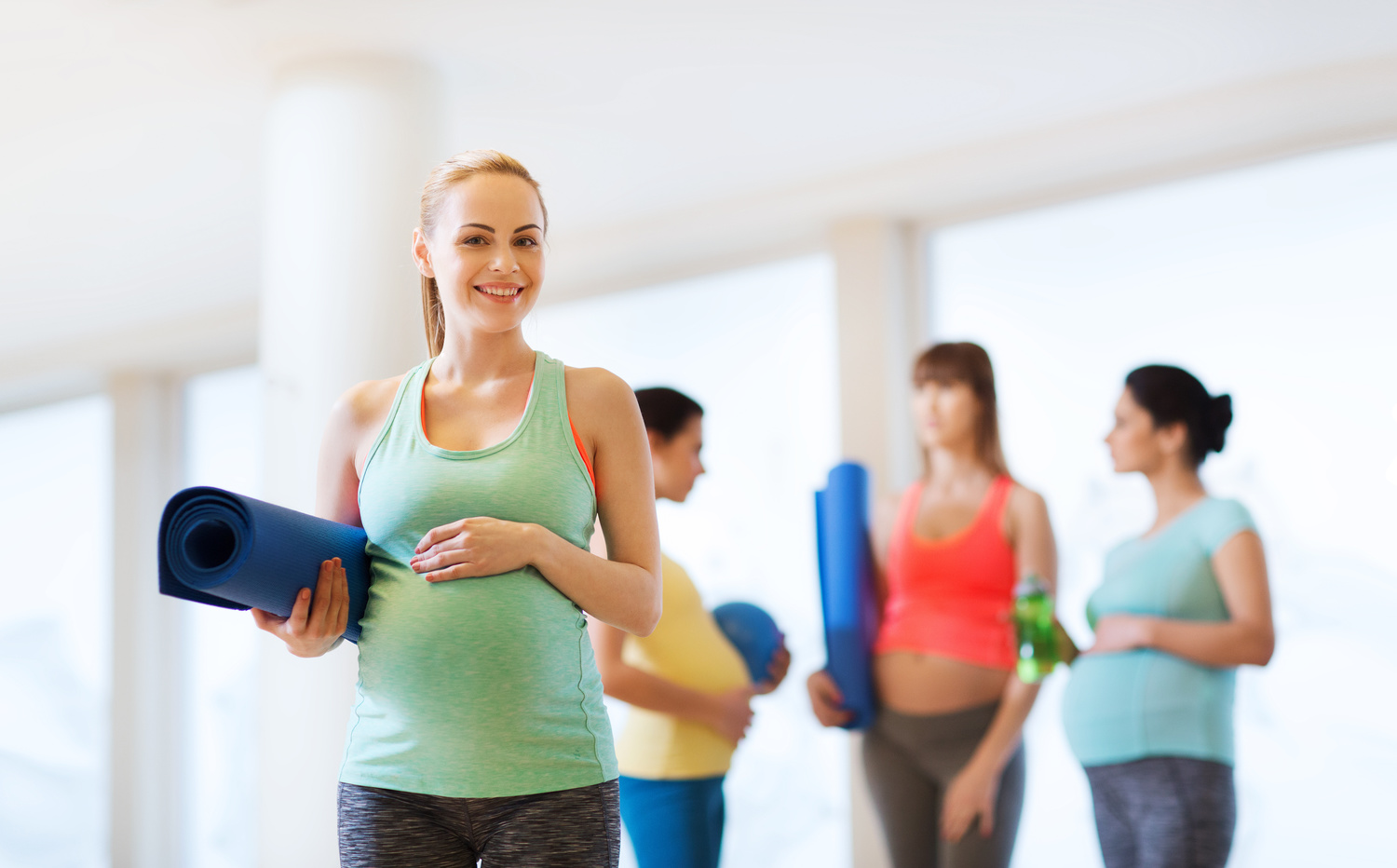
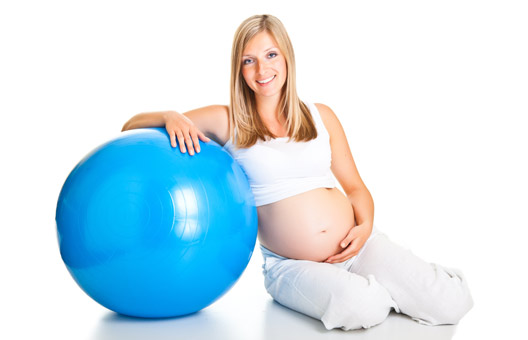
Remedial massage during your pregnancy can help change your experience, for the better, during the most amazing time in your life.
Once perceived as a form of alternative therapy, remedial massage is increasingly becoming a popular way for women to reduce pregnancy discomfort.
Research has shown remedial massage has multiple health benefits during pregnancy, including helping you feel revitalized and allowing you to remain active and feeling great during this time.
What are the Health benefits of Massage during Pregnancy?
• Reduce prenatal anxiety- cortisol (commonly known as the stress hormone) can be reduced significantly by pre-natal massage. This allows you to experience ‘good’ or ‘happy’ hormones which improve mood, vitality and immunity. • Help improve sleep – remedial massage can help increase the production of melatonin and serotonin hormone in the body which will regulate sleep rhythms. This can improve the quality of sleep which we know is important for all body systems to function. • Reduce joint swelling– this is a common occurrence during pregnancy and is caused by low circulation and extra pressure on the blood vessels. Remedial massage can stimulate the soft tissues and decrease the build-up of fluids in swollen joints. • Lessen muscle pain and cramps- these are a very common occurrence in pregnant women due increased muscle tension and heightened motor neuron activity. Prenatal massage can help lessen and manage these common symptoms during pregnancy. • Reduce nerve pain –– during pregnancy, many women experience sciatic nerve pain. This can arise if the growing uterus and baby put pressure on the sciatic nerve causing inflammation and pain. This is more common during the later stages of pregnancy as the baby gets bigger. Our therapists can help with management of sciatic nerve pain.
What to expect when you’re expecting from a remedial massage?
During your first trimester you may not feel comfortable lying down due to nausea. If this is the case, you might decide to wait until these symptoms pass (usually around the 12 week mark). If you have any other medical issues, other than nausea, a doctor’s clearance is advised before commencing treatment. If you were attending for remedial massage prior to falling pregnant, it is usually safe to continue as normal.
In your second trimester, as your tummy starts to grow, laying on your front will become uncomfortable. A pregnancy massage pillow will be used during your treatment. As these changes take place and your tummy and breasts grows and your posture starts to adapt, it is quite common to notice some stiffness and tightness in your lower back, hips and shoulders. Booking a regular massage will help you manage these symptoms during the second trimester.
In the third trimester your body will undergo significant changes. Often the aches and pains may be more noticeable, particularly in your lower back, upper back and pelvic area. At this stage of pregnancy, the therapist will lie you on your side and use pillows to make you comfortable, this allows the therapist to continue to treat all areas.
What to expect with a post-natal Remedial Massage
With the arrival of your baby, your body will begin healing from the birthing process, but will also have to adapt to new postures such as holding and feeding your baby.
Post-natal remedial massage can help with these aches and pains, as well as improve mental wellbeing during this period. During the first few months after delivery we understand it can be uncomfortable to lie on your front. We are able to use pillows under your chest or hips to help make you comfortable during your session with us.
At Gold Coast Physio & Sports Health we offer pre and post-natal remedial massage at both linics with Katie Harders and Paige Single. Please call the clinic to book an appointment 07 5500 6470 or use our online booking system through our website, www.mygcphysio.com.au
Some Interesting Info about Para-Sports: Classification in Para-Sport Explained
We will be lucky enough to witness some amazing human performances at the Tokyo 2021 Paralympic Games.
The Paralympic Games will take place between August and September 2021 and will feature 4,400 athletes who will contest 540 medal events across 22 sports. This is more than ten times the number of athletes who competed in the first Para-games in 1960 in Rome, where only eight sports were included.
Para-sport exists so that athletes with an impairment have equal opportunities to compete and be successful in sport.
When you watch Para-sport it’s helpful to understand the classification process, and as the games get closer there will be an increase in media exposure on this process.
So here is some Interesting Information about ParaSport Classification
To ensure athletes are competing fairly, a classification system is used to group athletes with similar impairments into categories for competition.
The classification system determines which athletes are eligible to compete in a sport, based on their impairment. This, to a certain extent, is similar to grouping athletes by age, gender or weight. The classification system is varied across different Para-sports, with different eligible impairments.
At an international level the classification process is overseen by the International Paralympic Committee (IPC) and the individual sport’s international federation (IF). Domestically, the classification process is overseen by Paralympics Australia (PA).
Classification is a stringent process which, for most sports, involves the identification of a key impairment/s, a physical assessment and a sports-specific assessment. Athletes are grouped by the degree of activity limitation resulting from their impairment. Sports require athletes to perform sports-specific movements and skills to demonstrate limitations.
Further to this, for most sports, the classification panel observes athletes within competition to ensure they are competing in the most appropriate class and will only grant a confirmed status if there is high certainty of the correct classification.
Some Sports require specific Medical tests on the Athletes sensory ability ie. Visual or Hearing Impairment tests.
The classification process is an evolving process as the evidence base increases with more knowledge on the impact of impairments on performance. However, the ultimate goal of governing bodies will always be to ensure a fair competition. Classification changes can result in class changes for athletes or, in some cases, an athlete may become ineligible for a certain sport.
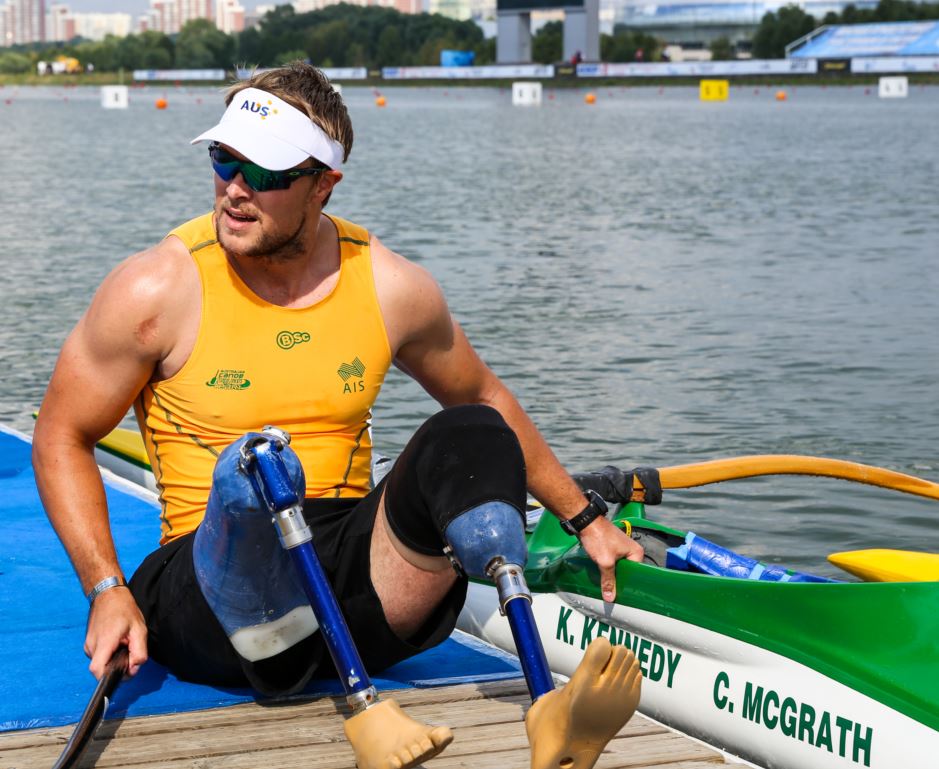
As a Sports & Exercise Physio, I am lucky enough to be involved in this process as a Para-Canoe/Kayak National Classifier and as Physio to the Australian Para-Canoe/Kayak team. My personal experience with classification has highlighted how this is an athlete-centred process, with the welfare of the athlete and fairness of competition for all athletes being the priority.
This process enables many athletes with an impairment to access fair international competition and celebrate amazing achievements with integrity.
I’d encourage all Australians to get behind the Australian Paralympic team and start to follow their journey as they set out on an inspirational journey to Tokyo 2020.
Meet some of the Qualified Athletes & their most amazing & inspirational stories from the Australian Paralympic Website: APC
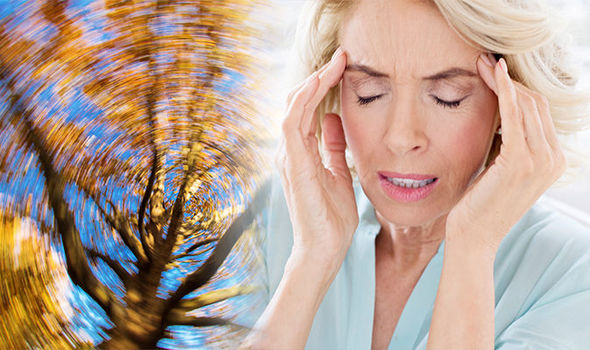
BPPV Benign Paroxysmal Positional Vertigo: A Summary for GP’s
Definition
Recurrent attacks of positional vertigo, typically lasting less than one a minute
Provoked by positional change of the head, for example: turning over in bed, lying down, neck extension, bending forward.
May have associated nausea, vomiting, sweating,.
Hearing loss, tinnitus, aural fullness/pressure are not associated with BPPV
Diagnosis
Diagnosis is by positional testing which reproduces provokes vertigo and canal specific nystagmus. Diagnosis includes the specification of the affected semicircular canal(s) and the pathophysiology (canalithiasis or cupulolithiasis). Clinical features essential for the diagnosis are the latency, direction, time course, and duration of positional nystagmus. Usually, further vestibular and auditory testing is indicated only when a pre-existing disorder of the inner ear (e.g. vestibular neuritis, Menière’s disease) is suspected. Brain or ear imaging is not required in typical cases of BPPV.
Treatment
Canalith Repositioning Manoeuvres typically done by a Physiotherapist with an interest in Vestibular Rehabilitation (Helen Sibbald has experience & a special interest in this)
BPPV Information
The posterior canal is the most frequently affected canal (80– 90%); next is the horizontal canal (5–30%). Involvement of the anterior canal is rare.
1. Canalithiasis of the posterior canal.
Diagnostic criteria: A) Recurrent attacks of positional vertigo or positional dizziness provoked by lying down or turning over in the supine position. B) Duration of attacks < 1 min. C) Positional nystagmus elicited after a latency of one or few seconds by the Dix-Hallpike manoeuvre or side-lying manoeuvre (Semont diagnostic manoeuvre). The nystagmus is a combination of torsional nystagmus with the upper pole of the eyes beating toward the lower ear combined with vertical nystagmus beating upward (toward the forehead) typically lasting < 1 minute. D) Not attributable to another disorder. Note: Usually, the duration of positional nystagmus is no longer than 40 seconds before it dampens spontaneously. Positional nystagmus rapidly increases in intensity and then declines more slowly (crescendo-decrescendo type) After the patient returns to the upright position, positional nystagmus with reversed direction of lesser intensity and shorter duration often occurs. Fatigability of nystagmus and vertigo with repetitive positional testing is common. The direction of nystagmus is essential to specify the affected canal. In contrast to central positional nystagmus, positional nystagmus in BPPV always beats in the plane of the affected canal and in the expected direction for canal excitation or inhibition.
History and physical and neurological examinations do not suggest another vestibular disorder – or such a disorder is considered, but ruled out by appropriate investigations – or such disorder is present as a comorbid condition that can be clearly differentiated Assessment: It is essential to perform positional manoeuvres for both the vertical and the horizontal semicircular canals in every patient with positional vertigo as multiple canals may be affected . Dix Hallpike manoeuvre or Semont diagnostic manoeuvre tests the vertical canals and the supine roll test for the horizontal canals. For observation of positional nystagmus, Frenzel goggles or video-oculography can be helpful, particularly when the nystagmus is weak or momentary. In most cases, however, nystagmus can be seen clinically without special equipment. The differential diagnosis of BPPV includes central positional vertigo due to vestibular migraine and structural brainstem and cerebellar lesions. CNS disease can usually be excluded by a thorough neurological examination. Greater care should be taken in patients with dominantly horizontal or downbeat positional nystagmus forms, since these are most frequently reported in central mimics. Cerebral imaging with MRI is usually only indicated when symptoms or signs of concurrent brainstem or cerebellar dysfunction are present, or when positional vertigo and nystagmus present with atypical features or fail to resolve with repeated therapeutic positional manoeuvres.
Treatment: Epley manoeuvre
2. Cupulolithiasis of Posterior canal:
Diagnostic criteria: A. Recurrent attacks of positional vertigo or positional dizziness provoked by lying down or turning over in the supine position. B. Positional nystagmus elicited after a brief or no latency by a Dix-Hallpike manoeuvre beating torsionally with the upper pole of the eye to the lower ear and vertically upward (to the forehead) and lasting > 1 min. C. Not attributable to another disorder.
Treatment: Semont Liberatory Manouevre
3.Canalithiasis of the horizontal canal Diagnostic criteria A. Recurrent attacks of positional vertigo or positional dizziness provoked by lying down or turning over in the supine position and head rotation, extension, flexion in erect position. B. Duration of attacks < 1 min. C. Positional nystagmus elicited after a brief latency or no latency by the supine roll test , beating horizontally toward the undermost ear with the head turned to either side (geotropic direction changing nystagmus) and lasting < 1 min. D. Not attributable to another disorder.
Note: During the supine roll test, the faster the head turn, the shorter the latency and the higher the intensity of nystagmus. The intensity of nystagmus tends to be higher with larger head rotations.
To confirm the affected ear: the intensity of nystagmus is usually stronger with the head turned to the affected ear in the supine roll test. The Bow and Lean test: nystagmus beating toward the affected ear in the bow position and nystagmus beating toward the healthy ear in the lean position.
Transition from geotropic to apogeotropic nystagmus may occur during diagnostic and therapeutic manoeuvres. Transition of canalithiasis from the posterior canal to the horizontal canal may occur as a result of therapeutic positional manoeuvres.
Treatment: BBQ roll or Gufoni for Geotrophic variant
4.Cupulolithiasis of the horizontal canal:
Diagnostic criteria: A. Recurrent attacks of positional vertigo or positional dizziness provoked by lying down or turning over in the supine position. B. Positional nystagmus elicited after a brief latency or no latency by the supine roll test, beating horizontally toward the uppermost ear with the head turned to either side (apogeotropic direction changing nystagmus), and lasting > 1 minute. 2. Not attributable to another disorder.
Note: As direction-changing apogeotropic positional nystagmus also occurs as a sign of central-vestibular dysfunction, it is mandatory to exclude CNS disease. The side of the affected ear: The intensity of positional nystagmus is usually stronger with the head turned away from the affected ear in the supine roll test. Apogeotrophic direction changing positional nystagmus may also occur with canalithiasis of the horizontal canal where otoconia are located in the anterior part of the horizontal canal (transient nystagmus, not persistant like cupulolithiasis) Treatment: Gufoni for Ageotrophic variant or Casani Manouevre
Link for the Consensus document of the Committee for the Classification of Vestibular Disorders of the Bárány Society -BPPV:
Gold Coast Physio & Sports Health has infrared video googles to enable our Physio’s to visualise abnormal eye movements during testing of patients complaining of vertigo. Having best practice technology allows us to more accurately diagnose and therefore choose best treatment pathways & better outcomes.
BBPV has a very classic presentation of vertigo with Nystagmus that beats in a certain predicatable direction for the particular affects semi-circular canal, and it latent plus fatigues. So the affected semi-circular canal can be accurately identified with the Googles and therefore the correct treatment manoeuvre used.
Not every patients experiencing positional Verigo has BBPV. If, for example, the patient experiences vertigo on BPPV testing but has a persistent nystagmus is observed, this is NOT BPPV, but rather central positional vertigo, and the underling central cause would need to be identified with further investigation/ MRI. Googles make it accurate to observe the direction of nystagmus, and the movement is recorded to watch and check repeatedly, or to pass on to other Specialists for accuracy in diagnosis.
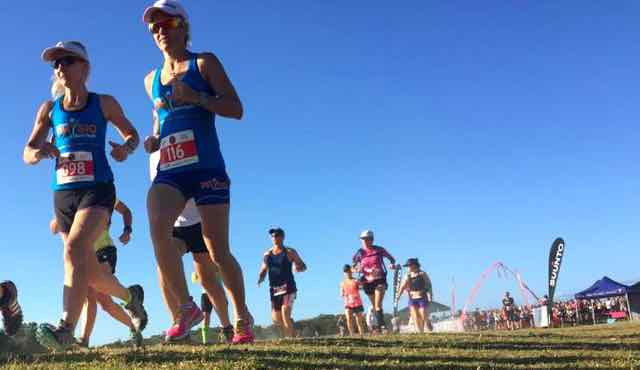
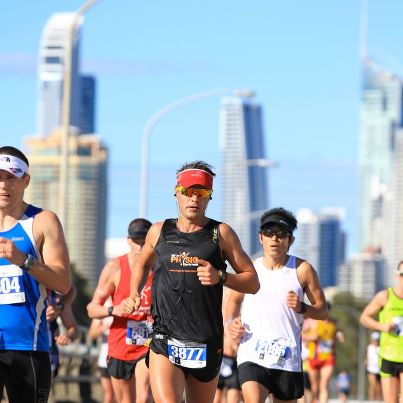
Running has one of the largest participation rates. Statistics from the Australian Sports Commission’s 2006 survey showed an estimated 1,224,100 Australians aged 15 years and older participated in running in the 12 months prior to being surveyed. Running is a popular fitness activity because of its health benefits, affordability and convenience. However running can cause injuries, often due to overtraining – people doing too much, too soon.
How many injuries?
Up to 70% of recreational and competitive runners sustain overuse injuries during any 12-month period.
The causes and types of injuries
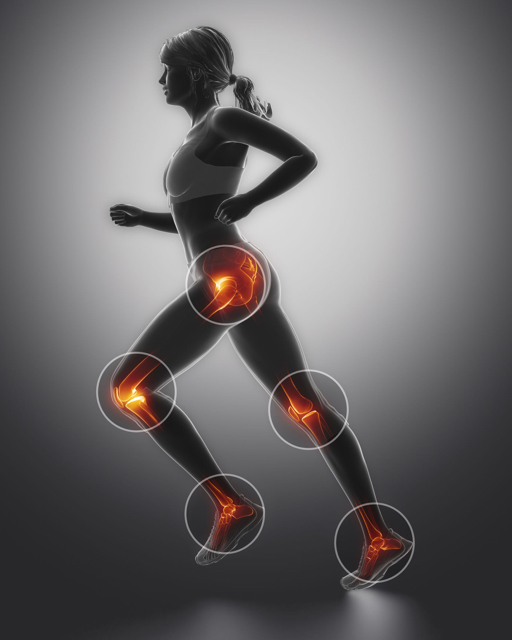
42% of all running injuries are to the knee, followed by 17% to the foot/ankle, 13% to the lower leg and 11% to the hip/pelvis.
Overuse injuries can occur from training errors (running frequency, duration, distance, speed and lack of leg strength and flexibility) and inappropriate surfaces, terrain and footwear.
Overuse injuries, as a result of training errors, are more common than acute injuries such as ligament and muscle sprains and strains.
The most common overuse injuries are patellofemoral pain syndrome (runner’s knee), iliotibial band friction syndrome (side of knee), plantar fasciitis (bottom of the foot), meniscal (knee cartilage) injuries, tibial (shin) stress syndrome and patellar tendinopathy (at the knee).
Reducing the distance, frequency and duration of your run can prevent injury.
Safety tips for running Good preparation is important
Before running, see a professional to identify potential musculoskeletal and health problems that may contribute to injury.
Always warm up and cool down by jogging slowly.
Injured runners should consult a professional about how to prevent re-injury.
Hydrate prior to running and consider taking water on longer runs.
Good technique and practices will help prevent injury
Avoid doing too much too soon. Establish a graduated training program. Allow 24-48 hours rest and recovery between running sessions. Cross training, cycling or swimming can be done on ‘rest’ days.
Start slowly at a pace where you can have a conversation without breathlessness.
Gradually build up running speed and distance (no more than 10% per week).
Cut down if you experience pain. Pain is a sign that the body is not adapting to the exercise load.
Include lower leg strength and flexibility exercises in your training program.
Avoid running when you are tired and at the hottest part of the day. Schedule runs for early morning or late afternoon and run in the shade, if possible.
Drink water or a sports drink before, during and after running.
Check running surface
Run on a clear, smooth, even and reasonably soft surface. Avoid uneven surfaces, sand and concrete.
Gradually introduce surface changes.
Wear the right protective equipment
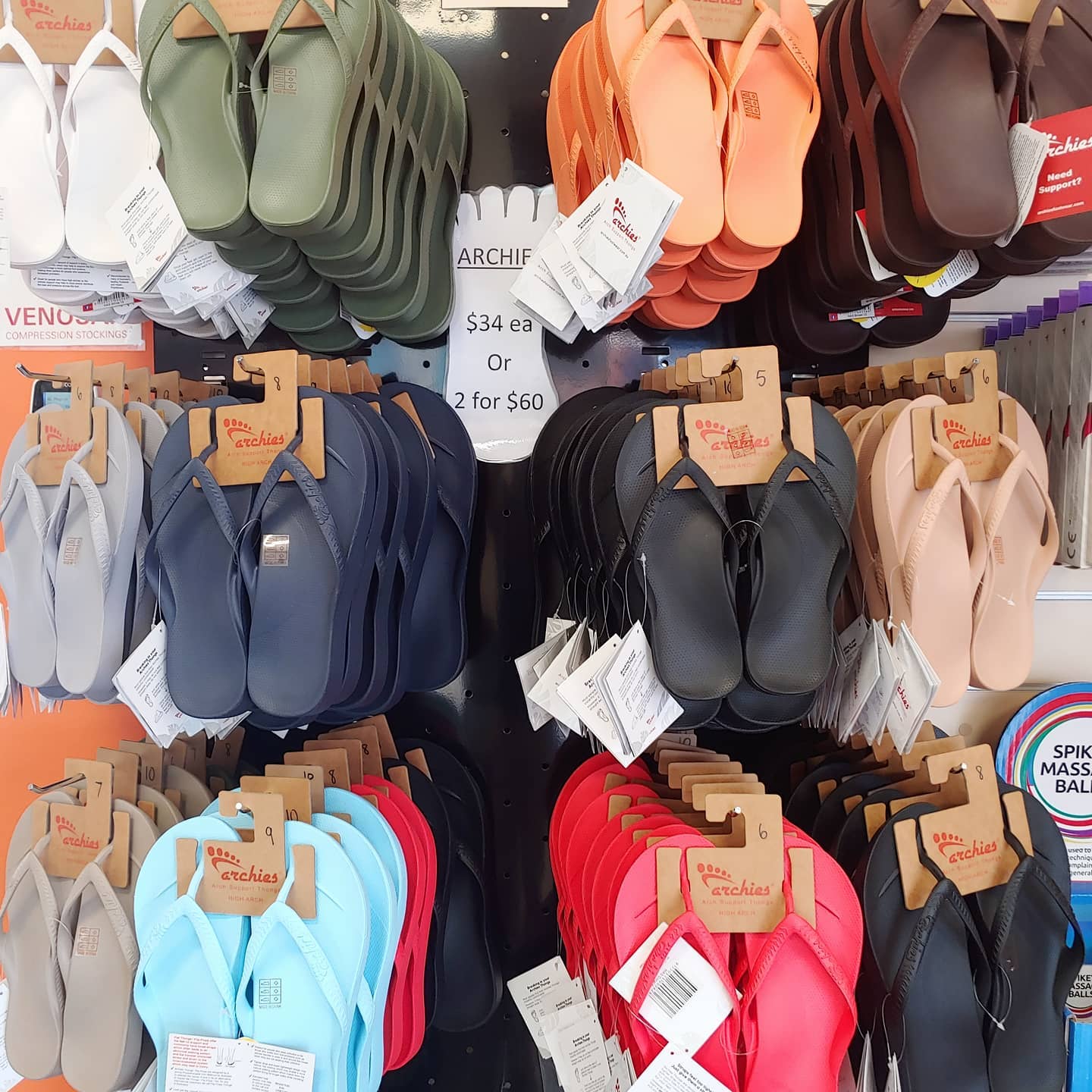
Wear shoes specifically designed for running that match your foot type. When buying new shoes, have them fitted by a professional and take your old ones with you so the salesperson can identify where your shoes wear the most.
Wear light clothing, sunscreen and a hat to protect against sunburn.
Wear reflective clothing so you are visible to motorists.
Use a head torch when running where there are no streetlights.
Personal Safety
Always tell someone where you are going, your exact route and how long you will be.
If using an iPod or headset, do not have the music too loud – stay alert and aware.
Carry identification, a whistle, a mobile phone or loose change for public payphones. Know the location of public payphones on your usual route/s.
Choose well-lit, populated routes and avoid dangerous and isolated areas.
Whenever possible run with a partner, in a group or with a dog.
Other safety tips
Running is not an appropriate form of exercise for those who are heavily overweight, have significant skeletal malalignment, unstable hips, spinal stress fractures or knee cartilage damage.
Access professional guidance from a running coach at your local athletics club. Not only can your technique and fitness improve, but you will also meet like-minded individuals to run with. Contact Athletics Australia to find your local club and coach.
If an injury occurs
Rest or modify your activity to allow overuse injuries to heal and inflammation to subside.
Gradually return to running (10% increase in distance per week) once flexibility, strength and endurance have returned.
If you suffer severe or continuing pain, swelling or loss of motion, seek medical attention from a sports medicine professional.
For further information contact: Smartplay – Sports Medicine Australia
This fact sheet has been reproduced the Department of Planning and Community Development and VicHealth. Prepared by Monash University Accident Research Centre 2006. Updated and reprinted 2008.