13/345 Southport-Nerang Rd, Ashmore Q 4214
12/110 Kortum Drive, Burleigh Heads Q 4220

Should I Get A Sports Massage Before My Race?

Should I Get A Sports Massage Before My Race?

By Gold Coast Physio & Sports Health Senior Remedial Massage Therapist, Frederic Impens

You’ve invested time, heart, soul and energy into your training. You’ve invested in top coaching and dedicated all your spare time to your training program. You maintain your bike, running gear, kayak or ski in top quality- but are you maintaining your muscles and joints for optimum results?

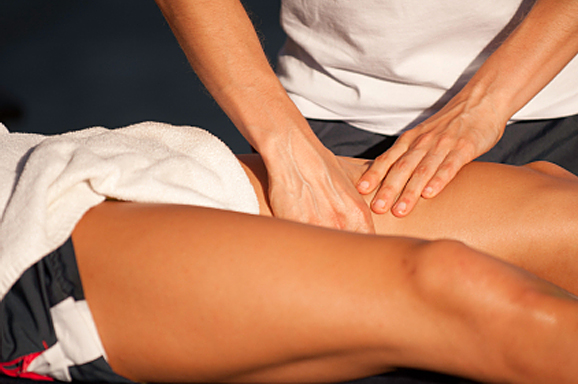
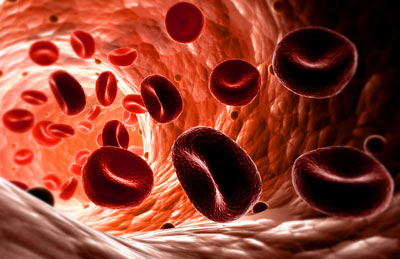
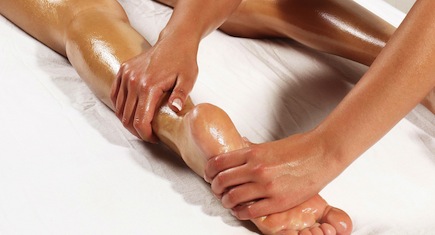
A regular sports massage can help the Athlete’s body recover from the pains and aches of a lengthy training session.  It can improve blood supply and flexibility. Whether opting for a Sports massage before or after a  workout or race, you will  feel the benefits of a sports massage, beating  injuries by returning to a pre-exercise bodily state.

Each person is very individual with their massage needs.  What is constant for most athletes is that you would want to avoid having a deep tissue massage in the immediate 1-2 days before a big race unless your body is adapted to this.  You would not want to have a deep tissue massage if the goal is to feel good the next day.  A deep tissue massage will feel like you’ve just lifted weights or gone for a hard run in the following days after if you are not used to it. Expect about 2 days to recover. After you’ve recovered you’ll start feeling the performance benefits. If you do insist on getting a massage the day before  a race, make sure it is a light massage just to make those muscles supple.

So When Is The Best Time For A Pre-Race Massage? 

Go for a deep tissue massage five to six days before your event if you body is used to getting regular massages (or even as minimal as 2). This gives ample time to get over the legginess (heavy legs after a massage) that is typically experienced after a deep tissue treatment. If you get one any closer to your race, make it a light, relaxing flush-out massage with a therapist experienced in treating athletes.This promotes recovery by flushing the toxins into the lymphatic system , new oxygenated blood can circulate and makes your body ready to race and win.

And don’t forget a Recovery Massage ideally within the first 24hrs post-race to help remove waste products and relieve area’s of muscle tension.

Frederic has been a Remedial Massage Therapist for more than 15 years and has an extensive experience treating many Australian and International top athletes.  For an appointment with any of our experienced Massage Therapists, phone 07 5500 6470.

Massage Sports Massage Physio Burleigh Labrador Runaway Bay Gold Coast Pilates

If you Ride a Bike, you should Read This

Do you ride for fitness, competition, mountain biking, triathlon, off-road racing, or just for the Coffee shop at the end of the ride? 

Let’s consider some facts about cycling:

If you take 2.5 hours to cycle race 100km

Your average cadence is 90rpm

This means that as you cross the finish line, you will be making pedal stroke number 64,800!

That’s a whole lot of repeated movements and muscle contractions that can easily result in soft tissue or joint overload.

The three main reasons why overuse injuries occur in cyclists are:

  1. poor biomechanics  (ie. the way your body moves and muscles contract, including your core/trunk stability)
  2. poor bike mechanics (not the people who clean bikes- but the way your bike handles)
  3. poor cycling technique/training habits

Biomechanics of Cycling and Bike Position

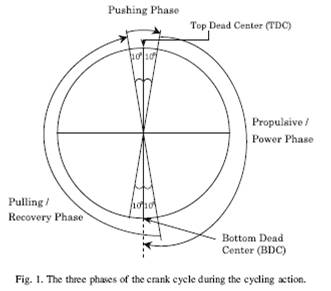
The benefit to cycling as a sport is that it is non-weightbearing so forces through joints and tissues are generally less than many weight-bearing sports.  Additionally, muscle contractions are concentric. This means that the muscle length shortens as the muscle contracts (as opposed to eccentric contractions where the muscle is lengthening as it contract and which is the more muscle-damaging contractions).  This is why, in general, you will get less muscle pain and soreness from cycling as opposed to running (especially downhill or acceleration/deceleration running). Power output through-out the pedal stroke is not equal. At different points through-out the pedal stroke, different muscles are in better positions to provide optimal power output:

  • Peak pedal force is at 100o
  • For efficiency, there should be a smooth transition of power from power phase to recovery phase which means “pulling” across the bottom dead centre (BDC) and “pushing” across top dead centre (TDC)

There are 3 points of contact between your body and bike that act as bases of support and therefore need to be ‘stable’ (or in the optimal position to help power output be delivered to the pedals to propel you forwards): pelvis on saddle, foot in shoe on pedal, and hands on handlebars. Your abdominal, low back and pelvic stability is critical for ensuring your pelvis remains still on the saddle and that you are not excessively using your arms to attempt to stabilise your body.  Your foot must be in the optimal position on the pedal to ensure delivery of the force your body generates is delivered to the bike. And your upper limb should be helping stabilise your trunk only (except in mountain biking and track racing). Having the correct position on the body is essential for maximising power output using the correct muscles and having a stable body position on the bike.

Bike Mechanics
Minor faults in the cranks, pedals or axles can cause overuse injury and faulty brakes can result in impact injury.  Faults commonly happen after a crash when slight twisting/mal-alignment of equipment occurs. To reduce your risk of injury from your Bike Mechanics, get into the habit of regularly looking over your bike and checking bolts, and make sure you get a regular bike service, just like you would do with your car.

Cycling Technique and Training
Technique is more difficult to check as it usually needs input from a good coach or sports professional and usually requires a Video of you riding (in the Bike Fit performed at GCPSH, we video you riding on your bike and watch it is slow motion to check technique) Poor technique includes: -incorrect foot position on the pedals -poor leg position & thigh/shank pathway through the pedal stroke -sitting skewed on the saddle -being too stretched out -pulling-up through the up-stroke phase. This should be passive and good technique involves pushing through TDC and pulling through BDC. Poor training habits include: -Excessive hill training -Riding big gears at low rpm -Inadequate cold weather protection -Riding in groups on your time-trial bars as this means your hands are not close to your brakes -Never doing any training of, or improving, your bike handling skills -Wearing headphones while riding on the road so you have less awareness of traffic

The keys to minimising your risk of injury as a cyclist?

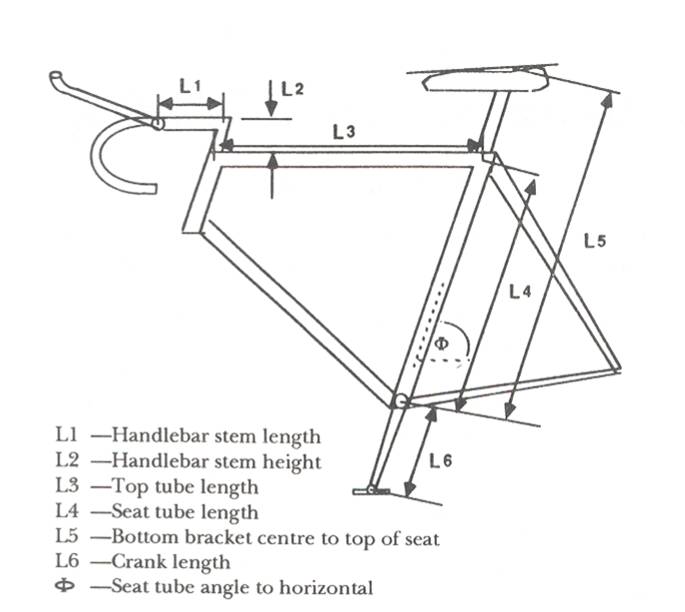
  1. Ensure you are riding the correct size bike frame
  2. Riding the correct frame will allow you to have a correct Bike Fit and get this done by someone who cares and fits you on the bike
  3. Make sure you perform some regular self-maintenance exercises to reduce muscle tone/tension that will develop from repeated contractions, for example get a regular massage from a professional therapists that understands your needs and goals as a cyclist and can help maintain healthy tissue tension.
  4. Make sure you have flexibility where you it for good cycling position and technique. You ideally need good hamstring, calf and ankle bend flexibility and low back and hip mobility.
  5. Work on your bike handling skills and be careful in road traffic

How will a Bike Fit help?

  1. It  minimises your risk of injury by putting joints and muscles in optimal positions
  2. It improves your riding efficiency and/or speed for performance
  3.  It improves your comfort on the bike and enjoyment of riding


What should be taken into consideration in your Bike Fit?

1.Your purpose and/or goals of riding

There are differences in bike set-up depending on what type of bike you are riding and what level of performance you want. For example, if you are time trialling you will need to be as physically aerodynamic as possible to reduce wind drag resistance slowing you down, which may mean sacrificing a little bit of comfort. If you are mountain biking you will need to have optimal use of your upper limb for helping to stabilise and control the bike in different types of terrain and seat height may be a little lower so that it is easy to get a foot out and to the ground for support. Coffee shop hybrid riders are all about comfort so having a nice comfy saddle and being a little more upright is usually the go!

2. Your injury history 85% of recreational cyclists report having at least 1 injury that appears cycling-related.  The most common injury site is the knee, then the neck and low back (Wilber et al, 1995).  Body area’s that become painful to ride need to be reviewed on and off the bike to establish what the cause is for the pain and whether it is bike-position-related, or whether addition flexibility or strength exercises need to be performed off the bike to ensure your limbs are supported in the best position when on the bike.

3. Your individual flexibility (identifying those area’s of flexibility needed to ride in an optimal position for technique and comfort

4. The type of Bike you are riding (ie. Road, Time-trial, Mountain Bike, Track, Hybrid, other)

Some common reasons you definitely need to get your Bike Fit checked asap:
1. Pain in your back, neck or shoulder blades
2. Sore hands or tingling in your hands
3. Hot/numb feet
4. Saddle discomfort (including one-sided pressure sores)
5. Knee pain
6. Experiencing a lack of power or being uncomfortable to ride longer periods
7. Poor handling
8. Breathing restrictions
9. Experiencing regular tissue injury

If you are changing your bike position due to an injury, choose a professional who has knowledge in both bike fit and injury management- a physio can fit your body to the bike as much as the bike to your body!

As a Sports Physio who does Bike Fit’s, I prefer working with amateur athletes who are, or have been, experiencing injury or pain as it becomes an interesting challenge figuring out how to optimise your biomechanics while minimising tissue stress. In the past I have completed Bike Fit’s for clients with total hip replacements, or Osteoathritic hips that have limited hip range of movement, cartilage loss in the knee joint, post-collar bone fracture where significant shoulder weakness is present, recurrent low back pain and carpal tunnel symptoms at the wrist.

A Bike Fit at GCPSH will:
-Assess your flexibility and any body area’s of concern,
-Video review you if necessary
-Check and re-check your bike position, modify where necessary and advise on other changes that need to be made to your bike
-Give you Recommendations on stretches, exercises, self-maintenance techniques, technique changes to be made and any other follow-up required.

If you have any questions about your Bike Position or where you can go to improve your technique and bike handling skills, email us on info@www.gcphysio.robicoweb.com.au

Happy and Safe Cycling until then! Britt Caling, APA Sports Physio

Recovery… An Overlooked Factor Affecting Optimal Performance

By Principal Remedial Massage Therapist, Thea Dillon
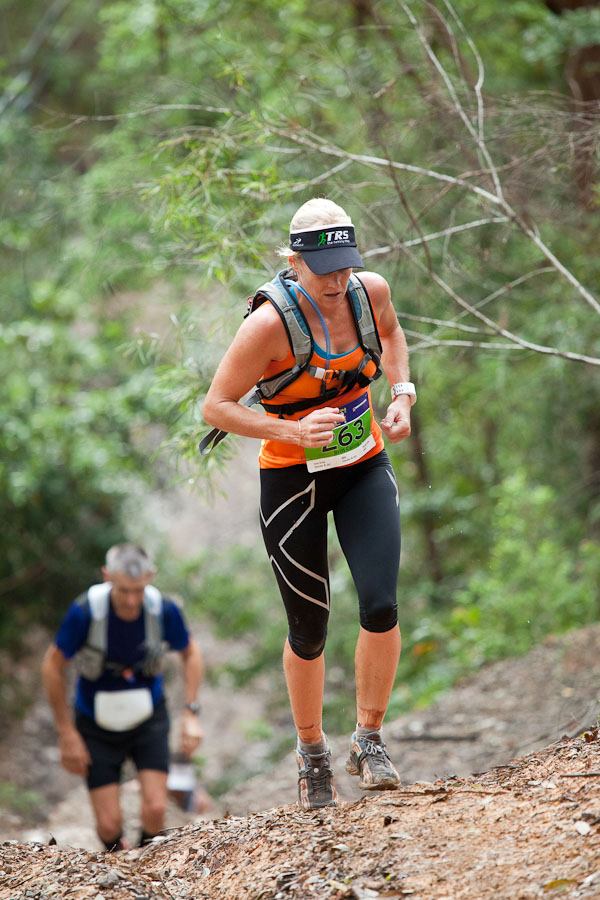
If you’ve been training for the past few months with the goal of racing or participating in a major event like the Gold Coast Marathon or Kokoda Challenge, you’ll understand how difficult it can be to get the most out of your training sessions while keeping up with everyday work and family commitments. In addition to this, staying on top of any niggles or tightness to prevent the ultimate performance destroyers – injury and illness- creates an additional challenge and highlights how important Recovery is in keeping you on track.

As a former Ironman Distance Triathlon competitor, I understand just how delicate this balance can be, and the oh-so-familiar desire to push that little bit harder in training because of the belief that “more work is better”.   If this “more is better” behaviour is negatively impacting on your ability to effectively recover and perform at your next training session then you need to review  both your mental and physical approach to racing, training and recovery.

In my experience as an athlete and now as a Massage Therapist for athletes of wide-ranging abilities and experiences, I regularly see how important obtaining optimal mental and physical recovery between sessions is, and how often this gets overlooked as a key component of an athlete’s training plan.

Getting plenty of rest and recovery time in between sessions, following a healthy diet and nutrition plan, and following a well designed training plan that contains scheduled recovery times are all essential to achieving your goals come race day.

In addition to the basic principles above, one strategy that is very effective in optimising recovery is scheduling regular sport-specific massage therapy (soft tissue therapy) into your program. Quality maintenance massage will assist your training and racing performance. All our Elite Athletes include Massage Therapy in their weekly training plans without fail, and sometimes even 2-3 times per week.

Effects of training:
Our bodies are extremely adaptable and so the natural response to the stress of training (whatever your chosen sport) is to increase muscle tone, lay down additional muscle mass, bone mass and connective tissue, enhance neuromuscular coordination (brain-muscle connection), and for endurance sports, to increase the number of capillaries (small blood vessels) in the areas that are stressed by training.

These changes increase strength, power and endurance resulting in better performance. The short term result of this training load is inflammation at a cellular level, muscle soreness (DOMS) and neuromuscular (brain-muscle) fatigue. The ability to recover quickly from this will accelerate the positive training responses, allowing you to train at a higher level and ultimately perform better, and feel better.

Failure to recover and subsequently adapt to these changes will ultimately result in ongoing pain, dysfunction and injury.

How does massage therapy help?
Sports-specific massage therapy assists the body to recover between training sessions and after racing by:
– reducing the inflammatory response within muscle tissue and accelerating the cellular regeneration process described above. Essentially the sooner you get the massage post-exercise, the better. This applies especially following intense or long sessions – treatment within 2 hours post exercise has been shown to be optimal.

-resetting neuromuscular coordination patterns and enhancing proprioception (awareness of your joint/body position) so that muscles that have developed excessive tension and fatigue are lengthened back to a more optimal state. This allows efficient brain-muscle connection to be reestablished. Your awareness of, and ability to control, joint position is also improved. For example, have you ever had the experience of being unable to “activate” or switch on a muscle before massage and then with a few minutes of treatment this ability to contract the very same muscle has been improved?

-restoring optimal joint position and range of motion. Say goodbye to that tight, niggly, painful or uncomfortable feeling and hello to “ahh I feel lighter, taller, can move more easily, more efficiently and feel better connected”

-reducing fluid congestion and compression around the soft tissues involved, thereby reducing discomfort and movement restriction. It is thought that this also facilitates the exchange of oxygen, nutrients (and other good stuff) and removal of waste products at the muscle cell level.

A few more considerations …
Everybody has different needs when it comes to sports-specific massage, and this can change from one treatment session to the next depending on where you are at within your training and racing plan, and how your body is responding. Seeing a therapist who is knowledgeable and experienced enough to tailor your treatment according to your needs is essential.

If your massage therapist uses a one-size-fits-all approach (this includes religiously going too hard on your already inflamed muscles and creating excessive trauma to your body), is difficult to communicate with, or is too general in their treatment approach, then it is worth taking your business elsewhere.

While we all respond in different ways to massage, generally it can be expected that if you receive regular maintenance massage or physio treatment and you are healthy, then you should recover quickly from massage and it should not impair your training performance.

Be sure to let your therapist know how you responded to your previous treatment/s so that appropriate adjustments can be made if needed.

How do you know if you’re not recovering and need to reduce training or racing commitments?
If you are constantly feeling tired and/or sore, experiencing difficulty sleeping despite rest, regularly feeling run down, have a higher resting hear rate, or are on the verge of illness and/or unable to complete your planned training sessions as per usual, these are indicators that you are not recovering from training and you are unlikely to achieve your performance goals.

Talk to your coach and/or therapist for advice on how to best adjust your training load and recovery strategies.

Other recovery strategies to consider …
Other strategies that can assist in accelerating recovery include:

-wearing quality compression garments during and following exercise (such as those manufactured by 2XU that are sold from both our Clinics)

-engaging in appropriate warm down and active recovery sessions

-using ice bathing or hot/cold therapy post training and racing
If you have any questions or require further information on how our team of massage therapists and other allied health professionals can assist you in reaching your health and performance goals, please contact us or book an appointment at GCPSH today, phone (07) 5500 6470.

Do You Eat More in Winter?

Words by Lauren Nugent of Eat Smart Nutrition

As the cooler weather sets in, our food and drink choices tend to change.  We drink more hot drinks such as Hot Chocolates, teas and coffees.  We eat more hot breakfasts, stews, casseroles, soups and slow cooked meals.  This need not mean you expand under your thick jumpers if you make some smart food and drink choices.

Drink Smart

If you struggle to drink enough water in cooler weather, trying drink warm water.  Not only does it help you warm up, but it helps keep you hydrated.  The weather tends to be drier in winter, so your fluid requirements are similar to a summer day but you are unlikely to feel thirsty.

You might also like to try herbal teas such as fruit based tea, peppermint, camomile or maybe ginger and honey if your immune system is fighting off the winter lurgy.  Black tea and coffee are also an option, just watch your milk and sugar intake.  Hot chocolates, while tasty, do contain more sugar and milk so be smart with your indulgence!

Eat Smart

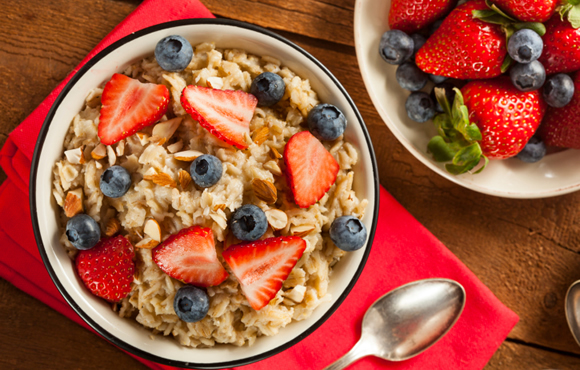
Start the day off with a warm bowl of porridge.  Its best to use traditional rolled oats, you may like to soak them overnight to decrease cooking time in the morning.  You may like to add fresh or dried fruit, a few nuts and a small drizzle of honey, golden syrup or a teaspoon of sugar.   Eggs and baked beans are another warming breakfast option.

For snacks, you might like to include a cup of soup to help warm you up.  You can also heat your apple or pear (fresh or tinned) with some low fat custard as a warm fruit and dairy snack.

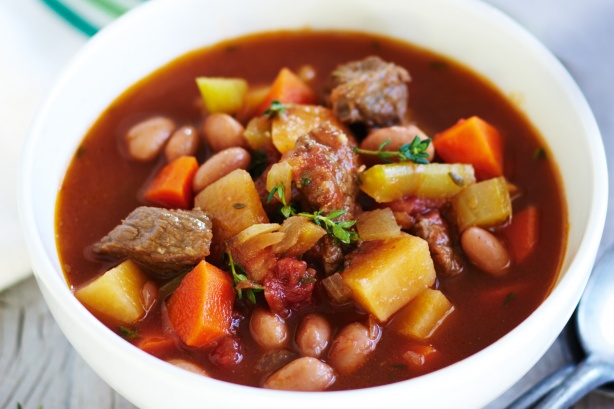
A salad is not as appealing in Winter so why not warm your veggies up by making them in to a soup!  A veggie based soup, maybe with some chicken, beef or beans added for extra protein makes a great lunch. You can use the canned varieties for a quick option, just choose one with plenty of veggies and some protein to keep you full.  A slice of toast is a nice addition to soup, keep it to 1 or 2 slices if you choose to dip!  A small portion of last night’s dinner is another good way to warm up without spreading out.

A steaming bowl of pasta or a stew with lashings of mashed potato sounds great on a cold winters night, but this is likely to lead to an expanding waistline.  Check out the Eat Smart blog www.eatsmartdiet.com for Smart Winter recipes that are not only healthy but also tasty!

Have an Eat Smart Winter!

Gold Coast Physio Massage Pilates
Sports Massage Physio Pilates
Team Kokoda Challange Gold Coast Physio & Sports Health

Team Kokoda Challange Gold Coast Physio & Sports Health

We need to fund raise for Kokoda Challenge! Please Donate by clicking here to support our team (Gold Coast Physio & Sports Health in the The Kokoda Challenge Event):

We are called Gold Coast Physio & Sports Health (Team #15) and our members are:
Britt Caling (GCPSH Sports Physio)
Dr Nichola Drew (local Sports GP)
Sarah Joyce (Sports Scientist)
Belinda Holloway (2x North face 100km finisher)

Alternatively to support us you can purchase a Raffle ticket ($2 each, 3 for $5 or 8 for $10) in clinic to go into the draw for one of 3 fantastic prizes:

1st prize: The Ultimate Runners Prize Pack
-The North Face Enduro Hydration Pack
-Running To Extremes Book
-FLY Active Race Day Belt
-Hydralyte Sports Rehydration and Electrolyte Replacement
-Brauer Sports Ice Gel
-And a FREE Massage from GCPSh

2nd place: A Runner’s Awesome Guide Prize
– A 12-month Women’s Running Subscription
– Kor Delta Water Flask
– 2XU Compression socks

3rd prize: The injured runners companion prize
– 2 bottles of wine to console for not being able to run!

ABOUT THE CHALLENGE

  • The course is 96km with 14 Major Checkpoints
  • The course starts at Firth Park in Mudgeeraba, and follows selected fire trails and paths through the Gold Coast Hinterland including areas of Austinville, Springbrook, Numinbah Valley, Beechmont and Clagiraba to the finish line at the Nerang Velodrome.
  • 96km is the actual distance of the Kokoda Track in Papua New Guinea
  • There is a 39 hour time limit in honour of the 39th Militia, the first Australian Troops to step foot on the Kokoda Track

WHAT TO GET EXCITED ABOUT

  • Raising money for The Kokoda Challenge Youth Program!  Your contribution is helping young people to gain confidence, direction, life skills, new friends and the knowledge that anything is possible
  • Friends, family and colleagues becoming involved – sharing the journey through your team page and tracking progress in real time on Virtual Spectator throughout the weekend of the event
  • The walk itself! By participating you become part of an ongoing and permanent legacy to theAustralian Diggers
  • The enjoyment of fundraising – there are some great ways to raise money for a good cause

Click here for more information

Loading...