13/345 Southport-Nerang Rd, Ashmore Q 4214
12/110 Kortum Drive, Burleigh Heads Q 4220

Thoracic spine (upper back) mobility, why it’s so important to everyone!
Written by Physio Rob Taylor 

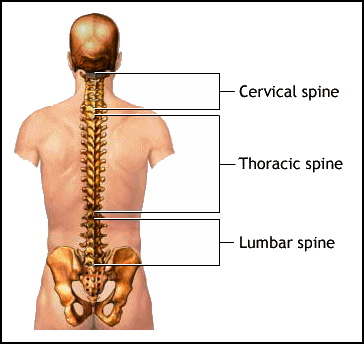
Your thoracic spine is the middle section of your vertebra between your neck and lower back and composes 12 thoracic vertebra and your rib cage. Thoracic mobility can be thought of the available movement or motion of this region of our body, and is very important for achieving good posture to ensure you don’t get pain from poor posture, and it is also essential for most sporting performances.

Modern life style and certain sports can lead to stiffness and poor movement which increases the natural “kyphosis” (rounding curve) of the thoracic spine which can lead to decreased sporting performance, injury and pain.

Thoracic issues can affect 4 main things:

  • Posture
  • Upper limb movements
  • Lower limb movements
  • Breathing

Posture is something we have all heard of and hours spent at desk jobs, on the internet, studying and certain sports like cycling can lead to negative changes in posture. With a stiff thoracic spine the natural rounded curve increases and the ability to extend (straighten up) and rotate is decreased. This leads to a neck and head sitting forward (Poke neck posture) which is associated with neck pain and headaches. Below the thoracic spine the pelvis often ends up in an anterior (forwards) tilt and the lower back more rounded in the reverse direction (lordotic) to compensate for the thoracic spine posture. This is associated with lower back pain especially in people with previous lumbar disc injuries.

Changes in long term posture can change the way the upper and lower body move. Decreased thoracic mobility and poor posture can affect people in any sport but has a large role to play in swimmers, golfers, kayakers and tennis players and any other sport that requires good thoracic extension or rotation (twisting). Decreased thoracic mobility decreases the range of shoulder movements particularly elevation (lifting overhead) by changing the position of the shoulder blade on the rib cage. A simple test is to sit slouched and lift your arms up, then re test sitting up straight and in good posture. If you notice a difference in how far your arms lift behind your ears from one position to the next, then chances are your thoracic mobility needs improving.

One major area I see often when working with Crossfit athletes and Powerlifters is problems with squatting associated with stiff thoracic spines. Decreased thoracic mobility makes it harder to get under a bar, leading to wider hand placements (and too wide does not maximise power from the lower limbs). Secondly, a lot of missed lifts occur because the chest is unable to open up due to stiffness in the thoracic spine and decreased strength in upper back muscles which pushes the weight forward making the lift harder.

Changes to lower limb mechanics due to thoracic spine stiffness can be more subtle than seen in upper limb. An increased thoracic curve leading to increased lumbar spine lordosis (arch) and an anterior pelvic tilt changes the forces on the lower limb which can have particularly detrimental effects in any sports that involve running.

One new area that is becoming more researched and is linked to thoracic spine stiffness is changes to breathing.  Normal breathing requires the ribs to move like a bucket handle (they lift to the sides). The stiffer the rib joints are where they join at the spine means less movement can occur at this joint and this can make it more difficult to take a breath when higher breathing rates and breathe volumes are required potentially less air breathed. This factor is made worse in cardiovascular-based sports that require sitting or being bent over such as rowing, kayaking or cycling (particularly in a time trial position).  This can be demonstrated by placing your hands on your hands on your lower ribs and taking a deep breathe in good posture and in a slouched rounded posture. The stiffer the spine or the more rounded the posture the less the ribs are able to expand properly which is important in sporting performance.

How can physio help with Thoracic Spine Stiffness?

A physio is trained to assess all vertebra movements and posture. A thorough assessment should involve thoracic spine movements such as extensions, rotation, side bending and rib expansion. Other things may include shoulder movements such as streamline in swimmers, neck movements and lumbar spine movements as well. Sitting and standing posture will also be assessed. If there are specific sports positions that require assessing such as time trial position or boat position this should be assessed as well.

Treatment for a stiff thoracic spine can include joint mobilisations, soft tissue massage, postural exercises, strength exercises and self stretching. Self stretching is very important and something that should be included in a regular stretching program for all athletes but more so for people at risk of problems such as desk workers, cyclists, swimmers, kaykers and other sports that require good thoracic mobility and posture.

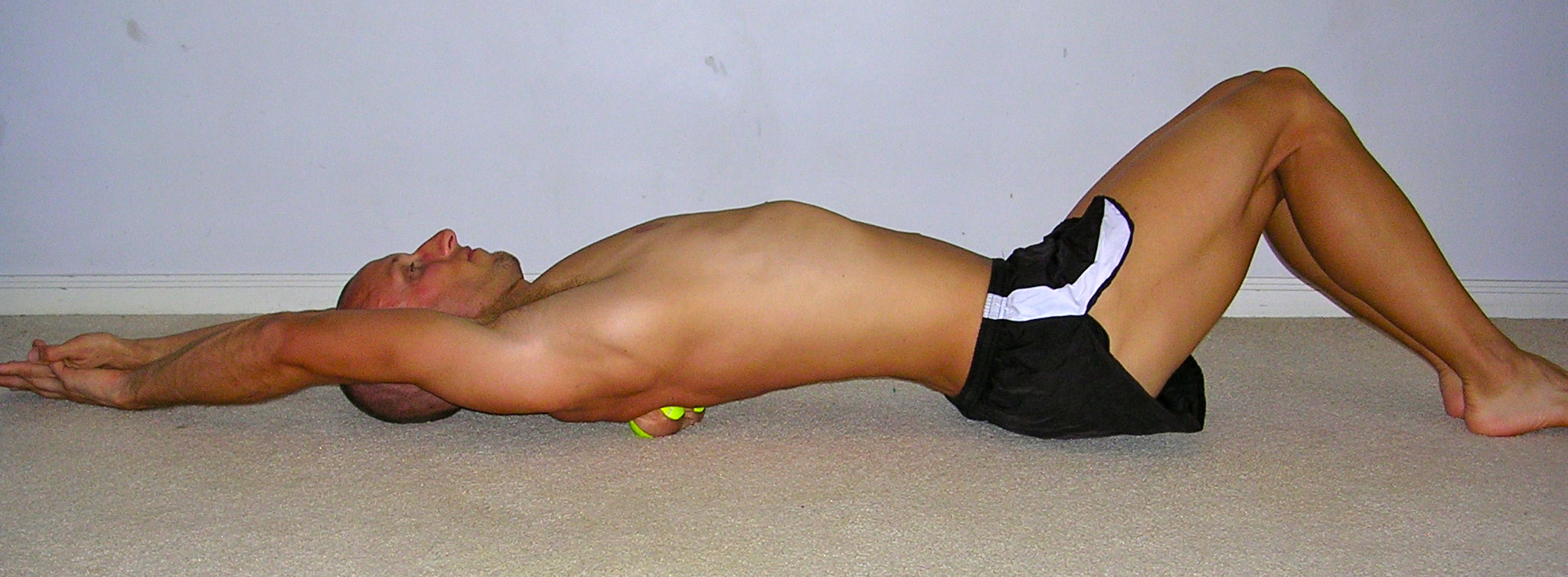
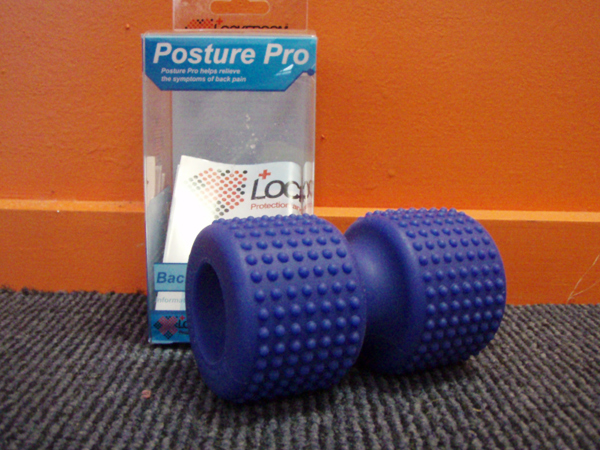
Some example stretches and devices you can use include:

Foam Roller used as a Thoracic roller
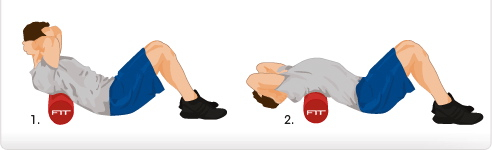


Posture Pro


 Both Foam Rollers and Posture Pro’s can be purchased at either of our clinics.


To learn how to use these aids correctly, or if you have any further questions about thoracic spine mobility, come and visit one of our experienced physiotherapists.  We can show you how we can assist you achieve great thoracic mobility and ultimately improve your comfort and sports performance.

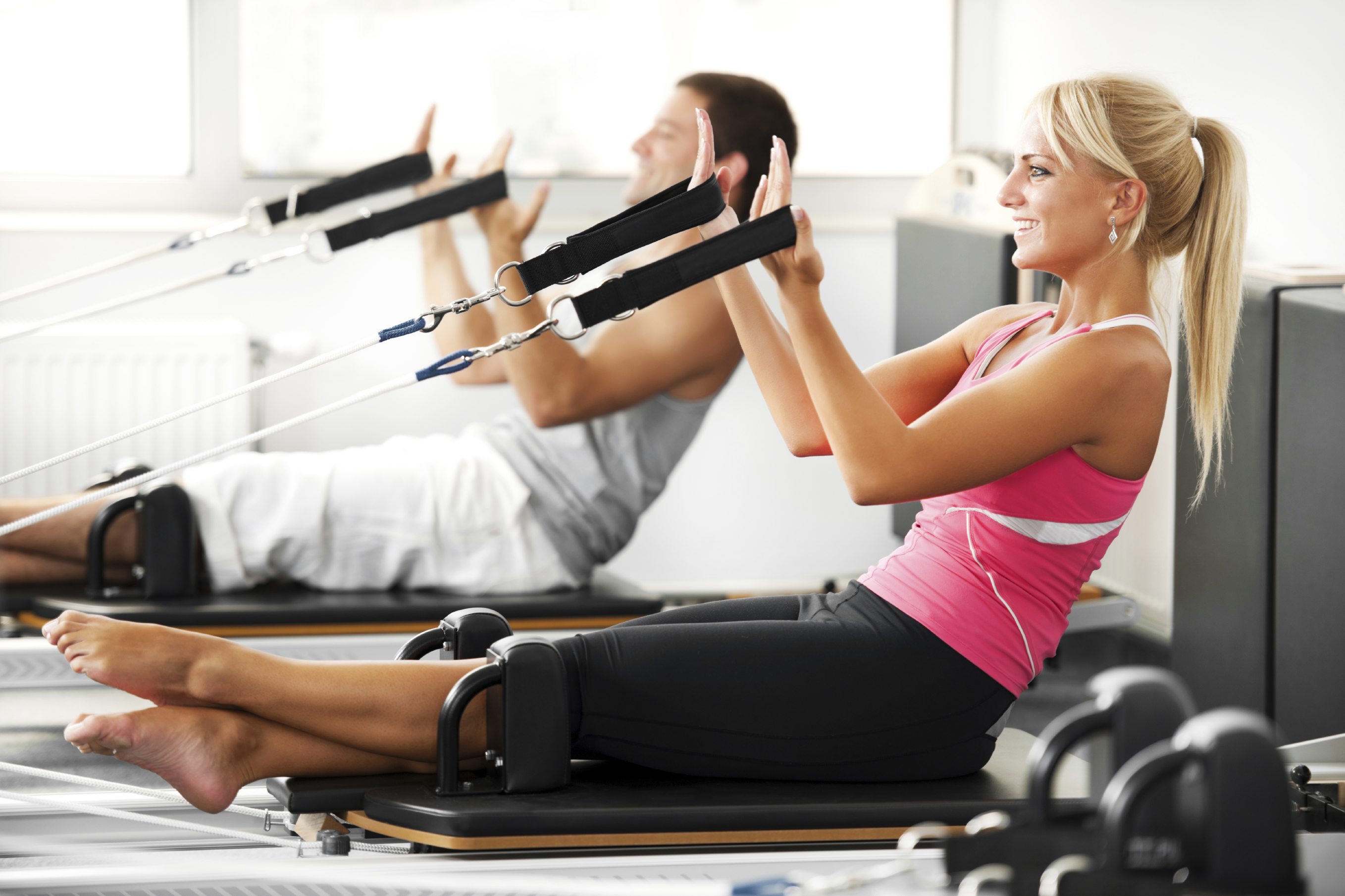
 

Benefits of Pilates

Read about the Great Benefits of Pilates & Core/Posture Control Exercises

By Katie Harders – Pilates Instructor & Remedial Massage Therapist

Ever wanted to know how Pilates can help you? Sore lower back, poor posture from various everyday activities, pelvic in stability, muscular imbalances and lack of body awareness are just a few issues that Pilates can help improve.

Here are 9 reasons why you should try a Pilates or Physio Pilates/Exercise Session:

1.Reduce Pain! This one is simple

2. Improve muscle tone: help strengthen and tone muscles. The more muscle you add to your body the more you stimulate your metabolism, which helps decrease body fat by burning calories and fat.

2. Improves flexibility: Pilates uses stretching movements to help keep your muscles supple and flexible. With increased flexibility you can do more of your favourite activities.

3. Energizing: Pilates teaches you to use your breath to perform the exercise, so breathing more deeply can help stimulate our body’s response system. This energy carries throughout the day, so doing Pilates in the morning is best.

4. Improves posture: Pilates can help you stand taller and more confidently. Through Pilates corrective exercise you can improve your posture by conscious movements that help to correct imbalances in the body that cause bad posture and tension.

5. Improves Balance: Balance comes from the ‘core ‘ or centre of the body so Pilates will strengthen this area and begin to bring the body back into a more balanced upright stance.

6. Sleep Better: Doing Pilates in the morning helps release cortisol, a stress hormone that builds up in our body. Exercise helps release some of this hormone which if done early in the day helps you to concentrate better at work, and be relaxed by night time resulting in better sleep.

7. Decreased Back and Joint aches: Pilates train the body so that all of the core muscles work together to support and stabilize the back. Part of developing effective core strength is to train the body to know when to release as well as activate the core muscles. Pilates movements are low impact on the back and joints.

8. Improve Pelvic Floor Awareness and Activation: Pilates teaches you correct activation of the pelvic floor muscles. All exercises are done while activating pelvic floor throughout the whole class.

Pilates & Exercise classes are available at Gold Coast Physio & Sports Health, simply call us to make your next appointment 07 5500-6470

What is “Footballers Groin”?

By Sports Physio, Greg Wootton

Groin pain is commonly reported by young sports participants, particularly young males that play kicking sports.

What are the Signs and Symptoms of Footballers Groin?

An athlete with Footballers Groin will typically report pain, tightness and tenderness in the inner thigh; and central tenderness and pain local to the pubic symphysis (this is the bony joint low down in the middle of your abdomen, just above our genitals)

Some report a deep ache in the genital area and the lower abdomen. Symptoms are usually associated with the kicking, jumping, sprinting and twisting activities of some sports and these stop/start, change of direction or single leg activities will cause aggravation. If the pain becomes worse, it may even be present just to walk around.

So what IS Footballers Groin?

Pain in the Groin region may be due to a multitude of conditions including hip joint pathologies, bursitis (irritation of the sack of fluid that usually sit below a tendon and stops the tendon rubbing directly on the bone) of the psoas muscle (one of the hip flexor muscels), stress fractures in the pelvis or hip, avulsion fracture (a bone fracture where the muscle contracts so strongly that it fractures off a portion of bone) , nerve compression and low back pathologies. These conditions all make diagnosis of the reason for Groin Pain very complex.
The term “Footballers Groin” was coined to refer to multiple conditions of the pelvis and lower limb that regularly affect sportspeople participating in sports involving a kicking action. The diagnosis includes a combination of osteitis pubis (discussed below), adductor tendonopathy (damage to the adductor, or groin muscles as they attach in to the pelvis bone) and a sports hernia.

Some individuals may also have abdominal muscle pathology where these muscles insert into bone around the pubic symphysis (and a section of abdominal tendon called the conjoined tendon).
Osteitis pubis involves inflammation/irritation of the pubic symphysis , the joint at the front of the pelvis between the two pubic bones. As the inflammation and irritation continues bone marrow oedema  (bone stress) and bony degenerative change occurs.
Adductor insertional tendonopathy is micro and macro trauma of the tendon associated with activity, resulting in structural changes in the tendon, similar to a variety of overuse type tendonopathies such as tennis elbow or the Achilles.

The term “sports hernia” refers to a deficiency of the wall of the inguinal canal, although unlike other many other hernias, it typically does not have a palpable lump or protrusion.

The irritation in Footballers Groin is thought to be a product of shear forces on the pubic bones of the symphysis pubis joint due to weight bearing on a single limb. These forces are then multiplied with kicking, jumping or changes of direction whilst under load. If these forces cannot be adequately controlled the movement at the symhysis pubis irritates and degenerates the bony surfaces. In an attempt to control the shear forces the athlete may overload the adductor and abdominal muscles.

What is the Cause?

A lack of the muscle control and stabilisation of the pelvis is considered the primary cause of Footballers Groin.

Specifically, poor functioning of the gluteal and deep pelvic muscles responsible for stabilising the pelvis and reducing shear forces through the pelvis. A direct link has been shown between decreased function of the gluteus medius and subsequent over activity of the adductor longus muscle.

Decreased hip joint mobility has also been shown to increase loading on the pelvic structures.

What does Treatment Involve?

A myriad of factors must be considered in the treatment and rehabilitation of the “Footballers Groin”. Initially the reduction of aggravating activity to reduce inflammation and degenerative changes may reduce symptoms, but if muscle control of the pelvis and lower limbs is not corrected it is likely symptoms will return with a return to activity.

Exercises to improve dynamic (movement) stabilisation of the pelvis should be commenced and  gradually the loads and dynamic components of the exercises increased. The exercises are then advanced to include sport specific training in preparation for a return to the field.

All the Physio’s at GCPSH are able to help Manage you, or your child, if experiencing Groin Pain. In particular, Sports Physio Greg Wootton worked with a WA AFL football team for many years so has extensive experience in treating difficult groin pain and is happy to help any client at any level of competition.

Muscle Group Strength Testing Available At Gold Coast Physio & Sports Health using Hand-Held Dynamometry

Have you had on-going hip pain or hip surgery?  Has your mother or father had a hip replacement at an early age? Worried about getting early hip arthritis? If so, this information will be useful to you.

Did you know we can test your hip muscle strength using a hand-held electronic dynamometer to indicate which muscles need strengthening to help reduce your pain, rehabilitated you from surgery or reduce your risk of recurrence of hip pain or injury.

A hand-held dynamometer is an electronic device held on your skin while you resist a movement. It gives a read-out of force output that can be interpreted by your physio or exercise physiologist.

The force values for one limb can be compared to the other limb and thanks to a number of more recent research studies, we now have an idea of what “normal” strength ratios should be between muscle groups. Notably we have this information for uninjured hips, swimmers and baseballers shoulders.

A recent study by an Australian-based physio (Kemp et al, 2013) has found this dynamometer testing to have good inter-therapist reliability, that-is, if one of our physio’s were to test you one day, another therapist could test you the next day with the same results.

This means you can be sure that any testing we perform on you in the clinic will provide useful information in helping guide your management- whether that be following surgery,  if you are experiencing on-going pain or even if you are worried about following in the footsteps of a parent that may have had an early-age joint replacement.

Next time you visit us, make sure you ask your Physio whether dynamometry strength testing may be useful to you.

Loading...