13/345 Southport-Nerang Rd, Ashmore Q 4214
12/110 Kortum Drive, Burleigh Heads Q 4220

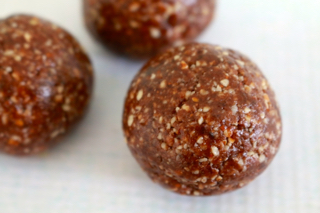
Hazelnut Cacao Goodie Balls recipe

Hazelnut Cacao Goodie Balls

Makes 18 balls

Ingredients:

210g whole hazelnuts

8 Medjool dates, pitted

¼ cup cacao, plus extra to roll

1 tsp vanilla bean paste or essence

¼ cup maple syrup

¼ cup coconut oil

1 pinch sea salt, optional

Method:

Soak hazelnuts in boiling water for 10 mins to soften.
In a food processer, blend all ingredients until a rough paste forms.
Form in to 18 balls. Coat in cocao. Note: The mixture will be quite sticky but the balls will harden when refrigerated or frozen.
Put in fridge or freezer to set. Can be kept frozen for up to 3 months.

Per serve: Energy: 623kJ, Protein: 2.4g, Fat: 10.6g (saturated: 3.4g), Carbohydrates: 11.7g (Sugars: 9.8g), Fibre: 2.5g

How Can Remedial Massage Help Low Back Pain

How Can Remedial Massage Help Lower Back Pain

By Exercise Physiologist and Massage Therapist Rhiannon Tucker

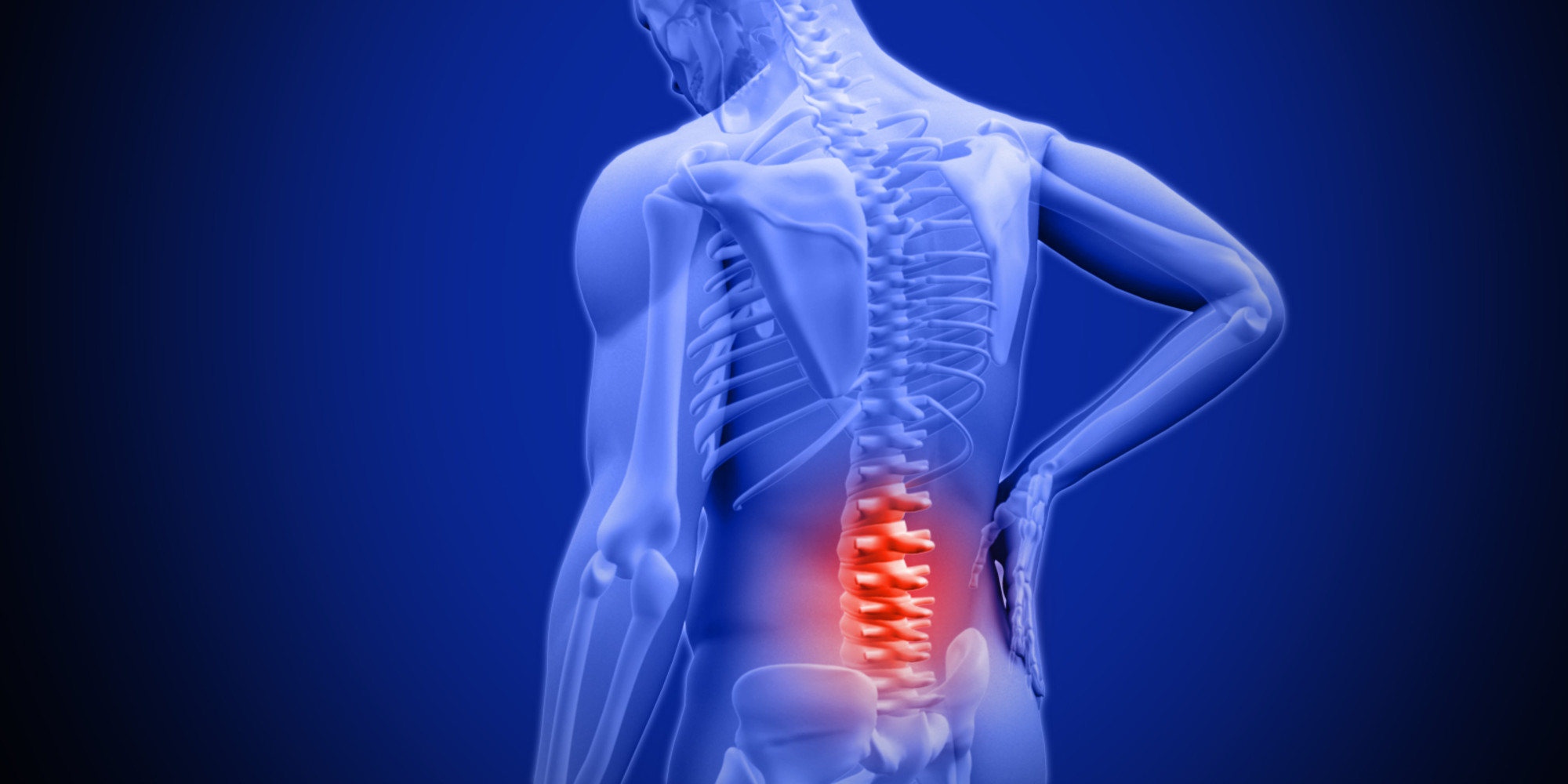
Lower back pain is a common condition with it estimated that around 70-90% of australians will suffer from lower back pain in some form at some point of their life. It can be related to number of conditions or diseases which include posture, work place or sporting injuries, osteoarthritis, osteoporosis and numerous genetic conditions.

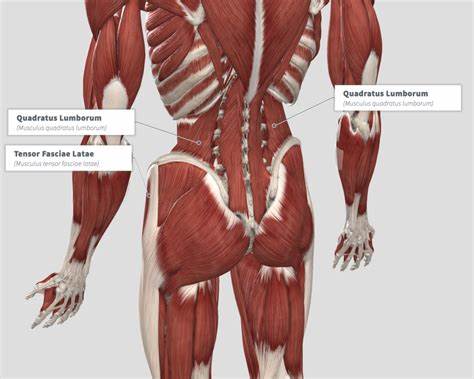
Lower Back Pain can be complex and multi-symptomatic and caused by a variety of problems: whether due to irritated nerves sending pain into the lower back, gluts or legs; Muscles around the spine (Erector Spinae, Quadratus Lumborum or deeper muscles closer to the spine) being strained or in spasm: Ligaments, bones, or joints damaged: degeneration of the intervertebral discs; or even just how your brain processes and perceives noxious stimuli within your body.

Any of these above anatomical structures can cause muscular spasms, which can be very painful and disabling for both chronic and acute cases of lower back pain.
Types of pain experienced may include;
– sharp acute pain
– chronic dull ache
– tingling or numbness which may be felt down the back of the legs.

How can massage help lower back pain?

Regular Remedial Massage can help ease some of the muscular pain by using techniques such as deep and soft tissue massage, trigger point therapy and dry needling. Releasing the large muscles around the spine, gluts, hip flexors and hamstrings, can help improve muscle tone and release pressure on the nerves around the spine which send the pain signals to the brain. Remedial massage will also help improve posture and flexibility, which in turn can reduce pain in the lower back.

Does remedial massage hurt?

For muscles holding a lot tension, deep tissue massage and trigger point therapy can initially be somewhat painful. Most people describe the pain being felt as a “good pain”, as it slowly eases off when the muscles relax. And the results after the treatment are worth the discomfort during.

If the body is not used to deep tissue massage, it is expected to feel a bit like you’ve just done a heavy weight session in the muscles worked on, however they should start to feel a lot better within 1 to 2 days.

The key to recovery for any injury is maintenance and keeping up with regular massage will help keep your muscles in check by improving blood supply and tensions within the muscles.

It is recommended that if pain persists, seek a Physio consultation. You may also need referral to a medical professional for further follow-up and review.

Book Online for a Massage Appointment or phone the clinics 07 55006470 and let us help you today!

Sports Physio Britt Caling head Physio for Triathlon Australia Elite team

Sports Physio Britt Caling travels with the Triathlon AUS team later this month to the 2016 ITU World Triathlon Series opener in Abu Dhabi city, the capital of the United Arab Emirates (UAE)

With the dawn of 2016, the year of the Rio 2016 Olympics, Abu Dhabi will once again find itself the focus of the triathlon world as the first leg of the ITU World Triathlon Series. The world’s best triathletes, including several Olympic contenders, will kick-off this highly anticipated Olympic season on the Abu Dhabi Corniche on 5 March to compete on an Olympic distance course for the very first time in the UAE capital.

Britt is no stranger to ITU racing having been the AUS team’s Sports Physio for close to 8 years, only to have the last couple year off on maternity leave. The pressure to perform by the AUS athletes is evident with Olympic selection on the line from the opening race so it’s sure to be an action packed year for our Triathletes.


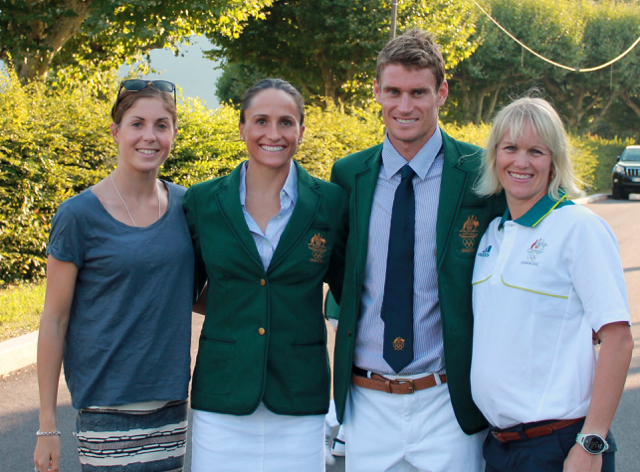
Ash, Emma, Brad, Britt - London Olympics

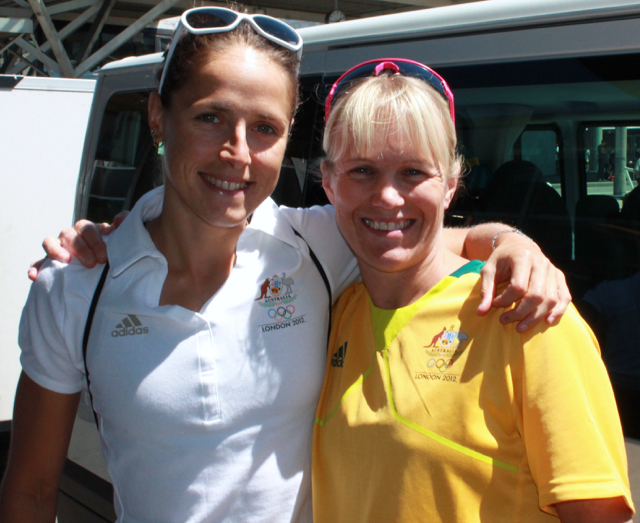
Erin Densham with Britt London Olympics


Searching for Good Running Technique?

Searching for what is “best” Running Technique?

What do I teach for good running technique?

Words by Britt Caling, APA titled Sports & Exercise Physio, Australian Olympic Team Physio, Running Mum and passionate trail runner with a special interest in distance running

Over my Sports Physio career, I have been lucky enough to have been exposed to a number of Run Coaches, Running Biomechanists, and Physio’s/Podiatrists that have all had a special interest in the technique of running efficiently and injury-free. As a result of this, combined with my own experience as a runner (more recently as an Ultra-runner), and in particular being an injury-prone runner, I decided to put together the GCPSH Run Technique clinic to teach all levels of runners what we don’t necessarily learn when we step out our front door and decide to run. (ps. just because we all work in a Physio clinic doesn’t mean we don’t break! Some athletes are just gifted with a resilient body that can keep up with the motivation of their brain, but I definitely am not one of these. I take solace in knowing all the Injuries I have had help me manage the multiple injuries that present in front of me each week and have forced me to improve my running technique. I can certainly attest to the fact that good running technique improves running efficiency, feels easier and results in less injuries!)

It is generally assumed that because we run around as a kid, we should be able to put our shoes on as an adult and run out our front door with no problems. Wrong Wrong Wrong!

Learning to Run with good technique means a few things:
1. You should become more efficient which will improve your performance
2. Improved efficiency means running feels easier and should be more enjoyable
3. Improved technique means you are able to use and deal with ground reaction forces better which will reduce your risk of injury as you can control the ground reaction forces better.

What do I teach to help achieve good running technique:
1. As a runner, you need to learn to be a ‘stiff spring’. Stiff springs compared to soft, slinky springs rebound from the ground easier and with less effort. This is how you want your running to feel.

2. Being a stiff spring needs:
* Strong foot muscles and especially strong Calf Muscles and Achilles
* Good pelvic control and abdominal/trunk wall tone (or tension)
* Being able to strike the ground in the right ‘stiff’ way and use the ground reaction forces to assist forwards propulsion

3. Good running posture with forwards lean (forwards lean is NOT a forwards bend at your trunk). This posture will help you direct your forces into the ground that will help propel you forwards.

4. Importance of arms and arm carry to assist cadence and balance in stride
* Correct arm carry helps use muscle/soft tissue tension stretch and recoil so less muscle contractions are required. Your arms can help you achieve good cadence (steps per minute)
* Arm carry needs to be symmetrical, relaxed and balanced to help balance your legs

5. Good leg drive in front of your body that helps you achieve distance per stride in the direction you want to go. This needs good hip range, hip flexor and ab muscle strength.
6. Foot strike (ie how the foot strikes the ground) and learning to minimise forces that decelerate the body and maximise & direct forces that accelerate the body forwards

The Running Technique clinic I conduct on the first Saturday of the month is about introducing you to the above concepts and then progressing your ability to achieve them. Each participant gets individualised feedback with the aim being for each athlete to be able to take home at least a couple of drills that are best for them. Then it’s about “practice makes perfect”.

Find out more about the Run Technique Clinic

When you attend the Run Technique Clinic, we also email you a BONUS Webinar on Running Injuries, minimising injuries and where good technique fits into reducing running-related injuries!!

Tip: If I could give one hint to all parents that I’m sure all Podiatrist would agree with – allow your children to spend some time being barefoot during their growth. This will give them great receptive feedback from the ground and help them develop foot posture and strong intrinsic foot muscles. This will help them as they grow in all aspects of weight-bearing, running included.

Happy, injury-free running!
Loading...