13/345 Southport-Nerang Rd, Ashmore Q 4214
12/110 Kortum Drive, Burleigh Heads Q 4220

Are you a Triathlete who knows their Injury Risk?

Are you a Triathlete? Do you know your Injury Risk?

By Sports & Olympic Physio, Britt Caling

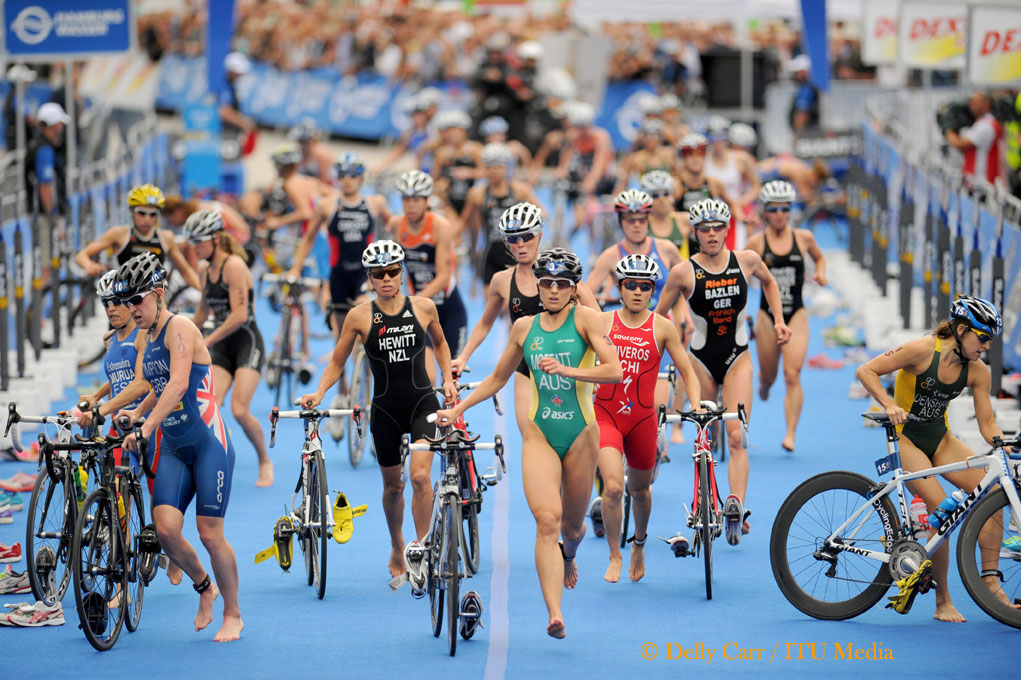
With the start of the triathlon season underway and all you dedicated triathletes well into established training routines, it’s appropriate at this time to review a little about injury rates in triathletes.

Did you know:

–    50- 75% of competitive triathletes will experience at least 1 injury in a 1 year period

–    The incidence of injury during competition phase is greater than during training phase.  The average triathlete will experience between 2 and 5 injuries per 1000 hours trained during base phase.  During competition period this injury rate increases to between 5 and 17 injuries per 1000 hours trained.

–    There is a “U-shaped” association of injury to time spent training each week. That is, if you train too little or too much you are likely to be at greater risk of injury. The challenge for every triathlete and coach is to determine “what is the optimal amount of training each week for each individual”.  What may be appropriate for one athlete may be too little or too much for another.

–    The majority of triathlon injuries are overuse injuries.  An overuse injury is one that results from repetitive activities and excess use of a body part where cumulative tissue microtrauma occurs.  An overuse injury may be acute (of recent onset) or chronic (present for a long duration).

–    The longer the triathlete has been in the sport and the greater the number of hours trained per week the more likely they are to suffer overuse injury.

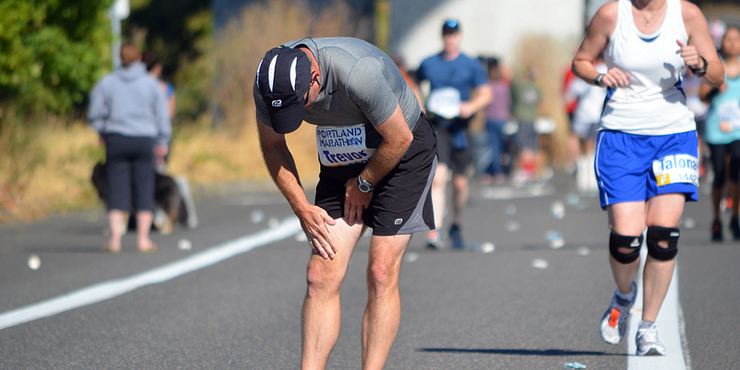
–    Most injuries are related to running, with a higher number of running kilometres during pre-competition phase increasing the likelihood of injury during competition.

–    Although the number of male competitors is greater still than female competitors, there is no difference in injury prevalence rates or most common site of injury

–    The most common regions of injury in triathletes are the knee, low back and then shoulder.  Olympic distance athletes tend to experience more knee-related injuries, while Ironman triathletes have a greater incidence of low back injury/pain.

–    The most common injuries I see in triathletes in our Sports Physio clinic are:

o    Running-related injuries:  Iliotibial band friction syndrome (ITBFS); Achilles pathology; Shin pain and Tibial (shank) stress fracture; Plantar (bottom of foot) Heel Pain;
o    Cycle-related injuries: Low back pain; Patello-femoral (knee-cap to thigh joint) knee pain
o    Swim-related injuries: Shoulder pain related to tightness or instability/weakness

gold coast physio and gold coast massage
gold coast triathlon
triathlon and physio and massage

Injury Differences in Short vs Long Course Triathletes

A discussion about Injury differences in short vs long course Triathletes

By Sports & Olympic Physio, Britt Caling

Triathlon is competed over varying distances from Sprint (750m swim, 20km bike, 5km run, or even shorter introductory races), to Olympic distance (1.5km swim, 40km bike, 10km run) to Ironman (3.8km swim, 180km bike, 42.1km run) and even Ultraman distances.  Most Triathletes tend to focus on a specific competition distance and the Injury Incidence and most common site of Injury tends to vary depending on this focus.

Overall research literature reports 50- 75% of competitive triathletes will experience at least 1 injury in a 1 year period. The most common regions of injury in triathletes are the knee, low back and then shoulder.  Olympic distance athletes tend to experience more knee-related injuries, while Ironman triathletes have a greater incidence of low back injury/pain.

A greater number of hours trained per week results in an increased likelihood of experiencing an overuse injury.  With long course triathletes tending to train more hours per week, they have a greater risk of injury, with 75% of Ironman Triathletes reporting an injury that disrupted training, racing or required medical assessment (Burns et al 2003; Korkia et al 1994; Egermann et al 2003).

Vleck et al (2010) also reported that Olympic Distance triathletes had a higher tendency for Achilles injury which may be due to increased hill and speed training undertaken by these athletes, compared to the lower and longer training intensities performed by long-course triathletes.

A study from athletes competing in the 2006 Australian Ironman (Ansell , 2012) found 86.1% reported suffering an overuse injury related to competition or training in the last year. The most common site of injury in this survey was the knee (35.1% of respondents), followed by the low back (34.1%) and the ankle/foot (30.7%).  Low back injuries had a significant association with the cycling discipline.  This is likely in long course athletes given the increased number of training and racing hours spent on the bike, and in particular the amount of time spent in the aerodynamic position which places the lumbar spine and hips in a large amount of flexion and increases force in the intervertebral discs and across the lumbar spine-to-sacrum junction.

Cycling is also an activity using concentric (muscle shortens when it contracts) muscular contractions and obviously doesn’t expose the athlete to the ground reaction forces that running does. Running also requires eccentric muscle contractions (muscle lengthens as it contracts) and the ability of the lower limb to absorb and transmit forces adequately.  Prolonged cycling may reduce the capacity of the athlete to adapt to the changed forces that they must deal with when running, so also result in increased injuries in the run discipline.

In Ironman triathlon, dehydration and hyponatraemia are common conditions to be aware of (58-72% of athletes)  and are significant factors affecting race performance, more so than in short course racing.  Dehydration is a loss of water due to excess sweating and may cause cramps, exhaustion and hyperthermia.  Laird (1989) reported 71% of the athletes requiring medical care in long course triathlon was at the finish line and was for dehydration and exhaustion-related factors. Hyponatremia is a medical condition where the concentration of sodium in the blood falls to less than 135mmol/L. The most common cause of this is excess consumption of water that dilutes the concentration of sodium and places the kidneys under significant stress. This can become a significant medical condition resulting in confusion, nausea, fatigue and in the worst cases seizures, coma, pulmonary oedema and possible death.  The incidence of Hyponatremia in short course racing is very low.

As a Sports Physio who has worked with the elite Australian Triathlon Team since 2002, I have a bias towards seeking and regularly using experienced allied health therapists (ie. Physio, Massage, Sports Dietitian, Podiatry, Osteopathy etc) to help reduce your Injury risk when triathlon racing.  An experienced Sports Therapist that understands the demands of Triathlon as a sport will be able to help identify the intrinsic and extrinsic risk factors for you as an individual triathlete.  It is also interesting to note that the survey by Ansell from the Australian Ironman found that athletes with a triathlon coach had a lower injury rate than athletes that were self-coached. This highlights the benefit of having a Coach as part of your training team, as well as Sport Therapists that have a specific understanding of the needs of you as a Triathlete.

At Gold Coast Physio & Sports Health, we have 7 staff who are, or have been competitive triathletes so we understand your needs specifically. Call us on 07 5500 6470 or book an appointment online at www.mygcphysio.com.au


gold coast triathlon training
gold coast physio for knee injuries
gold coast physio and sports health

How to Test whether you are Hydrating Correctly during Exericse

Are you Hydrating Correctly?

Written by Simone Bourner, Accredited Dietitian and Accredited Sports Dietitian at EatSmart Nutrition Consultants

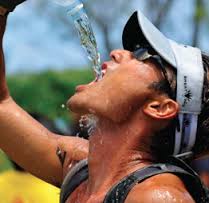
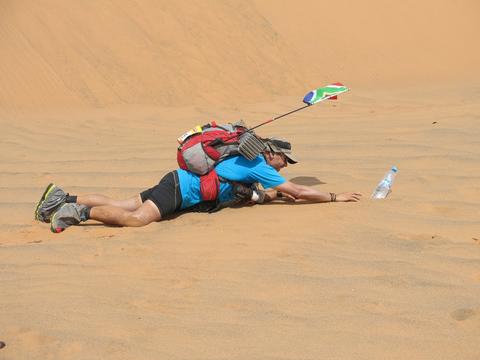
With the heat and humidity increasing on the Gold Coast rapidly, do you know how to test if you are Hydrating Correctly when you Exercise?  Did you know that being dehydrated any more than 1% of your body weight can impact negatively on your performance?

Dehydration makes it more difficult to make decisions and can cause you to fatigue earlier, as well as interfere with the Physiological processes occurring to help your working muscles keep working.  Not what you want to have occur to stay on top on your game! Now that the weather is warming up it’s more important than ever to check in and see whether your hydration is up to scratch!

How does dehydration affect your performance?

Dehydration impairs:

-The body’s ability to regulate heat = increase in body temp + heart rate
-Perceived exertion = feel more fatigued and decreased work output
-Mental function = decreased motor control, decision making, skill & concentration
-Gastric emptying = stomach discomfort and reduced opportunity for fluid replacement

How do I know if I am dehydrated?

runaway bay burliegh physio and massage dietitianSymptoms of dehydration may include overheating, feeling thirsty, early fatigue, headaches, nausea, loss of concentration, muscle cramps and twitches and dark concentrated urine. Sweat rates differs depending on body size, age, exercise intensity, environment and fitness levels so there is no guideline that suits everyone. Some of the methods we use with our athletes to check their hydration is on point include:

Fluid Balance Testing

The goal of fluid balance testing is to measure individual sweat rates, fluid replacement and to provide feedback and guidelines for individuals.

This involves

-Weighing in and out in minimal clothing pre and post session. Initial weigh in conducted after emptying bladder.
-Weigh pre and post urination to estimate fluid losses.
-Fluid intake is measured during session by weighing of water and sports drink bottles.

What fluids do I need?

For everyday hydration choose water as your main fluid and drink frequently throughout the day. For standard training sessions water is fine too. Keep a water bottle nearby and drink small amounts at every opportunity. If you are training or competing for over 90 mins, it is particularly warm or you know you are a salty sweater (think salt deposits on your lips and face when exercising, a feeling a salt crystals on the skin once sweat dries and a salt ring on clothing once sweat dries) you may choose to use a sports drink such as Gatorade, Staminade or Powerade to help provide carbohydrates and replace electrolytes. Post activity, aim to replace approximately 150% of fluid lost within 2-3 hours. Water with your recovery meal is usually suitable.

Practical Tips

– Don’t wait until you are thirsty to drink

– Take a water bottle with you to training and sip often throughout the day

– Check the colour of your urine and aim for a pale straw colour (think homemade lemonade). If it’s more like apple juice, you’re dehydrated!

– Weigh yourself before and after training/game to estimate fluid losses

Chat to your Eat Smart Dietitian to work out an indivisualised hydration plan for your training or next event, phone 07 5500 6470

What to Pack in a School Lunchbox

How to stress less about packing a healthy lunchbox

by Eatsmart APD and Provisional Sports Dietitian Simone Bourner

Kids heading back to school have you stressing over what to pack for lunch? Here’s our tips:

A good guide when packing a lunchbox is to think about the 5 food groups: bread/cereals, fruit, vegetables/salad, dairy or alternative, meat or alternative. A mix of these will provide nutrients and nourishment for a busy day of listening, concentrating and playing at school.

Then break it down into four components:

  • A main item, such as a sandwich/wrap/roll, pasta with vegetables, soup, frittata or sushi.
  • A fruit or vegetable snack, such as whole fruit, cut up veggie sticks, canned fruit in natural juice, a small salad. Go for fruit in season to help reduce costs.
  • 1-2 snacks based on other food groups, such as yoghurt, grainy crackers with cheese, plain popcorn, a slice of raisin bread, a wholemeal fruit muffin, a boiled egg, or a can of tuna, seeds or a bar/slice made with fruit & seeds
  • And a drink. A bottle of tap water is best, and plain milk is also nutritious.

Don’t forget to always send a cold or frozen drink bottle with water or a frozen cold pack to keep lunch fresh and safe, especially in summer.It is best to limit foods high in sugar, salt and fat such as soft drinks, chocolates, chips, juices, cordials and processed treats like roll ups or  biscuits. Remember, you provide-they decide. If children are hungry, they will eat what is provided. If unhealthy choices are available, often these are eaten first and the other items come home untouched!

Parents and carers are a significant role model for their children and healthy behaviours, so parents may like to have the conversation about everyday vs. sometimes foods. Ultimately parents are also in control of providing foods for school and setting family guidelines around healthy eating and frequency of tuckshop purchases.

The best choice at the tuckshop depends on how regularly it is being ordered. It is suitable to choose one day each week or fortnight where the child may select their favourite foods (or you are too busy to make lunch!). If tuckshop becomes more regular, aim to avoid fried or creamy options (e.g. pies, creamy pastas) and go for items with salads or vegetables such as a sandwich, wrap, burger or roll.  Some tuckshops sell meal items such as rice dishes, pastas or sushi, which are also great choices. In terms of fluids, avoid soft drinks and juices instead opting for milk or water.

We appreciate that it does take time and organisation to send a healthy lunch box to school so in order to have it happening more regularly than not:

  • Follow our checklist above to ensure the lunchbox contains a main item etc
  • Write a shopping list for the week and buy fresh fruit and vegetables, milk and yoghurt, bread and crackers in advance.
  • Prepare snacks or meals in advance on the weekend.
  • Pack lunch or having it ready to go in the fridge the night before.
  • Enlist the help of the children to save time if they are old enough.
  • Involve children in shopping and let them help choose fruits and vegetables for their lunchbox to get them interested.

Chat to your Eat Smart Dietitian for further help for your busy family, ph 07 5500 6470 for an appointment at either Runaway Bay or Burleigh Clinics

dietitian gold coast
eatsmart nutrition lunches

What Is Myofascial Cupping?

Myofascial Cupping

By Remedial Massage Therapist Paige Single

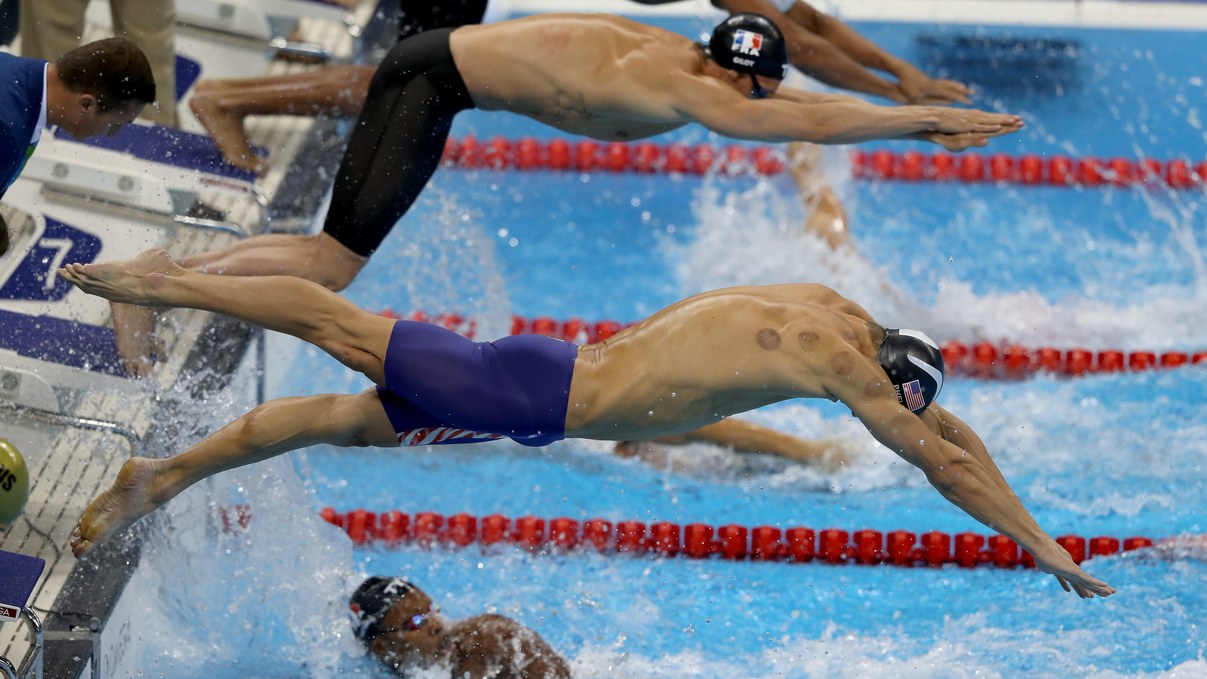
remedial massage gold coast physio and sports healthSome of you may have seen the 23-time Olympic gold medallist Michael Phelps with red/purple spots all over him at this year’s Rio Olympic Games. What are they you might ask? Perhaps he fell asleep wearing his medals?

They are the result of ‘Myofascial Cupping’, used in many different ways to release myofascial tone. There has also been some controversy surrounding Phelps’ use of cupping for body maintenance, so I thought I would provides some  explanations.

What is Myofascial cupping?

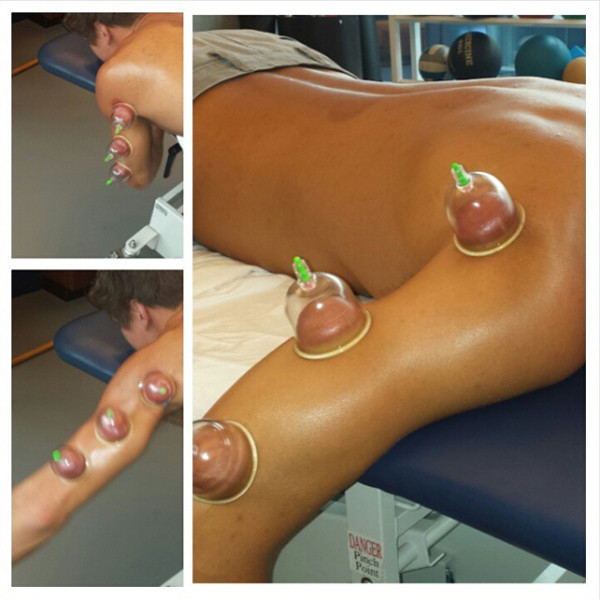
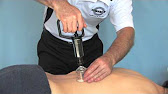
burliegh runaway bay massage myofascial‘Myofascial Cupping’ or ‘Cupping’ an ancient Chinese therapy in which a glass, plastic or bamboo cup is applied to the skin then the pressure in the cup is reduced (either by heat or suction) in order to draw and hold skin and superficial muscle tissue/fascia inside the cup. Sometimes, while the suction is active, the cup is moved, causing the skin and muscle to be pulled. This is called ‘gliding cupping’. Cupping is applied to certain acupuncture points as well as to parts of the body that have been affected by pain or muscle/fascia tightness where the pain is deeper than the tissues to be pulled. The cupping process draws blood from your vessels and into your tissue. Your body thinks it’s been injured, so the theory is that it ‘jumpstarts’ a postive inflammatory response, mobilizing antibodies to the area to try to heal it.
The Cups are fitted with a valve that attaches to a small hand-operated pump, allowing the practitioner to suck out air without having to rely on fire to depressurise the cup first. It also gives them greater control over the amount of suction.

The process
In order to allow the cups to move over the skin easily, oil is used then cups are places on the skin in areas of tender/tight muscles, trigger points, acupressure points and then either moved along muscles to ‘release’ or ‘strip’ fascia or left in one place avoiding any broken skin. Cups are generally left in place for ten minutes although the time can range from five to fifteen minutes. The skin will normally redden due to the congestion of blood flow. The cup is removed from the skin; some circular bruising on the skin of the cup is to be expected and may stay visible for up to 2-8 days. This is a normal part of the therapy and it isn’t painful.gold coast physio and sports health
In some cases where cupping is used after acupuncture the cup can draw blood from the skin. This form of cupping is to be performed in very sterile environments due to an infection risk, so post cupping treatment strict precautions need to be followed.

Athletes
Cupping for athletes can aid in the recovery process as increased blood flow from cupping may help accelerate the repair of the damaged muscle fibres that result from hard training.

Other Benefits of cupping include:
·        Stimulate Blood Flow
·        Drain Lymph and cellular debris
·        Separate layers of connective tissue to bring hydration and blood flow to body tissues
·        Soften tight muscles
·        Relieve deep muscular issues and reduce muscle spasms
·        Lift and stretch soft tissue to separate fascial restrictions
·        Increase range of movement and flexibility in joints.
·        Move stagnations of lactic acid and metabolic waste and enable normal lymphatic flow to promote healthy circulation and help strengthen the immune system.

Other specific Conditions cupping can help
·        Scar tissue post-surgical
·        Plantar fascia or plantar foot pain
·        Stiffness or tightness in any muscular area’s
·        Back Pain
·        Headaches
·        Neck Pain
·        Chronic Pain
·        Jaw Pain (TMJ)

All the Therapists at Gold Coast Physio & Sports Health (Physio’s and Massage) are able to assess and decide if Cupping is an appropriate treatment technique for you.

If you have used Cupping techniques before and like the results, let your Therapist know and they can include it in your treatment regime.  Phone us for an appointment 07 5500 6470 or book online at www.mygcphysio.com.au


Loading...