13/345 Southport-Nerang Rd, Ashmore Q 4214
12/110 Kortum Drive, Burleigh Heads Q 4220

Are you fueling up for your training?

Are you fueling up for your training?

by LAUREN NUGENT (EatSmart)

To prepare for a long car trip, mechanics and automotive specialists recommend to have a full tank of petrol, check oil and water levels, ensure the pressure in the tyres are correct and recommends the driver should ensure they have a full night’s sleep.

Do you take the same care when preparing for a long training session or race?

Do you check in with your body, stretch and warm up?

Do you ensure you have a full tank of fuel?

That you are hydrated?

That you are prepared with the right ‘during session’ nutrition?

That you have had a full night’s sleep?

We would consider not taking due care of your car and yourself for a long drive as negligent. But do you think the same about your training sessions?

At Eat Smart we have the privilege of assisting athletes, weekend warriors and just your average Joe to compete in long distance events such as fun runs, triathlons, adventure races, marathons and the like. There is no greater pleasure as a Sports Dietitian than seeing a patient through their training journey, developing their race event plan and then receiving an email or text with ‘I did it!’.

To be better prepared for your longer training sessions, use this checklist:

1. Can I have a pre-training snack approx. 2 hours before I start?

If yes, what do I need to pack or buy to make this happen?
If the session is first up in the morning you may like to eat or drink something immediately upon waking, but if this does not suit then you need to fuel up the night before with a good quality dinner and possibly a snack after dinner.
2. How can I start the session well hydrated?

3. Do I need to take a water bottle with me to work or school to ensure I drink enough?

4. Is the session longer than 60 minutes?

If yes, then do I need to take a carbohydrate source with me for extra fuel?
5. Have I packed a water bottle for during the session?

6. Have I planned a meal or snack for recovery after the session? Note: this meal or snack should be consumed within 60 mins of completing the session.

To grow, improve and adapt to training, reflecting on the successes and potentially the faults in our training is important. So after the session ask yourself: What could I have done better? Do I need to discuss my training or competition nutrition plan with my Eat Smart Dietitian to maximize my performance and enjoyment in my training or event?

We look forward to helping you not only get to the start line, but more importantly, the finish line!

Eat Smart’s Amelia Webster is available for consult at Burleigh & Runaway Bay clinic, booking are essential 07 5500-6470

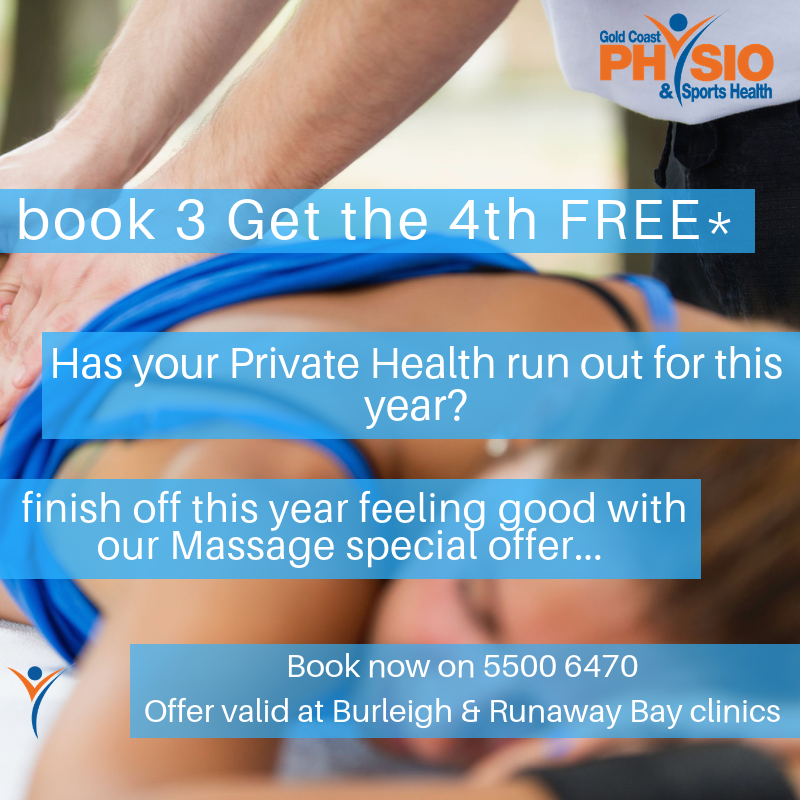
Need a massage but your Health fund is running out?

Health Fund Rebate Running out? Don’t let your Health be affected

Try this offer.. Book 3 & Get Your 4th Gold Coast Massage FREE…

Sports/Deep Tissue, Remedial/Soft Tissue, Lymphatic Drainage and more

Book 3 Massage appointments and get your 4th Massage for FREE!*

*To take advantage of this offer you must book 3x1hour appointments in advance. All 4 appointments in this offer must be used by Christmas (December 25th).
*No up front payments – just pay as you go
*This offer may not be used in conjunction with any other offers.

To make your appointment please drop in or call us
07 5500 6470

It’s easy… Simply mention this Massage Special Offer when making your 4 appointments.

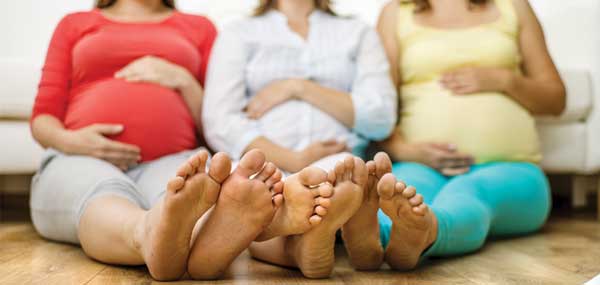
Pregnancy & Your Feet

Foot Pain During Pregnancy

During pregnancy, women can suffer from foot pain for various reasons. The most common which occur include general foot pain, plantar fascia pain, ingrown toe nails, corns and callous. These usually occur around the 2nd or 3rd trimester. This article discusses some of these problems, with some helpful tips to reduce any discomfort.

What causes foot pain during pregnancy?

Ligament laxity – During pregnancy there is an increase in the hormone relaxin. As the name suggests, relaxin causes relaxation of muscle and ligaments around the hip and pelvis to prepare for child birth. Although, it doesn’t only effect the hip and pelvis, but also other structures around the body including the feet. This ligament laxity can cause changes in the feet, particularly the arches. These changes may lead to increased load through certain muscles, joints and ligaments causing pain.

Increased fluid retention – While pregnant, there is an increase in the amount of blood and fluids produced by the body to cater for the baby’s needs. For this reason, women tend to experience fluid retention in their feet and ankles, manifesting in swelling. This can lead to increased pressure from tight fitting footwear, and problems associated with oedema.

Increased weight – With pregnancy comes weight gain, and as a result, increased loading through the feet and lower limb.

How to minimise pain during pregnancy

Footwear – Having the correct footwear can assist in the reduction of foot pain in a number of ways. Footwear should firstly have a method of loosening or tightening the shoes. This should ideally be laces, otherwise Velcro and buckle straps are okay. This decreases clawing of your toes and allows for loosening of the shoes as fluid retention increases. High heels should be avoided as they place greater strain on the forefoot, and are generally unstable. Shoes with a pointed toe should also not be worn as they increase the chance of ingrown toenails and corns. The ideal shoe during pregnancy is an athletic shoe, although this is not always appropriate.

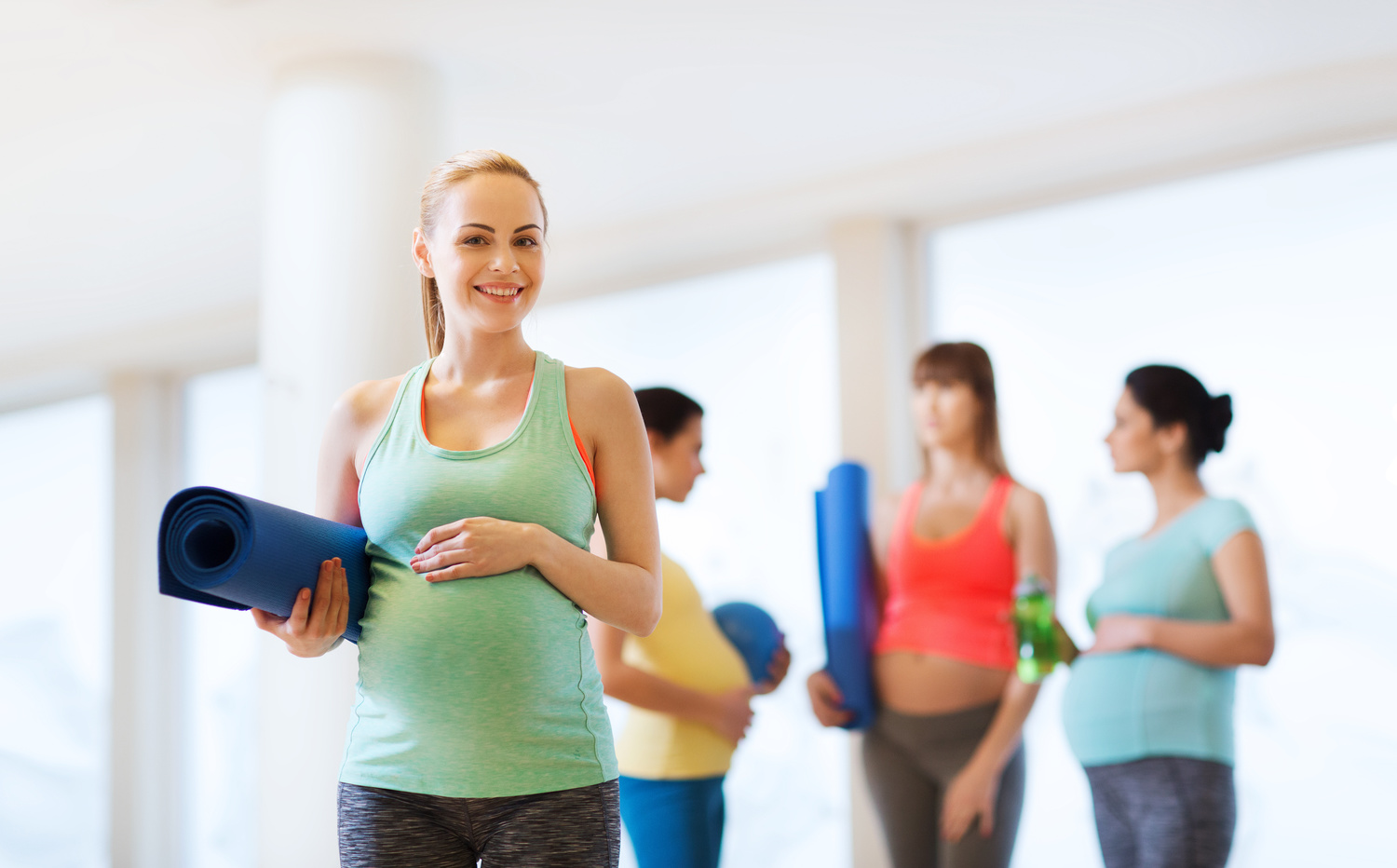
Exercise – More so during the end of the 2nd trimester and during the 3rd trimester largely weight bearing activities may need to be reduced or avoided. Activities such as swimming and pilates may be suitable. Swimming is a good option as it is non-weight bearing and can also act to reduce fluid retention. Pilates instructed by a qualified physiotherapist can be a good way to strengthen muscles around the pelvic girdle, which can reduce pelvic instability.   Always consult with your obstetrician regarding your exercise routine.

Minimising fluid retention – Legs should be elevated at the end of the day, and also after long periods of being on your feet. Calf and foot exercises can be effective in reducing fluid retention in the calf, ankles and feet, as well as the exercises mentioned above, supportive socks and stockings can also assist in this matter, although a GP should be consulted prior to purchasing these.

For further help and advice on foot care during pregnancy, please make an appointment to see one of the podiatrists at Burleigh or Runaway Bay clinic ph 07 5500 6470

Nelson Pollard

PODIATRIST
Gold Coast Foot Centres

Are You a Registered Exercise Physiologist wanting work on the Gold Coast?

Registered Exercise Physiologist needed to join our great Team – we are looking for someone special

Position Title: Accredited Exercise Physiologist Employer: Gold Coast Physio & Sports Health

Job Start Date: negotiable but immediate start available for the right candidate

Work Type: Ideally Permanent Part-time initially (2 half-days at both Burleigh and Ashmore Clinics each) with scope to progress to full-time

Salary: wage package on application

Location: Gold Coast, Burleigh Heads and Ashmore

Job Description:

We want an exceptional Exercise Physiologist to join our Team at Gold Coast Physio & Sports Health. We are a multidisciplinary allied health private clinic that includes physio, exercise medicine, massage, pilates, sports dietitian, sports psychology, alter-G treadmill, and a rehab gym.

An Exercise Physiologist is needed to consult with Private & compensable clients for exercise prescription, exercise programming,  S &C & small Group Classes.

The applicant must have:

  • an excellent ability to work in a Team & communicate with both clients & other therapists
  • be outgoing & friendly & able to generate rapport
  • experience working in private business
  • Strength & Conditioning certification (at least level 1)
  • Minimum 3 years Experience Preferred due to challenging nature of our Clients, but less experience in the right candidate will be considered.
  • Ideal is to have experience with Powerbreathe testing & delivery, however this can be taught to you
  • Pilates qualification also preferred but not essential
  • An expectation is also that the applicant is actively involved in sport or participates in an active lifestyle themselves to appreciate the athletes & active population they will be consulting with.

Find out More about Employment with us HERE

To Find out about Gold Coast Physio & Sports Health, Our Beginnings and Values, read more HERE

Apply To:

Name                          Albie Firley, Business Manager

Phone                         0408 358 335

Email                           AlbieFirley@www.gcphysio.robicoweb.com.au

Website                      www.mygcphysio.com.au

Exercise Testing with Harriet Brown Gold Coast

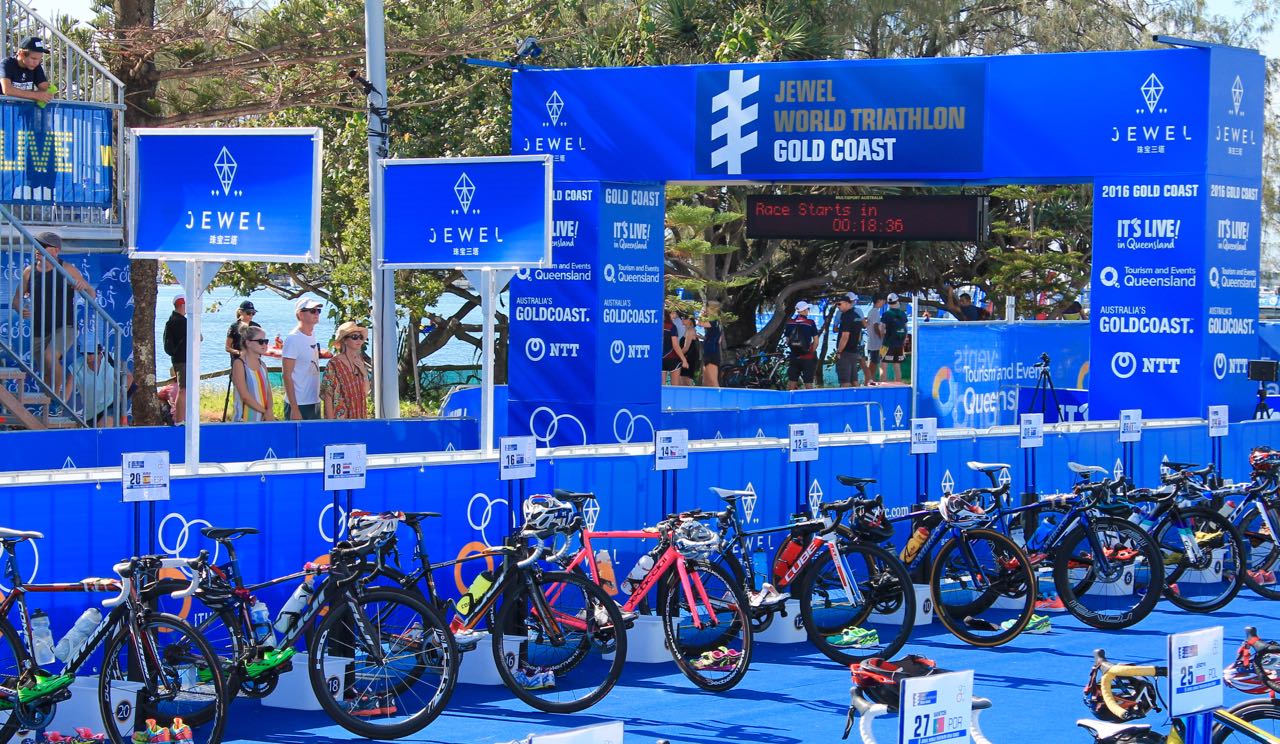
EightSteps to an Injury-free Triathlon Season

Eight Steps to an Injury-free Triathlon Season

Words by Britt Caling, APA Titled Sports Physio ; Sports Physio consultant to Triathlon Australia elite program & appointed to Rio Olympics Australian Team Sports Physio

1.    Maintain your Body – no body, no race!

Make sure you include body maintenance strategies as part of your training (and not consider these additional to training). Body Maintenance strategies are things that will help maintain healthy, normal-tone tissues and include self massage, self triggers, roller massage and, of course, a visit to a trained experienced Massage Therapist or Sports Physio. Check that your Massage Therapist understands triathlon and communicates with you so they are not wasting your valuable time working on area’s that are not important to you as a triathlete.

2.    Follow a structured training program

Ideally use an accredited triathlon coach that can tailor a program for you based on your goals, your level of competition and experience, and your other life commitments such as family and work. Remember that you are not expected to perform and achieve PB’s week in, week out for the whole triathlon season, so make sure you and your coach work together to structure a program with key races and competition peaks.

3.    Understand the importance of Recovery

Recovery of brain & body is essential to ensure your brain/body processes are restored by the next training session. This will allow you to repeatedly perform good quality training and minimise the risk of getting injury. Strategies to consider include rest/sleep, nutrition, warm-down, massage, use of compression garments, psychological approaches such as relaxation, yoga, mental imagery and for the more serious competitors, use of ice baths

4.    Learn your body type and your individual body needs

Obviously we all have different genetics and different rates of adaptation to training, and recovery from training.  Given this, it is important that you consider your individual body needs when it comes to reducing your injury risk.  Not all of us need to stretch every muscle and not all of us need to strengthen every muscle. In order to identify which muscle/joints you need to make more flexible to allow you to perform better and to reduce your risk of injury through the season as a Triathlete, and to help identify area’s you may need to work on control/stability or strength, consider seeing a Sports Physio to perform a Triathlon Musculoskeletal Sports Screening. Screenings have been used by all major Sports Institutes/Organisations for many years now to help identify each athlete’s individual weaknesses in relation to the sport they do.  The results of a Screening will ensure you don’t waste time stretching/massaging/strengthening area’s that are not significant for you & will help direct you towards area’s that you do need to focus on (for more info check here: www.mygcphysio.com.au/services/physio-sports-physio/what-is-a-sports-musculoskeletal-msk-screening/)

5.    Improve your swim, bike & run technique

Technique plays a significant role in both improved performance & reduced risk of injury. Good technique usually means muscles are working efficiently and this will generally reduce the forces our body must repeatedly control.  Try to find a coach/squad that includes technique/drill work in their programs or find a Sports Physio that can give you technique drills as part of an exercise program to do as warm-up to training.

6.    Include at least one strength & conditioning session in your training

To compete in Triathlon requires many thousands of repetitions of movements & muscle contractions. I believe it is crucial you include some form of tissue strengthening in your week. This will help build tissue resilience to the repeated forces and could take the form of strength training in functional classes or in the gym, pilates or with a personal trainer that understands the demands of triathlon.

7.    Maintain your equipment

This includes your wetsuit (swimming in a wetsuit with big holes in it not only slows you down but may predispose you to hypothermia), your bike (the mechanical component of this is obvious but don’t forget about ensuring you have a good bike position and that this is rechecked from time to time) and replacing your running shoes at appropriate times (and/or consulting a Podiatrist to advise you on the best shoe type for your individual foot function).

8.    Learn to listen to your body!

Triathletes are notoriously bad at this but you need to learn when to push and when to back off.  Make sure you listen to your physical body by addressing any niggles before they interfere with your training, and don’t ever forget the power of having a ‘fresh and recovered’ mind.

Happy Training and Racing


Loading...