Sports Medicine Australia has recently released a Position statement related to Exercise during Pregnancy, and the healthy and safe participation of Australians in physical activity and sport. The primary aim of these position statements is to provide an evidence-based, best practice summary.
 Updated 19/07/16, www.sma.org.au EXERCISE IN PREGNANCY AND THE POSTPARTUM PERIOD
Note: Following Recommendations from this Statement, GCPSH has specific Pre- and Post-Partum Pilates Exercise Classes that align with the Ideals presented in the below information. For more information about our classes,
click hereDefinitions
The term ‘physical activity’ is used in this document to describe participation in activities such as walking, cycling, swimming and jogging which are typically undertaken for leisure or transport. The term ‘exercise’ is used to describe more structured forms of activity, including sports and recreational activities, where the focus is usually on performance or competition. In cases where there is no distinction in terms of the evidence review, the term ‘physicalactivity/exercise’ is used.
Perspective
Reflecting a perception that exercise might be harmful to the mother and/or her unborn child, pregnancy was once considered a time for rest, when women were advised to take it easy and refrain from participating in physical activity/exercise. Despite the difficulties of conducting carefully controlled randomised trials, this view is now challenged by a growing body of systematic review level evidence.
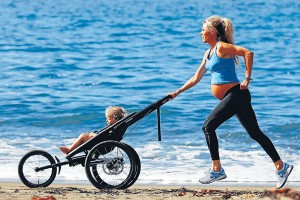
This statement focuses on safe physical activity/exercise for healthy women who are free of the medical and obstetric contraindications outlined in Section 6.
1. Summary
It is important that all pregnant women (inactive, active, sportswomen and athletes) consult with their health care providers (which could include a GP, obstetrician, midwife or physiotherapist) about physical activity/exercise during and after pregnancy.
Evidence from twelve systematic reviews suggests that, for healthy women, physical activity/exercise during pregnancy is safe and is associated with numerous benefits to the mother and unborn child/foetus (Section 6).
International guidelines on exercise during pregnancy concur that there are contraindications, signs and symptoms, which indicate that physical activity/exercise is not recommended. SMA suggests that exercise professionals and health care providers should be familiar with these (Section 7).
International guidelines also concur with the view that walking, jogging, cycling and swimming (at moderate intensity), muscle strengthening exercises (including pelvic floor exercises), water based exercise, and pregnancy-specific exercise classes are safe for pregnant women. These guidelines also list activities/situations which should be avoided (Section 8).
Evidence from systematic reviews also supports the view that returning to physical activity/exercise in the post-partum period has benefits in terms of the mothers’ physical and mental health and wellbeing (Section 10).
2. Exercise during pregnancy for previously inactive women
Pregnant women who were inactive prior to pregnancy should be encouraged to be activeduring pregnancy 11, 14, 17-18, 29, commencing with low intensity activities such as walking or swimming, and progressing to the lower end of the range recommended in the Australian, Canadian and US national guidelines (i.e. 150 minutes per week or 30 minutes per day of moderate intensity activity on most days). 26, 29-32
Activity can initially be accumulated in short (say 15 minute) bouts, building towards bouts of longer duration.11, 26, 29-31
Pregnant women who were inactive prior to conception are advised to consult a health care provider before
commencing physical activity/exercise.
3. Exercise during pregnancy for previously active women
For healthy pregnant women who participated in physical activity/exercise prior topregnancy, and are experiencing an uncomplicated pregnancy, physical activity/exercise can be continued throughout pregnancy, or until such time that it becomes uncomfortable
to do so. 11, 14, 17-18, 21, 29
A typical ‘prescription’ for a moderate to vigorous intensity physical activity/exercise program 23, 29, that can be continued during healthy pregnancies (free of medical and/or obstetric complications) is shown overleaf:
Aerobic activities:
Frequency: Daily.
Intensity: Intensity (12-14 on Borg rate of perceived exertion scale (RPE) – perceived as somewhat hard, can talk but not sing).
Time: Accumulate 150-300 mins (30-60 mins on most, if not all, days each week. Longer duration (closer to 300 minutes, instead of 150 minutes/week) is associated with more benefits i.e. reduced risk of excess weight gain and gestational diabetes.
Type: Brisk walking/running/jogging, cycling (stationary bike), swimming, aerobics etc. As a general rule of thumb, count each minute of vigorous intensity exercise as two minutes of moderate intensity exercise (i.e. 75 minutes of vigorous intensity exercise equates with
150 minutes of moderate-intensity exercise). 30-31
Muscle strengthening exercise:
Frequency: 2 sessions per week.
Intensity: Sub-maximal intensity using own body weight, light weights and/or resistance bands (exhale on effort).
Type: Work all large muscle groups (refer to PARmed-X for Pregnancy 25,for specific exercises).
Programming: 1 set of 12-15 repetitions of up to 8-10 exercises 17, 20, 28, 30-31
4. Exercise during pregnancy for the elite pregnant athlete
Exercise during pregnancy does not increase the risk of adverse pregnancy or birth outcomes, not even for elite athletes.16-18
However, pregnant women who were very active or elite athletes/sportswomen should have their physical activity/exercise regime overseen and managed by an expert health care provider to ensure the safety and wellbeing of the mother and her unborn child. 17, 26, 29
This is particularly important in cases where the foetus is small for gestational age. The PARmed-X for Pregnancy 25, can be used to assist
health care providers in the exercise prescription process.
5. Exercise modifications during pregnancy
Most exercises/activities during pregnancy present minimal risk to the mother or the child. However, some modifications to exercise techniques and/or programs may be required to accommodate the anatomical and physiological changes which occur as pregnancy progresses.29
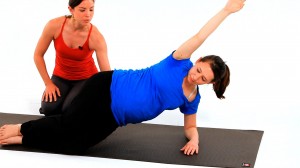
In addition to their regular aerobic activity and muscle strengthening exercises, all pregnant women are advised to do pelvic floor exercises. 10, 12, 26
 Pelvic floor exercises:
Pelvic floor exercises help to strengthen and improve the tone of the pelvic floor muscles,which provide perineal support for the pelvic structures, the urethra, vagina and rectum. There is strong evidence to suggest that women who do intensive, supervised pelvic floor exercises during pregnancy may reduce the risk of urinary incontinence (leakage) postpartum.10, 12, 26
These exercises involve repetitive contraction of the pelvic floor muscles to build strength and muscle tone. The movement is a voluntary inward and upward contraction of the pelvic floor. Specific advice should be sought from a physiotherapist, nurse continence adviser, or midwife with qualifications and expertise in pelvic floor muscle training. A typical ‘prescription’ for a pelvic floor exercise program 10, 12, 25 is shown below:
Frequency: At least 8-12 contractions 3 times per day, three to four times per week.
Intensity: Women should be encouraged to ‘contract maximally’ with an inward and upward squeezing movement.
Time: Vary the duration of the ‘squeeze’ from 4 to 30 second holds; with a mixture of slow and controlled, and fast and controlled contractions.
Type: Try sitting with weight forward (hands on knees), and also sitting upright, as this will help to recruit all muscles, anterior (front) and posterior (back), involved in the squeeze movement. These exercises can be done in a sitting, kneeling, standing, lying down or
standing with legs astride position.
6. Benefits of physical activity/exercise during pregnancy
There is strong evidence, from fifteen systematic reviews/meta-analyses, nine review papers, and a narrative review of national exercise during pregnancy guidelines, to suggest that the benefits of physical activity/exercise for pregnant women include:
Improved muscular strength and endurance.
Improved cardiovascular function and physical fitness.
Decreased risk of pregnancy related complications such as pregnancy-induced hypertension and pre-eclampsia.
Reduced back and pelvic pain.
Reduced fatigue, stress, anxiety and depression.
Decrease in excessive gestational weight gain and post-partum weight retention.
Fewer delivery complications in women who are active during pregnancy.
Prevention and management of urinary incontinence.
Note: Evidence on the role of physical activity/exercise in the prevention of gestational diabetes is mixed. It is clear that women who gain more than the recommended amount of weight during pregnancy are at increased risk of developing gestational diabetes. Although many randomised controlled studies have shown that lifestyle intervention (involving both physical activity and diet) can reduce the risk of gestational diabetes, systematic reviews suggest that the effects of physical activity alone are currently unclear.
Women are advised therefore to follow both physical activity AND healthy eating guidelines to reduce the risk of gestational diabetes.
7. Contraindications to physical activity/exercise during pregnancy
23-24, 26-27, 29
Although no systematic level evidence exists, national physical activity guidelines from around the world agree that in the following situations the risks of physical activity/exercise are likely to outweigh the benefits. Pregnant women who experience any of the following are advised not to exercise, and to seek medical advice:
Ruptured membranes.
Signs of preterm labour.
Hypertensive disorders of pregnancy.
Incompetent cervix.
Growth restricted foetus.
High order multiple gestation (>triplets).
Placenta praevia after 28th week.
For women who have a history of any of the following, we recommend professional collaboration between medical (e.g. obstetrician or midwife) and training (e.g.coaches/trainers) professionals to ensure that women exercise with caution or at a low level, provided they are asymptomatic at rest.
Previous spontaneous abortion.
Previous preterm birth.
Mild/moderate cardiovascular or respiratory disorder.
Anaemia (Hb <100 g/L).
Malnutrition or eating disorder.
Twin pregnancy after 28th week.
Extreme overweight/obesity (BMI >30).
Intrauterine growth restriction in current pregnancy.
Other significant medical conditions (e.g. poorly controlled type 1 diabetes, hypertension, hyperthyroidism etc).
Women who experience any of the following symptoms should seek advice from their ante-
natal care provider before continuing with their physical activity/exercise program.
Abdominal pain.
Amniotic fluid leakage.
Calf pain or swelling.
Chest pain/tightness/palpitations.
Decreased foetal movement.
Dizziness or presyncope.
Dyspnoea, before exertion.
Excessive fatigue.
Excessive shortness of breath.
Muscle weakness.
Pelvic pain.
Preterm labour.
Severe headaches.
Uterine contractions (premature and/or painful).
Vaginal bleeding.
8. Activities that are/are not recommended
17, 23-24, 26-27, 29
Although no systematic level evidence exists, national guidelines concur that the following activities are considered to be generally safefor pregnant women with an uncomplicated pregnancy:
Walking, jogging, cycling and swimming (at moderate-intensity).
Muscle strengthening exercises, including pelvic floor exercises.
Water-based exercise.
Pregnancy specific exercise classes.
Activities which are characterised by the following are considered unsafe for pregnant women and should be avoided:
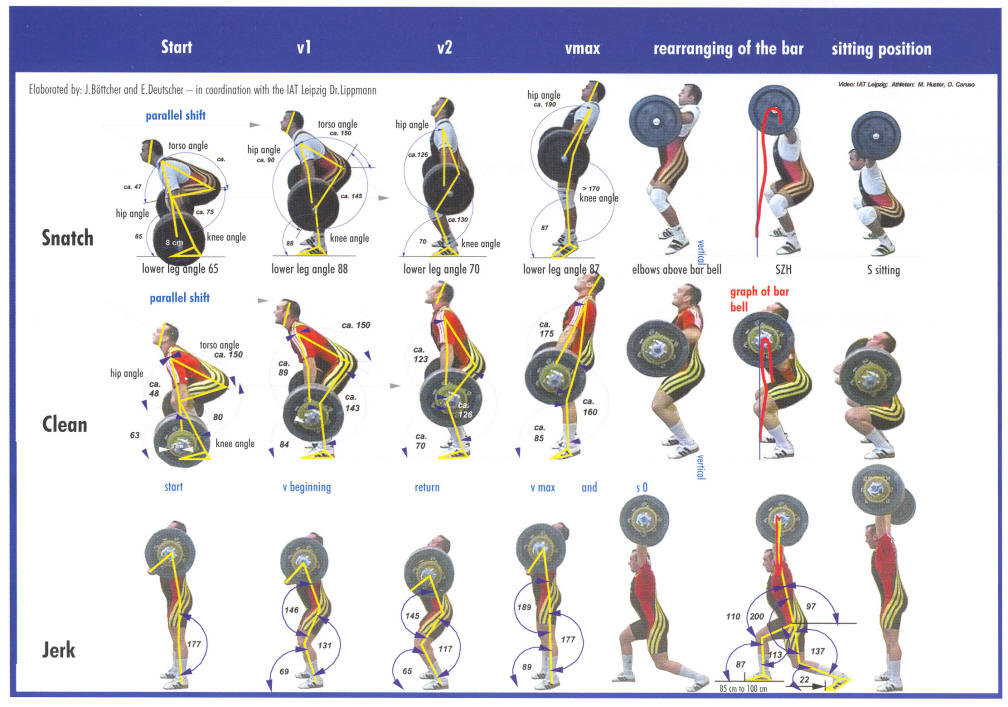
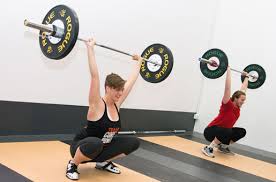
Abdominal trauma or pressure (e.g. weight lifting).
Contact or collision (e.g. soccer, ice hockey, martial arts etc).
Hard projectile objects or striking implements (e.g. hockey, cricket, softball etc).
Falling (e.g. judo, skiing, skating, horse riding etc).
Extreme balance, coordination and agility (e.g. gymnastics, water skiing etc).
Significant changes in pressure (e.g. scuba diving, sky diving etc).
Heavy (greater than submaximal) lifting.
High intensity training at altitudes greater than 2000m.
Exercise in the supine position, or even motionless supine posture (e.g. in some yoga positions) may cause hypotension in some women; for safety, avoid supine exercise positions after 28 weeks’ gestation; some exercises can be adapted to lying on the side.
Specific activities listed above are examples only; participation in specific activities should be discussed with the health care provider and should be reviewed as pregnancy progresses.
9. Additional recommendations
23-24, 26-27
As for all exercise programmes, there is consensus (but not always scientific evidence) that each session should incorporate applicable warm up and cool down activities, clothing should be non-restrictive and made of ‘breathable’ fabric, shoes should be appropriate for the activity and a supportive bra should be worn. Avoiding large increases in body temperature during exercise is important. The following should be considered when planning exercise during pregnancy:
Avoid hot and/or humid exercise environments and take care to remain well hydrated.
Stretching should be controlled and not ‘over-extended’ as joints and ligaments are already loose due to the release of the hormone relaxin in preparation for birth.
Avoid wide squats, lunges or any unilateral leg exercises that place excessive shearing forces on the pubic symphysis.
10. Resuming physical activity/exercise after pregnancy
11, 22, 24, 26, 29
The postpartum period is defined as the time immediately after birth. There is no clearly defined end to the post-partum period, but it is usually considered to be 6 to 26 weeks following the birth. Many of the physical and physiological changes that occur during pregnancy will persist for four to six weeks after delivery. SMA recommends that women seek guidance from their health care provider before they begin or recommence their physical activity/exercise regime, but in general all healthy women should aim (through gradual progression) to accumulate 150-300 minutes of moderate-vigorous intensity aerobic exercise per week.
Return to high impact activities or those that cause high gravitational load on the pelvic floor should occur gradually, and in consideration of recovery to any damage to the pelvic floor and abdominal muscles, which will vary according to the mode of delivery.
There is systematic review level evidence to show that benefits of physical activity/exercise to the mother after pregnancy include:
Improvements in emotional well-being.
Reduced anxiety and depression.
Improved physical conditioning.
Reduced postpartum weight gain and faster return to pre-pregnancy weight.
Postpartum physical activity/exercise and effects on breastfeeding
Moderate to vigorous intensity physical activity/exercise and sports will not negatively affect breast milk volume, as long as there is appropriate food and fluid intake.
This type of exercise or physical activity has also been shown not to affect the composition of breast milk or infant growth. However, if babies appear to be unsettled after feeding immediately after maternal exercise, mothers could feed their baby after the activity.
24, 26
The caloric cost of breast feeding is estimated to be about 600 kcal/day.
Sports Medicine Australia would like to acknowledge the following for their valuable contributions to this position statement.
Melanie Hayman BHMSc, MEd
PhD Candidate, APA Scholarship Recipient
School of Medical and Applied Sciences
Professor Wendy Brown BSc, GradDip (Phys Ed), MSc, PhD
Dr Katia Ferrar BAppSc (Physio), BHlthSc (Hons), PhD
Rosemary Marchese BAppSc (Physio), Certificate IV in Training and Assessment
Jon Tan BSc (Chiro), BChiro, ICCSP, Cert III/IV Fitness
References
1. Kramer K, McDonald S. Aerobic exercise for women during pregnancy review.
The
Cochrane Collaboration
. 2010(6).
2. Middleton H, Crowther C. Exercise for pregnant women for preventing gestational
diabetes mellitus (Review)
The Cochrane Collaboration
. 2012:1-48.
3. Blamey R, Daley A, Jolly K. Exercise for postnatal psychological outcomes: a systematic
review and meta-analysis.
Lancet
. 2012;380.
4. Daley A, Foster L, Long G, et al. The effectiveness of exercise for the prevention and
treatment of antenatal depression: systematic review with meta-analysis.
British Journal
of Obstetrics and Gynecology
. 2014;122:57-62.
5. Thangaratinam S, Rogozinska E, Jolly K, et al. Effects of interventions in pregnancy on
maternal weight and obstetric outcomes: meta-analysis of randomised evidence.
BMJ
.
2012;344:1-15.
6. Tobias D, Zhang C, van Dam R, et al. Physical activity before and during pregnancy and
risk of gestational diabetes mellitus: a meta-analysis.
Diabetes Care
. 2011;34(1):223-
229.
7. Russo L, Nobles C, Ertel K, et al. Physical activity interventions in pregnancy and risk of
gestational diabetes mellitus a systematic review and meta-analysis.
Obstetrics and
Gynecology
. 2015;125(3):576-582.
8. Yin Y, Li X, Tao T, et al. Physical activity during pregnancy and the risk of gestational
diabetes mellitus: a systematic review and meta-analysis of randomised controlled trials.
Br J Sports Med
. 2014;48:290-295.
9. Kasawara K, Nascimento S, Costa M, et al. Exercise and physical activity in the
prevention of preeclampsia: systematic review.
Acta Obstet Gynecol Scand
.
2012;91:1147-1157.
10. Mørkved S, Kari B. Effect of pelvic floor muscle training during pregnancy and after
childbirth on prevention and treatment of urinary incontinence: a systematic review.
Br J
Sports Med
. 2014;48(4):299-310.
11. Nascimento S, Surita F, Cecatti J. Physical exercise during pregnancy: a systematic
review.
Curr Opin Obstet Gynecol
. 2012.
12. Price N, Dawood B, Jackson S. Pelvic floor exercise for urinary incontinence: A
systematic literature review.
Maturitas
. 2010;67:309-315.
13. Bauer P, Pivarnik J, Feltz D, et al. Relationship of past-pregnancy physical activity and
self-efficacy with current physical activity and postpartum weight retention.
Am J Lifestyle
Med
. 2014;8(1):68-73.
14. Charlesworth S, Foulds H, Burr J, et al. Evidence-based risk assessment and
recommendations for physical activity clearance: pregnancy.
Journal of Applied
Physiology, Nutrition and Metabolism
. 2011;36(S1):s33-s48.
15. Domenjoz L, Hayser B, Boulvain M. Effect of physical activity during pregnancy on mode
of delivery.
Am J Obstet Gynecol
. 2014;211(4):e1-11.
16. Ferraro Z, Gaudet L, Adamo K. The potential impact of physical activity during pregnancy
on maternal and neonatal outcomes.
Obstetrical and Gynecological Survey
.
2012;67(2):99-110.
17. Kader M, Naim-Shuchana S. Physical activity and exercise during pregnancy.
Eur J
Physiother
. 2014;16(1):2-9.
18. Mudd L, Owe K, Mottola M, et al. Health benefits of physical activity during pregnancy:
An international perspective.
Med Sci Sports Exerc
. 2012.
19. Stanton R, Happell B, Hayman M, et al. Exercise interventions for the treatment of
SMA Position Statement Exercise in Pregnancy and the Postpartum Period updated 19/07/16
www.sma.org.au
affective disorders – research to practice.
Front Psychiatry
. 2014;5(46).
20. Zavorsky GL, L. Exercise guidelines in pregnancy. New perspectives.
JSM
.
2011;41(5):345-360.
21. Barakat R, Perales M, Garatachea N, et al. Exercise during pregnancy. A narrative review
asking: what do we know?
Br J Sports Med
. 2015:1-9.
22. Evenson K, Mottola M, Owe K, et al. Summary of international guidelines for physical
activity after pregnancy.
Obstetrical and Gynecological Survey
. 2014;69(7):407-414.
23. Evenson K, Barakat R, Brown W, et al. Guidelines for physical activity during pregnancy:
comparisons from around the world.
Am J Lifestyle Med
. 2013;8(2):102-121.
24. American Congress of Obstetricians and Gynecologists. ACOG Exercise During
Pregnancy Factsheet. 2011.
25. Canadian Society for Exercise Physiology. Physical Activity Readiness Medical
Examination for Pregnancy [PARmed-X for pregnancy].
Canadian Society for Exercise
Physiology
. 2002.
26. Davies G, Wolfe L, Mottola M, et al. Joint SOGC/CSEP clinical practice guideline:
Exercise in pregnancy and the postpartum period.
Can J Appl Physiol
. 2003;28(3):329-
341.
27. Hayman M. Women in Sport Fact Sheet Series: Pregnancy and Exercise.
SMA
. 2014.
28. Mottola M. Exercise and pregnancy: Canadian guidelines for health care professionals.
WellSpring
. 2011;22(4):1-5.
29. American College of Obstetricians and Gynecologists. Physical activity and exercise
during pregnancy and the postpartum period. Committee Opinion No. 650.
Obstet
Gynecol
. 2015;126:135-142.
30. Brown W, Bauman A, Bull F, et al. Development of Evidence-based Physical Activity
Recommendations for Adults (18-64 years).
Australian Government Department of
Health
. 2012.
31. Garber C, Blissmer B, Deschenes M, et al. American College of Sports Medicine position
stand. Quantity and quality of exercise for developing and maintaining cardiorespiratory,
musculoskeletal, and neuromotor fitness in apparently healthy adults: guidance for
prescribing exercise.
Med Sci Sports Exerc
. 2011;43(7):1334-1359.
32. World Health Organisation. Obesity and overweight Fact Sheet 311.
World Health
Organisation
. 2015.
33. Streuling I, Beyerlein A, von Kries R. Can gestational weight gain be modified by
increasing physical activity and diet counseling? A meta-analysis of interventional trials.
Am J Clin Nutr
. 2010:1-10.
34. Bain E, Crane M, Tieu J, et al. Diet and exercise in pregnancy for preventing gestational
diabetes mellitus.
Cochrane Database of Systematic Review
. 2015.
35. van der Pilgt P, Wilcox J, Hesketh D, et al. Systematic review of lifestyle interventions to
limit postpartum weight retention: implications for future opportunities to prevent maternal
overweight and obesity following childbirth.
Obesity Reviews
. 2013;14:792-805