13/345 Southport-Nerang Rd, Ashmore Q 4214
12/110 Kortum Drive, Burleigh Heads Q 4220

How can an Individualised Run Screening Help You Be a Better Runner?

How can an Individualised Run Screening Help You Be a Better Runner?

By Physio & Runner Kyle Weise (Editor- as of writing this in 2019 Kyle has the mens 20-25 National 50km Road Record of 3hrs 29min)

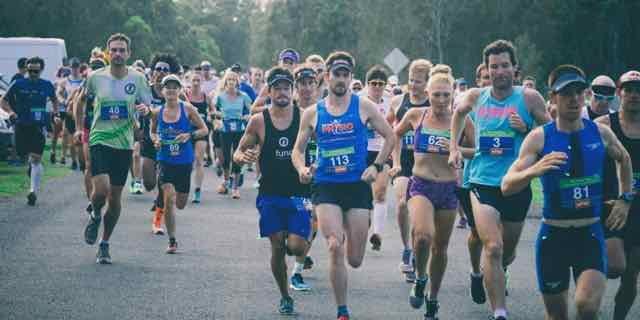
Running as a sport is as popular as ever right now- you can run Parkrun in almost every city in the world, plus there are Marathons, Ultramarathons, Trail runs, other Fun runs, Obstacle Course Racing & Adventure Racing that include running, and more!

But the question on every runner’s mind is:

“how can I be a better runner, be quicker & make it feel easier?”

My answer is not the answer most people want to hear, but it’s the truth: “You need to be running consistently to improve, so rather than worry about your pure speed or how many km’s per week you run, work on ways to reduce your risk of getting injured so you increase your availability to train and race!”

Runners are well known for always wanting to push the limits and run as much as possible. The most common injuries in runners are overuse injuries. Training load increases and increases to the point where a particular part of the body cannot deal with the increased forces and an injury results.

it be nice if there was a way to identify these areas of weakness before they turn into an issue? This is where an individualised run screening can be extremely useful.

In the clinic, I regularly perform run screenings on runners looking to find these weaknesses.

But what does a run screening involve?

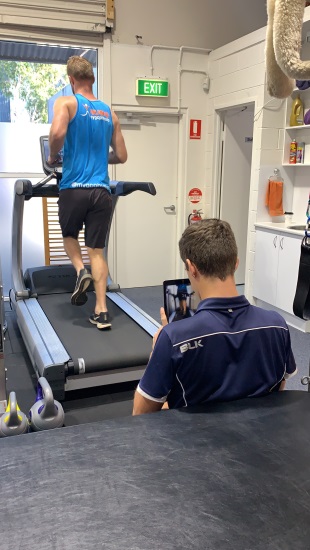
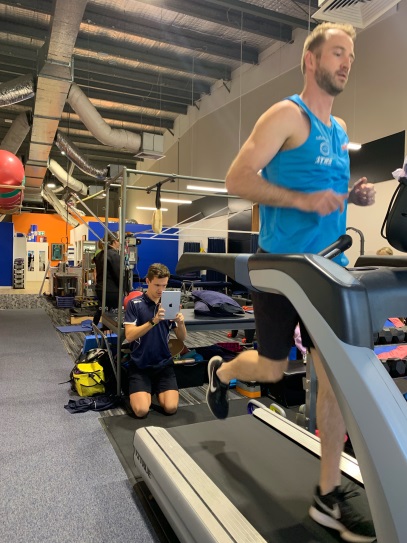
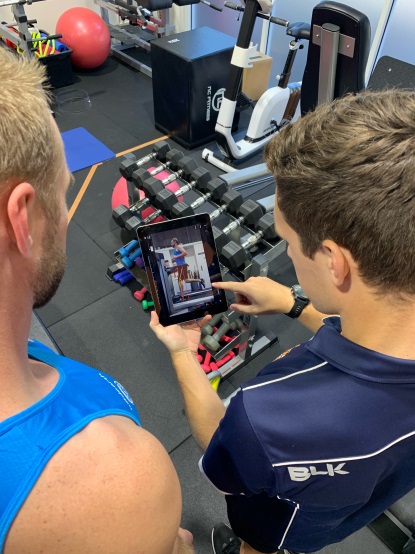
During a screening I will assess a runner’s flexibility, stability/control, strength & strength endurance. This gives me a great insight into where the individual’s strengths and weaknesses are. The next stage involves watching the runner actually run. My goal here is to assess their technique and then put together the pieces from the first half of the assessment. This information can then be used to address any factors in the first part of the assessment which may be affecting the way the individual runs, therefore allowing the development of a specific targeted plan that the runner can put in place to improve their running and therefore become the best runner they can.

At the end of the screening I break up the results into four categories & we problem solve ways to fix your area’s of weakness:
1. Mobility
2. Stability
3. Strength/strength endurance
4. Technique.

This Run Screening is a clear way to identify which area needs to be improved.

If you’re a runner who is looking to improve their performance and take their running to the next level, a run screening is a great way to begin that process. I perform one on one run screenings at our Ashmore clinic.

For more information or to book in for an individualised run screening call the clinic at anytime pg 07 5500 6470.

Or Read This Blog for more info on Sports Screenings

Happy & Healthy Running!
be a better runner gold coast

LETS LEARN ABOUT MUSCLES & MASSAGE THERAPY

LETS LEARN ABOUT MUSCLES & MASSAGE THERAPY

By Senior Gold Coast Remedial & Sports Massage Therapist, Tim Harman

What is muscle?

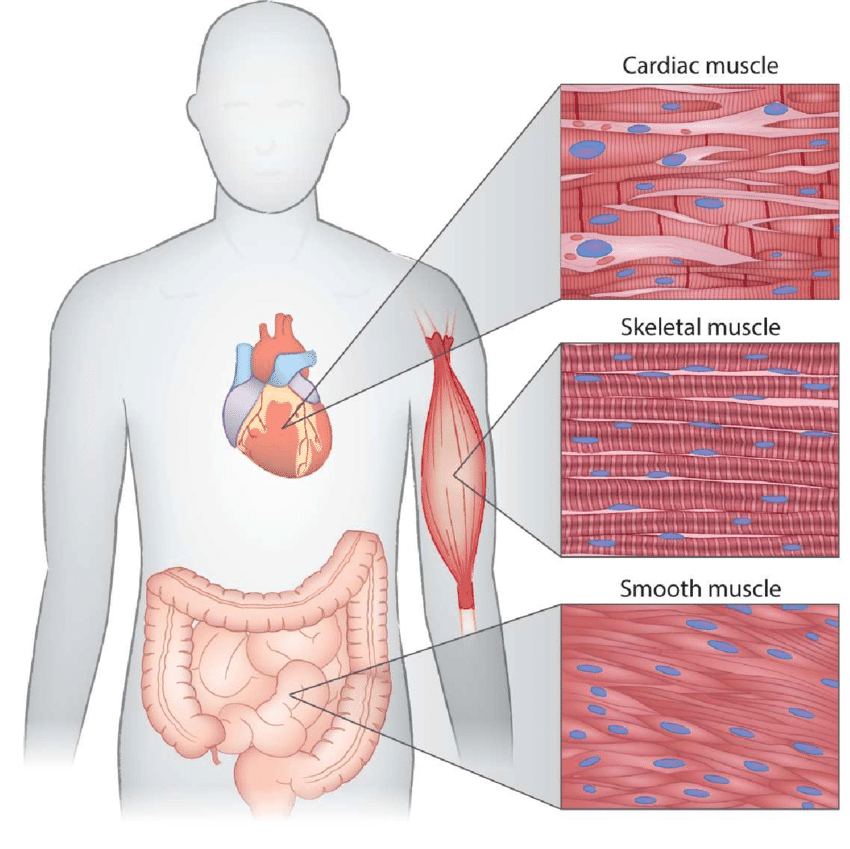
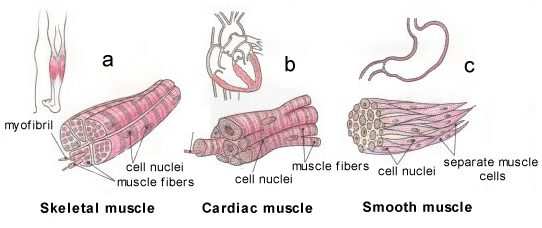
Skeletal muscle makes up between 30-40% of our total mass. Without muscle we can’t stand erect & hold our skeleton up against gravity, and without muscle, our limbs & body will not move.

A ‘skeletal muscle’ is one which facilitates movement & are known as ‘phasic’ muscle (turns on then off via the brain’s direction). Muscles can create prime movement by spanning across 2 bones (a joint) so that when they contract the bones move in the direction they’re designed to.

In our body, we also have skeletal muscles that are more ‘postural’ type muscles – these are designed more for endurance to hold us up, and are less phasic than the primer mover muscles that create big limb movements.

If you look at a length of rope closely you see that it’s made up of many smaller threads weaved into each other. A muscle is a lot like this in that one skeletal muscle is made up of hundreds (sometimes thousands) of single muscle fibres bound together. A contraction happens when these fibres slide into each other causing the muscle structure to shorten. The fibres then relax into their original state. This is what creates movement.

To work optimally, each muscle fibre needs its own blood (which carries oxygen and water) and nerve supply, as well as certain nutrients & proteins.

At Gold Coast Physio & Sports Health, we want the quality of your muscle tissue to stay as supple, balanced and nourished as possible so you can do the activities, exercise & sport that you want to, and so you can do this for as long as possible.

Let’s learn a bit about Muscle & Massage Therapy:

Why do Skeletal Muscles get ‘tight’ or sore?

Muscles get sore for many reasons! but for the sake of simplicity we can usually put it down to:
• Underuse & weakness
• Overuse
• Poor posture that puts a demand on a muscle that it is not supposed to do.

Firstly, the absolute truth is we really don’t know precisely what causes muscle soreness & pain. It is likely to be a number of factors, and there are a number of theories that are hard to prove. One current belief is that soreness is more a result of repair processes (or lack thereof) rather than toxic substances build up, such as lactic acid.

What does a Massage ACTUALLY do & how does it help me?

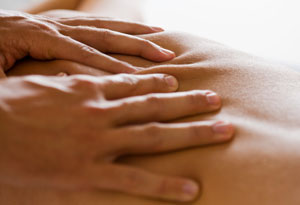
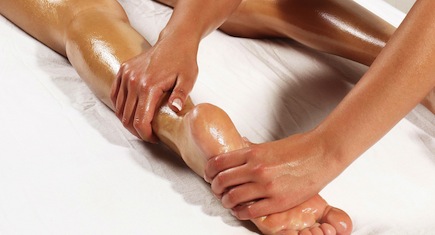
Remedial or Deep Tissue massage aims to accurately locate which muscles may be contributing to symptoms (including pain, stiffness, restricted/altered movement, posture posture & more), and using many choices of techniques, Massage aims to manually soften the tissue, flush out waste products, restore fresh blood flow, de-sensitise the tissue & reduce symptoms.

Studies show that massage therapy is more effective when it includes stretch and mobilising techniques.

We all agree that a good massage helps us feel ‘better’, ‘freer’ or ‘looser’ , and often it allows us to have better posture & find (or activate) muscles better. But how? Again, there are many theories, including:

  • a stimulation of  chemical messengers from the skin which relax us (including the Oxytocin- Oxytocin is a peptide hormone normally produced in the hypothalamus and released by the posterior pituitary within us)
  • a stimulation of the bodies’ natural repair processes to work faster
  • removal of waste products (from metabolic processes) into the lymphatic system and out of the body.
  • increased movement of blood flow and bringing fresh blood (and with it Oxygen and nutrients) to the site.

How Often Should I Have a Massage?

How long is a piece of string???  This completely depends on your symptoms, the activity, exercise or sport you do, your genetic muscle tissue make-up & hormones (including your muscle’s ability to repair normally after damage), your natural posture, muscle tension & movement patterns, your stress levels & ability to cope with stress, and your access to experienced therapists that can actually help you!

We recommend trying a Massage and seeing how long the benefits last initially- that will give you a basic guide. Noting that as your exercise, sport & stress levels increase – or if you have a manual job (or any other activity that needs you to use repeated muscle contractions or increasing your stress hormone production) – then you are creating more regular damage within the muscle, and you are then more likely to benefit from a more regular massage.

As a rule, we suggest having a massage at least monthly so your Therapist can help you detect body patterns, symptom patterns, & help you learn what makes you feel better.

Visit Our Team Page to find out more about the Experience of our Massage (Soft Tissue or Remedial) Therapists and workout who will best suit your Massage needs.

Burleigh Massage
Massage Sports Massage Physio Burleigh Labrador Runaway Bay Gold Coast Pilates

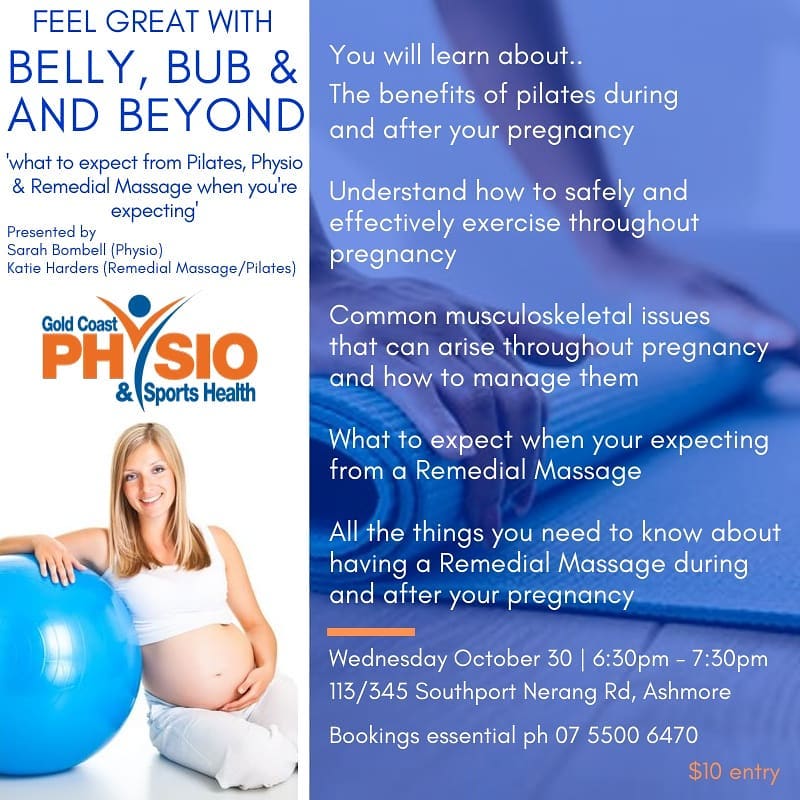
Join Us for This Seminar on Feeling Great during & after Pregnancy

Presented by  Passionate Mum, Pilates Instructor & Qualified Massage Therapist of over 11yrs, Katie Harders & Physio Sarah Bombell.

Learn how Natal Pilates & Natal Massage can help you cope with pregnancy and then get back to feeling great & being healthy post-baby birth.

The seminar will give guidance on how to safely & effectively exercise through pregnancy, the benefits of pilates, common body muscle/joint/tissue injuries that occur during pregnancy & the benefits of massage through pregnancy.

$10 entry at the door, but in return you receive a $10 voucher for discounted services in clinic.

You MUST book your place by phoning 07 5500 6470

pregnancy pilates seminar

A simple exercise to improve your Cycling

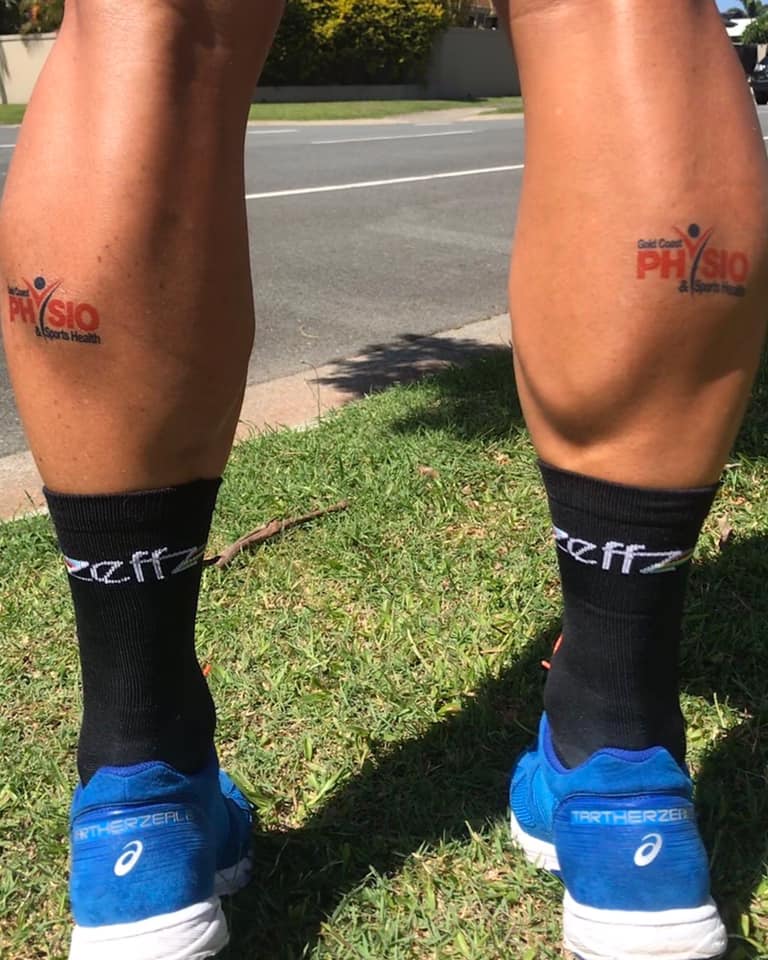
Do cyclists really need calf muscles?

By APA Sports Physio, Cyclist, previous Orica-Greenedge Cycling Physio & GC Suns AFL Official Physio, Rob Brown

What are Calf Muscles?

The calf muscles are composed of 2 muscles located at the back of the lower leg- the gastrocnemius (outer muscle) and the soleus (under the gastroc). Both have a common insertion on to the heel via the Achilles tendon however, the gastrocnemius also crosses the knee joint originating from the back of the thigh bone, whereas the soleus originates from the back of the shin bone and therefore does not cross the knee joint.

How they work in Cycling:

In Cycling, the legs generate force and power that is distributed to the pedal via the foot. The foot is held in position with the Calf Muscles  ie. During the power phase (downstroke) of the pedal stroke the calf muscles point the ankle (Lifting the heal up and pushing the toes down) therefore helping applying power to the pedal. As the gastrocnemius crosses the knee joint it will have a role in bending the knee during the up-stoke. In combination with other foot and ankle muscles the calf muscles play a very important role in stabilising the foot and ankle to enable the best transference of force to the pedal.

What can go wrong?

Due to the relatively low forces in cycling it is rare to sustain a traumatic soft tissue injury to the calf muscles (ie a tear or strain). However, weakness in the calf muscles will result in ineffective force production, impaired stability and control of the foot and ankle, and altered pedaling technique, most commonly as dropping of the heel during the end stage of the down stoke. This can result in an increased risk of injury to other parts of the lower limb including the Achilles tendon and the front aspect of the knee as the quads are overloaded due to the inefficiency at the foot and ankle.

Other injuries that are increased risk due to inefficient calves include front ankle pain, increased pressure of the hands to stabilise resulting in tingling in hands, foot & pain from pressure developing against the shoe, and many others that we will only know about once you have a video review of Cycling technique.

How to fix it? Its simple!

Calf raises are a fantastic exercise that will both strengthen ankle point and improve stability and control of the foot, ankle and knee during cycling. This will aid in reducing the risk of injury and most importantly improve power and efficiency on the bike.

Try doing 3-4sets of 20-30 calf raises with your body weight simply 2-3 times per week on a single leg. OR, add weight by holding a heavy dumbell, or using a smith machine and do 3 sets of 8-10reps with both legs together. You will be amazed how much this will help you feel the pressure and power you can start to put through the pedal.

You may also need a tweak of cycle shoes and Bike Position to get your foot in the ideal position over your pedal interface, but we can help you with that! Phone us today on 07 5500 6470 or Book Online for an appointment.

Happy Cycling!


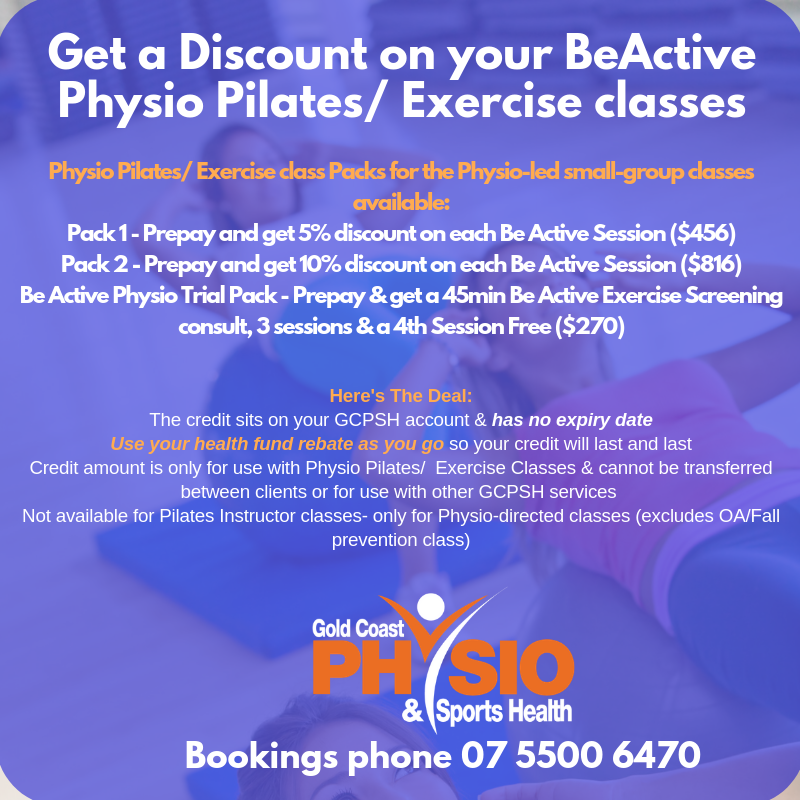
BeActive Physio Exercise Group Classes Pilates & more…

Our Physio Be Active program offered at the clinic is tailored to your needs and run by experienced physiotherapists. These programs can be designed to assist you to meet rehabilitation, performance or injury prevention-based goals. Your practitioner can also assist you in goal setting if you’re unsure where to start. These programs can be undertaken individually or in a small group (maximum of three participants).

If you want to add more traditional Pilates to your fitness program, the clinic is also offering Fitness Pilates classes. These classes are run by a qualified Pilates instructor, suitable for all levels, are limited to a small group of participants, utilise the clinic’s Pilates equipment and are a great complement to any fitness program.

Bookings are essential phone 07 5500 6470


Loading...