13/345 Southport-Nerang Rd, Ashmore Q 4214
12/110 Kortum Drive, Burleigh Heads Q 4220

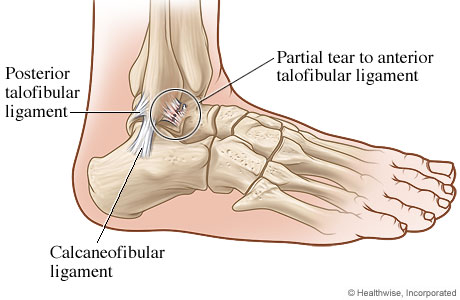
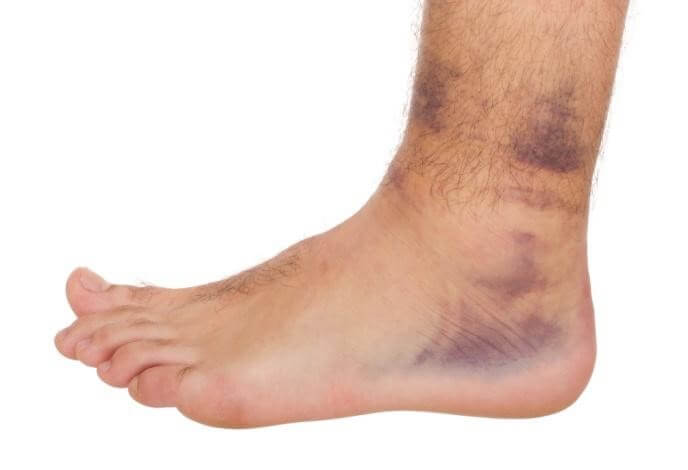
Diagnosis, Treatment & Prevention of Ankle Sprains Consensus Statement

Diagnosis, treatment and prevention of ankle sprains: update of an evidence-based clinical guideline

Vuurberg et al (2018): Br J Sports Med 

http://bjsm.bmj.com

This guideline aimed to advance current understandings regarding the diagnosis, prevention and therapeutic interventions for ankle sprains by updating the existing guideline and incorporate new research. A secondary objective was to provide an update related to the cost-effectiveness of diagnostic procedures, therapeutic interventions and prevention strategies. It was posited that subsequent interaction of clinicians with this guideline could help reduce health impairments and patient burden associated with this prevalent musculoskeletal injury.

The previous guideline provided evidence that the severity of ligament damage can be assessed most reliably by delayed physical examination (4–5 days post trauma).

After correct diagnosis, it can be stated that even though a short time of immobilisation may be helpful in relieving pain and swelling, the patient with an acute lateral ankle ligament rupture benefits most from use of tape or a brace in combination with an exercise programme.

New in this update:

-Participation in certain sports is associated with a heightened risk of sustaining a lateral ankle sprain.

-Care should be taken with non-steroidal anti-inflammatory drugs (NSAIDs) usage after an ankle
sprain. They may be used to reduce pain and swelling, but usage is not without complications and NSAIDs may suppress the natural healing process.

-Concerning treatment, supervised exercise-based programmes preferred over passive modalities as it stimulates the recovery of functional joint stability.

-Surgery should be reserved for cases that do not respond to thorough and comprehensive exercise-based treatment.

-For the  prevention of recurrent lateral ankle sprains, ankle braces should be considered as an efficacious option.

Full Article Ankle sprains consensus statement 2018

gold coast physio ankle sprain
what to do following ankle sprain injury gold coast running

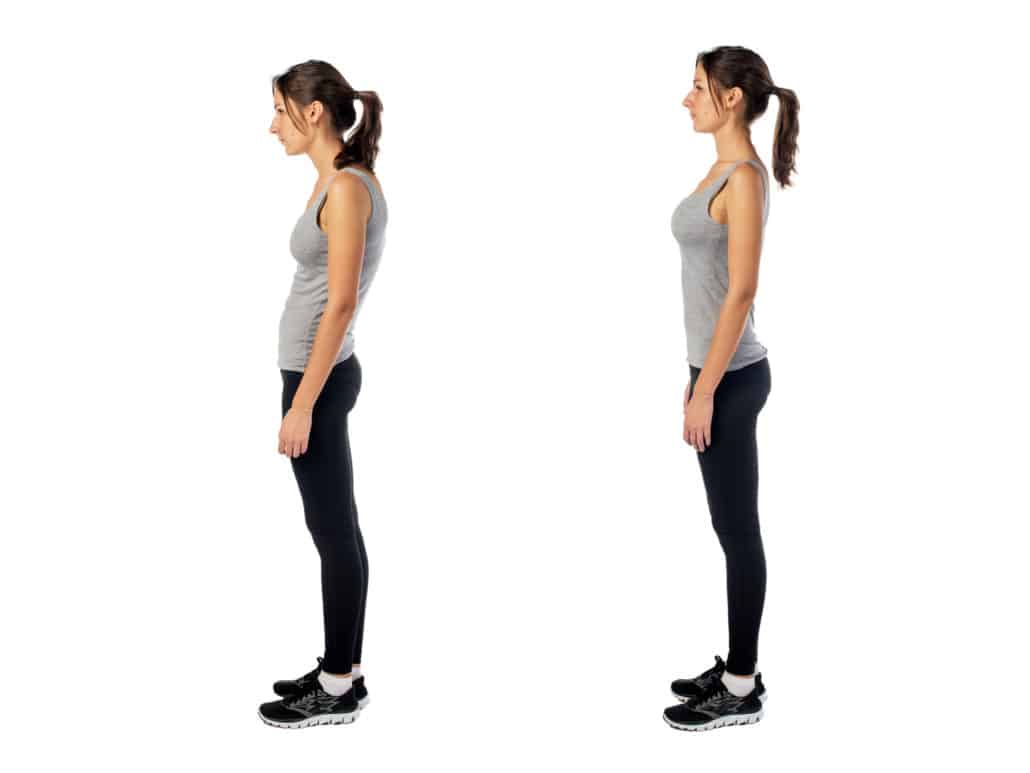
Have you heard about ‘The Posture Myth’?

‘The Posture Myth’: “Is it because my posture is bad”?

By Sport & Exercise APA Titled Physio Rick Bain

Posture has been long engrained in our psyches when discussing pain and for good reason. We’ve been told for years that bad posture is the ‘root of all evils’ and is the most common reason for why people suffer from back, neck and shoulder pain.

How many times have you heard “sit up straight, it’s not good for your back”?

You don’t have to look far these days to find a “health professional” on the internet or TV describing all the bad things that result from bad posture and the (often expensive) remedies required to ‘fix it’.

What if I told you there is a multitude of studies that have compared postures of pain free people with those with back, neck and shoulder pain and found no difference?

Don’t let the facts get in the way of a good story!
Let me present a snapshot of the facts to you.

Here are some findings of the research into the link between pain and posture:
• No association between leg length inequality and back pain.
• No significant difference in lumbar lordosis (arch in your low back) or leg length inequality between three groups of 321 males with severe back pain, moderate pain, or no pain.
• No association between measurements of neck curvature and neck pain.
• No significant difference in lumbar lordosis, pelvis position, leg length discrepancy, and the length of abdominal, hamstring, and iliopsoas (deep front hip muscles) in 600 people with and without back pain.
• Teenagers with postural asymmetry, excessive thoracic kyphosis and/or lumbar lordosis were no more likely to develop back pain in adulthood than peers with “better” posture.
• Pregnant women with greater increases in low back curve during pregnancy were no more likely to develop back pain.
• People who work occupations involving frequent awkward postures do not have higher levels of back pain.
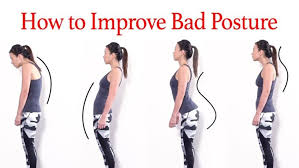
Some studies have found a positive association between measurements of spinal alignment and pain; however, these are exceptions to the rule. The summary of evidence is best demonstrated by a systematic review done in 2008, that analyzed more than fifty-four studies on the relationship between pain and posture.

The cumulative analysis of all the studies into posture did not produce evidence supporting an association between measurements of spinal alignment and pain.

Even more interesting, is that many studies have found other factors such as stress, smoking, education levels, job satisfaction, and exercise, to have a larger contribution to back pain.
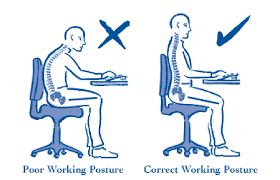
Even if a relationship between pain and posture does exist, prospective studies suggest it is not a causal relationship (ie: posture does not cause pain). It may be that pain causes bad posture, and not the other way around.

Moreover, even if bad posture does contribute to back pain, it is yet another leap to conclude that posture can be corrected. And yet another to prove that correcting “bad” posture will reduce back pain.

What Is Important Then?

The above evidence suggests there is no “ideal posture” and that “correcting posture” has no effect on preventing pain. So if posture isn’t important, should we not worry about it at all? Hmmmm…

1. Become an active sitter:
If your occupation or hobbies involve maintaining a prolonged stationary position for many hours and causes you pain, regular subtle changes to your posture may be better strategy rather than trying to hold some “ideal posture”.

No-body is designed to tolerate prolonged positions of any kind, even if it involves “good posture”. I regularly advise my clients to “become an active sitter”. Take regular breaks or change positions regularly. In essence, all this means is ensure regular changes to your posture or position as this will help distribute forces and stresses of body weight to many various body areas and tissues, thus reducing the stress on any one area of the body.

2. Reverse your curve:
The way you move is more important than how you look sitting or standing still. It is ok to sit with a rounded upper back at times, as long as you don’t lose the ability to extend your upper back in the opposite direction.

Another little ditty my clients hear a lot is to “reverse the curve”. Ie: if you sit with a rounded back posture a lot during the day, make sure you spend time in the day to “reverse that curve” by stretching and extending your spine in the opposite direction.

3. Ensure good alignment when high forces are involved:
Your body is pretty good at adapting to tissue stresses and loads of everyday activity such as prolonged standing and sitting, and this is just one reason posture doesn’t really matter. However, do not mis-interpret that posture doesn’t matter when you are doing high load tasks that require a lot of strenuous effort such as lifting weights, sprinting, jumping/landing.

Alignment and posture matters in these circumstances and is important to be conscious of your alignment and technique to minimize your risk of injury.
pilates gold coast and physioForget good posture: think good movement
In summary, don’t worry too much about trying to change your static posture to conform to some ideal. It is not a likely contributor to your pain. Instead, stay comfortable, keep moving, work to improve your function, and make sure to use good alignment and form when engaged in strenuous exercise. If your’e not sure your pain is as a result of your posture or positions of everyday life, please discuss this with one our physiotherapists.  Phone 07 5500 6470 or book online for an appointment.

Happy Doing and Feeling GOOD!

physio ashmore burleigh
Joyful Movement

Joyful Movement

Joyful Movement – Casey James Sports Dietitian
BHlthSc (Nut&Diet); BAppSci (HMS) 

We can’t deny the evidence that our bodies are designed to move. Physical activity has been shown to have far reaching benefits for prevention of disease, mental health and social well being. But what if we don’t like exercise? What if our only relationship with exercise has been for weight loss? What if we use exercise to punish our bodies for not looking different?

Most people who exercise just for weight management or even just health reasons find it unsustainable, demotivating and stressful. Which is missing the whole stress relieving benefit! Now you may have heard Eat Smart Nutrition have a new service called Project EAT, which aims to improve our relationship with food, but also with physical activity. We need to look at moving our bodies from a different perspective.

Take a moment to reflect on what you are looking for in movement?

Socialising with others- e.g. group training, classes or team sports
Time alone- running, swimming, yoga
Nature or fresh air- bush walking, beach jogging, adventure trails
Productivity- cleaning, gardening, walking for transport
Creativity- dancing
Stress relief- any movement!

If there is a movement that brings you joy in any way, do that. If we enjoy something, we are far more likely to repeat it. We don’t need to get sweaty or sore to benefit from movement. In fact, it is inactivity- not moving for prolonged periods of time that leads to health problems. If you have a medical condition that impacts the way you move, see an Exercise Physiologist to help find out movement that is safe for you. Many conditions that make movement difficult actually improve with (safely planned) movement. This includes arthritis and chronic pain.

So, once you start moving, what is the best thing to eat before and after movement? Glad you asked! If you’re moving for over an hour you will benefit from a carbohydrate based snack in the 1-2 hours prior. This will provide your moving muscles with fuel to work efficiently, and enough energy to complete the activity without fatigue. Common choices include:

Fruit
Crackers
Popcorn
Smoothie
Sushi
Sandwich

After movement, our muscles will repair and adapt best if we have a snack within 30 mins containing both protein and carbohydrate.

For example:

Yoghurt + fruit
Sandwich with meat, cheese or peanut butter
Tuna + rice/crackers
Smoothie with milk, fruit + yoghurt
Flavoured milk
If you feel like you need more ideas, see our Eat Smart Dietitian.

Happy moving ?


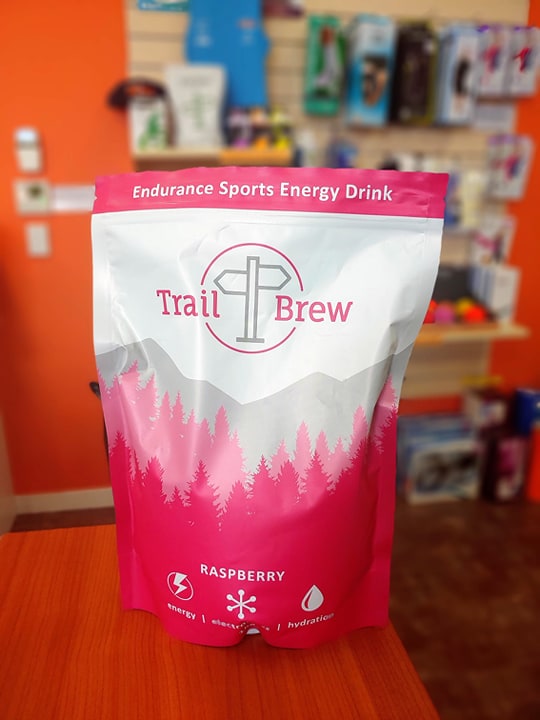
Trailbrew & Spring Energy NOW in Clinic

Gold Coast Physio & Sports Health now stocks Trailbrew Electrolyte and Spring Energy Gels for you to easily pickup and use. Great for all Sports

Trailbrew is Australian made here on the GC and Spring Energey Gels are a revolution in Gels made with Real Food

SPRING Gels are Made with Real Food Some endurance athletes achieve their extraordinary strength through the help of simple foods. We follow their steps providing products that are composed of only natural ingredients with minimal processing and no artificial components. No GI Problems Gastrointestinal (GI) problems are a common side effect when using traditional energy gels during athletic activity. Spring’s finely tuned acidity and osmotically active nutrients improve absorption and reduce gastrointestinal distress. Extended Energy Release Spring’s balanced composition of carbohydrates helps to succeed your effort without the negative effects of sugar and/or maltodextrin overload, which create harmful spikes and dips in the energy supply. Now Available In Clinic!

National Institute for Health Care & Excellence (NICE) Low Back Pain Guidelines

Low back pain and sciatica in over 16s: assessment and management

NICE guideline [NG59] Published date: 

This guideline covers assessing and managing low back pain and sciatica in people aged 16 and over. It outlines physical, psychological, pharmacological and surgical treatments to help people manage their low back pain and sciatica in their daily life. The guideline aims to improve people’s quality of life by promoting the most effective forms of care for low back pain and sciatica.

Recommendations

This guideline includes recommendations on:

Key Points

Exclude specific causes of low back pain, for example, cancer, infection, trauma or inflammatory disease such as spondyloarthritis

Consider using risk stratification (for example, the STarT Back risk assessment tool) at first point of contact with a healthcare professional for each new episode of low back pain with or without sciatica to inform shared decision-making about stratified management.

Consider using risk stratification (for example, the STarT Back risk assessment tool) at first point of contact with a healthcare professional for each new episode of low back pain with or without sciatica to inform shared decision-making about stratified management.

Consider imaging in specialist settings of care (for example, a musculoskeletal interface clinic or hospital) for people with low back pain with or without sciatica only if the result is likely to change management.

Non-pharmacological interventions

Self-management – tailored advice & education. Encouragement to continue with normal activities.

Exercise – Consider a group exercise programme (biomechanical, aerobic, mind–body or a combination of approaches)

Orthotics & Braces- do not recommend

Manual Therapies – Consider manual therapy (spinal manipulation, mobilisation or soft tissue techniques such as massage) for managing low back pain with or without sciatica, but only as part of a treatment package including exercise, with or without psychological therapy. DO NOT offer Traction

Acupuncture -Do not offer acupuncture

Electrotherapies – do not offer Ultrasound, Tens, Pens or Interferential

Psychological therapy -Consider psychological therapies using a cognitive behavioural approach for managing low back pain with or without sciatica but only as part of a treatment package including exercise, with or without manual therapy

Return-to-work programmes -Promote and facilitate return to work or normal activities of daily living

Pharmacological interventions

See Here

Non-surgical interventions

Spinal injections – Do not offer spinal injections for managing low back pain.

Radiofrequency denervation -Consider referral for assessment for radiofrequency denervation for people with chronic low back pain when:

  • non-surgical treatment has not worked for them and the main source of pain is thought to come from structures supplied by the medial branch nerve and they have moderate or severe levels of localised back pain (rated as 5 or more on a visual analogue scale, or equivalent) at the time of referral.
  • Only perform radiofrequency denervation in people with chronic low back pain after a positive response to a diagnostic medial branch block.

Do not offer imaging for people with low back pain with specific facet join pain as a prerequisite for radiofrequency denervation.

Epidurals -Consider epidural injections of local anaesthetic and steroid in people with acute and severe sciatica. Do not use epidural injections for neurogenic claudication in people who have central spinal canal stenosis.

Surgical interventions

Surgery and prognostic factors -Do not allow a person’s BMI, smoking status or psychological distress to influence the decision to refer them for a surgical opinion for sciatica.

Spinal decompression – Consider spinal decompression for people with sciatica when non-surgical treatment has not improved pain or function and their radiological findings are consistent with sciatic symptoms.

Spinal fusion -Do not offer spinal fusion for people with low back pain unless as part of a randomised controlled trial.

Disc replacement – Do not offer disc replacement in people with low back pain.

Loading...