13/345 Southport-Nerang Rd, Ashmore Q 4214
12/110 Kortum Drive, Burleigh Heads Q 4220

Can we prevent shoulder injuries in Surf Life Saving?

Can we prevent shoulder injuries in Surf Life Saving?

Injuries are always going to occur in sport and unfortunately the research doesn’t suggest we can completely prevent injuries – so what should we consider instead?.
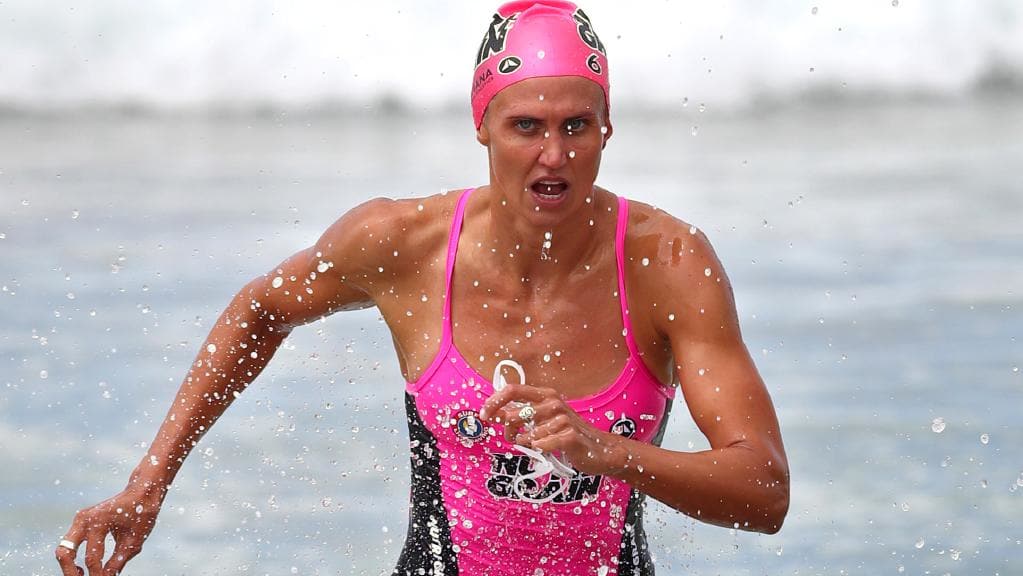
In surf life saving injuries can be either traumatic such as falling in a pothole when running on the sand, or getting dumped by a wave, or overuse from the high training volumes across the multiple disciplines of swimming, board, ski and running plus gym- across all disciplines, “Clubbies” can be training up to 14 sessions per week! And within this there is a lot of repetitive use and stress, in particular through the upper back and shoulders if you are a water athlete. This may be a cause for the higher number of injuries seen in these body area’s in these athletes.
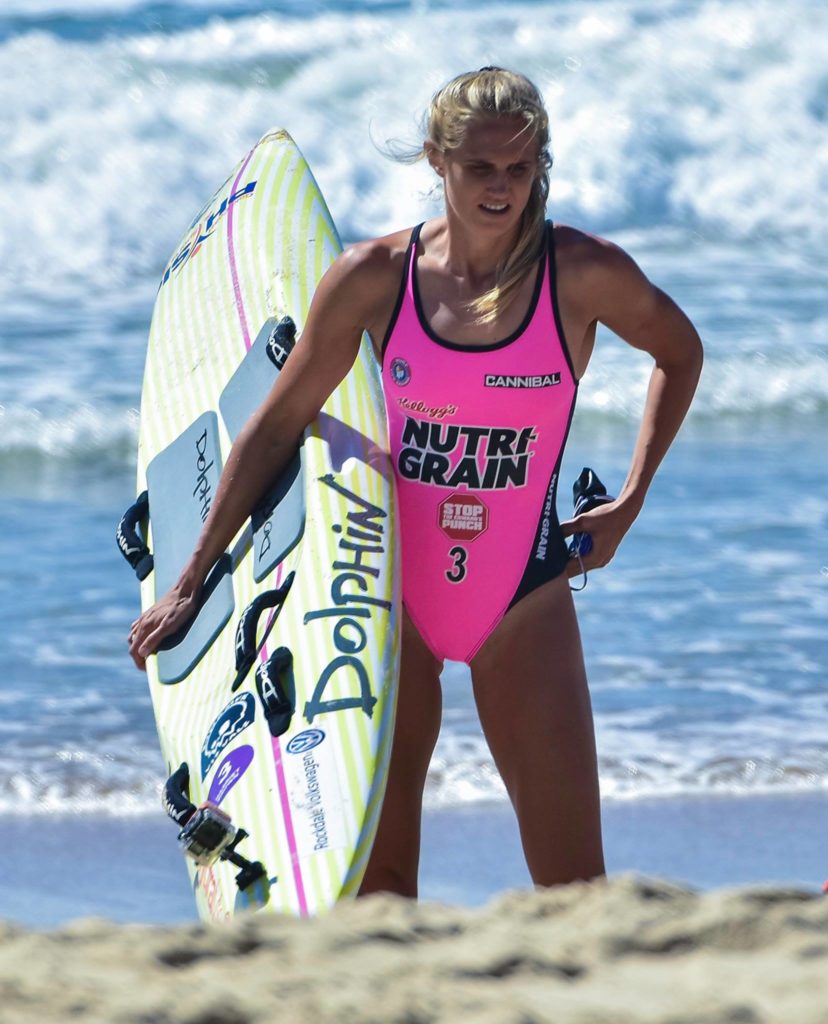
So how can you reduce overuse shoulder injuries from occurring?
There are a few risk factors present that may put you at a higher risk of developing shoulder pain. Identifying these risk factors is the key to preventing shoulder injuries from occurring. Some of these factors cannot be changed, such as a past history of shoulder pain or the shape of your shoulder joint. Other factors can be changed, and this is where physiotherapy can help.
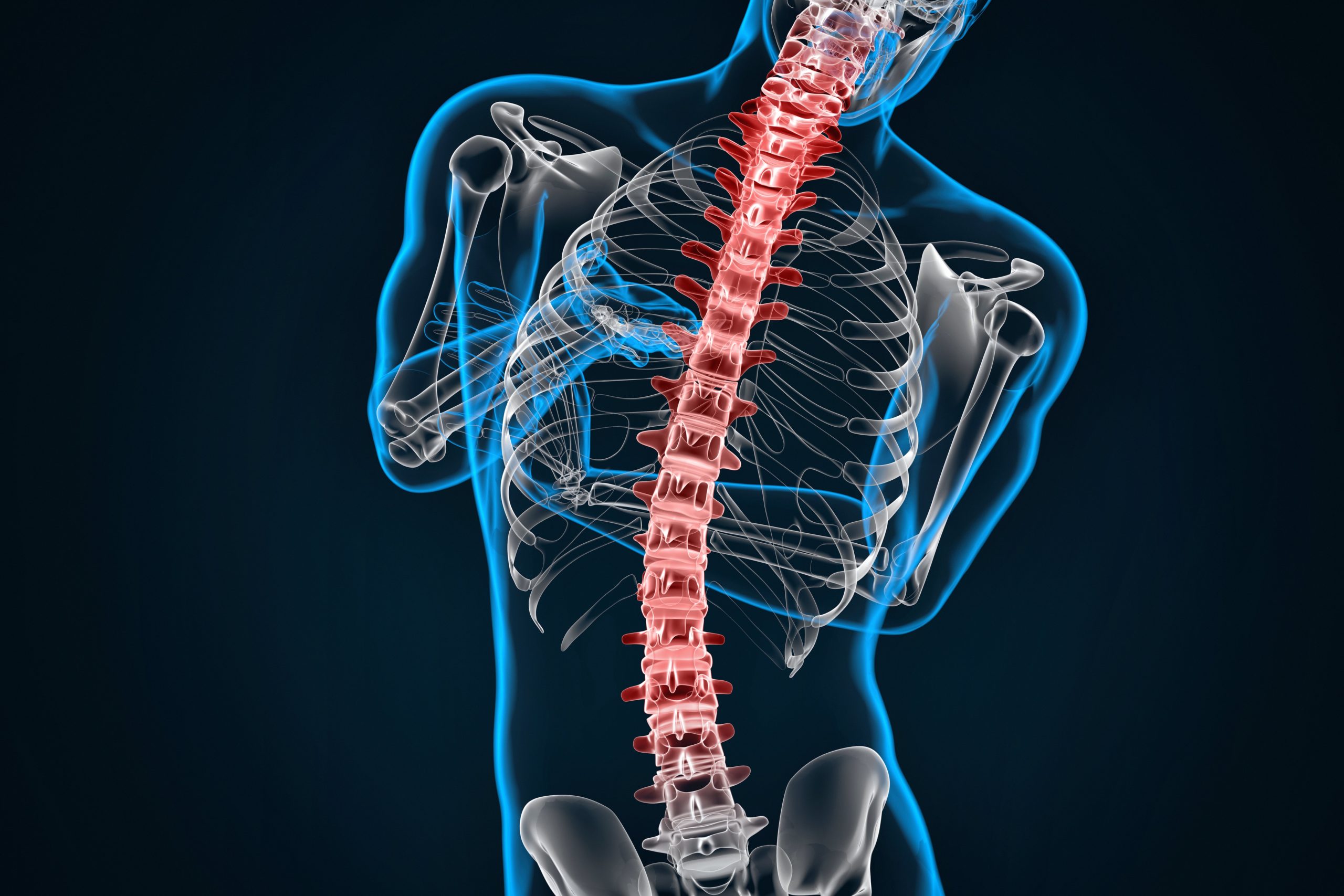
The first area to identify and address is your range of motion through your shoulder and upper back. It is important to assess how each area moves in isolation, but also with each other. If there is any loss of movement, joint stiffness, or muscle tightness present then these can be addressed.
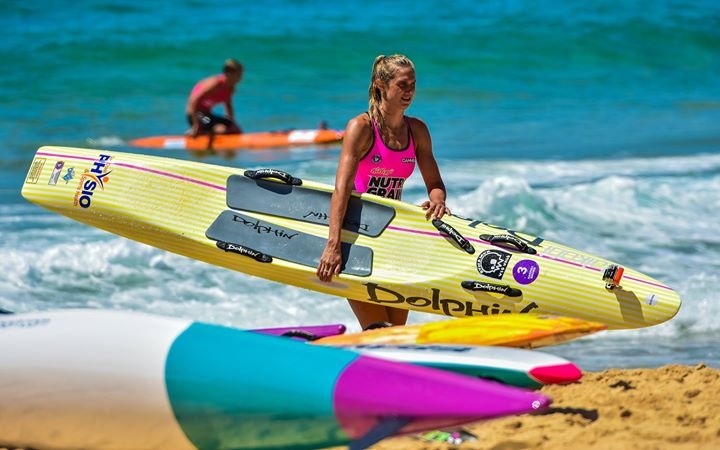
The next area is to check for strength around the shoulder and the shoulder blade. Your rotator cuff muscles from your shoulder to your shoulder blade play an important role in keeping your shoulder stable and strong during movement, and weakness in any of these may increase your risk of shoulder pain. Measuring the strength of your rotator cuff tells us a few things. We can simply check for side-to-side differences, but this often isn’t enough. We can calculate the balance of strength, or ratio, between the muscles in the front and back of your shoulder and make sure this is where we need it to be. We can also calculate how strong your shoulder should be based on your body weight. All of these different areas can potentially contribute to you developing shoulder pain and can be addressed to reduce that risk.
If you want to get started on some management of your shoulder then check out these foam rolling exercises, here https://www.gcphysio.robicoweb.com.au/…/foam-roller-exercises/
or this upper back mobility exercise here
extensions/
Or if you need help then get in contact with the team here at Gold Coast Physio & Sports Health for an assessment and individual prevention plan today, phone 07 55006470 or Book an Appointment Online www.mygcphysio.com.au
I’m stuck in COVID isolation part 2

I’m in COVID isolation part 2- Self-massage, stretches and foam roller

By Katie Harders- Senior Remedial Massage Therapist and Pilates instructor

Many of us will be stuck in isolation unable to regular remedial massage or physio appointments and from experience the body has stiffened up from watching copious amounts of Netflix or you may have been feeling rubbish but when you feel fit we have put together a few handy self-massage, foam roller stretches and other stretches that will help you at home until you can get back into the clinic for your regular appointments. We have provided a short video of trigger ball and foam roller releases plus some images of other stretches talked about through this article.

  1. Your trigger ball is your friend– RAD roller, tennis ball or golf ball will do! Put this ball between you and the wall and find some of those sore spots especially around the shoulder blades and mid back, when you find a sore spot hold some pressure on it till it eases off then continue to search for other parts that may be tight (see video)
  2. Trigger ball rolling release– This is best done with a RAD roller or 2 tennis balls/balls taped together! Place trigger ball either side of the spine up against the wall like above and gently roll up and down with some pressure this will help release those tight back muscles (see video)
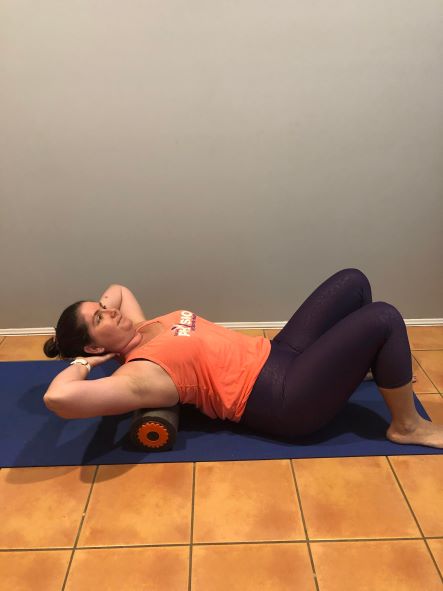
  1. Foam roller back release– start by doing this on the wall and you can progress to the floor as you feel fit. Place the foam roller horizontally between you and the wall and roll up and down your back- move the roller down and continue. You can also do this on the floor, roller under mid back and roll back and forth (see picture)
  2. Chest and back stretch– place roller vertically along spine make sure head and lower back are supported, best down with long roller (see picture)
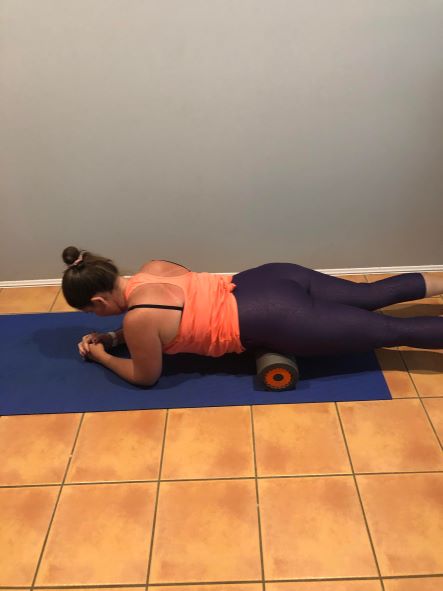
  3. Foam roller hip release– lay face down and place foam roller under hips and gently roll back and forth (see picture)
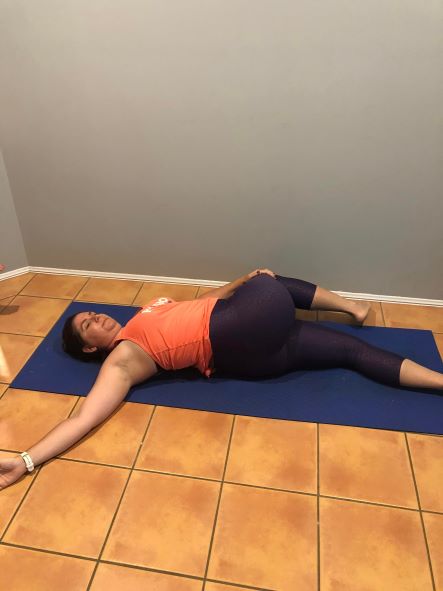
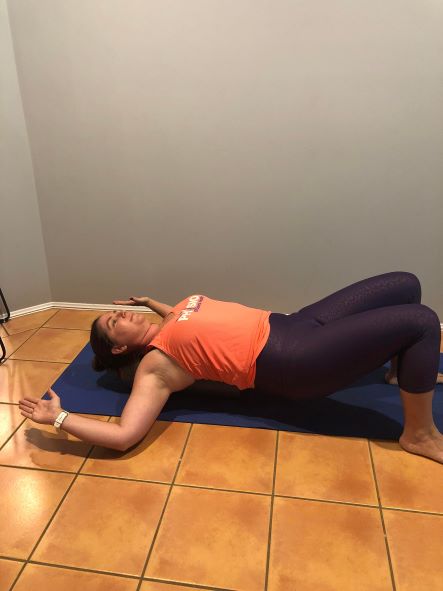
  4. Basic lower back and hip stretches– see pictures

    We hope these few easy self-massage techniques and stretches get you through isolation and we look forward to seeing you back in clinic when you’re feeling well. We offer online booking so you can book your appointments ahead so you don’t miss out!

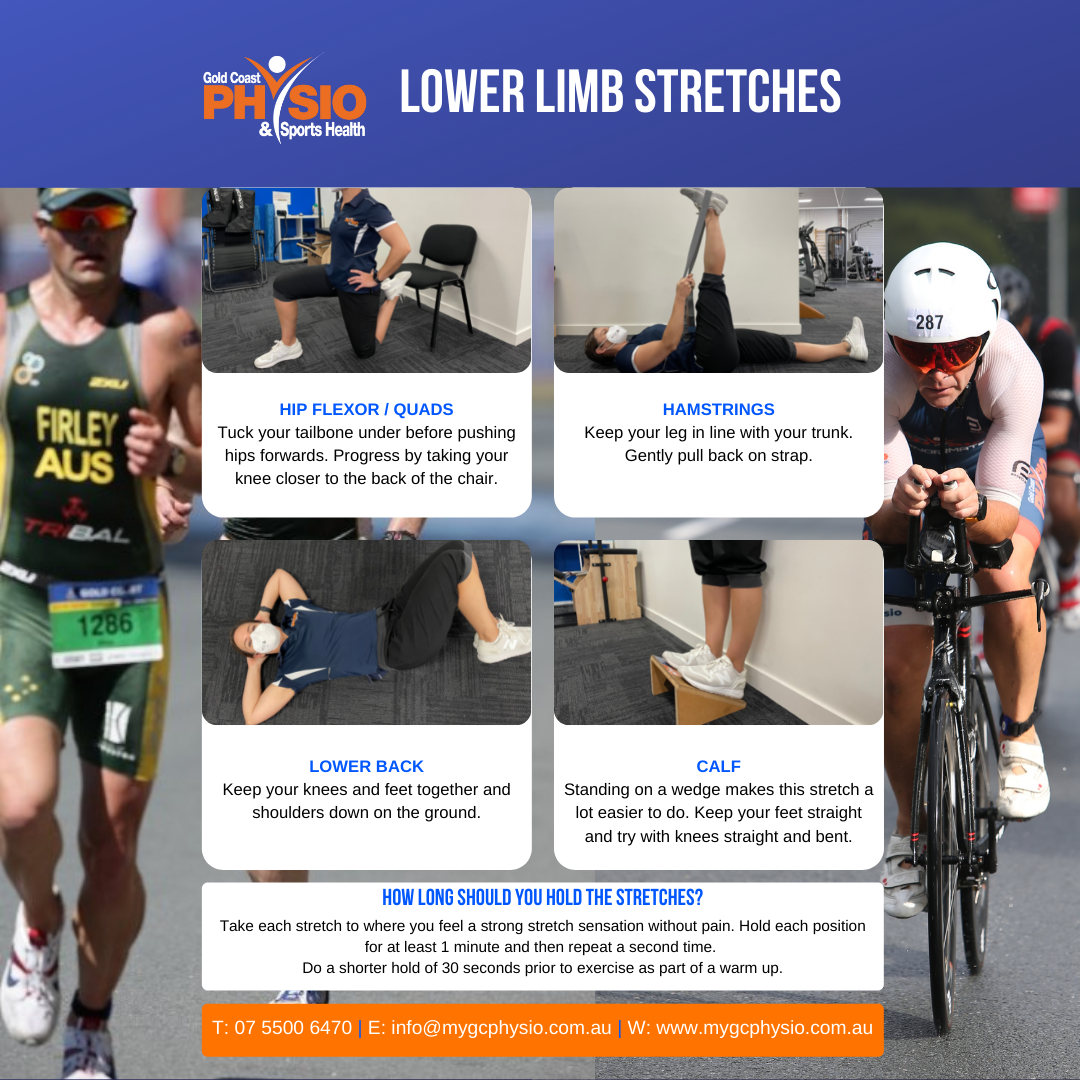
    Key Stretches for Triathletes

    Key Stretches for Triathletes

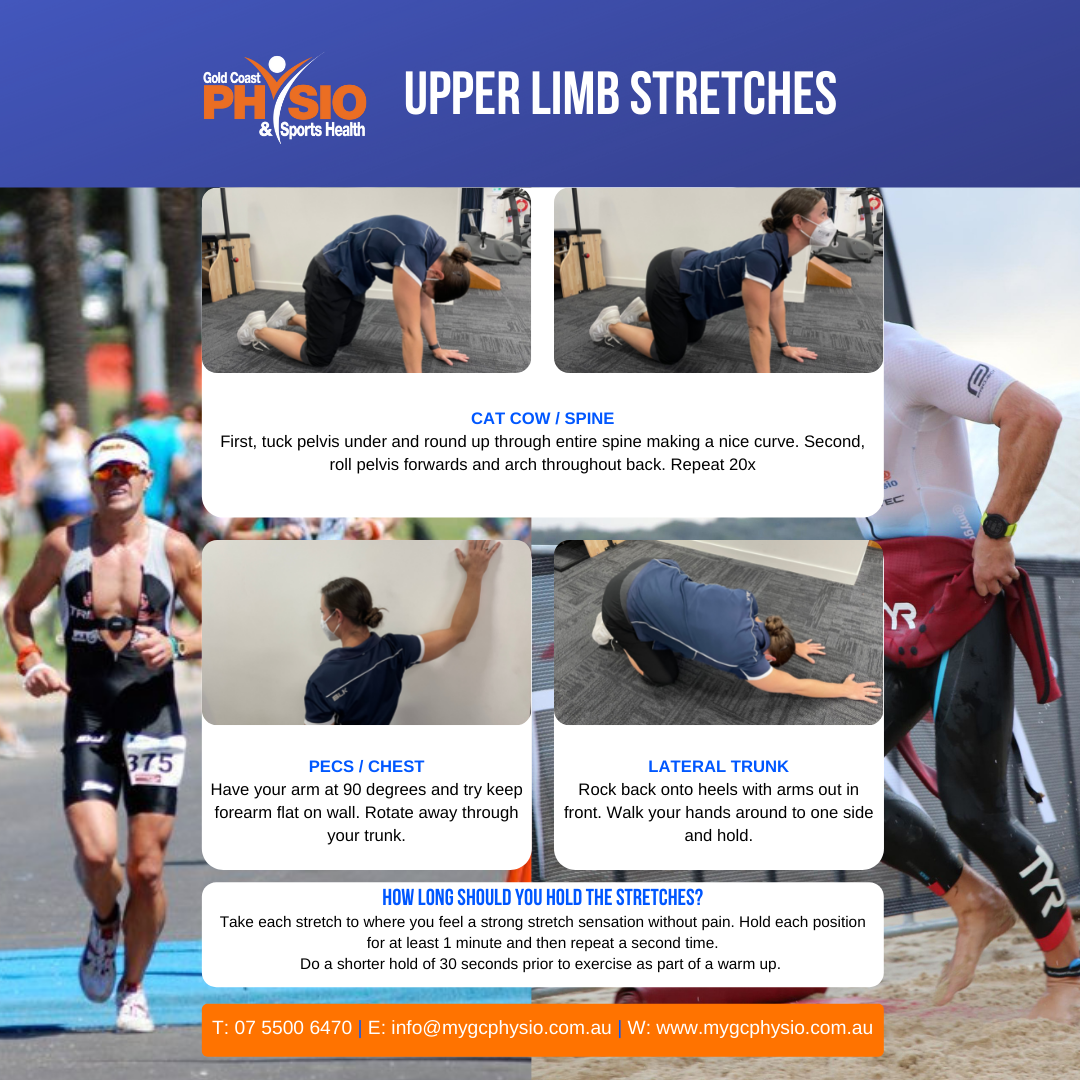
    With triathlon season now in full swing it is perfect time to take care of your body to optimise your training and performance. Check out our website BLOG for a full list of upper and lower body stretches specific for triathlon. Reach out if you need help this tri season!

    Our experienced Physios will help you, book online www.mygcphysio.com.au or call us on 07 5500 6470
    How to survive Run Training in a Qld Summer

    How to survive Run Training in a Qld Summer

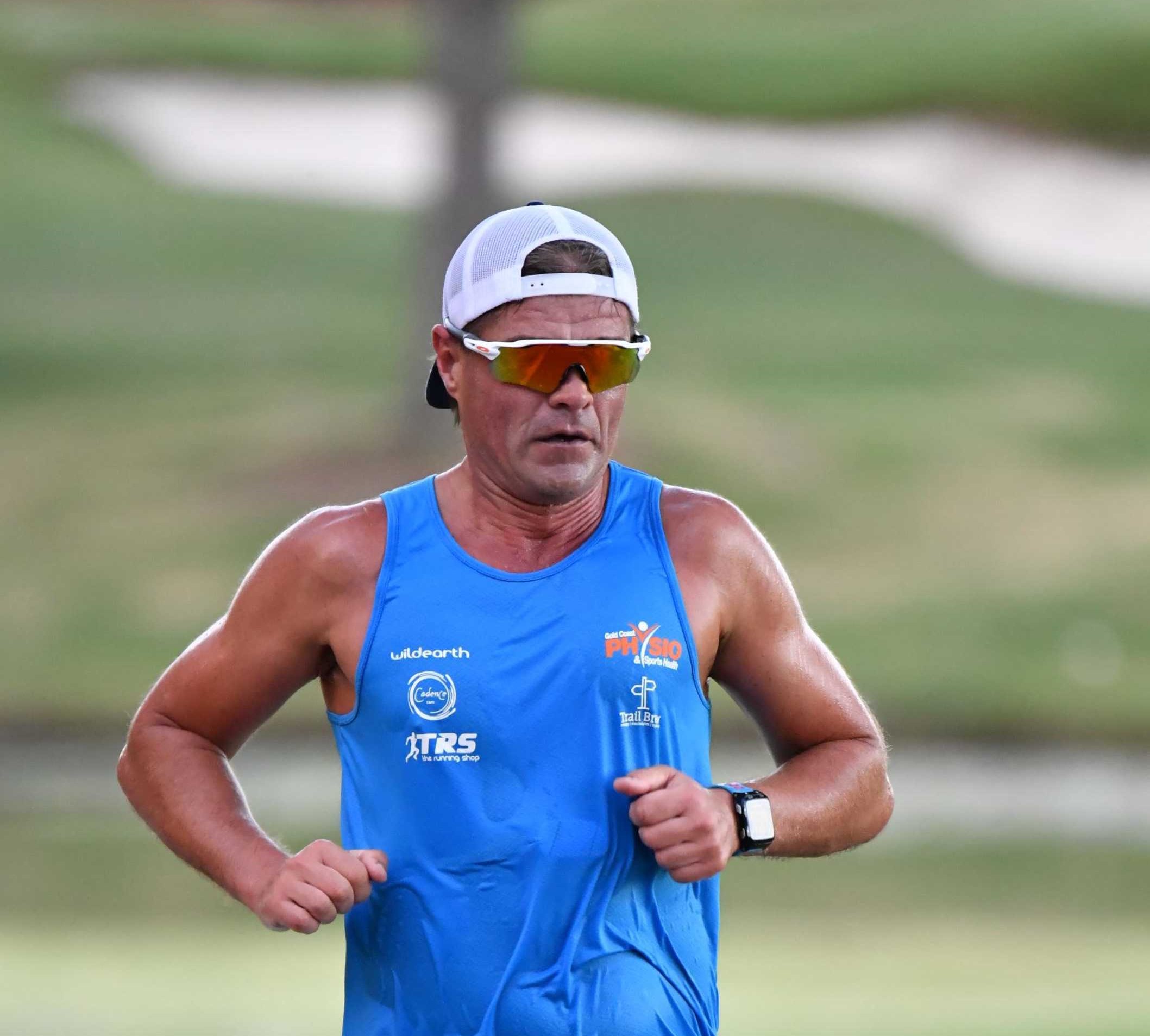
    By Gold Coast Running Physio & talented Runner, Kyle Weise

    It’s that dreaded time of year for us Queensland runners. With temperatures and humidity rising, running can feel like a real battle at this time of year, and it can really affect your recovery and performance.

    But, don’t despair! Did you know completing some training in hot and humid weather has positive effects on your physiology for endurance sports-  Our Qld humidity somewhat helps drive similar changes to training at altitude with blood volume changes and improved oxygen-carrying capacity from our red blood cells. Great for long-term improved performance IF you can be smart about it!

    So rather than avoid training outside in Summer in Qld- just be selective about how much, when, how you are going to train, and be more organised around your recovery to make sure you are not wiped out by training through Summer.

    Here are some tips to help every runner navigate our hotter months:

    1. Expectations
    First of all, we need to accept the fact that it’s hot & humid- and this makes things uncomfortable! Unfortunately, that means we aren’t going to be able to perform at our best and we need to make sure we’re reminding ourselves of this. As nice as it would be to be smashing your Parkrun PB, it’s unlikely to happen at this time of year. Summer can be a great time to train but the goals of Summer might be a little different to those cold dark months of Winter.

    2. Intensity
    Given the increase in temperature, your perceived effort (Rate of Perceived Exertion, RPE) for a given speed will be higher. Although it’s a bit of a hit to your ego, it’s important to listen to your body and reduce the pace of your runs to reflect the conditions – in fact, it is more useful to be guided by RPE during your run training than purely worrying about training to pace. And don’t worry, no one is going to think you’ve lost fitness because you slow down a bit in Summer!

    3. Hydration
    We all know the feeling of finishing a run and wringing out our shirts to find what seems to be endless amounts of water. This should be a fairly obvious indication that you need to be replacing this extra lost fluid. It’s important to make sure you’re not only taking on fluids while
    you’re running but ensuring you are getting in enough fluid throughout the day by drinking regularly throughout the day (and it can’t be all alcohol!).

    There are many effects of dehydration- studies have shown that fluid losses equal to 2% of body mass are sufficient to cause a decrease in performance, both physical and mental.

    A useful tip can be to plan your longer runs somewhere that has a water supply, or if you’re out on the trails, take some extra water in a hydration pack or bottle, or take an extra return trip to the car.

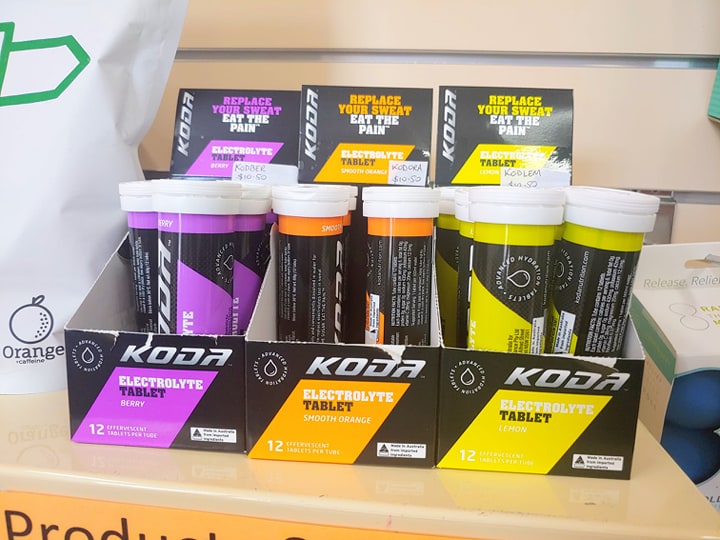
    And don’t forget electrolytes! Consider dropping some Koda Electrolyte tablets in to your water when you run-  these are sugar free / no calories and are third party batch tested by HASTA to ensure they are batch tested f0r athletes for banned substances. Koda are also great to put in your water bottle for rehydrating throughout the day- research has shown with some flavour added to water, plus having your drink slightly cold, you are more likely to consume greater amounts. And for longer runs, consider using an electrolyte that contains carbohydrate to refuel you as you go, like Trailbrew.

    Other Tips for staying hydrated include:

    • Drinking fluid before, during and after exercise. The amount and type of fluid will depend on the individual and the sport
    • Begin each exercise session well hydrated: drink water regularly throughout the day leading up to training
    • Aim for a pale-yellow colour urine
    • Immediately before exercise consume 200-600mL fluid
    • Develop a plan for fluid intake for all exercise sessions longer than 30 minutes
    • Begin drinking early in exercise sessions and continue to sip regularly

    Read More from Eatsmart Accredited Sports Dietitians, or if you want an individual Hydration Plan and Sweat Test, book an appointment with our Eatsmart Dietitians in clinic by phoning us on 07 55006470. We have both Koda and Trailbew available to buy to Clinic.

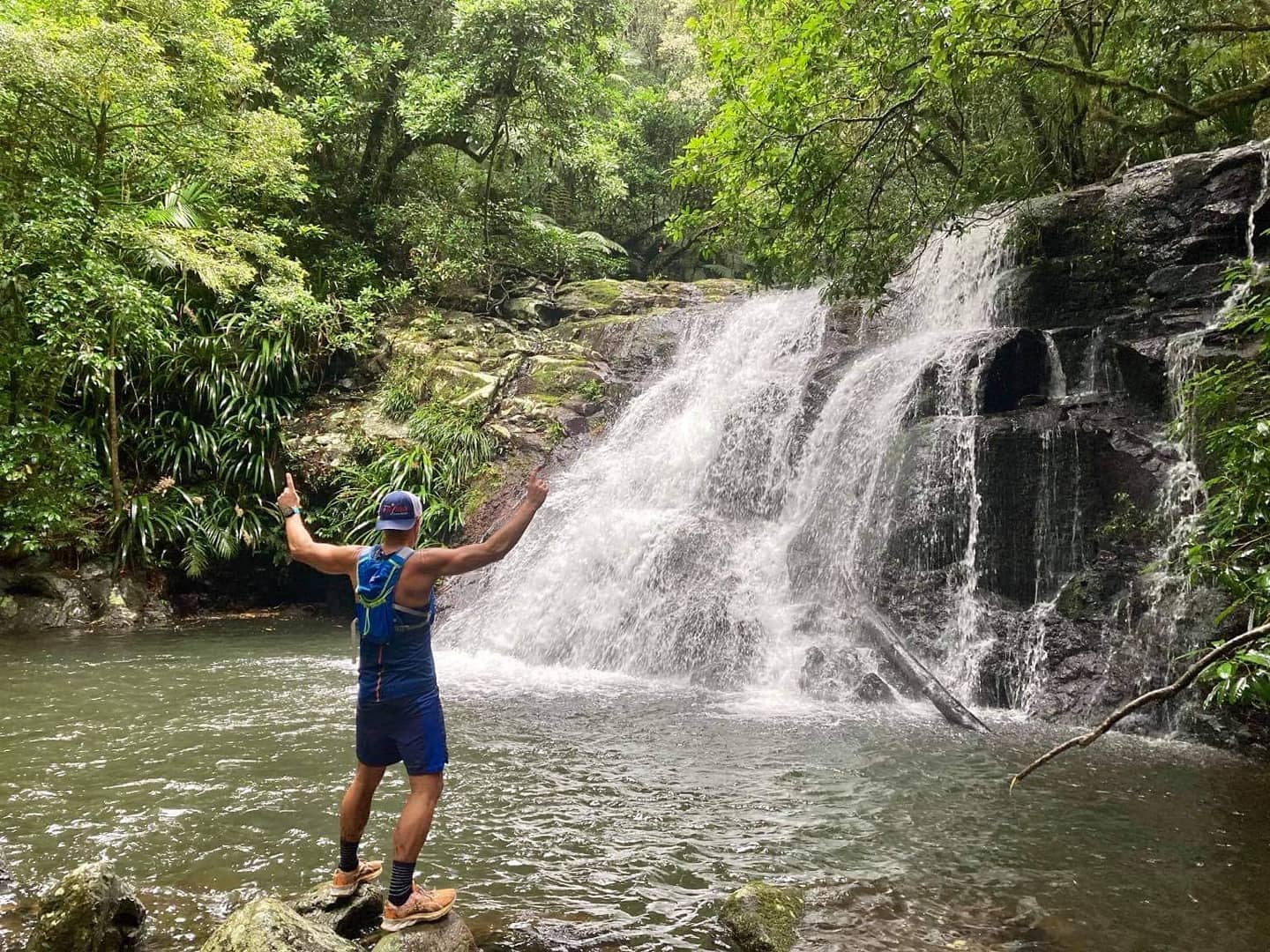
    Try a run somewhere like Binna Burra & cool down on the way in the waterfall!

    4. Variety
    The summer months are a great chance to focus on being ok to try new things and address other areas of your running – strength training, mobility, run technique (join us for our monthly Run Technique Clinic to improve your running). Try running at cooler times of the day, or even treadmill running with fans &/or air-conditioning. Or, try running in different locations that are more shaded, or perhaps more exposed to some breeze to help cool you down – or even try some of our accessible National Parks, like Coomera Circuit at Binna Burra that crosses the creeks & waterfalls! At this time of year, think of what personal aspects you have been neglecting and use these months as an opportunity to improve your overall running self.

    So, in summary, don’t think of summer as a burden, think of it as an opportunity to improve yourself as a runner! We can help provide advice and direction to you, so Book anytime with Our Team online via www.mygcphysio.com.au

    Happy Summer running!

    I’m In COVID Isolation, So What Now?

    6 Useful Tips

    By Sports Physio Liam Ryan

    With COVID running rampant in the Gold Coast community at the moment we are seeing a lot of people being stuck at home for seven days completing their mandatory quarantine. For those who develop symptoms, or those with no symptoms (hello close contacts) you might find yourself looking for things to do.

    Part of being stuck at home is that we are likely to be more inactive. Below are a few ideas that you can do at home during your isolation period to keep you going, both physically and mentally.

    1)    Practice mindfulness

    – This can be a stressful time for many of us, so it can be worthwhile to take some time each day to practice mindfulness or meditate. There are plenty of resources out there to help with this, from guides to apps for your phone. Even just spending time sitting in a quiet place and focusing on your breathing can help.
    For more information on mindfulness you can click HERE, and for more information on a useful application for your phone then click HERE.

    2)    Have a stretch or do some yoga

    – Pending your energy levels you may feel like a stretch if you have been sitting all day. Yoga can be a great option for this, and there are many great YouTube channels out there that you can follow along with (I persaonlly like Yoga with Adriene). Or you might like a few general stretches such as those seen HERE and HERE. Once you are out of isolation you may feel like trying Sarah’s Physio stretch & caht class, held at Burleigh on Monday nights.

    3)    Get on top of that niggle

    – Spend your time working on improving that niggle or injury you have been working through. Get stuck into the rehabilitation you have been provided by your physio or contact Our team for a Telehealth session for some guidance.

    4)    Do a strength session

    – Again if your energy levels are high enough, you might find yourself wanting to get the heart rate elevated. You don’t need access to a fully equipped gym to get a good workout in as there are plenty of creative ways to exercise at home. Our team can easily help create a program for you to do at home, again via telehealth.

    5)    Keep a routine

    – It can be easy to slip out of routine when isolating. You may find simply sticking with a set time to go to bed and to wake up a great way to keep some routine in your day and make the transition out of isolation easier. You can go one step further and keep your meals at similar times!

    6)    Keep a healthy diet

    – After the previous one it is important to not take this time to over-indulge in unhealthy foods or alcohol. This isn’t going to make you feel any better! You may also take this as a chance to try a new recipe, why not be adventurous? HERE are some isolation tips from our friends at EatSmart Nutrition, and Steff the dietitian can help provide further guidance.

    Our team is always here to help, and if you need assistance with any of these areas during then get in contact on 07 5500 6470.

    Have you been told you have 1 leg longer than the Other? What should you do?

    Do you have a leg length discrepancy (a difference in the leg length between right and left legs)?

    How many times have you been told your knee, hip, back or even shoulder pain is due to your leg length difference? This statement is commonly followed closely by a recommendation of numerous expensive therapy options to “correct the discrepancy”. Sound familiar? But does a leg length discrepancy really matter and how big does the difference need to be before it causes pain or dysfunction?

    As experienced Physio’s, we regularly see clients presenting to clinic worried that their leg length discrepancy has caused their injury further up the body. It is commonly a “diagnosis” from a health practitioner who either observed a difference (eye-ball estimation) or maybe even measured it with a tape measure. This can lead a person to believe this is the root cause to their injury or may lead to injury further up the body sometime in the future.

    Lets first discuss if a leg length discrepancy be accurately measured?

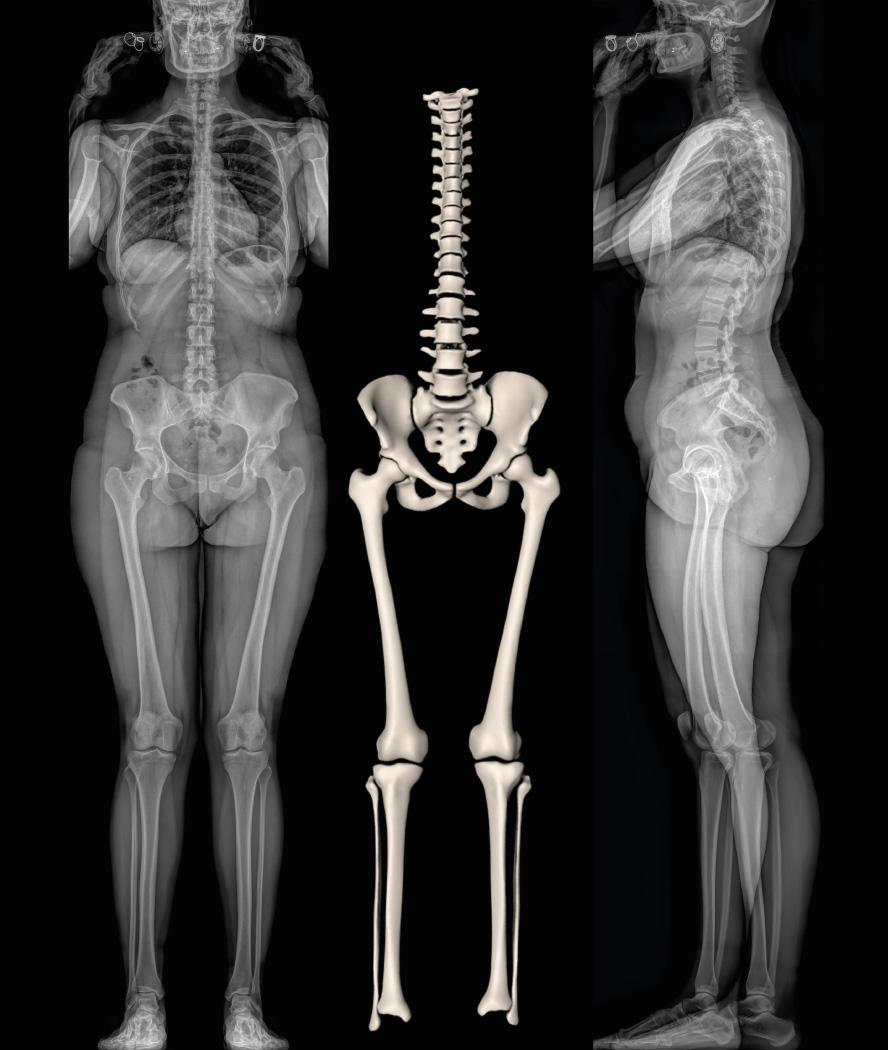
    Numerous studies have demonstrated that clinical measurement (eg: tape measure or functional leg length tests) are grossly unreliable and not accurate. These methods can support a suspicion of leg length difference only and help guide decision making regarding further testing/measurement. The only method of accurately measuring true leg length discrepancy is by X-ray (EOS scan).

    Is Leg length discrepancy abnormal?

    A large 2005 medical review estimates 90% of people have a measurable leg length discrepancy and more than half of those have a difference greater than 5mm. It might be more accurate to state that it is NORMAL TO HAVE A LEG LENGTH DIFFERENCE.

    So, when does a leg length discrepancy become relevant?

    This is the million-dollar question that a lot of clever researchers have investigated over the years. The same 2005 review article examined all the previous research into leg length discrepancies and concluded that up to 2cm is likely to be normal (eg: not clinically significant). Importantly, it is estimated only 1 in 1000 demonstrate a discrepancy larger than 2cm. It is well accepted that the human body is naturally robust enough to accommodate <2cm discrepancy in leg length by changes to alignments up the body, such as changes in muscle length. The body is beautifully adaptable to compensate for this.

    So does greater than 2cm mean I will have problems and how do I fix it?

    Having a leg length discrepancy of greater than 2cm does not guarantee you will have associated pain or injury as a result. However, people with leg length discrepancy greater than 2cm certainly do start to report a higher incidence of pain and injury compared to those who have less than 2cm difference.

    As physiotherapists it is our role to determine if the leg length difference is related to your presenting pain or injury before attempting to address it. If a TRUE (measured via Xray EOS) leg length difference is considered relevant to your presenting complaint, then the mainstay of management is centred around orthotic devices or shoe modification to help address the difference. In the rare instances this is required, your physio or podiatrist can help find the best solution for you.

    If you need further advice or a discussion around your presenting symptoms, our Physio’s or Sports Physician can help you. Call us for an appointment on 07 55006470 or Book Online.

    Cheers from the Team

    Loading...