13/345 Southport-Nerang Rd, Ashmore Q 4214
12/110 Kortum Drive, Burleigh Heads Q 4220

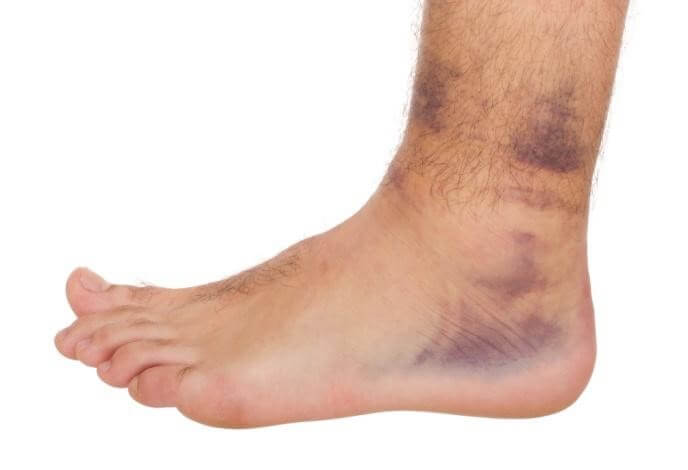
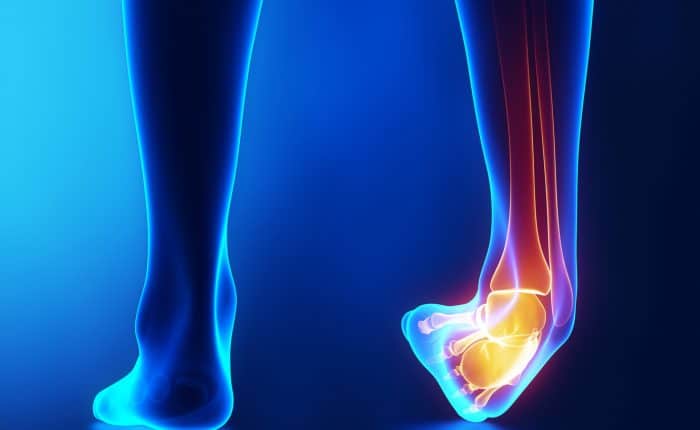
Do you keep spraining your Ankle? Do you have “wobbly” ankles? You could have Chronic Ankle Instability

Chronic Ankle Instability – What is it? And what should you do about it?

Have you had an ankle sprain where it has never felt right ever since-  whether it is a feeling of constant wobbliness or intermittent pain?

Or perhaps you find yourself always rolling your ankle, feeling as if it is going to give way?

You may have chronic ankle instability (CAI).

Chronic ankle instability (CAI) is a condition that is characterised by:

  • repetitive episodes or sensation of the ankle giving way,
  • ongoing symptoms like pain, weakness,
  • reduced mobility in, and around the foot and ankle;
  • reduced perceived function, and
  • recurrent ankle sprains that last for more than a year after the initial injury.

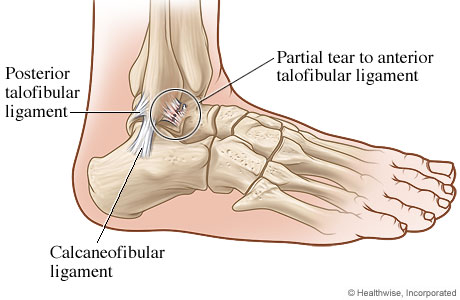
CAI is developed following an initial lateral ankle sprain “rolled ankle” which causes strain or disruption to the ligaments to the side of the ankle joint. Ligaments are bands of tissue that connect bone to bone to provide support to your joints and limit excessive movements. The most common ligaments being injured include ATFL (anterior tibiofibular ligament) and CFL (calcanofibular ligament). It has been estimated that up to 40% of people with a first time ankle sprain (lateral ankle sprain) develops CAI.

So, perhaps a “simple” ankle sprain isn’t as simple as just resting, icing and letting it get better as you may have thought.

Multiple factors contribute to the development of CAI.

These include the injured tissue from the initial injury, which can cause structural changes to the ankle joint (e.g. residual ligament laxity, ankle joint restriction, subsequent over-stretching of the surrounding ankle muscles).

The initial ankle sprain can also cause changes in proprioception (e.g. altered sense of joint position causing the person to weight bear more on the outer edge of their ankle) and maladaptive movement behaviours, such as unloading the injured side which causes consequent muscular weakness through not only at the ankle joints but also knee and hip muscle of the same side.

Researchers also believe that there are environmental and personal actors that can contribute to the development of chronic ankle instability, such as access to healthcare to rehabilitate the initial ankle sprain and past injuries, respectively.

Fortunately, CAI is treatable.

The mainstay treatment for it is physiotherapy.

As CAI may present differently to each individual, your physiotherapist need to first conduct a thorough examination of your past injury and medical history, and examine your foot and ankle through various clinical and functional testings to identify factors that contribute to your CAI. This allows your physiotherapist to direct a treatment pathway that is specific for you for the optimal outcome.

Your treatment recommendations will also take into consideration of your current level of function, and the desired level of physical and sporting activity you wish to return to. For example, the treatment plan for a 21 year old university student who aims to return to playing netball and her part-time job would differ from one for a 51 year old mother of 3 who wishes to return to going out for walks with her children and dog.

Treatment interventions for CAI are different depending on the stages of your rehabilitation:

  • For an ankle that has had a recent sprain, it may include acute strategies like swelling management, soft tissue therapy, taping or gait practice to restore your walking mechanics.
  • For mid to late stage rehabilitation, your treatment may include exercises designed to improve your mobility and flexibility, increase the capacity and strengthen the muscles that support your ankle, as well as to improve the entire lower limb function.
  • Rehabilitation may also include specific balance exercises and movement retraining that relates to your sport or functional needs.
  • Towards your return to sports or functional activities, your physiotherapist may also prescribe specific brace to manage the initial period of time whereby you are at a heightened risk of re-injury to actively work with you on minimising risk of another episode of rolling your ankle.

If you need a Physio to assess your “dodgey” ankle and give you a plan, phone us on 07 55006470 or Book Online www.mygcphysio.com.au
gold coast physio ankle sprain
what to do following ankle sprain injury gold coast running
Be Your Ultimate Runner Physio Running Assessment

Be Your Ultimate Runner Physio Running Assessment

Want To Know How To Improve Your Running?   Try a Physio Running Assessment

Be Your Ultimate Runner Physio Running Assessment

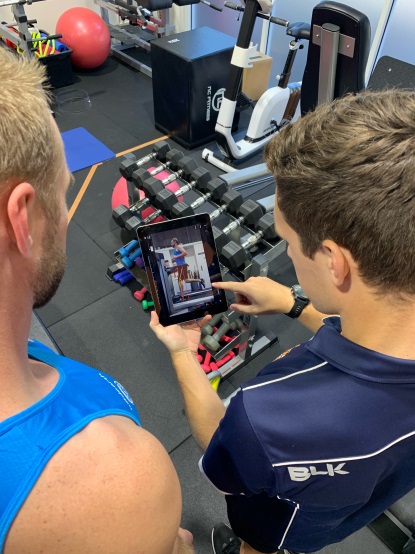
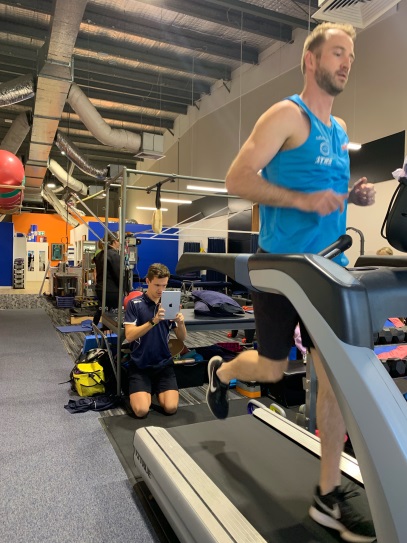
Our Running Assessments are performed by Gold Coast Running Physio, Kyle Weise from our Ashmore Clinic. They involve a thorough analysis of your Body and Running Technique on the Treadmill.

This is what is looks like:

Step 1
60min of Testing you in Key Area’s we know are important to successful running. Your Physio will take into consideration your running history & running goals. Assessment will include:

  • -Range of Movement specific to running
  • -Strength-endurance muscle testing needed for running
  • -Video Analysis of you running on a treadmill (so please bring clothes & shoes suitable to run in).

Step 2
Your Physio will put together a Testing Report with the testing values and information findings, & they will discuss these findings in context of what you can do to meet your running goals, needs & expectations from the Assessment. You will receive some recommendations on what will help you achieve your running goals.
Our Team will email you these results following your Assessment.

Step 3
Included with your Results, you will be emailed links to 2 Bonus ‘Be The Ultimate Runner’ Webinars. These Webinars will give you useful information & education about how to become Your Ultimate Best Runner.

Physio Health Fund Rebates may be available for this consult if you have Extra’s that cover Physio in your Private Health Insurance.

Step 4
A followup 45min Physio Consult is available to you to further discuss your individual running plan and program needs, and to monitor the effect of any strategies recommended from your Initial Assessment.
Your Physio will discuss with you the best timing for you to return for this consult, again taking into consideration your running goals.

This Consult is optional but if you Book this followup at the time of your Initial Run Assessment Consult, you will get 1 complimentary attendance to our Run Technique Clinic, held on the first Saturday of every month at 3pm at Pizzey Park Athletics Track in Miami. Physio Health Fund Rebates may also be available for this Consult*

As an option you can also Buy the Run Assessment Package upfront AND SAVE

If you pre-purchase both the Initial Run Assessment and the Followup as a package , you save 10% & will receive:

  • -The 60min Initial Run Assessment testing, results & recommendations
  • -The 45min Run Followup Consult to review further strategies, recommendations and re-test any measures you have been working on since the Initial Assessment.
  • -The 2 Bonus “Become The Ultimate Runner” Webinars full of information
  • -1 complimentary Run Technique Clinic
    Buying the package upfront saves you 10% plus gives you the Run Clinic attendance.

Health Fund Rebates for Physio may still be available to you when purchasing the Package upfront as we will give you a receipt to claim from your Health Fund after each consult.

For more information and costs, phone the clinic on 07 55006470.

Are you suffering from headaches?

Are you suffering from headaches?

June is National Migraine Awareness Month

If you suffer from really bad, throbbing headaches that cause you to go and lay down in a dark and quiet room until it passes, and after which you feel quite “wiped out” – you may be suffering from migraines. If you suspect that this is you, it is a good idea to see your Dr for diagnosis and medical management of these headaches.

Migraines are headaches of moderate to severe intensity which are usually one sided, are characteristically throbbing/pounding in nature, and most often will prohibit activity. Associated symptoms are light and noise sensitivity, nausea and vomiting. Some migraine sufferers have a type of migraine where they have a warning sign called an aura which they experience prior to the onset of the headache. Examples of auras: seeing zigzag lines, seeing stars/sparkles, coloured spots, flashes of light, blind spots, tunnel vision; tingling hands/feet.

Migraine sufferers often have neck pain too, which can be helped with Physiotherapy. While migraines are not caused by the neck, those who suffer from concurrent neck pain can benefit from treatment involving some manual therapy to the neck joints and neck soft tissues, as well as some therapeutic exercises.

We can also provide advice on lifestyle modifications, sleep hygiene, trigger identification, exercise, stress management etc which can help manage the migraines. A dietician can help with identifying foods that trigger your migraines or with a migraine friendly diet.

Did you know there is such a thing as a Vestibular Migraine?

Confusingly, vestibular migraine may or may not involve headaches in combination with vestibular symptoms such as vertigo, imbalance, and nausea.

These vestibular symptoms may last anything between 5 minutes and 72 hours. The episodes of vertigo can be spontaneous (where you feel like you are moving or that the environment around you is moving); occur after change in head position; occur during head motion; or be triggered by visual stimuli. At least 50% of episodes are associated with 1 of these 3 migraine features: headache (one sided; pulsating; moderate-severe intensity; aggravated by activity); sensitivity to light and sound; visual aura.

It is advisable to see a neurologist with an interest in migraines for medical management. They will help with diagnosis, medical management of an attack, preventative medication and advice. A vestibular physiotherapist can help you with education about migraines ( the more you know, the better), trigger identification and management; self- care during a migraine; habituation type exercises to reduce motion discomfort; exercise – like going for a walk out in nature for some “green time”; or return to exercise; and balance exercises if required etc. Your Physio can help to link you with the right medical people for example: GP, Neurologist or a Dietician.

Phone us on 07 5500 6470 for more info.

Bone Heath in the Adolescent Athlete – are you harming your future self?

Bone Heath in the Adolescent Athlete – are you harming your future self?

Bone Health in the Adolescent Athlete – are you harming your future self?

Written by APA titled Sports & Exercise & Musculoskeletal Physio Rick Bain

As an APA Titled Sports and Exercise Physiotherapist, I work with a lot of endurance athletes, both recreational and professional.  As a result, I am regularly (way more than I would like to) diagnosing and managing Bone Stress Injuries (BSI’s).  I see these injuries in a broad age spectrum, from adolescents to the middle aged.  Commonly, once a Bone Stress Injury has been diagnosed, it is also found that the athlete has less than normal Bone Mineral Density (BMD). BMD is often the main marker for bone health, and usually peaks in early adulthood when many athletes are reaching their peak of their athletic potential.  Ensuring adolescents reach their sporting goals whilst optimizing bone health can be a tricky balancing act.

The adolescent years are key for the development of bone health, with approximately 90% of peak bone mass being achieved by approximately 18 years of age.  Peak bone mass is a major predictor of long-term BSI/fracture risk (osteoporotic fractures).  Once athletes pass the adolescent phase, BMD decreases over time, so it is crucial that optimal BMD is reached before the end of adolescents for long-term bone health, and to minimize the incidence of BSI’s into the future.

What Influences Bone Mineral Density?

BMD is influenced by numerous modifiable and non-modifiable risk factors.  Engaging in weight bearing sports has been shown to be a protective factor in bone health in the general population, with athletes demonstrating up to 10% higher BMD than their non-athletic counterparts.  Adolescents who perform ball sports generally have a higher than average BMD, and adults with a history in ball sports appear to be protected from bone stress fractures in future sporting pursuits.  This is thought to be due to ball sports incorporating multi-directional, intermittent, weight bearing bone stimulus that is crucial for developing strong healthy bones.

In contrast, adolescents specialize into running or aesthetic sports (gymnastics, figure skating, diving), are at significantly higher risk of sub-optimal bone health, in part, due to high training loads and under eating/fueling for aesthetics,  leading to development of Relative Energy Deficiency in Sport (RED-S).  Some of the risk factors for low BMD include; genetics, diet, Relative Energy Deficiency in Sport (RED-S), smoking, inadequate skeletal loading (muscle strengthening), early sports specialization, and certain medications.

Relative Energy Deficiency in Sport (RED-S) presents a significant risk factor for low BMD in an adolescent, and hence an increased risk of Bone Stress Injury and osteoporotic fractures.  RED-S is where the body is not taking in enough energy (caloric intake) to meet the demands placed on it by the amount of exercise/training being performed.  Also known as “Low energy Availability”, this leads to not only insufficient energy for optimizing sports performance, but also insufficient energy to maintain optimal bone health development, among other wide ranging body functions.

Put simply: Energy Expenditure > Energy Intake = decreased energy availability

How do we investigate bone health in the adolescent athlete?

If investigation into bone health is indicated, an assessment by a Sports Physician is essential.  This will include taking a comprehensive history to screen for pertinent risk factors.  There are several blood tests indicated to assess for medical contributors to bone health, such as Calcium, Vitamin D, and bone turnover markers, among others.  Imaging via Dual Energy X-ray Absorptiometry (DEXA) measures Bone Mineral Density (BMD) and is matched with a healthy person of the same age and sex.

Level Definition
Normal BMD within 1 SD (+1 or −1) of the young adult mean.
Osteopenia BMD between 1 and 2.5 SD below the young adult mean (−1 to −2.5 SD).
Osteoporosis BMD 2.5 SD or below the young adult mean (−2.5 SD or lower).

Conclusion:

  • Peak BMD is achieved in in adolescents and these years are key in to achieve long term adequate skeletal heath. Adult athletes are at an increased risk of Bone Stress Injuries if the adolescent years pass without developing sufficient bone mineral density.  BMD is difficult to improve in adulthood.
  • Low BMD in adolescents often develops due to complex, multi-factorial relationships between medical risk factors, high training loads, and under-fueling.
  • Low BMD is an important diagnosis not to miss in the young athlete. In those with risk factors, a DEXA scan should be considered to investigate and potentially treat any immediate and long term fracture risk into adulthood.

Our Physio team is available for consult, for quick and easy booking go online www.mygcphysio.com  or call us during business hours on 07 5500 6470

Physio can help before you get injured, not just after.

By Running Physio, Kyle Weise

A common misconception about physio is that we are just here for when an injury and pain gets to the point that it limits your ability to function or participate in your hobbies &/or sporting pursuits. However, there is significantly more that Physio can offer you- whether you are experiencing a current injury or not.

What I tend to find in the clinic is someone will present with an injury, however, the information and planning we put in place even after the initial injury has settled to help improve function and performance in addition to reducing the risk of further injury are things that could be put in place before the initial injury is even present. I find the largest barrier to people realising this is how good we are at forgetting what it was like to be injured. This leaves us thinking we “will be fine” because everything is feeling good right now. Runners, I’m looking at you! Oh how quickly we forget what it was like to not be able to run.

So what can physio offer to someone who is not currently experiencing pain or injury?

Identify actual or potential training errors.

– When someone presents with an injury, I will also go through the person’s history and what they have been doing over recent times. The vast majority of the time, we will be able to find likely contributing factors to the current injury presentation. One of the most useful things we do as physios is help you understand why an injury has happened and help give you the knowledge as to why so that you will be able to identify things that will contribute to future injuries.

Identify physical weaknesses/imbalances

– Even though most people work quite hard on these areas, there are generally always things we can improve on. Identifying these areas before they potentially contribute to a future injury can be very useful at reducing your risk of future injury.

Identify other contributing factors

– There are numerous factors outside of just a particular activity which can increase your risk of suffering an injury or pain. Identifying these other factors can be very useful in reducing your risk of injury as they are often things you will not realise increase your risk of injury.

I want to make a note here that we cannot prevent injuries (and if anyone tells you this, ask them for the research to back this concept as we really have none!), however, we CAN reduce your risk of experiencing injury and we can certainly help your performance of activities of daily living, exercise or sports performance.

One of the common phrases that someone will say after we discuss all of the things they could have done better before they suffered their injury is, “I wish I knew this information earlier”.

The main reason I wanted to write this article is to you know that you CAN have access to this information and help NOW- BEFORE an injury stops you from doing the things you love.

Book an appointment now online www.mygcphysio.com.au or phone us on 07 55006470
My GC Physio News
Loading...