13/345 Southport-Nerang Rd, Ashmore Q 4214
12/110 Kortum Drive, Burleigh Heads Q 4220

“Mobility”- What does this really mean?

“Mobility”- What does this really mean?

Words by Massage/ Soft Tissue Therapist, Dougie Graham

Often overlooked by Personal Trainers and Athletic Coaches, or put to the bottom of the priority list for each of you individually, is “Mobility”.  Do you really know what “Mobility” refers to?  Do you understand if you are “Mobile”???

In particular, being “mobile” takes a back seat to strength, endurance, fat loss or diet when it comes to fitness. But mobility is incredibly important, and arguably should be number one on the list when it comes to fitness;

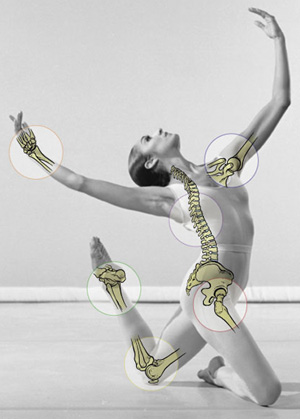
But What is “Mobility”?  mobility is an indication on how well and how efficiently we move.

Mobility is important for reducing our risk of injury and for improving our performance- improving how we perform in both everyday tasks and sports performance.  Moving with efficiency will reduce pain and reduce your risk of getting injured. Tasks will seem easier and the world will be a happy place when you have the right amount of mobility!

What is the difference between Flexibility and Mobility?

“Flexibility” refers to the ability of your soft tissue (muscles and other tissues) to stretch, or elongate.

Mobility is a term for the many elements that contribute to ease of movement within your full range of motion, including contribution from muscle tissues, fascia, joints, the joint capsules AND motor control (ie how your brain moves your muscles and the order you use these muscles).  Very simply, mobility= how you move, and flexibility= length of a muscle/tissues.

Mobility, or joint mobility, is the ability to move a joint through its full range of motion with control. So mobility is based on active movement and control of the movement. Mobility also requires brain input and strength to produce full-range movement, whereas flexibility is a passive assessment and does not require any strength.

Whilst stretching may help to temporarily improve static flexibility, mobility exercises are what will prepare your body to move more quickly and efficiently.

There are endless possibilities of exercises that constitute a mobility exercise, but the key is performing them well and making sure they are useful to the movements you use everyday, or in your exercise and sport- your Physio or Massage Therapist are best placed to help  you put together the best Mobility exercises for you to perform.

At Gold Coast Physio & Sports Health, our BeActive program incorporates lots of options for improving your Mobility. Find out more HERE and Be sure to incorporate mobility as part of your workout if not already doing so!


Worried About Your Active Child Rupturing their ACL (ligament) in Their Knee? Read How to Reduce Their Risk

Worried About Your Active Child Rupturing their ACL (ligament) in Their Knee? Read How to Reduce Their Risk

Written by Physio, Sam McLaren

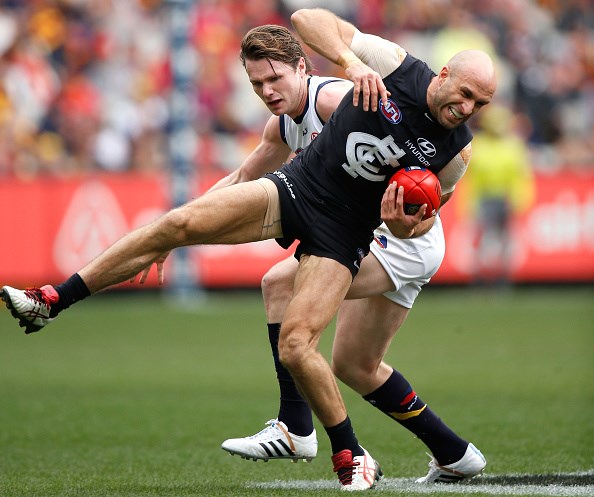
Anterior Cruciate Ligament (ACL) injuries were in the limelight again recently when three AFL players tore their ACL in the opening round of this year- equaling the most in a single round in the 28 years these injuries have been recorded. In the AFLW – superstar Erin Phillips had a second tear in her team’s Grand Final – the sixth for the year for the AFLW. Unfortunately for these players, and the hundreds of Australians who tear their ACL’s playing sport every week – their season of sport is over – with the rehabilitation process taking 9 to 12 months (at least) to return to sport.

Recent data also suggests that the rate of ACL injuries is growing, especially amongst our youth. This may have several negative consequences including further pain and dysfunction in later years, as well as reducing sport and exercise participation.

The What/Where/How and Why of the ‘ACL’ – A quick background

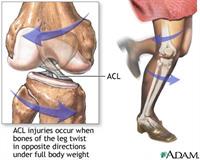
The ACL is a ligament (strong tissue that connects bones together) inside the knee which connects the thigh bone (femur) to the lower leg bone (tibia). It provides stability to the knee (stops the lower leg bone sliding forward and some rotational stability), and also has lots of little special cells inside it that send information subconsciously to the brain to tell it where the knee is and what it’s doing – providing information that helps the body contract muscle groups around the knee, also increasing stability. It is this lack of stability that makes it hard to return to sports that require sudden acceleration and deceleration, change of direction and landing (i.e. football, rugby league, soccer, netball etc.) after injury.

The ACL can be put under stress and rupture under several situations: contact (leg may get twisted and bent awkwardly in a tackle) and non-contact (generally changing direction quickly with the foot planted, or landing on the leg). The non-contact method is quite common and the one that researchers feel may be able to influence the rate of.

In elite sport in Australia, the vast majority of athlete’s will elect to undergo an ACL reconstruction surgery, with various methods and graft types used. In the long term, regardless of whether you elect to have surgery or not, individuals who tear an ACL are at increased of osteoarthritis and disability later in life (particularly if they also injure the meniscus at the same time).

First – The Bad News

The bad news is that the rate of ACL reconstructions in young Australians are increasing (from 2000-2015). In Australia between 2000-2015, there were nearly 200,000 ACL reconstructions performed, and:
● The annual incidence grew by 74% for those under 25
● Annual growth in incidence was greatest in the 5-14 year old group – 8.8% and 7.7% growth per year! ACL injury in this age group was previously rare.
● Young men (20-24) and women (15-19) have the peak incidence rates (2014-2015)

In another study, from a group of 140 patients under 20, 76% returned to their sport post-operatively, however 65% of those reported they could perform as well as prior to their injury. At a five year follow up, 48% of female and 54% of males were still playing level 1 (jumping, hard pivoting) sports.

The Good News

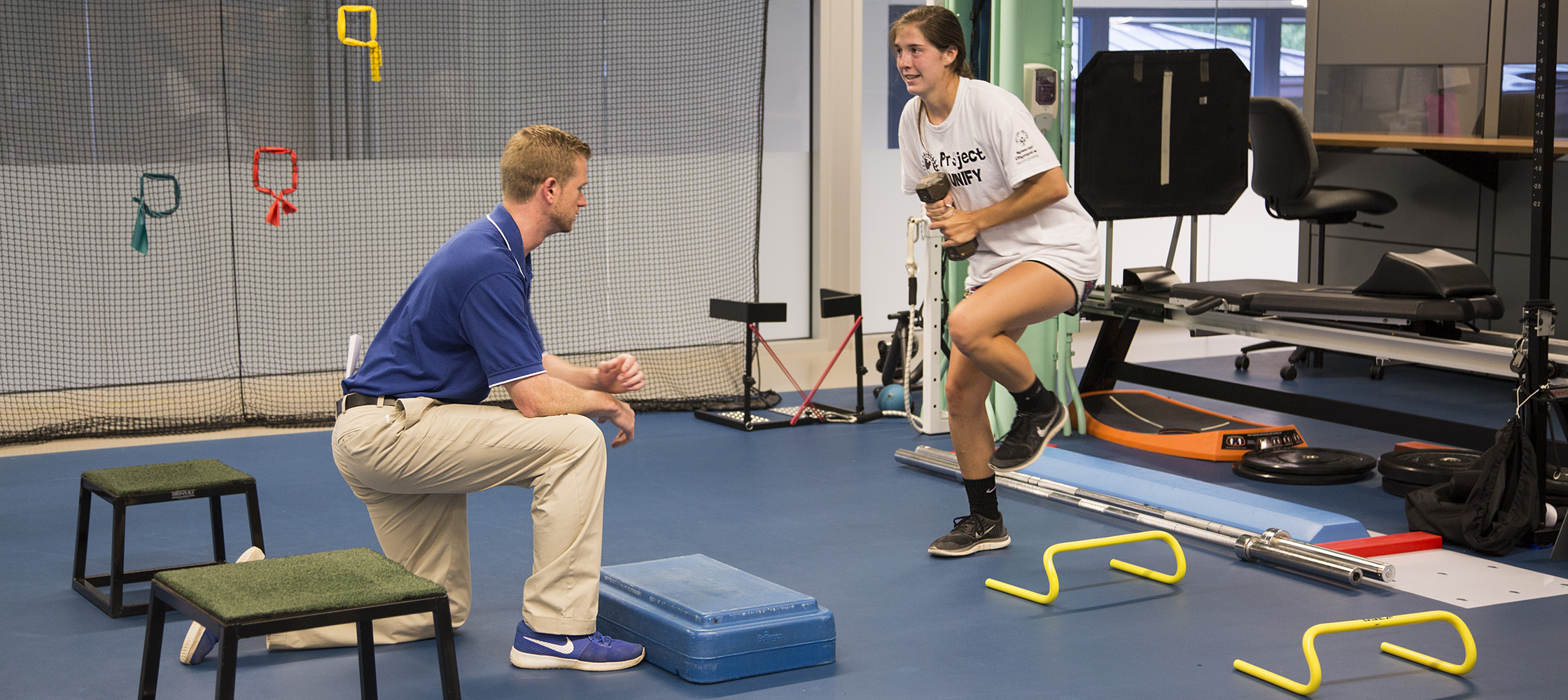
The good news is that the risk of non-contact ACL injuries can be reduced with a movement preparation program that focuses on strength, neuromuscular control, practicing movement patterns (stopping and starting, change of direction and landing) and balance. The most studied population around this is the FIFA 11+ program which- when conducted as a warmup before training twice per week- can significantly reduce non-contact injuries by up to 50%.

The warm up in this is simple, doesn’t need equipment and can be easily be implemented by team coaches. Whilst most of the studies have focused on soccer, it has also been used by others sports such as basketball to reduce their injury risk.

To find out more about the FIFA 11 program+ Manual, book an appointment with your Physio to discuss and Review this.

There are also several other great programs that have been developed for other sports – again please ask your Physio in clinic for details around these

Netball – The KNEE Program

AFL (Women’s, but would also be great for Men) – Prep-to-Play

These programs SHOULD become the norm for all recreational and amateur sporting teams – so if your or your child’s team warm up doesn’t look like quite right, then ask your coach if he/she knows about the FIFA11+!

The team at Gold Coast Physio & Sports Health are also highly experienced managing the rehabilitation of ACL injuries from the acute phase right through to the return to sport, and we have the facilities on-site to be able to do so.

Give us a call if you would like us to help you return to your sport of choice as strong, confident and fit as possible.

Sam McLaren
Physiotherapist
Top Dietitian Tips to gain Lean Mass!

Top Dietitian Tips to gain Lean Mass!

By Eatsmart Nutrition Consultants

Been working hard at the gym? Don’t feel like you are getting any stronger? Not seeing the results you are after? Maybe you need some nutrition advice to help with gaining lean mass?

We have all heard that fitness is 30% exercise or training, and 70% nutrition. And that is 100% right. You can train as hard as you are physically able to, though won’t see physical results if you do not fuel or re fuel your body appropriately.

So here are out top tips for gaining lean mass:

  • Eat at least 4-6 meals/snacks per day – you need to take in more kilojoules from food and drink than you expend or burn.
  • Include some protein at each meal and snack to assist muscle maintenance and growth.
  • Before any training session, have a carbohydrate based snack.
  • After completing every training session, you need carbohydrates for recovery, plus protein to provide amino acids for growth and repair.
  • A great option for immediately after a strength/resistance session would be 20-25g of whey protein (fast absorbing). Carbohydrate to complement this could come from adding milk to the whey protein or by including a carbohydrate food as a snack or within your meal.
  • Have a big glass of milk (400ml) before bed to help build muscle overnight – this provides a slow release source of protein.
  • Make use of all your fluids – instead of drinking only water, maybe have an extra milk drink.
  • Make sure that your diet is still not too high in saturated fat, so that you don’t gain extra body fat.  But you certainly don’t need to be on a ‘no fat’ diet! Healthy fats (good oils, avocado, nuts and seeds etc) may be included to add extra kilojoules as well other important nutrients.
  • Last but not least…. unfortunately you have to ensure you are training hard!!!


If you need help with this planning, visit one of the Eatsmart Dieitians consulting at Gold Coast Physio & Sports Health, ph 07 5500 6470

eating for recovery at gold coast physio sports dietitian
strength training recovery gold coast sports dietitian physio massage

The Power of Positive Thinking

The Power of Positive Thinking- you CAN change your brain

By Sports & Performance Psychologist of Summit Performance Psychology, Abra Garfield

Many folk are skeptical about the power of positive thinking – but the truth is, you CAN change the wiring of your brain so you act, think and feel more positive in the face of challenge and adversity!

Regardless of your life situation, embracing positive psychology – acting and thinking more positively – will lead to productivity and success. You will translate problems into challenges, and weaknesses into strengths, through greater flexibility of mind and problem solving.positive thinking sports psychology gold coast

How Positive Thinking can help you Achieve

It is possible – if you’re willing to put in some work. Incorporating some of the ideas behind positive psychology into your daily life, can have a dramatic effect in terms of increasing your positive behaviour and thinking.

This in turn can significantly improve your:

  • emotional wellbeing;
  • resilience;
  • confidence;
  • productivity; and
  • motivation in your life goals.

It’s proven that the mind works a lot better when we are optimistic and positive about the future and our present moment. Many believe that sacrificing happiness now for future success is worth it. Unfortunately they are wrong, because it is the other way around – happiness leads to success.

Read the below and decide for yourself.

The first three methods are “behavioural” methods, as they focus on behaviour-based programs or techniques that help re-wire the mind to see the world through a more positive lens.

The final two are considered “mental” methods, as they work at a thinking level to increase our likelihood of responding to events in a positive way.

Both behavioural and mental methods can have beneficial effects on our emotional wellbeing, but you might find you are personally more affected by one or the other. Explore and enjoy with an open mind, and an acknowledgement that many of the ideas below require practice and skill building for you to really access long-term benefits.

Read the Full Article Here

If you would like to book a consultation to access Positive Psychology support, contact me at Gold Coast Physio & Sports Health, ph 07 5500 6470 or book online www.mygcphysio.com.au 

Osgood-Schlatters Knee Pain in active Kids

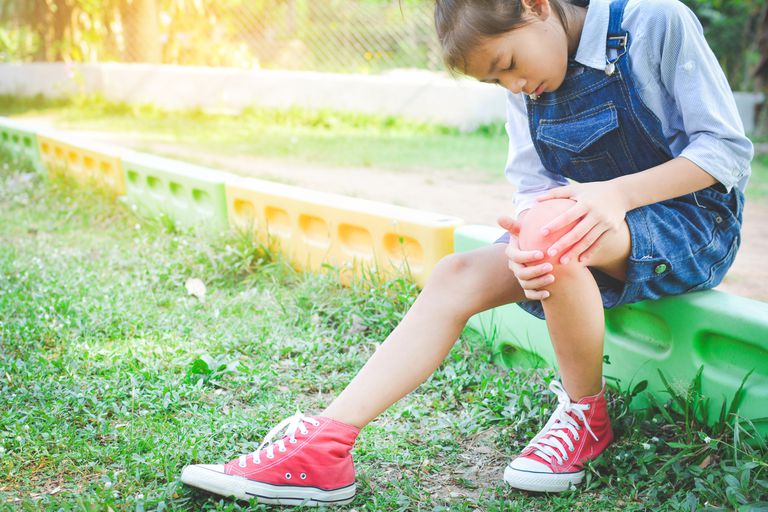
Are your kids complaining of sore knees? Osgood-Schlatters Knee Pain in active Kids

By Physio, Ashlee Insch

Children and adolescents go through many growth spurts as they grow into young adults, which means their bones and muscles have to get longer and stronger. Many of our children are very active through school sport and club sport, which means their bones, and growth plate areas take a lot of load/force on a regular basis.

A really common growing injury we see at Gold Coast Physio & Sports Health- more so in our younger boys (typical age 11-15), compared to young girls (typical age 8-13)- is ‘Osgood-Schlatters’ at the knee.

What is Osgood-Schlatters?

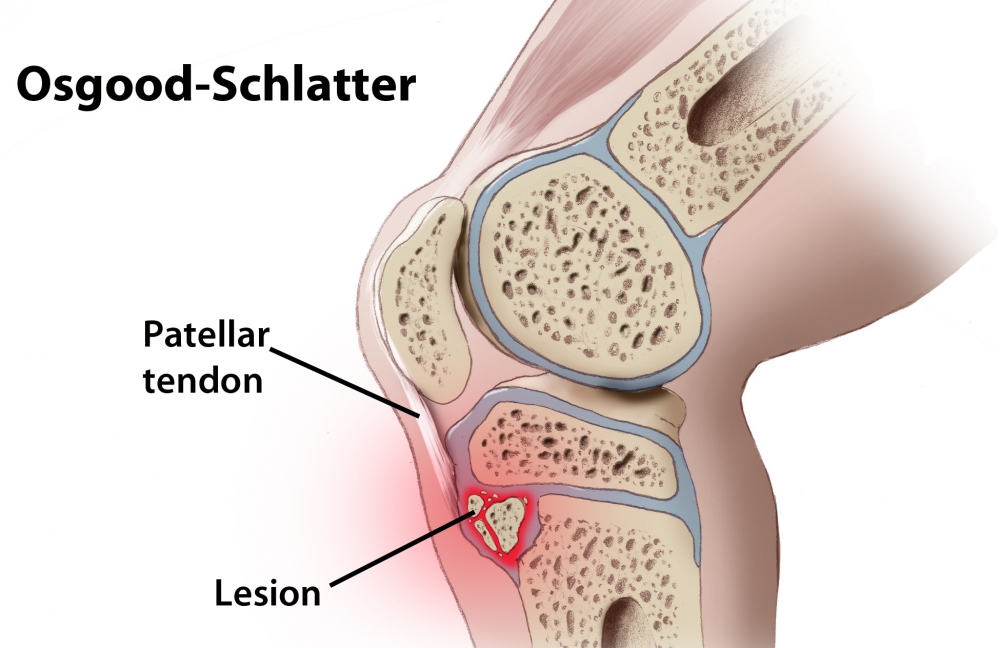
Osgood-Schlatters is a growing disorder involving the top of the shin bone (the tibia), where our quadricep muscles and patella tendon attach on the tibia bone (the apophysis)- this area of tibia bone is an unclosed growth area in kids.  Repeated traction on this growth area can cause bone injury (and likely an inflammatory process) resulting in pain just below the knee when a child is doing activities such as running, jumping, stair climbing, or even walking when severe, and other activities that put too much stretch through our quads muscle in our thigh.

What will a Child with Osgood-Schlatters complain of?

We typically see younger children complaining of specific to the knee region, in particular just below the knee where the tibial apophysis is (the attachment of the patella tendon).

Pain will be worse with exercise (particularly running & jumping & climbing) and activities that contract or stretch the quads.  Pain will usually settle when exercising stops.  The apophysis will be tender to push on, and your child may also complain of pain when kneeling.

In the later stages of presentation there can be a ‘lump’ present and sometimes quadriceps muscle weakness.

It usually occurs with a history of recent rapid growth in children, or where sport and exercise has significantly increased – for example, a child may play school rugby but then makes the rep team so training and games increase significantly during the week, or a child that loves basketball may also make the school running team and have training for both sports during the week.

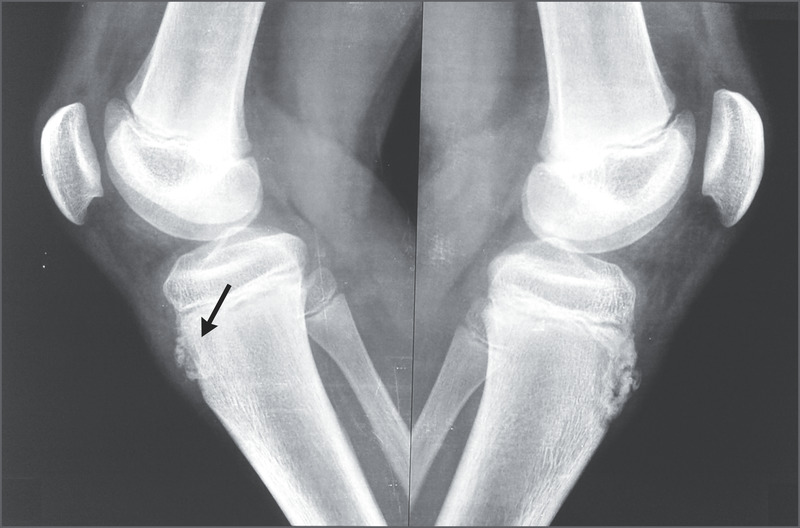
An xray or MRI are not usually necessary for diagnosis unless another type of bony fracture is suspected.  If an xray is taken, you will see a “mottled” presentation of the bone at the site of the apophysis where the pain is coming from.

So what can we do to help settle the pain and get our children back playing sport pain free?

If we are seeing an early, mild reaction, pain can typically settle in a few days with rest from aggravating activities.

If pain is more marked or has been present for longer, we would advise a Physio consult to plan full management, including modification to training, and advice around time-frames of resolution.

Osgood-Schlatters will always resolve, but sometimes it may take many months for the pain to settle if activity/exercise is excessive for the period of child growth and state of bony injury.

So what does management involve?

  • Advice around the use of Ice
  • Reduction or ceasing impact activities until pain resolves
  • Progression from basic strengthening to then using strengthening specific to the sports demands, to then incorporating sport specific exercises
  • Appropriate stretching, foam roller use or trigger point release work
  • Osgood Schlatter syndrome runs a self-limiting course, and usually complete recovery is expected with closure of the tibial growth plate (apophysis). Overall prognosis for Osgood Schlatter syndrome is good, except for some discomfort in kneeling and activity restriction in a very few cases.

Why see your local physiotherapist?

The Sports Physio’s at Gold Coast Physio & Sports Health are able to quickly and clinically diagnose Osgood Schlatter’s based on your child’s history and presentation. We can then tailor a specific plan for your child, and liaise with their coach if needed. We consider what your Child’s needs and sport demands are, and what you and your child aim to achieve with sport or exercise based on their age.  We will provide the best rehabilitation plan possible.

Phone 07 5500 6470 for an appointment.

Loading...