13/345 Southport-Nerang Rd, Ashmore Q 4214
12/110 Kortum Drive, Burleigh Heads Q 4220

Joyful Movement

Joyful Movement

Joyful Movement – Casey James Sports Dietitian
BHlthSc (Nut&Diet); BAppSci (HMS) 

We can’t deny the evidence that our bodies are designed to move. Physical activity has been shown to have far reaching benefits for prevention of disease, mental health and social well being. But what if we don’t like exercise? What if our only relationship with exercise has been for weight loss? What if we use exercise to punish our bodies for not looking different?

Most people who exercise just for weight management or even just health reasons find it unsustainable, demotivating and stressful. Which is missing the whole stress relieving benefit! Now you may have heard Eat Smart Nutrition have a new service called Project EAT, which aims to improve our relationship with food, but also with physical activity. We need to look at moving our bodies from a different perspective.

Take a moment to reflect on what you are looking for in movement?

Socialising with others- e.g. group training, classes or team sports
Time alone- running, swimming, yoga
Nature or fresh air- bush walking, beach jogging, adventure trails
Productivity- cleaning, gardening, walking for transport
Creativity- dancing
Stress relief- any movement!

If there is a movement that brings you joy in any way, do that. If we enjoy something, we are far more likely to repeat it. We don’t need to get sweaty or sore to benefit from movement. In fact, it is inactivity- not moving for prolonged periods of time that leads to health problems. If you have a medical condition that impacts the way you move, see an Exercise Physiologist to help find out movement that is safe for you. Many conditions that make movement difficult actually improve with (safely planned) movement. This includes arthritis and chronic pain.

So, once you start moving, what is the best thing to eat before and after movement? Glad you asked! If you’re moving for over an hour you will benefit from a carbohydrate based snack in the 1-2 hours prior. This will provide your moving muscles with fuel to work efficiently, and enough energy to complete the activity without fatigue. Common choices include:

Fruit
Crackers
Popcorn
Smoothie
Sushi
Sandwich

After movement, our muscles will repair and adapt best if we have a snack within 30 mins containing both protein and carbohydrate.

For example:

Yoghurt + fruit
Sandwich with meat, cheese or peanut butter
Tuna + rice/crackers
Smoothie with milk, fruit + yoghurt
Flavoured milk
If you feel like you need more ideas, see our Eat Smart Dietitian.

Happy moving ?

 

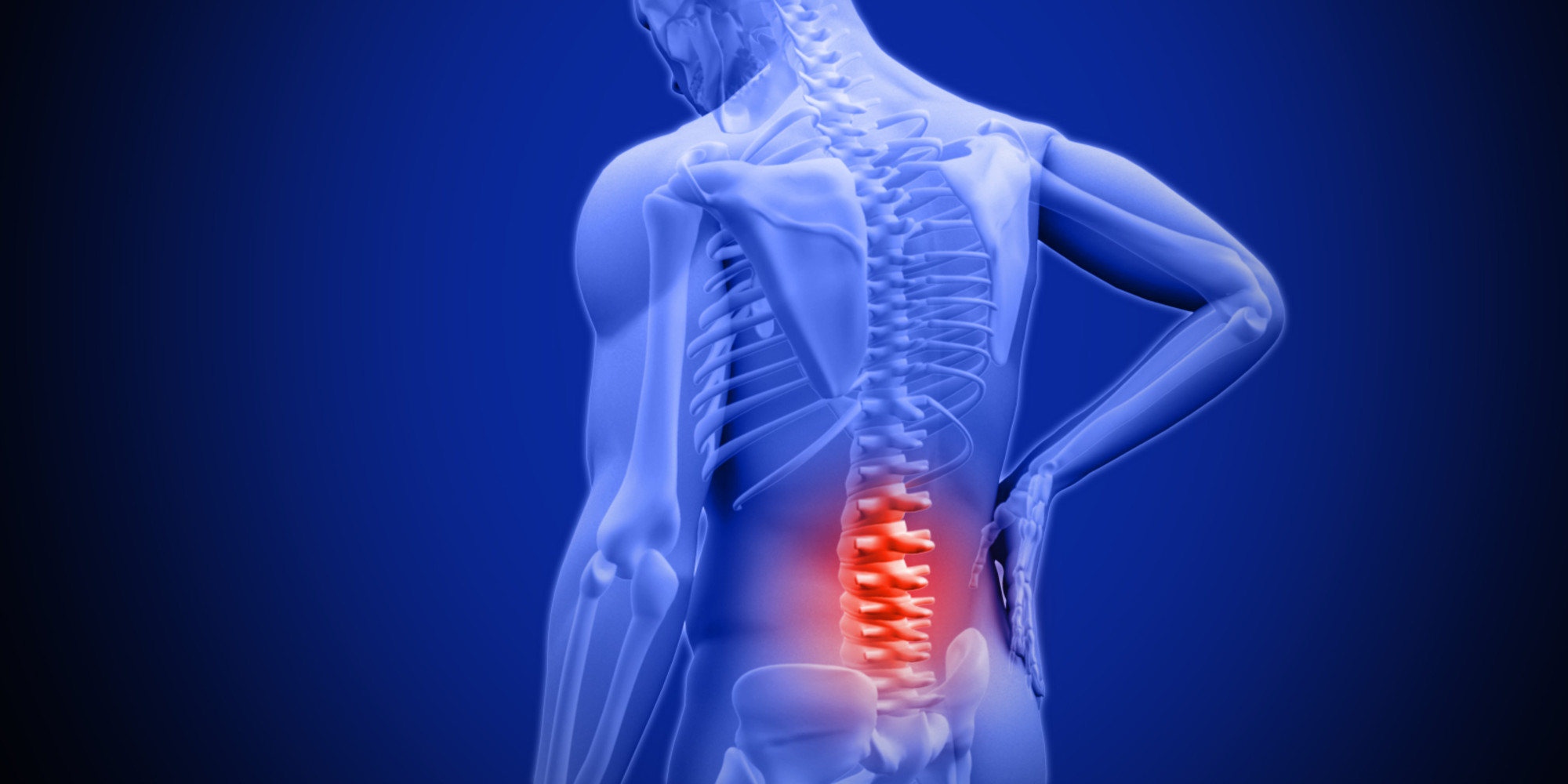
National Institute for Health Care & Excellence (NICE) Low Back Pain Guidelines

Low back pain and sciatica in over 16s: assessment and management

NICE guideline [NG59] Published date: 

This guideline covers assessing and managing low back pain and sciatica in people aged 16 and over. It outlines physical, psychological, pharmacological and surgical treatments to help people manage their low back pain and sciatica in their daily life. The guideline aims to improve people’s quality of life by promoting the most effective forms of care for low back pain and sciatica.

Recommendations

This guideline includes recommendations on:

Key Points

Exclude specific causes of low back pain, for example, cancer, infection, trauma or inflammatory disease such as spondyloarthritis

Consider using risk stratification (for example, the STarT Back risk assessment tool) at first point of contact with a healthcare professional for each new episode of low back pain with or without sciatica to inform shared decision-making about stratified management.

Consider using risk stratification (for example, the STarT Back risk assessment tool) at first point of contact with a healthcare professional for each new episode of low back pain with or without sciatica to inform shared decision-making about stratified management.

Consider imaging in specialist settings of care (for example, a musculoskeletal interface clinic or hospital) for people with low back pain with or without sciatica only if the result is likely to change management.

Non-pharmacological interventions

Self-management – tailored advice & education. Encouragement to continue with normal activities.

Exercise – Consider a group exercise programme (biomechanical, aerobic, mind–body or a combination of approaches)

Orthotics & Braces- do not recommend

Manual Therapies – Consider manual therapy (spinal manipulation, mobilisation or soft tissue techniques such as massage) for managing low back pain with or without sciatica, but only as part of a treatment package including exercise, with or without psychological therapy. DO NOT offer Traction

Acupuncture -Do not offer acupuncture

Electrotherapies – do not offer Ultrasound, Tens, Pens or Interferential

Psychological therapy -Consider psychological therapies using a cognitive behavioural approach for managing low back pain with or without sciatica but only as part of a treatment package including exercise, with or without manual therapy

Return-to-work programmes -Promote and facilitate return to work or normal activities of daily living

Pharmacological interventions

See Here

Non-surgical interventions

Spinal injections – Do not offer spinal injections for managing low back pain.

Radiofrequency denervation -Consider referral for assessment for radiofrequency denervation for people with chronic low back pain when:

  • non-surgical treatment has not worked for them and the main source of pain is thought to come from structures supplied by the medial branch nerve and they have moderate or severe levels of localised back pain (rated as 5 or more on a visual analogue scale, or equivalent) at the time of referral.
  • Only perform radiofrequency denervation in people with chronic low back pain after a positive response to a diagnostic medial branch block.

Do not offer imaging for people with low back pain with specific facet join pain as a prerequisite for radiofrequency denervation.

Epidurals -Consider epidural injections of local anaesthetic and steroid in people with acute and severe sciatica. Do not use epidural injections for neurogenic claudication in people who have central spinal canal stenosis.

Surgical interventions

Surgery and prognostic factors -Do not allow a person’s BMI, smoking status or psychological distress to influence the decision to refer them for a surgical opinion for sciatica.

Spinal decompression – Consider spinal decompression for people with sciatica when non-surgical treatment has not improved pain or function and their radiological findings are consistent with sciatic symptoms.

Spinal fusion -Do not offer spinal fusion for people with low back pain unless as part of a randomised controlled trial.

Disc replacement – Do not offer disc replacement in people with low back pain.

RACGP Guidelines for the Management of Hip & Knee OA

RACGP Guidelines for the Management of Hip & Knee OA

Full Guide here

Key Summary

Lifestyle:
• Regular exercise is important for relieving pain and improving function in people with knee and/or hip OA. For knee OA, land-based exercise such as muscle strengthening exercises, walking and Tai Chi are strongly recommended. Other land-based exercise that could be considered for some people with knee OA include stationary cycling and Hatha yoga. The best land-based exercise for people with hip OA could not be determined because of limited research. Aquatic exercise may be considered for some people with knee and/or hip OA.
• Weight management is strongly recommended for people with knee and/or hip OA who are overweight or obese.

Non-drug treatments:
• Cognitive behavioural therapy (CBT) could be considered for some people, particularly in conjunction with exercise, and taking into account existing mental health conditions, personal preference, cost and access.
• Heat packs or hot water bottles may be applied as a self-management strategy.
• Using a cane or other devices (eg walker, crutches) may be appropriate for some people with knee and/or hip OA to help improve pain, mobility and balance.
• A short course of manual therapy or massage could be considered for some people with knee and/or hip OA as an adjunct to lifestyle management.
• Transcutaneous electrical nerve stimulation (TENS) that can be used at home may be appropriate for some people with knee and/or hip OA.
• There is a conditional recommendation against the following treatments (refer to Section 3. Recommendations for an explanation on conditional recommendation)
– therapeutic ultrasound
– shockwave therapy
– laser therapy
– interferential therapy
– footwear marketed for knee OA
– cold therapy
– valgus braces and lateral wedge insoles for medial knee OA
– patellofemoral braces
– kinesio taping.

Due to a lack of high-quality evidence, no recommendation can be made for the following
– formal self-management programs
– varus unloading braces and medial wedge insoles for lateral knee OA
– shock-absorbing insoles
– arch supports
– patellar taping
– pulsed electromagnetic/shortwave therapy.

Medication:
• Nonsteroidal anti-inflammatory drugs (NSAIDs; eg ibuprofen), taken orally at low doses for short periods are recommended for some people with knee and/or hip OA. Monitoring for possible adverse effects of the drugs is necessary.
• Although there is no recommendation either for or against NSAIDs applied locally to the skin, it may be reasonable to trial topical NSAIDs for a short period, with monitoring of possible adverse effects, then discontinue use if not effective.
• Although there is no recommendation either for or against paracetamol, it may be reasonable to trial paracetamol for a short period in some people with knee and/or hip OA, with monitoring of possible adverse effects, then discontinue use if not effective.
• Corticosteroid injections could be offered for short-term symptom relief for some people with knee and/or hip OA, but care should be taken with repeated injections because of potential harm.
• Duloxetine could be considered for some people with knee and/or hip OA when other forms of pain relief are inadequate.
• There is a strong recommendation against the use of the following
– oral and transdermal opioids
– viscosupplementation injection for hip OA
– doxycycline
– strontium ranelate
– interleukin-1 (IL-1) inhibitors
– stem cell therapy.

There is a conditional recommendation against the use of the following
– capsaicin for knee and/or hip OA
– bisphosphonates
– calcitonin
– anti-nerve growth factor (NGF)
– colchicine
– methotrexate
– viscosupplementation injection for knee OA
– dextrose prolotherapy
– omega 3 fatty acids
– diacerein.

Due to a lack of high-quality evidence, no recommendation can be made for the following
– injections of platelet-rich plasma (PRP)
– nonsteroidal anti-inflammatory creams applied locally
– capsaicin for hip OA
– collagen
– methylsulfonylmethane.

Complementary and alternative therapies, and nutraceuticals:
• The following complementary and alternative therapies should not be offered
– glucosamine and chondroitin nutraceuticals
– vitamin D
– acupuncture.

• Due to a lack of high-quality evidence, no recommendations can be made about the following herbal supplements
– avocado/soybean unsaponifiables (ASU)
– Indian frankincense (Boswellia serrata extract)
– turmeric
– pine bark extract.

Surgical interventions:
• There is a strong recommendation against surgery such as arthroscopic lavage and debridement, meniscectomy and cartilage repair for people with knee OA, unless the person also has signs and symptoms of a ‘locked knee’.

GP Updates in Summary on Management of MSK Conditions

GP Updates in Summary on Management of MSK Conditions

[siteorigin_widget class=”WP_Widget_Media_Image”][/siteorigin_widget]

Guidelines for the Management of Low Back Pain

National Institute for Care & Excellence (NICE) recommendations for assessment & management of Low Back Pain & Sciatica in over 16’s – Read Here

Key Points

  • Exclude specific causes of low back pain, for example, cancer, infection, trauma or inflammatory disease such as spondyloarthritis
  • Consider using risk stratification (for example, the STarT Back risk assessment tool)
  • Avoid routine imaging
  • Consider Self Management, exercise programs, Manual Therapies – Consider manual therapy (spinal manipulation, mobilisation or soft tissue techniques such as massage) for managing low back pain with or without sciatica, but only as part of a treatment package including exercise, with or without psychological therapy.
  • Promote and facilitate return to work or normal activities of daily living
  • DO NOT offer Traction, Braces, Orthotics, Electrotherapies, Acupuncture
  • Spinal injections – Do not offer spinal injections for managing low back pain.
  • Consider Radiofrequency denervation, Epidurals under some circumstances
  • See more regarding Surgical Intervention & Pharmacology Options
[siteorigin_widget class=”WP_Widget_Media_Image”][/siteorigin_widget]

Shoulders

Rotator Cuff Shoulder Pain- to inject or not
J Orthop Sports Phys Ther 2019;49(5):289-293. doi:10.2519/jospt.2019.0607
Key Points
• As a result of a paucity of high-quality research in this area, it is not possible to make strong recommendations regarding the type, location, and technique of injection therapy in the management of Rotator Cuff Related Shoulder Pain (RCRSP).
• There is no clear consensus on the possible negative effects of corticosteroid injections on rotator cuff tissue.
• When compared to local anesthetic injections alone, corticosteroid injections may provide mild short-term pain relief for some patients with RCRSP. There is no evidence to suggest a difference between injection
types in the mid to long term.

[siteorigin_widget class=”WP_Widget_Media_Image”][/siteorigin_widget]

RACGP Guidelines for hip and knee OA management, Second Edition

Full Guide Here
Key Points Summary
Lifestyle:
• Regular exercise is important for relieving pain and improving function in people with knee and/or hip OA. For knee OA, land-based exercise such as muscle strengthening exercises, walking and Tai Chi are strongly recommended. Other land-based exercise that could be considered for some people with knee OA include stationary cycling and Hatha yoga. The best land-based exercise for people with hip OA could not be determined because of limited research. Aquatic exercise may be considered for some people with knee and/or hip OA.
• Weight management is strongly recommended for people with knee and/or hip OA who are overweight or obese.

Non-drug treatments:
• Cognitive behavioural therapy (CBT) could be considered for some people, particularly in conjunction with exercise, and taking into account existing mental health conditions, personal preference, cost and access.
• Heat packs or hot water bottles may be applied as a self-management strategy.
• Using a cane or other devices (eg walker, crutches) may be appropriate for some people with knee and/or hip OA to help improve pain, mobility and balance.
• A short course of manual therapy or massage could be considered for some people with knee and/or hip OA as an adjunct to lifestyle management.
• Transcutaneous electrical nerve stimulation (TENS) that can be used at home may be appropriate for some people with knee and/or hip OA.
• There is a conditional recommendation against the following treatments (refer to Section 3. Recommendations for an explanation on conditional recommendation)
– therapeutic ultrasound, – shockwave therapy, – laser therapy, – interferential therapy, – footwear marketed for knee OA, – cold therapy, – valgus braces and lateral wedge insoles for medial knee OA,
– patellofemoral braces, – kinesio taping.

Due to a lack of high-quality evidence, no recommendation can be made for the following
– formal self-management programs, – varus unloading braces and medial wedge insoles for lateral knee OA, – shock-absorbing insoles, – arch supports, – patellar taping, – pulsed electromagnetic/shortwave therapy.

Surgical interventions:
• There is a strong recommendation against surgery such as arthroscopic lavage and debridement, meniscectomy and cartilage repair for people with knee OA, unless the person also has signs and symptoms of a ‘locked knee’.

Read Summary Here

[siteorigin_widget class=”WP_Widget_Media_Image”][/siteorigin_widget]

Diagnosis, treatment and prevention of ankle sprains: update of an evidence-based clinical guideline

Full Guide Here
Key Points Summary that are New in this update:
-Participation in certain sports is associated with a heightened risk of sustaining a lateral ankle sprain.
-Care should be taken with non-steroidal anti-inflammatory drugs (NSAIDs) usage after an ankle
sprain. They may be used to reduce pain and swelling, but usage is not without complications and NSAIDs may suppress the natural healing process.
-Concerning treatment, supervised exercise-based programmes preferred over passive modalities as it stimulates the recovery of functional joint stability.
-Surgery should be reserved for cases that do not respond to thorough and comprehensive exercise-based treatment.
-For the  prevention of recurrent lateral ankle sprains, ankle braces should be considered as an efficacious option.

[siteorigin_widget class=”WP_Widget_Media_Image”][/siteorigin_widget]

Carpal Tunnel Syndrome: Clinical Practice Guidelines

Summary, Cochrane Review & Clinical Practice Guidelines Linked to the International Classification of Functioning, Disability and Health From the Academy of Hand and Upper Extremity Physical Therapy and the Academy of Orthopaedic Physical Therapy of the American Physical Therapy Association. J Orthop Sports Phys Ther. 2019;49(5):CPG1-CPG85. doi:10.2519/jospt.2019.0301
Here

[siteorigin_widget class=”WP_Widget_Media_Image”][/siteorigin_widget]

BPPV Benign Paroxysmal Positional Vertigo: GP Summary

A Summary of Diagnosis, Assessment & Treatment of Benign Paroxysmal Positional Vertigo: HERE.

By Helen Sibbald– a Physio with special interest in Vestibular & Cervical Spine Management & Rehab

Link for the Consensus document of the Committee for the Classification of Vestibular Disorders of the Bárány Society -BPPV:    Here

[siteorigin_widget class=”WP_Widget_Media_Image”][/siteorigin_widget]

Hip Pain: Femoracetabular Hip Pain Syndrome (FAI Syndrome)

A Summary of Diagnosis, Assessment & Treatment for Femoracetabular Hip Pain Syndrome (FAI Syndrome) 

What happens when a Cyclist gets Knee Pain?

What happens when a Cyclist gets Knee Pain?

By Sports Physio, Rob Brown (ex-Physio to Orica Green-Edge Pro Cycling Team & 2019- Gold Coast SUNS AFL Sports Physio)

What do you call a runner with knee pain? A cyclist…

So what happens when a cyclist gets knee pain??????

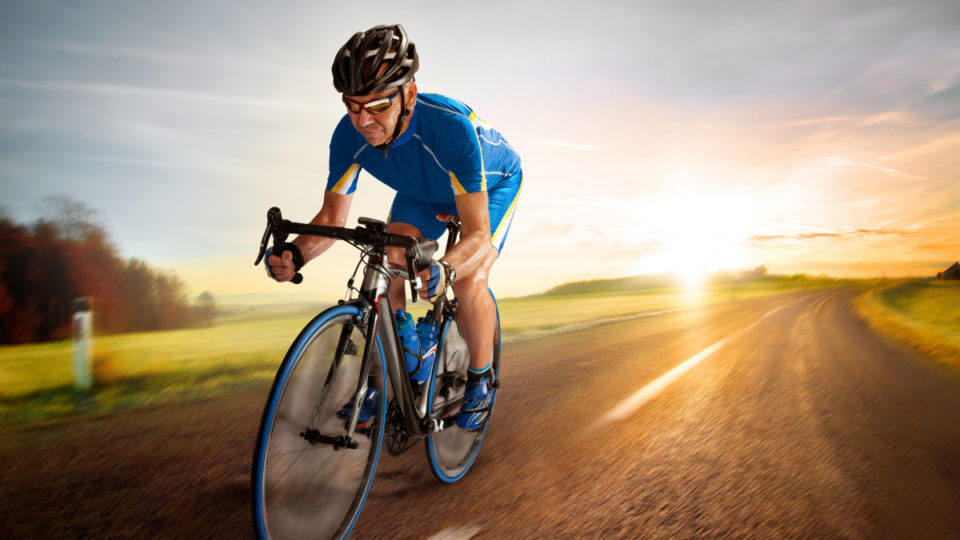
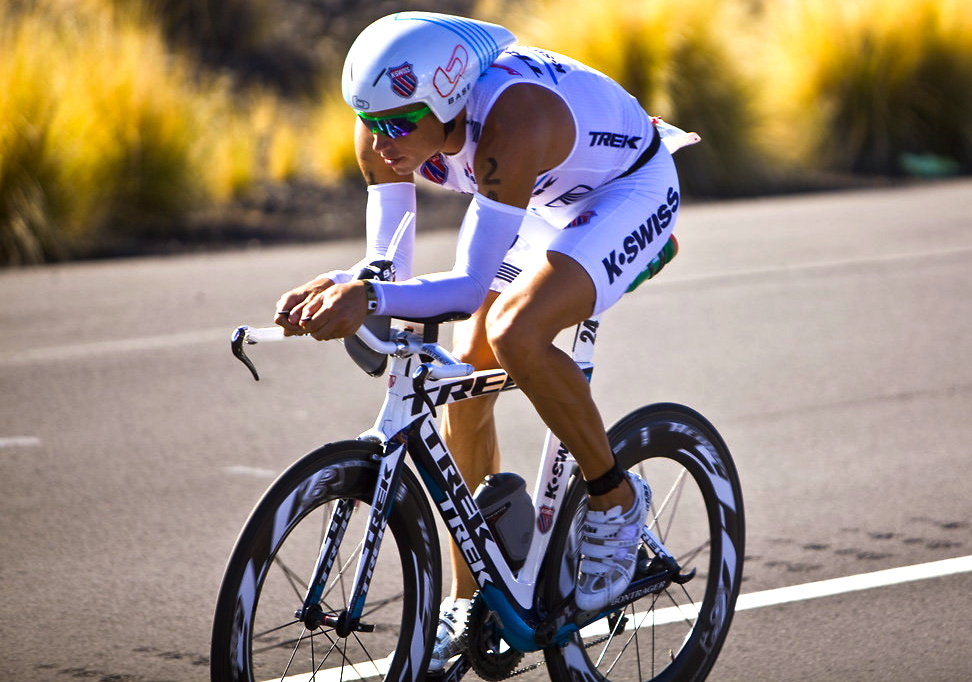
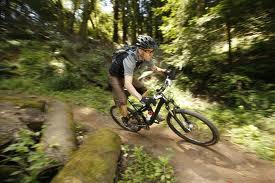
Anterior (front) knee pain is one of the most common reasons why both professional and amateur cyclists seek Physio & medical care, accounting for 32% – 60% of all overuse injuries in cyclists.  It occurs in Road Cyclists, Time Trial-lists, Triathletes & Mountain Bikers.

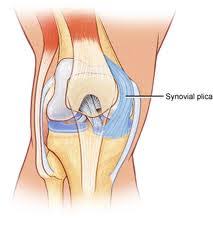
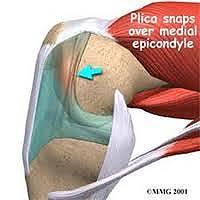
The force at the foot during cycling is only 17-19% of the vertical force during running, meaning the major contributor to anterior (front) knee pain in cyclists is repetition. The repetitive flexion (bend) and extension (straightening) of the knee during 1000s of revolutions can irritate soft tissues surrounding the knee cap and knee joint, as they slide over the inside aspect of the thighbone (figures 1 &2). Irritation of these soft tissues may also arise secondary to acute trauma, for example landing directly on this area during a crash causing inflammation and scaring.

Cycling related anterior knee pain usually presents with a superficial, dull ache locally in the front inside aspect of the knee. Pain is often accompanied by a snapping or clicking sensation under the knee-cap and/or over the medial aspect of the thigh bone. There may also be palpable thickening and tenderness of these soft tissues over the medial aspect of the thighbone when you flex and extend the knee. There may also be a small amount of swelling/puffiness in the region.

Imaging (MRI, Ultra sound) usually reveals nothing but may be useful in excluding other pathology.

What Treatment is needed?

Initial treatment involves pain relief and reduction of inflammation with icing massage of the quadriceps and limiting aggravating activities helping in the acute stage. Anti-inflammatory medication and/or a cortisone injection may be indicated after consultation with your Sports Doctor (we have one consulting from clinic). Once the acute pain and inflammation has settled (usually 2-3 days) it is time to address the causative factors and initiate a gradual return to cycling.

The next phase of correction usually includes:

1. A BikeFit– A bike position with the seat too low or too far forward may cause an increased knee flexion angle placing overload on the quadricep muscles and increasing tension on the front aspect of the knee. Only a small error in Bike position with lots of repeated revolutions can still become a significant cause of pain. Cleat position is also critical for making sure your thigh and shank track in the correct plane during your pedal stroke to reduce overload at the pivot point in the middle- ie your knee.

2. Off the bike – Improving movement patterns and control of the whole lower limb is essential in managing anterior knee pain. In terms of muscle activation, reliance on the quadriceps to supply power to the pedal will lead to an overload at the knee, and likely pain. Training the hip (gluts) and ankle (calf) to contribute more optimally to the pedal cycle (particularly during the power phase) will contribute to more effective and efficient loading through the entire lower limb, preventing dominance of the quads and knee and eliminating pain.
Some of the best exercises to achieve this are:
– Bridges
– Squats
– Calf raises
– Lunges
– Step-ups.

3. Technique Cues – Reduced lower limb control in muscles may result in your knee coming inwards towards your top tube and/or your thigh rotating inwards (knee tracking towards the frame) and this will place tension on front inside structures of the knee.  Movement control exercises which focus on optimal knee positioning as well as specific hip exercises to limit inward rotation of the hip and thigh, along with improving Cycling Technique will reduce overload.
Exercises for this include:
– Single leg squats
– Hip external rotation with band
– Lunges
– Step ups

How I can help you & getting a BikeFit

At Gold Coast Physio & Sports Health, I consult to all Cyclists and can provide a thorough, accurate & experienced pathway for eliminating your knee pain and improving your Cycling Performance, right from Assessment, Diagnosis, Hands-on Treatment, Exercises and Technique Cues.  We also have Peter Spencer from GC BikeFit available to come into clinic to provide a thorough assessment of your Bike position.  Peter and I will communicate about your needs together to ensure you get the same quality level of care that our Elite Cycling Team Cyclists receive to make sure you are achieving your Cycling Goals.

For Physio appointments, ph 07 5500 6470 or Book Online with me at Ashmore (Runaway Bay) clinic and Book your Bikefits HERE

Happy Cycling!

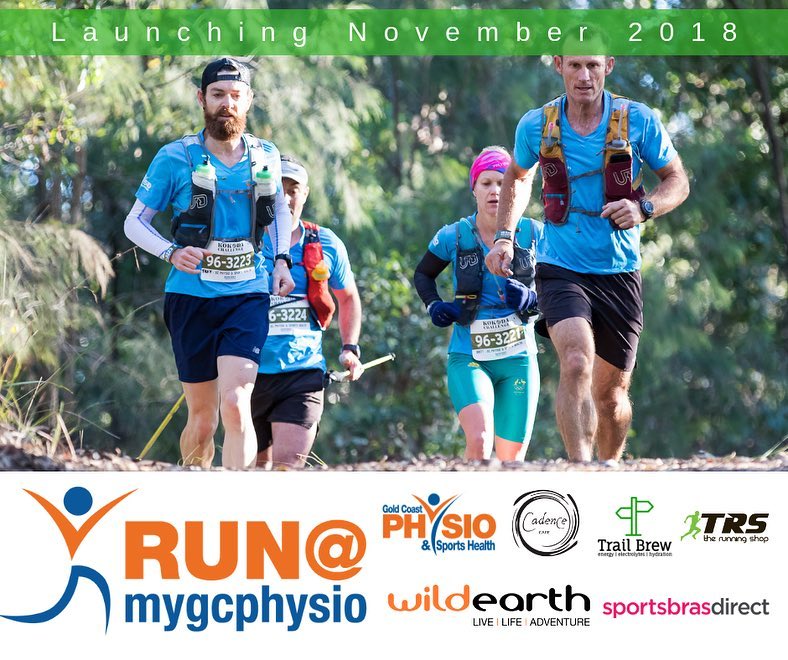
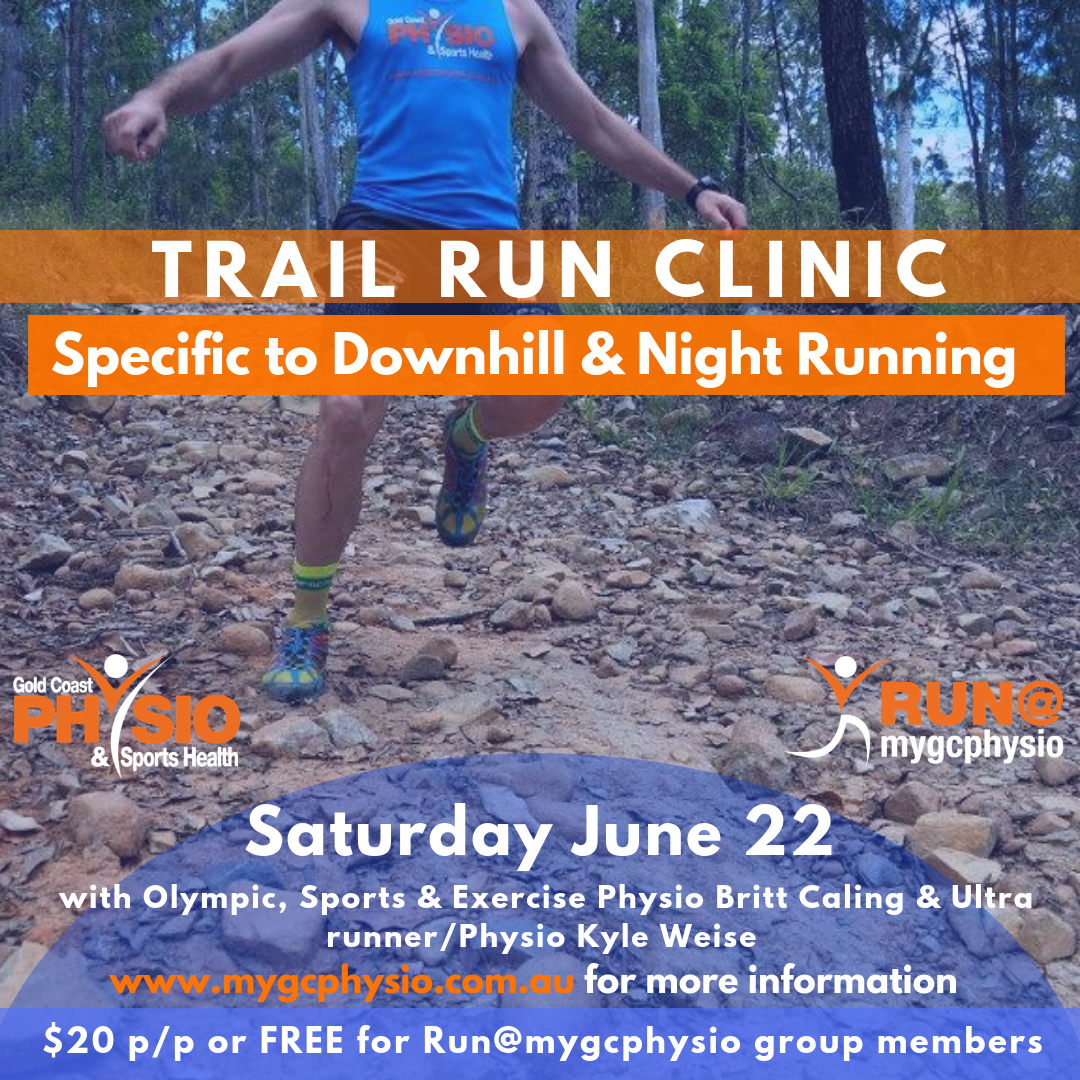
Run@mygcphysio hosts a TRAIL RUN CLINIC GOLD COAST

When? Saturday June 22nd Join us for a Trail Run Clinic on the Gold Coast

What you will Learn:
Trail Running skills & technique for:
– Downhill Running: learn how to run more efficiently, safer and faster downhill
– Night Running skills: bring a headlamp & join us for a run under lights after the Downhill Technique Focus

Start time: 5pm, meeting a Nerang Velodrome, Gold Coast to run in Nerang State Forest

Run Timing of the afternoon:
-Downhill technique tips and practice: 5pm-5.40pm (if you have been before, we will give you advanced cues and progressions)
-Discussion of tips for Night running with the chance to share & trial headlamps as we will have some testers courtesy of Wildearth
-5.45-6.30pm a guided run with Britt and Kyle: 2 groups with an Advanced Group running under lights and a Beginner group running the easier trails under lights
-Come for part, or all, of the session

Bring: Yourself, $20 (or FREE if you are a Run@mygcphysio group Member), shoes, a headlamp & a willingness to LEARN

For more info about the Run@mygcphysio group,click HERE


Loading...