13/345 Southport-Nerang Rd, Ashmore Q 4214
12/110 Kortum Drive, Burleigh Heads Q 4220

Managing Whiplash – How Physio will help

Written by Gold Coast Physio & Sports Health Physio, Sarah Bombell  B.Ex.Sc(Grif), M.Phty(Grif).

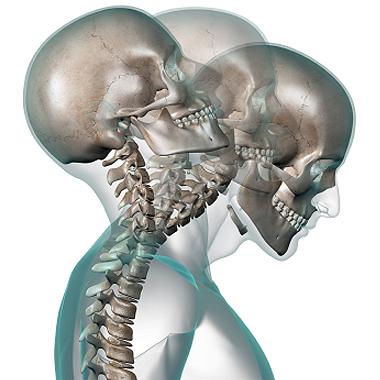
‘Whiplash-associated disorders’ or WAD is the term given to a variety of symptoms reported by people following an acceleration/deceleration injury to the neck, most commonly caused by a motor vehicle accident.

Common symptoms of WAD include:

  • neck pain,
  • neck stiffness,
  • dizziness (vertigo),
  • pins and needles,
  • numbness,
  • arm pain
  • and headache. The results of these symptoms are also often associated with disability, decreased quality of life, and psychological distress.

In the majority of cases, specific tissue damage cannot be identified, however it is likely that injury occurs to structures including cervical (neck) discs, ligaments, and nerve tissue to varying degrees in some patients.
Gold Coast Physio Labrador Burleigh Runaway Bay

Research indicates that approximately 50% of people who sustain a whiplash injury will continue to report ongoing pain and disability one year after the incident. Studies have also shown that the majority of improvements in symptoms will take place in the first 2 to 3 months following injury, therefore seeking appropriate treatment and advice soon after this type of accident is important.

The main factors that can have an effect on recovery include psychological symptoms such as post-traumatic stress, pain catastrophising and depressed mood. Low expectations of recovery have been shown to predict poorer outcomes. In other words, patients who become negative and do not expect to improve may not fully recover.

Interestingly, factors that have NOT been shown to have an effect on outcome include accident related features such as speed and severity, findings on imaging (Xray, MRI etc), and movement dysfunction following the incident.

Current clinical guidelines suggest that encouraging early return to usual activity and exercise is far superior for management than immobilization. There is strong evidence to suggest that restricting range of movement by use of a soft collar is INEFFECTIVE for management of acute WAD. Rather, early return to any type of exercise including range of movement, motor control, postural exercises, strengthening or any general activity will result in the best outcomes. Unfortunately there is no one type of activity or exercise program that will work for everyone, so it is important to work together with your physiotherapist in order to determine what type of activity will work best for you.

Physiotherapists may offer some advice regarding pain management, however it is important to have a chat to your GP about an appropriate pain management plan. Although some people don’t wish to take many medications, having a pain management plan will allow you to return to regular activity earlier which will give you the best chance of a full recovery.

It is important to be aware that both physical and psychological factors are present in acute and chronic WAD. There is evidence of a close relationship between these factors therefore management approaches should focus on treating the physical disability while seeking help of a councilor or psychologist to address any psychological factors.

Sports Physio Burleigh Runaway Bay Labrador Gold Coast

Research has investigated psychological therapy for treatment of acute and chronic WAD. These psychological symptoms include pain catastrophising, pain-related fear, pain coping strategies and other symptoms related to the traumatic event itself (road traffic crash), such as post-traumatic stress symptoms or post-traumatic stress disorder. The results of these studies have shown that addressing psychological factors will not only decrease psychological symptoms of post-traumatic stress disorder, anxiety and depression, but also decrease the patients perception of pain-related disability.

So what does all of this research mean? In a nutshell, if you have experienced an event resulting in whiplash it is most important to remain positive, keep as active as you can and seek advice from a medical professional as soon as possible. Talk to your GP about an appropriate pain management plan for you. Visit a physiotherapist for treatment of physical impairments and an exercise program and advice on returning to regular activity. If you are having problems coping with the injury physically and mentally, then seeing a psychologist can be helpful not only for your mental state, but may also improve your perception of pain.

* Information from Physiotherapy management of whiplash-associated disorders (WAD) by Michele Sterling. Journal of Physiotherapy Volume 60, Issue 1, March 2014, Pages 5–12

All our experienced Physio’s can help you manage symptoms of Whiplash, for appointments please call 07 5500-6470 or Book Online


Looking for winter breakfast ideas? Prefer savoury to sweet? We have you covered!

Looking for winter breakfast ideas? Prefer savoury to sweet? We have you covered!

by LAUREN NUGENT on JULY 9, 2014 


Quinoa breakfast muffins with mushrooms and leek

Makes 12

Ingredients:-
2 cups cooked quinoa (~3/4 cup raw)
4 eggs
1 cup grated reduced fat cheese
1 cup chopped mushrooms
1 large leek, washed and chopped
1 medium zucchini, grated
1/4 cup parsley, chopped

Cooking Instructions:-

  1. Preheat oven to 350 degrees. Line muffin tin with baking cups or spray oil.
  2. In large fry pan cook mushrooms and leeks until soft but not browned.
  3. In large bowl add cooked quinoa, eggs, zucchini, grated cheese, cooked mushrooms, leeks and parsley. Mix until just blended.

Fill muffin tins and bake 20-25 minutes or until brown on top and skewer when inserted comes out clean. Sit for 5 min before serving.


Breakfast burritos

Serves 4

Ingredients:-
400g can drained Mexican beans
Olive oil spray
4 eggs, lightly beaten
4 (6 inch) flour tortillas
1/2 cup grated cheese
1/2 tomato, diced
1/2 cup mushrooms, chopped
1/2 red or green capsicum, chopped
1 cup tomato salsa 

Cooking Instructions:-

  1. Warm tortillas in oven.
  2. Heat beans in a medium saucepan. Set aside.Heat a nonstick frypan over medium heat. Spray with oil and add the eggs.
  3. Using a spatula, cook and stir until eggs are scrambled. Season as desired.
  4. Add beans and vegetables to the eggs.
  5. Spread the egg mixture in the lower section of each tortilla; top with cheese.
  6. Fold the outer 1/2-inch of the left and right sides of the tortilla in, then roll each tortilla into a burrito. Cut in half and serve with salsa.
Sports Physio Burleigh Runaway Bay Labrador

Are you an Endurance Athlete who doesn’t do strength training?

Written by Alex Rigby, Physio, Strength & Conditioning Coach, Athlete. 

Are you an Endurance Athlete who doesn’t do any Strength Training? Here is some information you should know…

Too many times I hear endurance athletes say ‘”I don’t do gym because I don’t want to get big”, “Gym programs will not help me ride faster”, “I would rather spend my time running hills”. This is a common trait amongst endurance athletes who are simply scared of entering the weights room. What most of you athletes don’t understand is that strength training is not only going to assist performance (especially at the back end of your race) but it also a very important injury prevention tool.

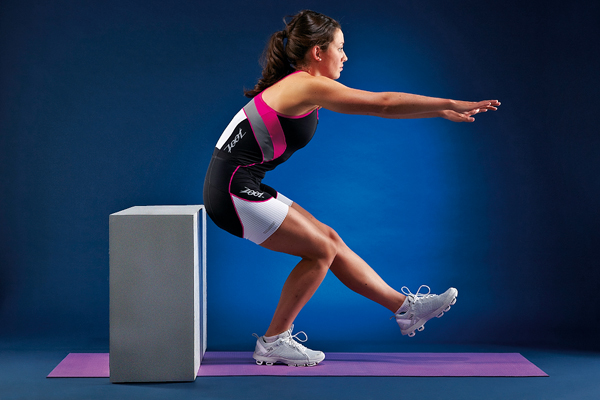
It seems most endurance athletes can run and ride for hours yet cannot perform simple functional tests including 30 single leg calf raises or even 5 single leg squats. As a Physio and Strength and Conditioning coach, this is a trend that really concerns me, and then when injury occurs you wonder why they have suddenly been struck down by shin pain or muscular tightness and injury???  Recent research has identified specific strength deficits to be the cause of many lower limb injuries in athletes.

Endurance athletes spend hours each week logging long miles in an attempt to achieve their goals. Most of this training involves what is termed ‘strength endurance’. This explains the ability to maintain strength over an extended period of time and in some races can be hours on end (between 8 and 17hrs for Ironman Triathlon and up to 48hrs for some Adventure Racing, or 8-12hrs for 100km running events). If you understand the definition of ‘strength endurance’, it would seem obvious that endurance athletes need to possess overall strength before being able to develop the ‘strength endurance’.

When designing a weights program for an endurance athlete careful consideration to the demands of the sport need to be considered. The allocation of your reps and sets is critical in gaining the goal of the session: What are you achieving doing 3 sets of 15 reps for each exercise at a low weight when this is simply replicating everything you do in your training?

Each session on your program needs to be specific and have an individual goal attached. The goal when entering the weights room is to get ‘strong’. This will allow greater capacity for your muscles to convert into strength endurance. During periods of high competition, it is difficult at times to structure gym sessions throughout the week, however, they should form a very integral part of your training program all year around and not be considered an optional adjunct to training.

All the greatest endurance athletes in the world incorporate strength training into their yearly programs. Next time you are planning your training schedule leading into a race don’t forget to include periodised strength training. When fatigue or the ‘Grand Piano’ jumps onto your back at the end of your race remember the ‘Strongest’ athlete will carry the piano for the longest!

If you want any advice about incorporating a strength program into your training, Alex is the perfect person to consult. Not only is he an experienced Physio but he also currently develops and implements the strength and conditioning programs for Cricket Australia and is a 9hr 20min Ironman Triathlete.  No doubt part of Alex’s success as an athlete is the fact he completes his strength and conditioning programs!

Alex is available at our Burleigh Clinic on Mondays, Tuesdays and Fridays, phone 5500 6470 for a booking to discuss your specific needs with him

A Sports Physio & running mum’s review of Thule baby stroller

The Thule Chariot CX2 – A Running Mum’s Review

written by Sports Physio Britt Caling.

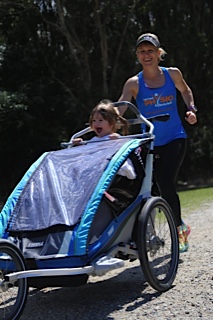
On the birth of our first daughter 18months ago we decided to purchase the Thule Chariot CX1 stroller.  Although pricey (around A$1500), the CX1 was worth its weight in gold in allowing me to return to running post-partum.  Summa and I (and the Thule Chariot) covered many miles up and down the roads and hills of the Gold Coast during my training for Gold Coast Kokoda Challenge without missing a beat.

Given the success of the Thule Chariot as an addition to our family, it was a no-brainer to purchase the Thule Chariot CX2 prior to the birth of our second daughter, and again I have been nothing but impressed with our purchase.

With a higher price tag than most strollers (A$1799 base model), the CX2 has all the features to justify the price.  It can be used as:

–       a regular stroller with a stroller kit attachment (2 front trolley wheels),
–       a running stroller (with a large, fixed front jogging wheel),
–       a bike trailer
–       or a hike or ski stroller

All the modes are super-easy to convert between and they have the Click n’ Store™ system for on-board storage of all conversion kits so, for example, you can ride to the shops taking the stroller wheels with you to use when walking around the shops.

The CX2 can seat one child in the middle or 2 side by side. With our newborn baby in the baby bivy or infant sling, and our toddler sitting in the removable padded seat beside her, I don’t have any worries about the bumps of the ride due to adjustable suspension.

The weight of the carrier is surprisingly light (at 15.3kg) and it is very maneuverable. The large side wheels make the stroller roll really smoothly and even with 15kg of extra child weight inside, I often push the stroller just 1m ahead of me while running on the flat and let it roll.  With Disc brakes on this model, I also feel safe running hills of any gradient.

Another excellent feature is the side tinted removable window flaps and the in-built rain cover.

There is more than enough storage space and the option of extra accessories such as the water bottle holder that make the CX2 very functional for any type of activity.

It is also easy to transport – all it takes is pulling 2 levers to fold down the main cabin and then pressing in the central axle button of the wheels to remove the side wheels. The foldeddimensions are (LxWxH): 109 x 80 x 30 cm, but I must say that with our Honda CRV, we simply keep one backseat folded down and fit the whole running stroller in only by collapsing the main cabin.

The only downfall of the CX2 is the ‘pass through’ width being 83cm and while I find it fits through most doors, this does occasionally mean finding another way through or around smaller spaces. However, this challenge exists with all strollers that sit children side-by-side.

Overall I would recommend the Thule Chariot Series to any active family and if our 2 girls could talk, I’m sure they would tell you have much they love it too!

Sports Physio Burleigh Runaway Bay
Sports Physio Trail Running Massage Pilates
Loading...