13/345 Southport-Nerang Rd, Ashmore Q 4214
12/110 Kortum Drive, Burleigh Heads Q 4220

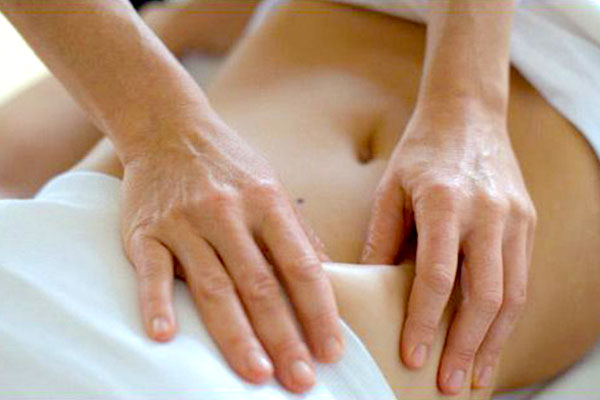
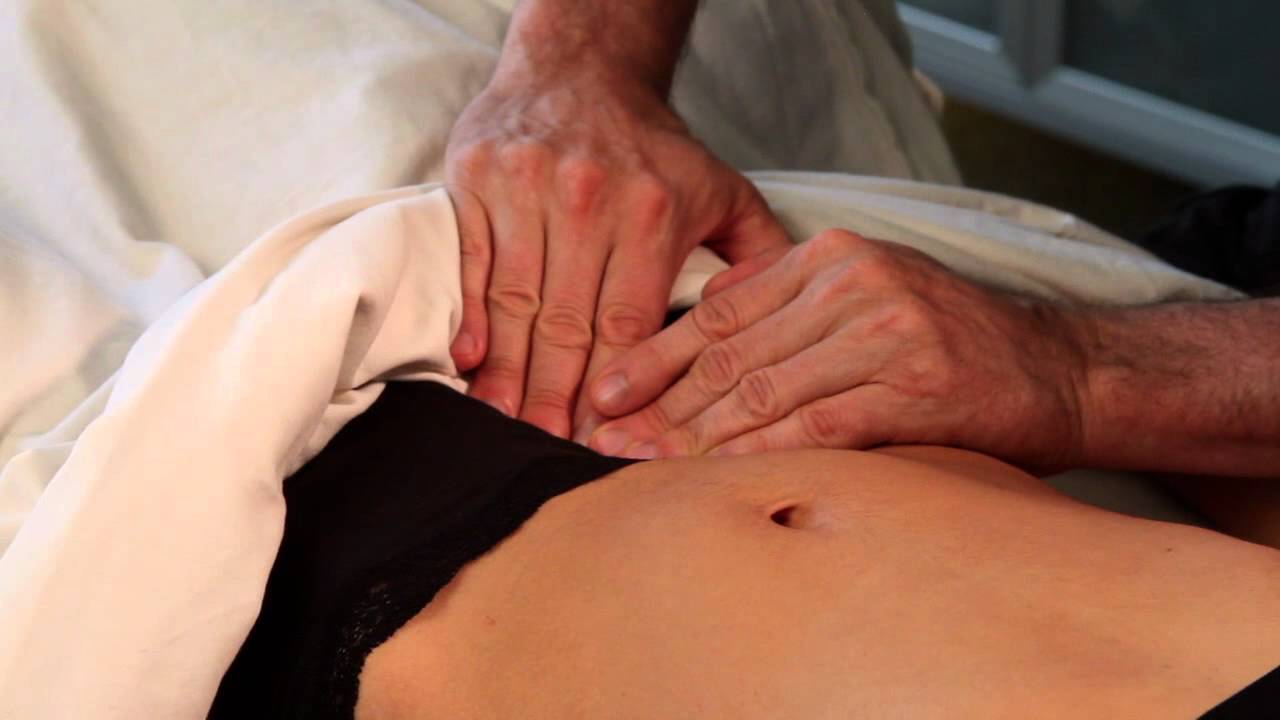
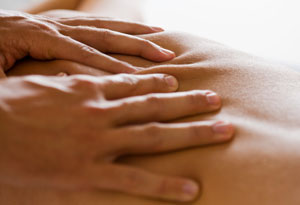
Belly Massage

Words By Frederic Impens (Dip. Remedial Massage)

The belly is often omitted during regular massage, due to feelings of discomfort or vulnerability associated with this area. However, it is vital for our wellbeing to address this area to achieve better physical and emotional health.

In Asian and Western traditional medicine, techniques to treat the organs have been passed down through generations of healers who understood the importance of working with this vital area for our digestive and reproductive health as well as overall wellbeing.

The skin, fascia (connective tissue), deep postural muscles, organs and meridian lines are treated to detoxify the body of impurities, improve blood supply to the area and release stagnant energy stuck in the abdomen. This will often affect one’s emotional and mental state; improve digestion, elimination, sleep and general energy levels.

Belly massage combined with dietary changes/nutritional advice will have even greater impact on overall wellbeing (refer to one of our GCPSH experienced colleagues who work in the field of nutrition). Many digestive issues such as IBS, diverticulitis, abdominal pain, bloating can be alleviated with this approach.

Fascia of the abdomen can often thicken due to injury, operations or pregnancy often having a pulling effect on the rest of the body resulting in pain or dysfunction in other areas e.g. . . A caesarean scar can often cause lower back pain. Releasing the fascial adhesions can bring a great relief to a myriad of problems in the abdominal and pelvic area and beyond.

Tight muscles around the abdomen and the hip area are often the key issue in many lower back problems. Working around the belly can often greatly relieve lower back pain, shallow breathing and bad posture (sitting for extended period of time shortens hip flexors. This causes diaphragm to contract, the shoulders and neck are pulled forward which then puts extra pressure on the back of the body causing pain in shoulders and upper back).

With the practice of belly massage; the vital functions of the organs in the abdominal cavity such as liver, kidneys, spleen, and pancreas are greatly restored by flashing the organs with new oxygenated blood and fresh energy.

Massage on the belly area can also be quite emotional. Most of us hold tension and emotions in this area which is rarely addressed. As the work is very deep on so many levels, we recommend not planning anything after the session apart from relaxation and some nourishing and easily digestible vegetable soup.

For best results we recommend a series of 3-5 weekly sessions.

To make an appointment with any of our qualified Massage Therapist please call us on 07 5500 6470 
Burleigh Massage
Massage Burleigh
Burleigh Massage Remedial

What is Gluteal Tendinopathy

Written by Physio Anglea Flack (B.Physio; B.Ex.Sc.)

Waddling Gait… Is it due to hip pain?

What is Gluteal Tendinopathy:

Burleigh Physio and Massage Gluteal tendinopathy is a common condition that causes pain in the hip and buttock muscle. Your Gluteal tendon is the tough fibres that connect your Gluteal muscle to your hip bone. Your Gluteal muscle is one of the strongest muscles in the body. It is responsible for movement of the hip and thigh.

A tendinopathy refers to a tendon that isn’t coping with the load it is being placed under. This excessive load will cause the tendon to break down and become thick and swollen. There are many causes for why a tendon becomes overloaded. They can be a result of gradual wear and tear to the tendon from overuse, doing the same motion over and over in your job, sport, daily activities or simply ageing. A tendinopathy in earlier stages will often feel stiff initially during exercise and warm up during exercise and worsens again afterwards. As the condition progresses often pain increases with exercise.  However it could also be when lying on the affected side or even the unaffected side (because the symptomatic limb can rest in a position of flexion and adduction). You may also have more hip pain and stiffness during the night or when you get up of a morning.

The main causes of Gluteal Tendinopathy
Your tendons are designed to withstand high repetitive loading. When a tendon becomes stressed they sustain muscle tears. Gluteal tendinopathy can be due to poor hip and Gluteal muscle control that leads to overloading of the Gluteal tendon causing pain and hip-pelvis instability.

What do we assess at Gold Coast Physio & Sports Health if we believe you have Gluteal tendinopathy:
To determine if you have Gluteal tendinopathy a full assessment will be conducted. This will initially include a subjective history of your condition. This will include:

  • Symptoms: what are they are how long have they been happening
  • Previous history
  • Current training program and training goals
  • Future events/competitions you would like to compete in
  • Current foot wear and orthotics

After a subjective assessment we will then conduct an objective assessment which may contain:

  • Walking/running analysis
  • Determine hip, knee and ankle range of movement
  • Strength testing as appropriate
  • Palpate the area to determine which structures are painful/swollen
  • Other test to differentiate from other sources

What treatment will you receive from Gold Coast Physio & Sports Health:
At Gold Coast Physio & Sports Health we aim to treat not only the pain and symptoms but also the cause/s.  Additionally we aim to allow the client to continue training and work towards goals and competition depending upon the severity of the tendon. Initial treatment may include:

  • Soft tissue therapy
  • Joint mobilisation techniques
  • Stretching exercises
  • Exercise therapy  – a structured progressive strength training program to condition the tendon
  • Changing and modifying training to allow you to continue training as much as possible whilst allowing healing of the tendon.

Some tendinopathies can be quite difficult to treat especially chronic problems, which are common as symptoms can occur for several months before they impact on training and cause pain enough to seek medical help.  Early intervention is the key to keeping yourself on track.

To make an appointment with our team please call 07 5500 6470

We are conveniently located at a number of Gold Coast locations and you can visit our team at Burleigh Physio, Runaway Bay Physio, Labrador Physio, and Southport Physio clinics

DRY NEEDLING – WHAT IS IT, HOW DOES IT WORK & IS IT FOR ME ?

DRY NEEDLING – WHAT IS IT, HOW DOES IT WORK & IS IT FOR ME ?

What is Dry Needling?

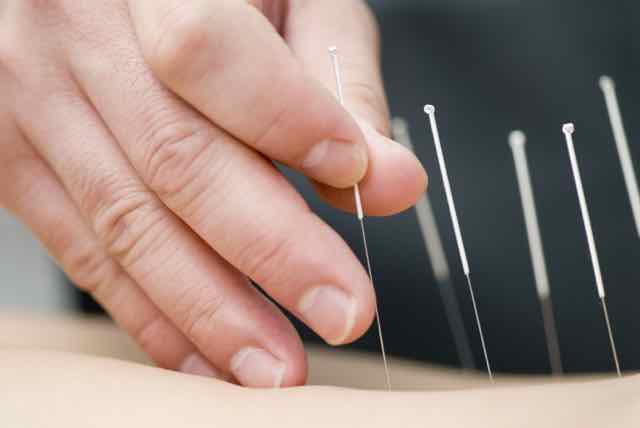
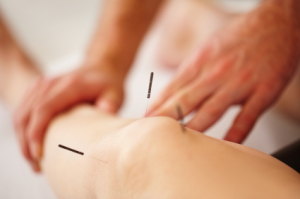
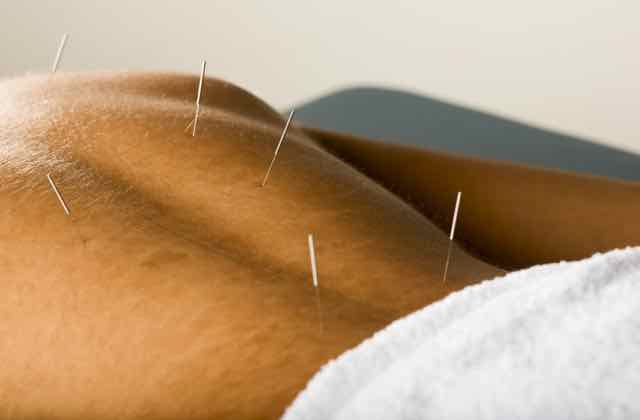
Myofascial Dry Needling is a relatively new and extremely successful method used in the treatment of painful Myofascial Trigger Points or “knots”. It involves the insertion of an acupuncture style, small, sterile, solid, disposable needle into those painful trigger points which in turn elicits the bodies natural healing response in those tissues.

What is a Myofascial Trigger Point?

A myofascial trigger point is a hyperirritable spot in a muscle which if often painful to touch and is located in a taught or tight band of muscle. This hypersensitive spot or ‘knot’ can give characteristic local pain, referred pain, referred tenderness, and other referred symptoms in areas other than where that muscle is located. These trigger points typically occur as a result of neuromuscular dysfunction and in areas of musculoskeletal stress.

How does Dry Needling Work?

When appropriately stimulated, the body’s nervous system natural response is to begin a chain of reactions to aid healing. Dry Needling aims to augment this process. Despite being extremely narrow placing a needle into a skeletal muscle can disrupt up to 1000 muscle fibres. This disruption causes a normal physiological reaction by the body to repair the damaged tissue.

This process stimulates the immune, endocrine and cardiovascular systems and involves the release of endorphins, pain relief and increased blood supply to the affected area which in turn can help relax the affected muscle fibres.

Is Dry Needling similar to Acupuncture?

Whilst there are obvious similarities in the two modalities there are also fundamental differences. Acupuncture treatment is based on the Traditional Chinese Medicine paradigm and involves placing needles into acupoints.

These acuponts are found along the meridians or channels and is aimed at restoring harmony, balance and the flow of Qi (life force) through these channels. Acupuncture is more subtle, gentle and more commonly used to treat internal ailments such as digestive issues, stress, insomnia, sub-fertility or in cases of chronic or ongoing pain.

Is needling painful?

Most patients do not feel the insertion of the needle. Sometime an initial local twitch response is triggered which can be painful but is extremely brief. A localise ‘dull ache’ or cramp like sensation can also be felt around the insertion site and some local soreness can be felt after treatment.

What are the advantages of Dry Needling?

The advantage of dry needling over other manual techniques is that we can treat parts of the muscle and deeper layers of muscle which our hands and fingers cannot always reach. Needles can also act as a ‘spare pair of hands’ allowing your therapist to work on more areas during your treatment, potentially increasing positive outcomes.

Who performs Dry Needling?

At Gold Coast Physio & Sports Health a number of our Physios and Massage Therapists are qualified to offer Myofascial Dry Needling; if you are interested just ask our front desk staff and they will recommend an appropriate therapist to introduce you to the technique.

For appointments at Runaway Bay, Burleigh, or Southport clinic phone 07 5500 6470

Loading...