13/345 Southport-Nerang Rd, Ashmore Q 4214
12/110 Kortum Drive, Burleigh Heads Q 4220

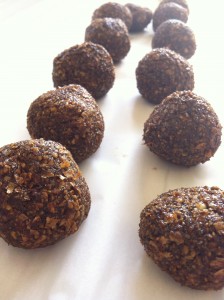
Magnesium Rich Protein Balls

by EatSmart Nutrition

Ingredients (Low GI, high dietary fibre):

  • 80g Brazil nuts [soaked in boiling water for ~1hr]
  • 100g Cashews (raw/unsalted) [soaked in boiling water for ~1hr]
  • 100g Flaked almonds
  • 250g (1 cup) light peanut butter or natural peanut butter (if you use natural add a pinch of salt to recipe)
  • 1 cup pitted dates [soak in boiling water for ~10mins]
  • 3 tbs coconut oil (melted)
  • 3t tbs cocoa powder (can use 4 tbs if you want a strong chocolate flavour)
  • 3 tbs maple syrup
  • 1 cup desiccated coconut (for rolling in only)

 Method:

  1. Prepare dates, cashews and brazil nuts in boiling water and drain when ready.
  2. Place all ingredients (not coconut), into a food processor and blend until well combined (nuts should be completely broken down)
  3. Make into balls and roll in the coconut.
  4. Refrigerate and enjoy

Note:  Makes ~20 balls.  1 ball = ~20% of a person’s magnesium requirement daily*

Magnesium nutrition facts:

1 cup light peanut butter provides 99% of a person’s magnesium requirement*

80g of Brazil Nuts provides 85% of a person’s magnesium requirement*

100g of Cashews provides 73% of a person’s magnesium requirement*

100g of Almonds provides 67% of a person’s magnesium requirement*

4tbs Cocoa powder provides 24% of a person’s magnesium requirement*


Lunchbox Ideas for your Kids from Eatsmart Nutrition Gold Coast

School Lunchbox Idea’s

Tuna, corn & cheese pies

Makes 12

• 12 slices multigrain bread
• 425g tuna in springwater, drained
• Large handful baby spinach leaves, roughly chopped
• 125g corn kernels, drained
• 8 eggs
• ½ cup reduced fat cheese
1. Preheat oven to 180 degrees Celsius. Grease a 12 holes 1/3-cup capacity muffin pan. Using a rolling pin, flatten bread and line muffin pan with bread slices.
2. Whisk eggs in a large jug. Mix tuna, spinach, corn & cheese. Divide amongst bread cases. Pour egg mixture into bread moulds.
3. Bake for 20-25 mins or until eggs are set. Stand for 5 mins. Remove pies from pan. Cool and wrap in plastic wrap ready of school. Refrigerate.

Mediterranean Rice Cakes

Makes 6 large or 12 small

• 2/3 cup Basmati rice
• 1 smoked chicken breast, diced
• 2/3 cup fat free semi-dried tomatoes, roughly chopped
• 1 cup reduced fat mozzarella cheese
• 3 eggs, lightly beaten
• 3 spring onions, sliced
• ¼ cup basil leaves, finely sliced
1. Preheat oven to 200 degrees Celsius. Grease a Texas or normal size muffin pan.
2. Cook rice as per instructions on packet. Allow to cool.
3. Combine rice, chicken, tomatoes, cheese, onion, basil and eggs. Season to taste.
4. Spoon into prepared pan. Bake for 15-20 mins until cakes are firm to the touch. Stand in pan for 5 minutes before turning onto a wire rack to complete cooling. Wrap in plastic wrap ready for lunches.

Other Lunch box ideas

• Fruit salad with yoghurt (freeze night before)
• Veggie dippers with hummus
• Leftover roast meat with salad on a wrap
• Leftover chicken, cut up apple & lettuce salad
• Leftover veggies mixed with egg and cheese made into fritters
• Tuna mixed with creamed corn
• 4 bean mix mixed with mild salsa, cheese & avocado
• Crackers with cheese & tomato
• Can of baked beans

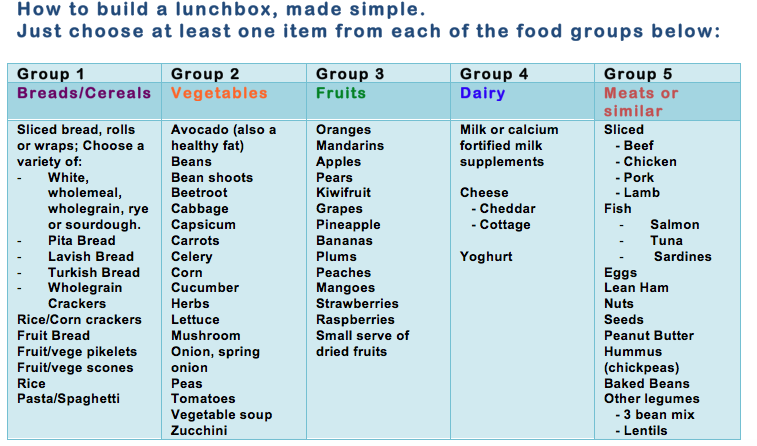
Building a nutritious lunchbox for your child can be overwhelming, as Dietitians we are here to make it easier for you!


See our simple lunchbox builder and don’t forget you can always schedule an appointment with Amelia Webster as our Eat Smart Nutritionist/ Sports Dietitian to get more individualised advice for you or your child.

Ph 07 5500 6470 for a booking at either Runaway Bay or Burleigh Clinics

eatsmart nutrition lunches

Muscle Compensations

Muscle Compensations words By Frederic Impens – Dip. Remedial Massage, Cert 4 Personal Training; Member ATMS

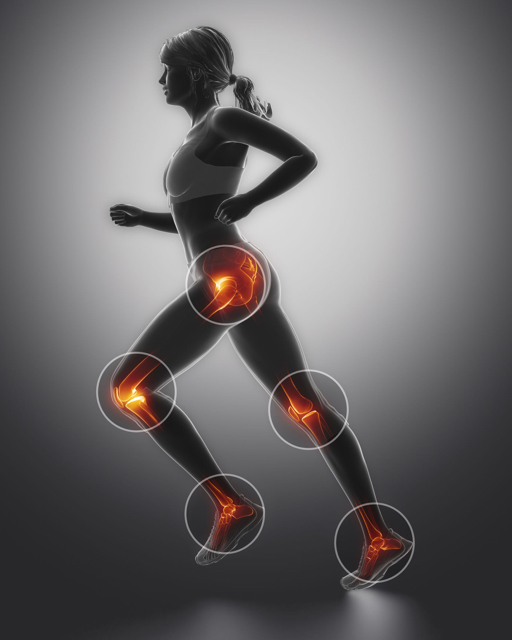
“Compensation” is a term that people in the health and fitness industry use on a daily basis. It references to a unique and yet confounding “skill” that the human body deploys when it senses an injury or instability in a part of the body.

Compensating, in a general sense, is an innovative way that the body adapts to a misaligned muscular- skeletal movement pattern.  This compensation is part of an effort by the body to help this misaligned movement become less of a short term movement risk to the body.  It could be better stated that compensation isn’t really a “skill” but rather a symptom of an issue in the body.  Compensating helps the body get by until the root of the real movement misalignment is addressed.  Think of it similar to if your cars wheels are out of alignment. The mechanic observes this and tells you that there is an issue. You may choose to address the issue now or you can continue to drive your car for a while, while the wheels are out of alignment. The faster, longer, and harder you drive your car, eventually the misalignment will begin to increasingly wear down the tires and likely cause more and more additional problems until your car will no longer function correctly. The same thing happens to our bodies. Pain is like the sensor light (or the mechanics observation) for your car, telling you that there is a problem. As you continue to work out and stress your body, you may feel worse and worse until your body can no longer compensate for your these misalignments. Sound familiar?  We have heard people comment on the fact that the feel like they have a small “Hitch” in their gait or it feels that when running, their stride is out of alignment in each scenario, it is a case of compensating movements.

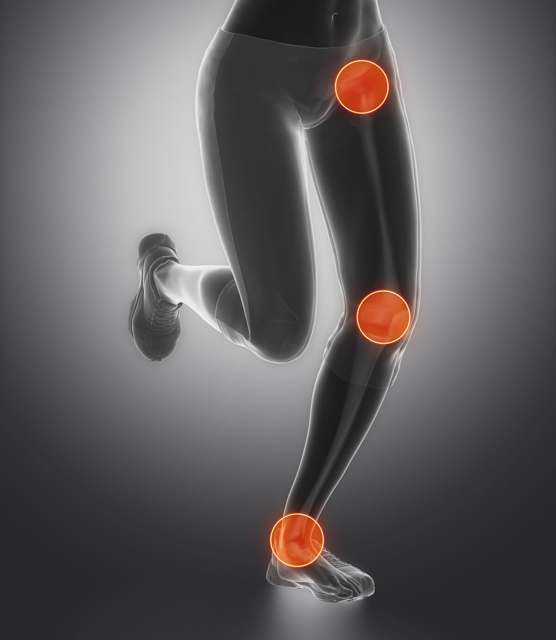
When my brother was sixteen, he had surgery on his right ankle. A few years later, he is competing in the 1500m run. Although he was able to run at a very high competitive level, his ankle injury still affects him. Ironically, it is not his right ankle that hurts when he runs; he now has a chronic left hip pain due to his glut muscle.

For two years, he periodically saw a therapist for the strained glut muscle. Unfortunately, simply addressing the strained muscle was not preventing the glut injury from recurring. He needed to address the root cause – compensation for his right ankle, and thus the corresponding issue of his stride being out of alignment).

By improving his ankle, his glut no longer needs to compensate for his ankle’s weakness. Understanding the inter connectedness nature of the muscular system is crucial in addressing chronic injury and compensating movements.

If you really stop and think about it, tightness and some of those nagging pains are likely indications that the body is overcompensating, and we have all experienced that to some degree.

Biologically, compensation is a defence mechanism used by the body to help prevent further injury on a short term basis. Unfortunately, the body can get stuck in a rut and that compensation can be a lifelong issue, resulting in further injury if it isn’t corrected. Our GCPSH Team can help address the root issue that is causing the body to use compensations.

Check with our friendly GCPSH team how to best help you to achieve your best:- phone 5500 6470

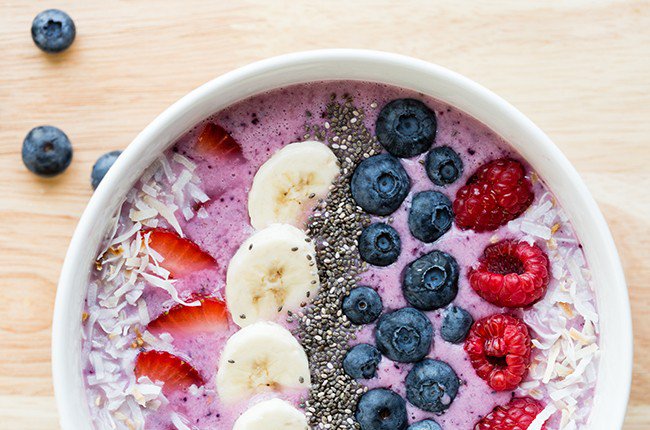
High Fibre Smoothie Bowl

Recipe of the Month: High Fibre Smoothie Bowl

Makes 1 breakfast bowl

1 medium banana, frozen & fresh to top
½ cup frozen raspberries & some to top
1/2 cup frozen blueberries & some to top
1 tblsp flaxmeal
1 tblsp chia seeds, 1 tsp to top
2 tblsp oatbran
1 cup milk of your choice
1 tblsp granola or muesli
1 tblsp yoghurt
shredded coconut, to top
Strawberries, sliced to top

Blend milk, banana, berries, oatbran, yoghurt and in a blender
Pour in to a bowl.
Top with the leftover fruits sliced, flaxmeal, muesli, coconut and chia seeds in rows on top of smoothie.

Per serve: 1710kJ (410 calories), 18g protein, 12g fat (4g saturated), 49g carbs (26g sugars), 14g fibre

HOW CAN A SPORTS DIETITIAN HELP YOUR PERFORMANCE?

HOW CAN A SPORTS DIETITIAN HELP YOUR PERFORMANCE?


Initial Body Composition Assessments

Our Sports Dietitians are specially trained ISAK accredited anthropometrists and will take measurements of your weight and surface anthropometry (skin folds). This will provide excellent baseline data by which to compare future measurements, useful for those undertaking a program to alter their physique (e.g. those whose goal is to lose body fat and or gain lean mass). We will work with you to develop an eating plan to assist you with achieving those physique changes.

Review Body composition Assessments

Involves conducting repeat measurements taken from your initial testing, to compare and provide feedback on changes in body fat and or lean mass. Talk to your Sports Dietitian about the best timing for these repeat measurements, depending on your goals. We can continue to modify your meal plan to support your physique goals.

Pre & Post Training Preparation and Recovery Practices

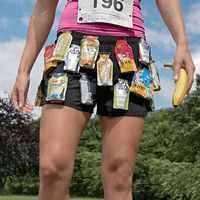
Individualised nutrition strategies can be developed for the pre, during and post training period in order to optimise training performance, and enhance post training recovery and refueling. Daily fueling for health and immunity. We can provide an assessment of your day to day training diet will be completed, and develop individualised goals and strategies to meet daily nutrition requirements for exercise, good health, and immunity.

Race Day Nutrition plans

We can work with you to develop an individualised race day nutrition and hydration plan to optimize your race performance.

Hydration assessment & monitoring

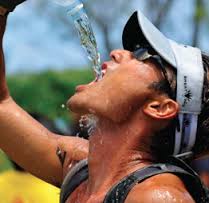
We can work with you to assess your current individual sweat rates and rehydration and heat management/cooling strategies. From this, an individualized hydration plan for both training and competition to optimize performance can be developed.

About Us

All Eat Smart Nutrition Consultants practitioners are both Accredited Sports Dietitians and Accredited Practising Dietitians, and Accredited Anthropometrists, so well placed to assist you with your performance and or health management needs. For more information about Eat Smart Nutrition Consultants, please visit www.eatsmartnutrition.com .

We look forward to working with you and assisting you with all of your nutrition and performance needs.

dietitian gold coast
Loading...