13/345 Southport-Nerang Rd, Ashmore Q 4214
12/110 Kortum Drive, Burleigh Heads Q 4220

Facts about Running Injuries

Facts on running injuries – Courtesy of Sports Medicine Australia

Running has one of the largest participation rates. Statistics from the Australian Sports Commission’s 2006 survey showed an estimated 1,224,100 Australians aged 15 years and older participated in running in the 12 months prior to being surveyed. Running is a popular fitness activity because of its health benefits, affordability and convenience. However running can cause injuries, often due to overtraining – people doing too much, too soon.

How many injuries?

  • Up to 70% of recreational and competitive runners sustain overuse injuries during any 12-month period.

The causes and types of injuries

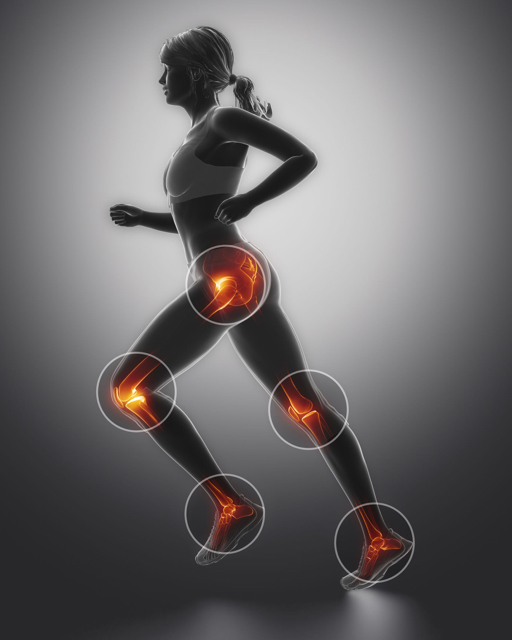
  • 42% of all running injuries are to the knee, followed by 17% to the foot/ankle, 13% to the lower leg and 11% to the hip/pelvis.
  • Overuse injuries can occur from training errors (running frequency, duration, distance, speed and lack of leg strength and flexibility) and inappropriate surfaces, terrain and footwear.
  • Overuse injuries, as a result of training errors, are more common than acute injuries such as ligament and muscle sprains and strains.
  • The most common overuse injuries are patellofemoral pain syndrome (runner’s knee), iliotibial band friction syndrome (side of knee), plantar fasciitis (bottom of the foot), meniscal (knee cartilage) injuries, tibial (shin) stress syndrome and patellar tendinopathy (at the knee).
  • Reducing the distance, frequency and duration of your run can prevent injury.

Safety tips for running Good preparation is important

  • Before running, see a professional to identify potential musculoskeletal and health problems that may contribute to injury.
  • Always warm up and cool down by jogging slowly.
  • Injured runners should consult a professional about how to prevent re-injury.
  • Hydrate prior to running and consider taking water on longer runs.
  • Good technique and practices will help prevent injury
  • Avoid doing too much too soon. Establish a graduated training program. Allow 24-48 hours rest and recovery between running sessions. Cross training, cycling or swimming can be done on ‘rest’ days.
  • Start slowly at a pace where you can have a conversation without breathlessness.
  • Gradually build up running speed and distance (no more than 10% per week).
  • Cut down if you experience pain. Pain is a sign that the body is not adapting to the exercise load.
  • Include lower leg strength and flexibility exercises in your training program.
  • Avoid running when you are tired and at the hottest part of the day. Schedule runs for early morning or late afternoon and run in the shade, if possible.
  • Drink water or a sports drink before, during and after running.

Check running surface

  • Run on a clear, smooth, even and reasonably soft surface. Avoid uneven surfaces, sand and concrete.
  • Gradually introduce surface changes.

Wear the right protective equipment

  • Wear shoes specifically designed for running that match your foot type. When buying new shoes, have them fitted by a professional and take your old ones with you so the salesperson can identify where your shoes wear the most.
  • Wear light clothing, sunscreen and a hat to protect against sunburn.
  • Wear reflective clothing so you are visible to motorists.
  • Use a head torch when running where there are no streetlights.

Personal Safety

  • Always tell someone where you are going, your exact route and how long you will be.
  • If using an iPod or headset, do not have the music too loud – stay alert and aware.
  • Carry identification, a whistle, a mobile phone or loose change for public payphones. Know the location of public payphones on your usual route/s.
  • Choose well-lit, populated routes and avoid dangerous and isolated areas.
  • Whenever possible run with a partner, in a group or with a dog.

Other safety tips

  • Running is not an appropriate form of exercise for those who are heavily overweight, have significant skeletal malalignment, unstable hips, spinal stress fractures or knee cartilage damage.
  • Access professional guidance from a running coach at your local athletics club. Not only can your technique and fitness improve, but you will also meet like-minded individuals to run with. Contact Athletics Australia to find your local club and coach.

If an injury occurs

  • Rest or modify your activity to allow overuse injuries to heal and inflammation to subside.
  • Gradually return to running (10% increase in distance per week) once flexibility, strength and endurance have returned.
  • If you suffer severe or continuing pain, swelling or loss of motion, seek medical attention from a sports medicine professional.

For further information contact:  Smartplay – Sports Medicine Australia

Visit www.smartplay.com.au or www.sma.org.au

Athletics Australia

Phone: 03 8646 4550
Website: www.athletics.com.au

References

For a full list of references, contact Smartplay.

Acknowledgments

This fact sheet has been reproduced the Department of Planning and Community Development and VicHealth. Prepared by Monash University Accident Research Centre 2006. Updated and reprinted 2008.

Southport Physio Burleigh

Dizziness (Vertigo) from PPPD (Persistent Postural Perceptual Dizziness)

If I don’t have BPPV – why am I still dizzy?

By Experienced Physio & Neck Special Interest Physio, Helen Sibbald

You may have PPPD (Persistent Postural Perceptual Dizziness).

This is a common dysfunction of the vestibular system.

Symptoms include:

Persistent dizziness,

non- spinning vertigo

and/or unsteadiness.

Why does it happen?

It results from the brain not adapting after an event that triggered vestibular symptoms. BPPV is an example of a triggering vestibular event.
There are no tests/scans to show PPPD however, if you have it, you present in a characteristic way:
– The persistent dizziness and /or unsteadiness has been there for 3 months or more.
– Your symptoms are present most days, may sometimes be worse/better and can momentarily flare up for no reason or with movement.
– Usually, you feel worst:
1. when upright,
2. when exposed to moving or complex visual stimuli, and
3. during active or passive head motion.
– Typically, PPPD follows after an acute or episodic vestibular or balance- related problem.

Often, you will start to feel neck pain and headaches. This occurs when the head movements that provoke your symptoms are avoided, resulting in stiff neck joints and muscles.
Anxiety is common too – who wouldn’t be anxious if they had experienced these symptoms for so long?

So, unsurprisingly, you start avoiding activities for fear of provoking those awful symptoms.

Physio Massage Pilates Sports PhysioBut there is something you can do: See a Physio, for an exercise programme (vestibular rehabilitation), and some treatment for your neck, as well as an explanation about the condition.

The more you know, the less concern/worry, the less symptoms you will experience.

You could chat to your GP about medication (SSRI’s have been shown to be helpful). You could also see a Psychologist to help with strategies to cope with anxiety.
PPPD does not have to stop you from doing the things you want to do.

If you need Help diagnosing your Dizziness, or want someone to help guide your pathway, Helen Sibbald is exceptional and will be totally thorough with your assessment and communication.

Book with Helen in the clinic by calling 07 5500 6470 or Book Online 24/7

Is Lactic Acid your Friend or Foe??

Is Lactic Acid your Friend or Foe ?

By Massage & Sports Massage Therapist Anthony Evans
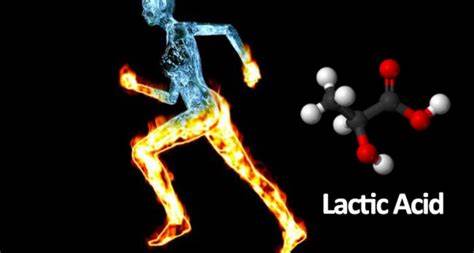
If you’ve ever exercised at high intensity, you’ll be familiar with that sensation of muscles full of the muscle by-product “lactic acid”. It feels uncomfortable, and maybe like you can’t keep moving, but the cause – lactic acid – is actually your ally, helping you move faster and lift heavier in the future!

When it comes to athletic performance, lactic acid has historically been viewed as a terrible thing – the reason behind DOMS (Delayed Onset Muscle Soreness) and fatigue. We see it as a waste product that holds us back and prevents us from achieving our best. But what if I told you this is completely wrong.

When we do strenuous, high intensity exercise, we breathe faster in order to transfer more oxygen to the working muscles. In most cases our bodies naturally prefer to generate energy using the aerobic system ( “with oxygen”). However, when our bodies are under higher stress – trying to lift heavy weights or perform fast sprints – we switch to the anaerobic system (“without oxygen”) to produce this energy. When this happens, the body produces a substance called lactate which allows the breakdown of glucose – and the production of energy – to continue.

High blood lactate levels actually slow down the muscle’s capacity for more work. If it seems counter-intuitive that the body would produce something that actually reduces its ability to perform, it’s not. It turns out that lactic acid is a natural defence mechanism that prevents us from over-doing it … and doing ourselves permanent damage.

Why is lactic acid traditionally seen as bad?

The accumulation of lactic acid in the muscles has long been incorrectly associated with fatigue during exercise, as well being linked with delayed-onset muscle soreness (DOMS). Even today you’ll hear sports commentators saying, “athlete X must be fatiguing/tiring because of lactic acid build up”.

We know now that this is not the case, as lactic acid has no direct role in causing these exercise-related symptoms.

More recent schools of thought consider that lactate is no longer a so-called “harmful waste product”, but rather is a supplemental fuel.

Lactate produced during exercise can be used as a fuel source both during the exercise itself, depending on intensity, and during rest.

The human body is extremely efficient and can recycle produced lactate for oxidation in the heart and brain.

What are the benefits of lactic acid?

The production of lactate serves to reduce acidity in the blood and muscle in an attempt to maintain an optimal pH level in the muscle, and to allow the muscle to keep contracting at high rates. However, this “buffering” can’t last forever, so when pH in the muscle starts to drop and hydrogen ions accumulate, this is when the sensation of “burning” is felt as the disruption to the muscle’s ability to contract starts to occur and the discomfort from lactate is felt by you.

Lactate also helps to preserve other fuel stores and is a direct source of energy for the muscles, heart and brain. The body is efficient at re-using lactate and can even “shuttle” lactate to different parts of the muscle and between tissues.

From a training perspective, lactate has been viewed as an important “signalling molecule” for promoting adaptation. What I mean by that is, the production of lactate during exercise triggers a series of metabolic changes that will enhance the ability of the muscle to use and remove it.

How does Lactate contribute to exercise performance?

It depends on the sport or exercise you choose. For endurance-based sports you want to minimize the production of lactate and be able to clear it quickly so you can continue for longer periods. Endurance cyclists and runners are the best at doing this because they typically have a high proportion of well-conditioned slow twitch “oxidative- use oxygen to contract”  muscle fibers. These  types of fibres help to produce energy for movement without the accumulation of lactate.

Short duration sprint/power athletes, however, often have more fast twitch “glycolytic” fibers, and these fibers will naturally produce high amounts of lactate so they can perform high-intensity movements such as sprinting.  Our best sprint/power athletes have high amounts of these fast twitch fibres and this is what makes them so good!

So, is Lactic Acid Friend or Foe?  Ultimately this depends on what sport you do, and how conditioned you are at your sport (and a little genetics too), and how tolerate you are to the discomfort it can creat.  Lactic acid is certainly nothing to be afraid of for good sports performance!!

If you are interested in this topic and want to know more, come and visit our Exercise Physiologists for an appointment and they can help both workout a useful exercise test to help give  you a profile of your Lactic acid accumulation, and give you accurate education around the role of Lactate and how to best structure your training for best performance.

Happy Training!

Carpal Tunnel Syndrome: Clinical Practice Guidelines

Carpal Tunnel Syndrome: Clinical Practice Guidelines

Diagnosis

– Monofilament testing of middle finger and radial finger to determine extent of nerve involvement for sensory changes
– Use of Phalen test, Tinel test and Carpal Compression test
– Asses for: patient older than 45, whether shaking hands relieves symptoms, sensory loss in thumb

Examination

– Can use validated outcome measures to assess symptoms (CTQ-SSS), function (CTQ-FS, DASH)
– Compare grip or pinch strength to established norms

Interventions

– Ergonomic changes to desk set up can be recommended
– Neutral positioned wrist splint for night time use for short-term symptom relief
– Can progress to include part-time day use for mild to moderate symptoms
– Heat can provide short-term symptom relief
– Low-level laser or thermal ultrasound should NOT be used
– Physiotherapy should be performed including manual therapy and therapeutic exercise for mild to moderate symptoms
– Steroid injection can be considered for mild to moderate symptoms in conjunction with physiotherapy and splinting, but relapse is common
– Severe carpal tunnel syndrome, defined as thenar muscle wasting and constant numbness, should be offered physiotherapy

Exercise and mobilisation interventions for carpal tunnel syndrome (Cochrane Review):   Page_et_al-2012-Cochrane_Database_of_Systematic_Reviews

Clinical Practice Guidelines Linked to the International Classification of Functioning, Disability and Health From the Academy of Hand and Upper Extremity Physical Therapy and the Academy of Orthopaedic Physical Therapy of the American Physical Therapy Association. J Orthop Sports Phys Ther. 2019;49(5):CPG1-CPG85. doi:10.2519/jospt.2019.0301    [embeddoc url=”https://www.gcphysio.robicoweb.com.au/wp-content/uploads/2019/10/carpal-tunnel-clinical-practice-guidelines.pdf” viewer=”google”]


Do your old injuries keep re-appearing? How your Physio can test for on-going strength deficits

Do your old injuries keep re-appearing? How to test for on-going strength deficits

By Physio, Liam Ryan

Do your old injuries keep re-appearing? Do you continue to still experience problems from an injury in the past? If this is you then read on…..

A common complaint we see in clinic is the recurrent niggle or injury. It’s the troublesome calf or hamstring pain that comes back every year, it’s the aching knee after a ligament injury, it’s the recurrent ankle sprain, it’s the sore shoulder from swimming, it’s the sore back that keeps on coming back year after year. The list could go on forever…..

One of the reasons that we see the recurrent niggles or injuries is that the rehabilitation process is NOT fully completed- your pain settles, you move at home, maybe you have returned to exercise and sport ok…..BUT!!!  It is common to see ongoing strength deficits around the injured area, up to years after injury.

This is because the time it takes to restore your strength is longer than the time it takes to resolve your symptoms!

We know that a risk factor for many injuries is a lack of strength and capacity of the muscles to tolerate your work/activity/ exercise or sport. So if you have a baseline of muscles that aren’t strong enough, then ask them to work harder than they can tolerate, then you are at a higher risk of an injury-  or that on-going niggle returning.

This is something that has been researched across many areas, and here’s what we know for sure:
– A 25% quadricep (front of thight muscle) strength loss over two years post ACL (ligament) reconstruction
– Quadricep strength loss and a decrease in muscle size with long term patellar tendon pain at the front of your knee
– Persistent hamstring (back of your thigh) weakness after initial hamstring strain injuyr, with near 70% of people showing a greater than 10% weakness after returning to sport/work/exercise
– Recurrent ankle sprains due to a lack of stability from surrounding muscles
– Recurrent rotator cuff tendon pain in the shoulder associated with a decrease in rotator cuff strength by up to 30%
– Ongoing feelings of shoulder instability (like it is about to “pop out” or pain) associated with a decrease in rotator cuff strength

As you can see, the persistent strength losses occur following both lower limb and upper limb injuries.  BUT HOW DO YOU KNOW?

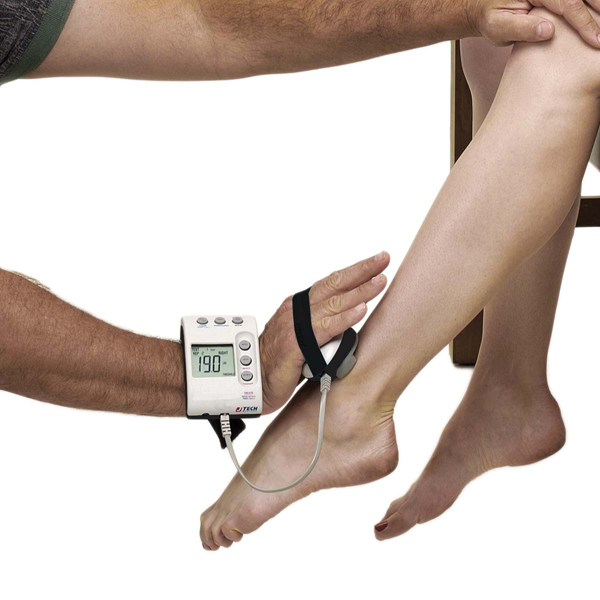
Our experienced Physio’s can assess and test you. We use a combination of in-clinic movements, landing & jumping tests and a device known as a hand-held dynamometer to test your strength. We use our rehab gym equipment. We can compare one side of your body to the other, and we can give you a plan of how to FIX your niggle or on-going pain and injury.

Phone our Team on 07 5500 6470 or Book Online

Loading...