13/345 Southport-Nerang Rd, Ashmore Q 4214
12/110 Kortum Drive, Burleigh Heads Q 4220

Perfectionism and the “Investment Payout Assumption”- Performance Psychology

Perfectionism and the “Investment Payout Assumption”

By Abra Garfield (MAPS, CoSEP)
Sport & Performance Psychologist
23/09/2021

Malcolm is a 16-year-old 100m and 200m sprinter in grade 11. He is national champion in both events three years running and is also the Australian and World record holder for his age. He aims to compete in three Olympics and leave a legacy in Australian sport like that of Cathy Freeman.

Malcolm prides himself and identifies with his standard. It’s his brand and what separates him form the competition. A relentless attention to detail, 100% effort and total sacrifice for the goal. Every year he improves his nutrition, recovery, sleep, strength and conditioning and training closer to perfect. He has all the marks of a great athlete and potential to reach the top. Everyone around him reinforces him for his work ethic and brand.

But his standard is his million-dollar ticket AND his Achilles heel.

Malcolm has sacrificed so much to get here. He misses school camps, birthday parties, socialising on the weekend, sleep overs, sleep ins, eating junk food, playing video games- BEING A KID!

In sport psychology we call giving up everything and sacrificing for one goal ‘Identity Foreclosure’. One shuts down shop on many/most aspects of their identity and life to focus on performance, leaving them vulnerable to stress and wellbeing issues. Humans are not pandas, we have a diverse set of wellbeing needs to function optimally (not just Bamboo). When one’s eggs are all in one basket one has a lot to lose if that basket falls. Humans are not designed to sacrifice developmental and wellbeing needs for too long without repercussion.

Malcolm began to stress the little things that used to make him proud, his microscope for detail became ‘mental math’. He was calculating what times he would get on the track and what rank he would get in the next event with his sleep, fuelling, training and social sacrifices each day. He started to worry about error and mistakes and found them intolerable in this pursuit of PBs.

His enjoyment for training and running in general began to wane and with that his performance plateaued frustrating him and stressing him more. He got several minor accumulative injuries that also compounded things. His stress levels began to influence his energy, appetite, sleep and emotional wellbeing. Motivation dropped and he was watching the clock during most of his training.

Let’s just say Malcolm wasn’t that fun to be around- he became irritable and reactive upsetting some of his friends and family accidently.

Malcolm broke down with 4 weeks left until Olympic trials after coming 2nd and running 0.75 seconds off his PB at his school national finals. With his coach and the help of a sport psychologist he made the tough decision to pull out of Olympic trials and take a week break from running (he had a shot at making the relay team). This decision shocked everyone around him including his father who was deeply invested in his running. He was burned out and considering quitting all together but was strangely relieved and light with the weight of the world off his shoulders. But what now?

Perfectionism is marked by three flags-

1. Unrelenting standards- a lofty almost unattainable bar that drives one to train or study for the highest achievement. Once they achieve they push the goal posts back and only enjoy the victory briefly before going on to the next challenge.

2. Perfectionism causes people to identify with their achievements and successes as if their grades and trophy cabinet were a credit economy for their self-esteem. This reliance on outcomes and results for self-esteem leaves one vulnerable as outcomes are not controllable and when you reach for the stars failure is common.

3. Perfectionism causes an inflation in the already inflated human belief of control. We believe we have control of ourselves, our world and even others- therefore we can predict and even guarantee things (grades, making a team). It’s part of our design and the main reason we get upset so often. The universe rudely reminds us we can only influence our world. Control is scarce. Many factors effect a single performance on the day. This inflated belief of control leads perfectionists to assume what they put in they will get back in return through performance. This is called ‘the investment payout assumption’ or equivalence assumption.

These flags help us understand Malcolm’s unrelenting standard, stress around details and mental math. It explains his sacrifice and also his stress levels. If ones standards and investment in one goals rises too high above the human threshold for too long than the body and mind responds with stress.

Humans are not designed to be perfect or have perfect lives so we can achieve perfect goals.

We are designed to find balance and have a diverse range of inputs to achieve optimal functioning and sustainable human potential. Malcolm was borrowing time from the future without knowing it and his rise to the top was not aligned with human design leading to burn out.

Stress is the cause of burnout.

Stress compromises your physical wellbeing by reducing immune, metabolic and digestive system functioning. Stress reduces neo-cortical functioning (the brain-needed for school and life), it causes increased muscle tension, cardio-vascular pressure, heart rate, and inflammation markers. Stress destabilises the 12 overlapping systems that make us human if its chronic putting our health at risk, our mental health at risk and as athletes it increases injury vulnerability significantly. This is because it reduces our capacity to train and effects recovery and fuelling.

Psychologically stress increases our fight or flight system activity in our brain that is responsible for hormones like adrenalin and cortisol and emotions like fear, anxiety, anger and frustration. It increases our perception of threat danger and problems in areas of our lives that are important to us. And it makes us feel chronically uncomfortable in our own bodies.

Our system can break down in the search for human potential if we do not recognise the importance of balance and the contribution of wellbeing to performance longevity.

Michael Phelps and Usain Bolt are probably 2 great examples of dynasty and legacy athletes at the Olympic level. If you look into both people we find they are not perfect. But they respect the temple. They treat training and sport environments and activities like a temple and their perfectionism and standard in those places is unmatched. But both athletes have been known to party and let their hair down and celebrate life (sometimes getting them in trouble!).

I am not advocating partying or breaking the rules, only noting that top athletes can switch it on and off. They do not buy into the mental math that everything they do has to be perfect to get the result. Finding balance that fuels the batteries for greatness can help Malcolm open up shop on his identity and build a sustainable legacy of his own.

For support & mental coaching in- leadership, wellbeing, injury recovery and performance contact Abra Garfield at Summit Performance Psychology.
0405259127
abra@summitperformancepsych.com
Summit Performance Psychology operates within Gold Coast Physio & Sports Health

Abra also run The Athlete Recovery Academy – for more information, phone Abra or the Clinic 07 55006470.

5 major benefits of strength training for athletes

5 major benefits of strength training for athletes

By Accredited Exercise Physiologist Aaron Ashdown, Strength & Conditioning Coach (ASCA L2 accredited)

Strength training is a powerful tool to enhance sporting performance and promote athletic development for all ages and abilities. After initially developing the fundamentals of coordination and basic movement patterns, a periodised strength program can develop a more complete athlete which can then allow for sports specific improvements in speed, power, agility, balance, mobility and reduce injuries in amateur and competitive athletes alike.

There are many benefits associated with regular strength training, some of which are discussed below.

1. Improve musculoskeletal strength and bone density-

As we know, the human body can adapt to specific stressors allowing us to develop many positive physiological attributes. By performing strength training regularly and placing the body under progressive load, muscles, tendons (the tissue joining muscle to bone to act as an energy transfer and spring) and ligaments (limit motion bone to bone) can all adapt and grow to become stronger.

Similarly, bones can adapt to appropriate forces by also becoming stronger and denser through increases in bone mineral density. By completing specific movement patterns effectively, improvements may also be seen in flexibility and joint mobility leading to a more functional musculoskeletal system that is stronger, more mobile and more resilient.

Youth and adolescents can also gain positive benefits from strength programs by improving general physical activity levels, developing foundational strength and stability, promoting healthy bone development and encouraging healthy exercise habits for life.

In contrast, masters’ athletes can also gain positive performance outcomes by maintaining strength and muscle mass, strengthening bones, improving joint mobility and preventing injury throughout the aging process.

2. Increase neuromuscular coordination and movement efficiency-

One of the first physiological adaptations to occur when commencing regular strength training will be improved neuromuscular function, meaning the nervous system will recruit the appropriate muscle fibres at a faster rate and more efficiently whilst exercising. This is especially beneficial to endurance athletes whereby movement efficiency and coordination can be improved to delay the onset of fatigue and reduce the rate of perceived exertion during training and competition.

For example, strength training protocols have been shown to improve running economy which leads to a lower energy cost at a specific effort or pace.

3. Improve power and rate of force development-

Power production is a combination of force times velocity. As muscles become stronger through strength training, our body has a greater capacity to produce force and combined with an improvement in neuromuscular recruitment (as described above), we are able to apply more force at a greater speed of contraction leading to improved power and explosiveness. This increase in rate of force development can be beneficial to all athletes including team and field sport athletes, track and field as well as endurance and multisport athletes ie. Cyclists, rowers, runners and triathletes.

Training for power and explosiveness can be done with just an athletes’ own body weight through progressive plyometric exercises such as jumps, hops, skips or bounds or with light-moderate loads lifted at high velocities ie. Olympic weightlifting and variations.

4. Develop optimal body composition and a “performance physique”-

Strength training is one of the best forms of exercise to promote fat loss and achieve optimal body composition due to the fact that strength exercises targeting the major muscle groups will increase metabolism post-exercise for up to 72hrs. Through specific hypertrophy training protocols both Type 1 and Type 2 muscles fibres can increase in size with greater growth in Type 2 muscles fibres, leading to greater muscle mass and a further increase the resting metabolic rate. For certain athletes this muscle mass can be beneficial to their performance whereas other athletes might benefit more from a stronger, leaner physique.

5. Reduce injury risk and correct imbalances-

Strength training can be an effective protocol for reducing risk of injuries by strengthening major muscle groups and the supportive muscles that are essential for the demands of the sport. This strength is important to reduce the prevalence of overuse injuries or imbalances that can accumulate with repetitive training loads.

Given the fact that regular strength training can improve musculoskeletal strength and improve efficiency of movement, the athlete will be able to tolerate greater loads more efficiently, lowering the risk of injury. With specific exercise selection we can train to correct certain imbalances or weakness that may occur as part of our regular training habits.

Periodised strength training usually also form an integral part of the rehab process in the return from injury, by progressively exposing the athlete to appropriate loads and tasks that are specific to the demands of the sport. Throughout the rehab process the athlete will benefit from developing all the attributes listed above, which can all play an important role in the rehab and return to performance pathway.

Summary

  • -All athletes should aim to integrate strength training into their training program to develop a healthier and more balanced athlete, to improve sports performance and reduce the risk of injuries.
  • -When starting strength training it is best to be conservative and focus on developing safe and efficient movement patterns and posture that will translate to ongoing strength and performance benefits.
  • -As the athlete progresses in competency, the best way to improve absolute and relative strength is through a specific periodised strength program using moderate to heavy loads (75-95% of 1RM) with moderate-low repetitions in a variety of complex multi-joint exercises (eg. squat, deadlift, lunge, push, pull). I generally recommend 2-3 sessions per week for most athletes, with a minimum of 30 minutes being beneficial for time-crunched athletes.

Aaron is available at our Burleigh Clinic to help you in a 1-on-1 session for a supervised strength & conditioning within our clinic gym, or he can consult with you to design a regular strength & conditioning program that you can use at your own gym.

Accredited Exercise Physiologists excel in their roles of devising activity or exercise for athletes as well as disease states like Osteoporosis, Osteoarthritis, Diabetes and many other conditions. Find out more about how Exercise Physiology can help you.

Both our clinics have gym and pilates equipment that you can use for unsupervised sessions (ie independently on your own like a gym), with the current cost only $54 per month (4wks) for unlimited access and no fixed-in contracts. Come and go as you please!

For more information, call us on 07 55006470 or post us a message in our VIP’s of Gold Coast Physio & Sports Health Facebook Group

What A Pain in The Butt!

How Can We Help You Resolve your Pain in the Butt??

By Physio, Sam McLaren

Have you ever felt a pain right smack bang deep in your buttock and not known what it is?

Because it often feels right in the fleshy muscle you may try to stretch it out, roll over a spiky ball or get someone to stick their elbow in there! But where do you go to if that doesn’t work, or at worse irritates it?

Regular pain with sitting, physical activity and at night can really be a pain in the butt!

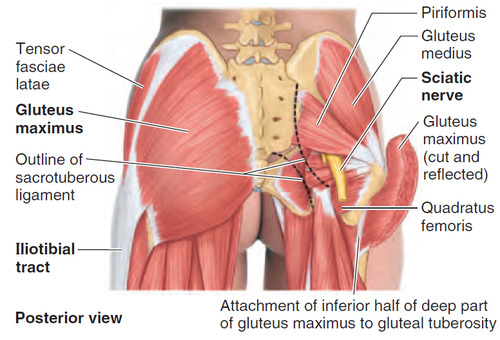
The posterior pelvis (your “butt”) is actually a fairly complicated area anatomically with a wide range of possible pain drivers, both locally in the area you might feel pain and also further a field that might refer pain. Due to that complexity, some health professionals may try to simplify your problem and blame your glutes as being ‘underactive’ or ‘overactive’. Whilst this could very well be true, it is important to get a good understanding of what is actually going on.

How do we understand what is causing your pain?

By asking lots of questions of course!

As a Physio, we gain a lot of information about asking about the exact location and nature of your pain; associated symptoms; activities or positions that makes it angrier (aggravating factors) or happier (easing factors); how the pain came on; how it acts over the course of the day and night plus much more. This helps us form a few likely diagnoses that we can then confirm/disprove with clinical physical testing.

For instance if:
● You get pain in your buttock that also radiates down past your knee
● Intermittent foot numbness
● Aggravated by repeated bending and lifting

Then your physiotherapist would likely want to rule out that your buttock pain isn’t originating from your lumbar spine (low back).

Burleigh Physio and MassageGeneral sources of buttock pain may also include:

-the lumbar spine,

-the sacroiliac joint (SIJ),

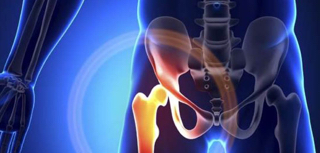
-the hip joint,

-various soft tissues including muscles, tendons, ligaments, bursa,

-the bone itself (e.g. stress reactions or stress fractures)

-and other more systemic pathologies.

With a specific diagnosis, we can treat you much more specifically both from a manual therapy and exercise prescription perspective, leading to positive, long term change – so you can get on with living without pain.

If you have buttock pain that isn’t resolving do not hesitate to have it assessed thoroughly by our any one of our Physio’s – book in online or call us on (07) 5500 6470.

Why deadlifts are good for your back

Why deadlifts are good for your Back

By Physio, Sarah Bombell

What is a deadlift?

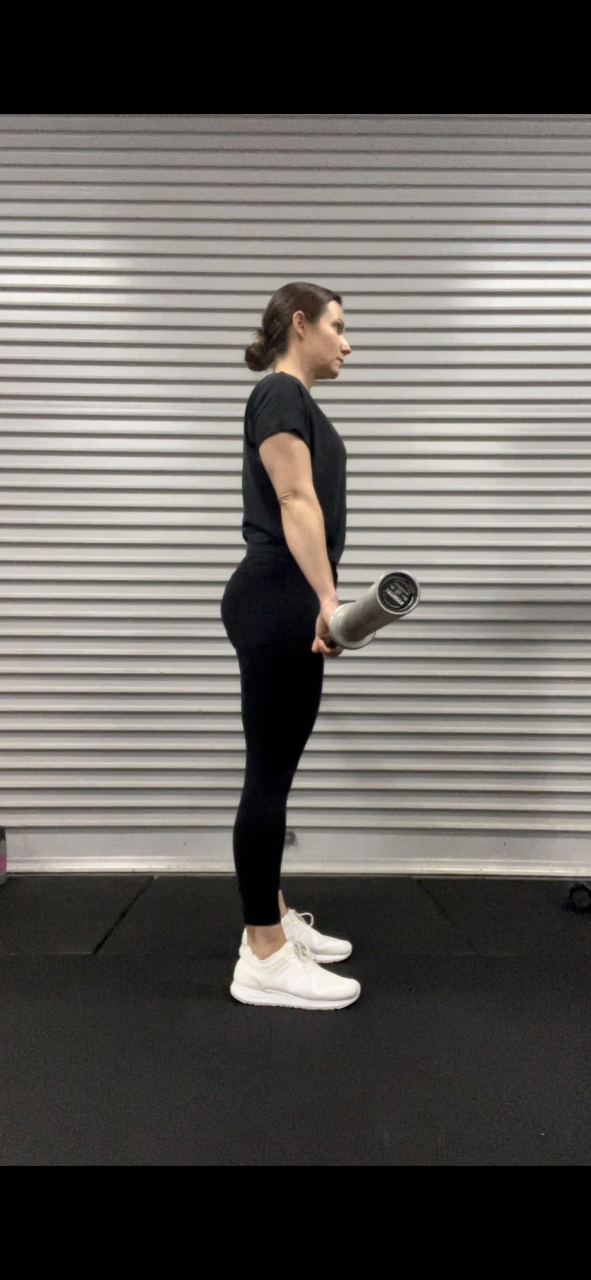
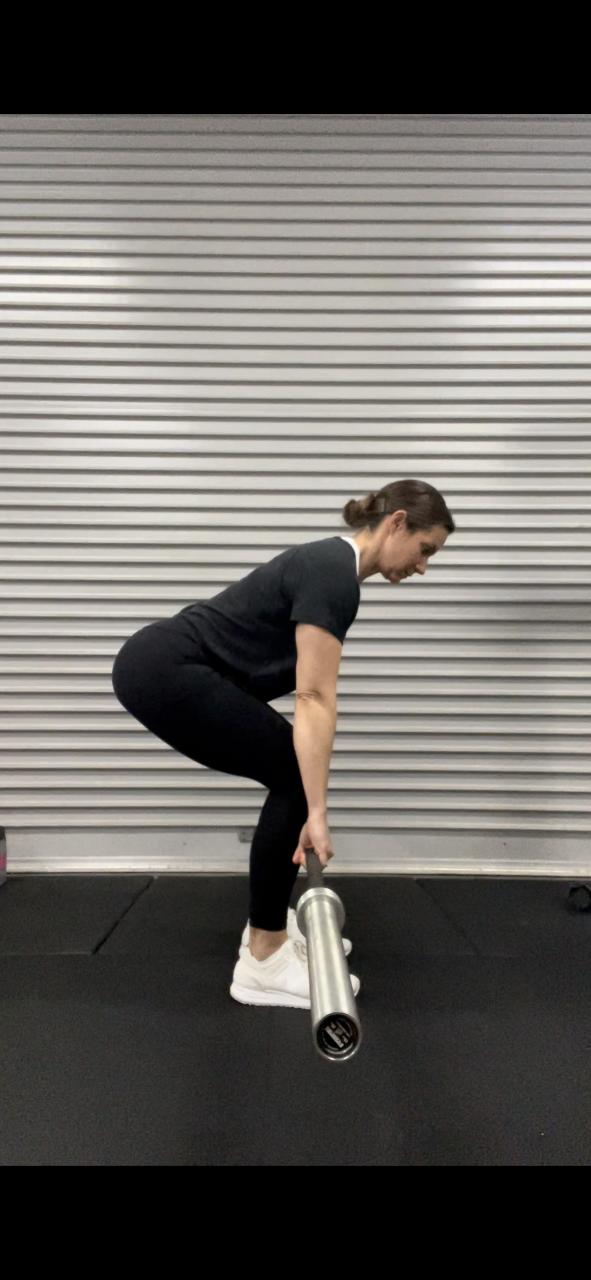
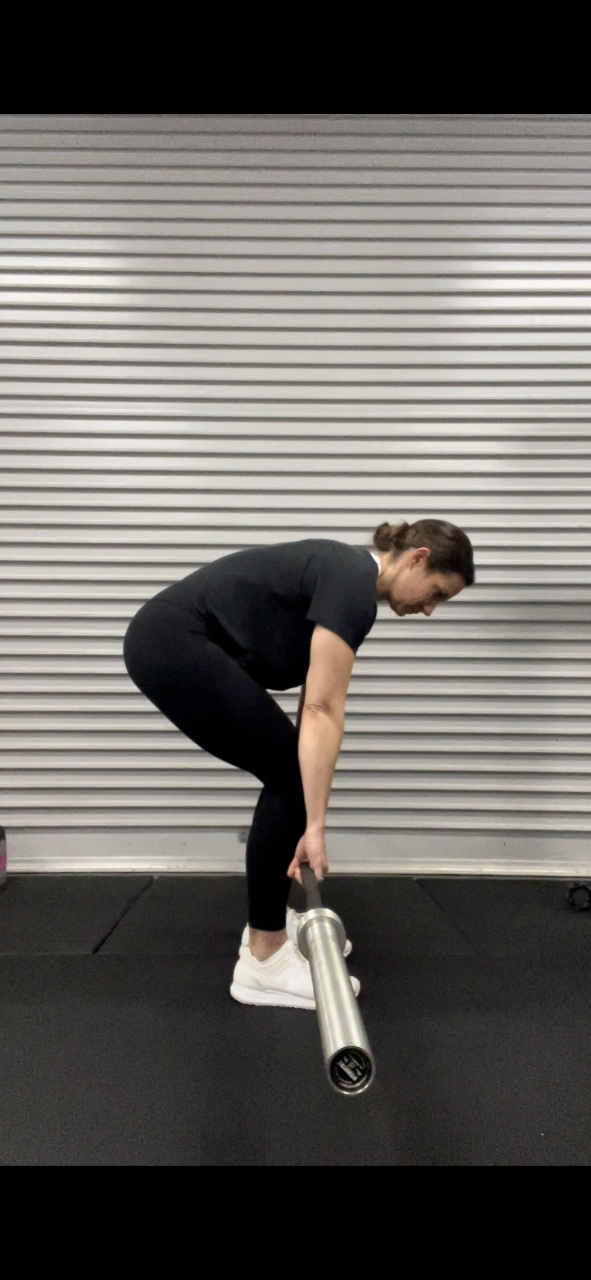
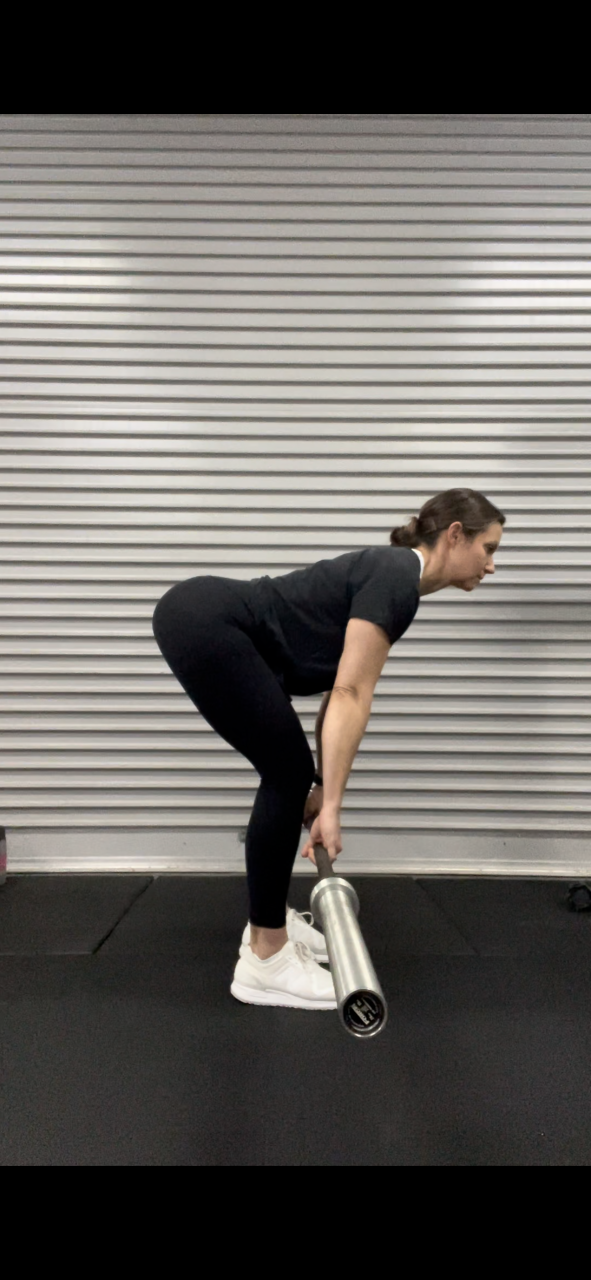
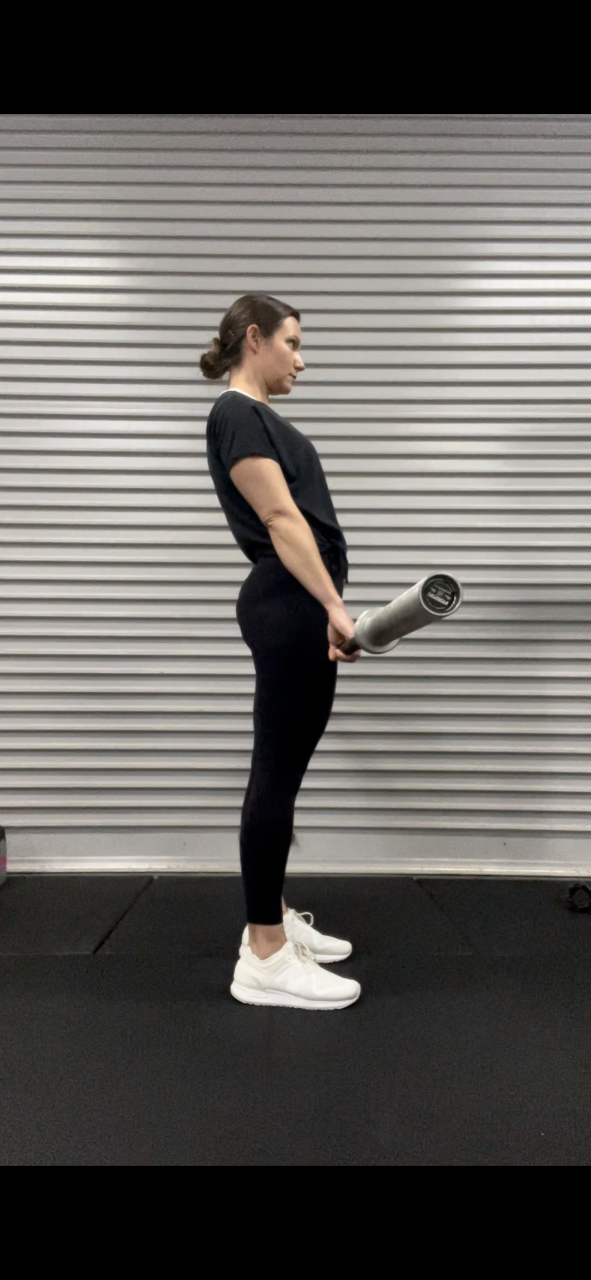
The deadlift movement involves picking up a weight off the floor bringing the body into an upright position then controlling the weight back down to the floor. This movement requires good strength of the back, glutes and hamstrings to lift the weight while maintaining the spine in neutral position. The deadlift is a cornerstone strength movement for many athletes, however it is still an important skill to master for the general population and even more important for those who have experienced back pain.

Why is the deadlift beneficial for low back pain?

So often I hear people say “I don’t deadlift because I have a bad back”. Unfortunately there is a misconception that deadlifts are bad for the back when in fact the contrary is true. There is this idea that if you have back pain then you must have a weak “core” and need to strengthen the abdominals. However many don’t realise that the “core” also involves of the musculature on the back side of the body – the back extensors. We know that those with chronic low back pain have a reduction in size, strength and endurance of the back extensor muscles, therefore strengthening these muscles is so important for improving pain and function. I believe that the reason why there is fear surrounding the deadlift is because many people will injure their backs when bending over or lifting an object off the floor, therefore associating that movement with injury. However, it’s likely that if you have hurt yourself deadlifting you either had poor technique or the weight was too heavy for you. Therefore, if you improve your biomechanics and strength with this movement pattern, then you will become more resilient and less likely to injure yourself lifting in the future. Learning how to bend over and pick up weight with good technique is important for everyone as you will need this skill at some stage in your life.

Where do I start?

Deadlifts don’t always have to be performed with a heavy barbell. Initially you should begin to learn the movement pattern without weight. Learning how to hinge from the hip while keeping a neutral spine is step one. Once you can do this you can add a light weight like a dumbbell or kettle bell. If you’re not comfortable lifting from the ground then prop the weight up onto something so you don’t have to bend over as far. You don’t always have to increase your weight if you don’t feel ready. You can progress by increasing reps, increasing the range of motion, slowing down the tempo or doing a pause at the bottom of the movement. With any new movement pattern it’s all about practice and slow progressions.

Common mistakes when deadlifting that can cause injury

1. Rounding the back – We think this is the biggest no no (although lots of research is currently being done on this)!! Rounding the back when deadlifting is how you can cause an injury. If you are rounding your back there are a few things that may be contributing….
a. You may have not mastered the movement pattern yet and you need to practice the hinging movement more before progressing to a weight.
b. You may be too tight in your hamstrings, meaning as you bend over your hamstrings will pull your pelvis under causing your back to round. If this is happening then you will need to prop your weight up onto something allowing you to keep a straight spine while you’re bent over.
c. You may be trying to lift too much weight and you aren’t strong enough in your back extensors to keep your spine in neutral. Therefore you will need to reduce the weight.
d. You may have not set your shoulders enough. Before you lift you must feel your shoulders pull back tight to help tension the thoracolumbar fascia. This fascia attaches into the lumbar spine and helps maintain stiffness as you lift.

2. Over arching the back – not as dangerous as rounding the back but also not correct. If you are overarching the back when you lift it usually means you aren’t strong enough in your abs to keep the core tight. Again if this is happening you may need to reduce the weight and keep working on the movement pattern before progressing.

3. Bar coming away from legs – as you lift the bar should travel a straight vertical line from the bottom to the top of the lift. This keeps the weight over the base of support. If the weight travels away from the legs this puts extra stress on the lumbar spine. If this is happening then you will need to think about keeping the shoulders tight and pulling the bar back to the shins.

4. Arching back at the top – What I mean by this is when you reach the top, you are leaning backwards instead of standing tall. This will cause a shearing force in the lumbar spine. Once you have stood tall and locked the knees out, there is no reason to lean backwards. This will only put unnecessary loan on the lumbar spine. I like people to feel like they are standing tall at the top of the lift while keeping the core tight, and this should correct the arching back.

If you have any questions about deadlifts or wish to learn how to perform them better, book an assessment with Sarah to help with your technique in Clinic www.mygcphysio.com.au or phone 07 55006470

A Unique Perspective on Back Pain in Horse Riding

A Unique Perspective on Back Pain in Horse Riding

By Physio Kelcie Mitchell (Kelcie is currently studying her Masters in Equine Physiotherapy at University of Qld, 2021)

On the eve of Tokyo 2020 Olympics, and with Australian Olympic Athlete, Andrew Hoy having made his 8th Olympic games (at age 62 and having already won 3Gold & 1 Silver Medal in Eventing) it is timely to discuss a unique perspective on Back Pain in Horse Riding.

Back pain while horse riding can impact equestrian performance- from general trail riding to elite riding, Back Pain can sure make a ride uncomfortable for BOTH the horse and rider. It can affect you mounted and unmounted or in any other activity that you participate in exercise or daily activities at home.

(As a side note, just like Cycling membership includes some Insurance, if you are injured in an accident when horse riding, you should check your insurance to see if you are covered for Physiotherapy treatment. Equestrian injury insurance: to check if your injury is covered, visit gowgatesport.)

What causes Back Pain in Horse riding?

Riders often put blame to the saddle, but it is not always the saddle that is at fault for the pain of the rider- it can be a combination of things that affects how the rider sits in the saddle, how the saddle sits on the horse and in turn, how this affects the horses movement. The bottom line is, a riders pain can have follow on effects for their equine partners (the horse) when under-saddle.

Most acute orthopaedic (bone/muscle/joint) injuries in Equestrian athletes involve low back pain, hip joint and hamstring muscles as the most common. But for now let’s focus on how back pain can affect, and be affected, when riding, in particular in the sport of Equestrian.

Postural positions of the Rider can greatly affect equine performance, and often riders and horses can feedback pain to each other. This can continue to escalate, resulting in increased abnormal movement in a sport that relies on symmetrical movement to equate suppleness and ease of movement to demonstrate harmony within competition.

Let’s consider how abnormal movement of a rider can cause effect on a horse:

A rider’s shoulder tilt can cause a change in rein tension or a pelvic tilt can create a heaviness to one side. Both of these rider postures can have the possible effects on the horse: dropping a shoulder within a circle; incorrect canter leads; choppy forehand turns and dropped rails. All errors that will reduce performance in competition.

Postural and functional abnormalities can occur during training and can increase by repetition in training and/or when avoiding pain, causing an accumulation of postural abnormalities.

One sided dominance can  change the tension on the reins, with the dominate side moved constantly and consistently during performance and the non-dominate remaining in place to stabilise through movement. This can cause missed communication in the link of hand to reins to the bit.

Within the saddle, left and right sided leg differences and the overall side to side dominance of the rider can also affect how a riders hips sit in the saddle, potentially causing a hip tilt or even rotation of the pelvis to one side. This can significantly contribute or compound back pain. It can cause seat posture to change, misaligned shoulder hip and heel lines and a less fluid spine making transitions painful and lower limb signals difficult to apply correctly. As the horse moves, the movement is communicated up the riders body and any strength asymmetries or sub clinical lameness can be contributing to the shift of the pelvis causing pain and seat differences to become worse.

It is thought there is greater harmony between horse and rider at higher levels of competition, but research has found that it can be difficult even at an elite level of riding-  experienced riders can still be challenged in noting left and right hand rein tension differences.

Additionally, with the higher the level of competition back pain issues can increase due to more years in training and more repetition of habits, so for riders it is important to be assessed to reduce compensations, reduce pain and improve strength symmetry especially in terms of riding performance.

As you can appreciate, Back Pain in horse riding is a complicated process of reviewing cause and effect. Therefore asymmetry, posture and control in riders should be individually assessed by a Qualified Physio that understands both horse and rider.  This assessment should include both a rider mounted and unmounted, providing a sport specific program for each specific equine discipline aimed at strengths and weaknesses.

If you ride a horse and have Back Pain or if are interested to know more, contact Kelcie at the clinic on info@www.gcphysio.robicoweb.com.au via email or Book Online with Kelcie, www.mygcphysio.com.au or phone 07 55006470.

Loading...