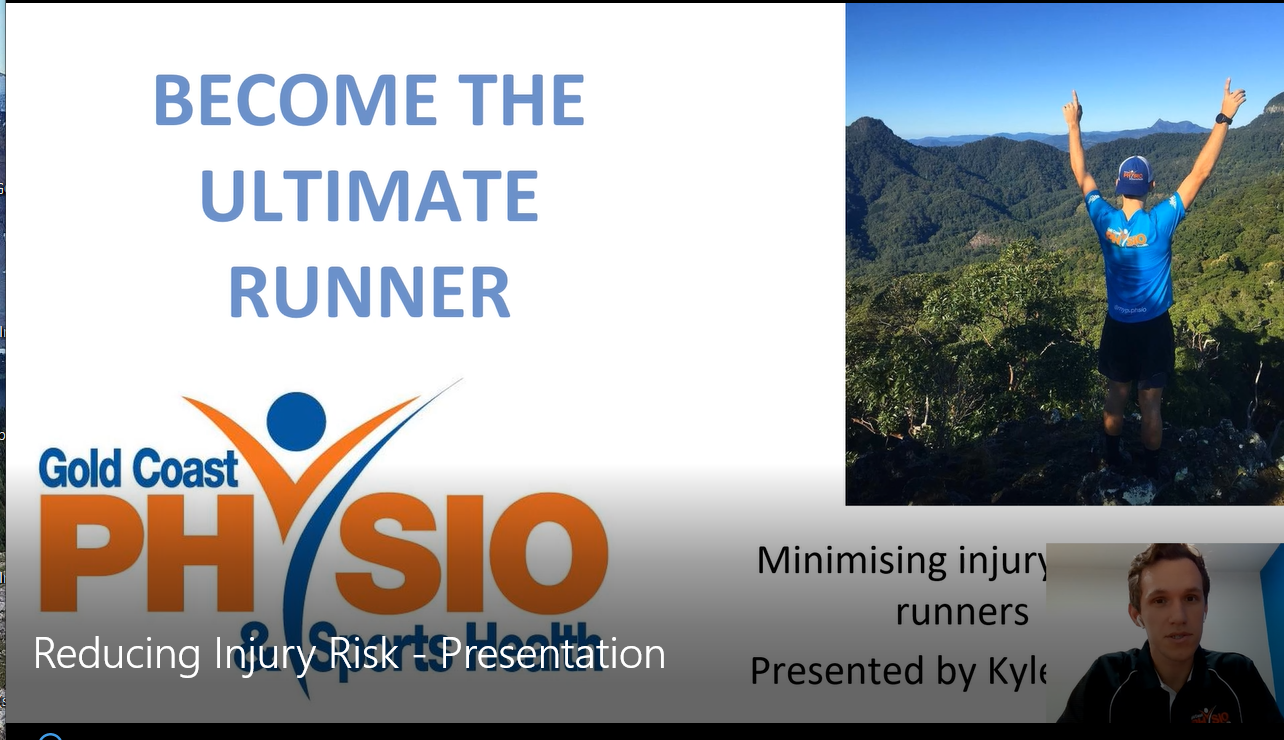
Protected: How to be the Ultimate runner by being injured less- a useful physio webinar
Password Protected
To view this protected post, enter the password below:
13/345 Southport-Nerang Rd, Ashmore Q 4214
12/110 Kortum Drive, Burleigh Heads Q 4220

To view this protected post, enter the password below:

Written by APA titled Sports & Exercise & Musculoskeletal Physio Rick Bain
As an APA Titled Sports and Exercise Physiotherapist, I work with a lot of endurance athletes, both recreational and professional. As a result, I am regularly (way more than I would like to) diagnosing and managing Bone Stress Injuries (BSI’s). I see these injuries in a broad age spectrum, from adolescents to the middle aged. Commonly, once a Bone Stress Injury has been diagnosed, it is also found that the athlete has less than normal Bone Mineral Density (BMD). BMD is often the main marker for bone health, and usually peaks in early adulthood when many athletes are reaching their peak of their athletic potential. Ensuring adolescents reach their sporting goals whilst optimizing bone health can be a tricky balancing act.
The adolescent years are key for the development of bone health, with approximately 90% of peak bone mass being achieved by approximately 18 years of age. Peak bone mass is a major predictor of long-term BSI/fracture risk (osteoporotic fractures). Once athletes pass the adolescent phase, BMD decreases over time, so it is crucial that optimal BMD is reached before the end of adolescents for long-term bone health, and to minimize the incidence of BSI’s into the future.
BMD is influenced by numerous modifiable and non-modifiable risk factors. Engaging in weight bearing sports has been shown to be a protective factor in bone health in the general population, with athletes demonstrating up to 10% higher BMD than their non-athletic counterparts. Adolescents who perform ball sports generally have a higher than average BMD, and adults with a history in ball sports appear to be protected from bone stress fractures in future sporting pursuits. This is thought to be due to ball sports incorporating multi-directional, intermittent, weight bearing bone stimulus that is crucial for developing strong healthy bones.
In contrast, adolescents specialize into running or aesthetic sports (gymnastics, figure skating, diving), are at significantly higher risk of sub-optimal bone health, in part, due to high training loads and under eating/fueling for aesthetics, leading to development of Relative Energy Deficiency in Sport (RED-S). Some of the risk factors for low BMD include; genetics, diet, Relative Energy Deficiency in Sport (RED-S), smoking, inadequate skeletal loading (muscle strengthening), early sports specialization, and certain medications.
Relative Energy Deficiency in Sport (RED-S) presents a significant risk factor for low BMD in an adolescent, and hence an increased risk of Bone Stress Injury and osteoporotic fractures. RED-S is where the body is not taking in enough energy (caloric intake) to meet the demands placed on it by the amount of exercise/training being performed. Also known as “Low energy Availability”, this leads to not only insufficient energy for optimizing sports performance, but also insufficient energy to maintain optimal bone health development, among other wide ranging body functions.
Put simply: Energy Expenditure > Energy Intake = decreased energy availability
If investigation into bone health is indicated, an assessment by a Sports Physician is essential. This will include taking a comprehensive history to screen for pertinent risk factors. There are several blood tests indicated to assess for medical contributors to bone health, such as Calcium, Vitamin D, and bone turnover markers, among others. Imaging via Dual Energy X-ray Absorptiometry (DEXA) measures Bone Mineral Density (BMD) and is matched with a healthy person of the same age and sex.
| Level | Definition |
| Normal | BMD within 1 SD (+1 or −1) of the young adult mean. |
| Osteopenia | BMD between 1 and 2.5 SD below the young adult mean (−1 to −2.5 SD). |
| Osteoporosis | BMD 2.5 SD or below the young adult mean (−2.5 SD or lower). |
Our Physio team is available for consult, for quick and easy booking go online www.mygcphysio.com or call us during business hours on 07 5500 6470
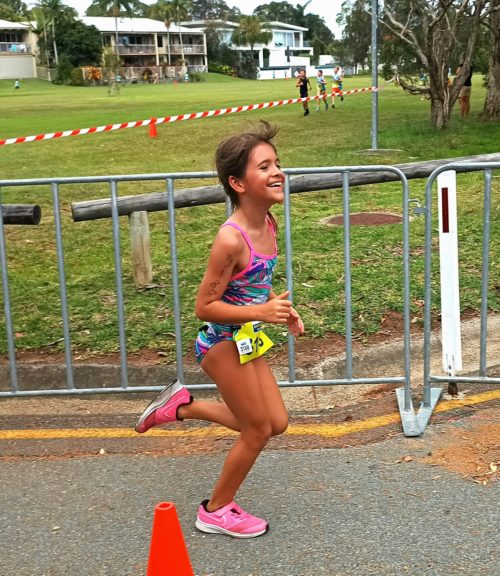
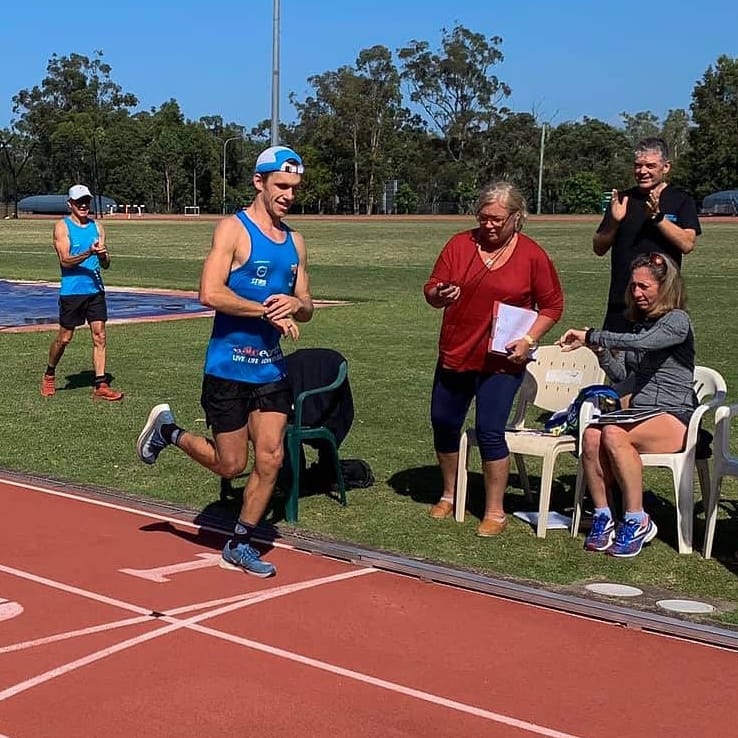
By Running Physio, Kyle Weise
A common misconception about physio is that we are just here for when an injury and pain gets to the point that it limits your ability to function or participate in your hobbies &/or sporting pursuits. However, there is significantly more that Physio can offer you- whether you are experiencing a current injury or not.
What I tend to find in the clinic is someone will present with an injury, however, the information and planning we put in place even after the initial injury has settled to help improve function and performance in addition to reducing the risk of further injury are things that could be put in place before the initial injury is even present. I find the largest barrier to people realising this is how good we are at forgetting what it was like to be injured. This leaves us thinking we “will be fine” because everything is feeling good right now. Runners, I’m looking at you! Oh how quickly we forget what it was like to not be able to run.
– When someone presents with an injury, I will also go through the person’s history and what they have been doing over recent times. The vast majority of the time, we will be able to find likely contributing factors to the current injury presentation. One of the most useful things we do as physios is help you understand why an injury has happened and help give you the knowledge as to why so that you will be able to identify things that will contribute to future injuries.
– Even though most people work quite hard on these areas, there are generally always things we can improve on. Identifying these areas before they potentially contribute to a future injury can be very useful at reducing your risk of future injury.
– There are numerous factors outside of just a particular activity which can increase your risk of suffering an injury or pain. Identifying these other factors can be very useful in reducing your risk of injury as they are often things you will not realise increase your risk of injury.
I want to make a note here that we cannot prevent injuries (and if anyone tells you this, ask them for the research to back this concept as we really have none!), however, we CAN reduce your risk of experiencing injury and we can certainly help your performance of activities of daily living, exercise or sports performance.
One of the common phrases that someone will say after we discuss all of the things they could have done better before they suffered their injury is, “I wish I knew this information earlier”.
The main reason I wanted to write this article is to you know that you CAN have access to this information and help NOW- BEFORE an injury stops you from doing the things you love.
Book an appointment now online www.mygcphysio.com.au or phone us on 07 55006470
By Katie Harders- Senior Remedial Massage Therapist and Pilates instructor
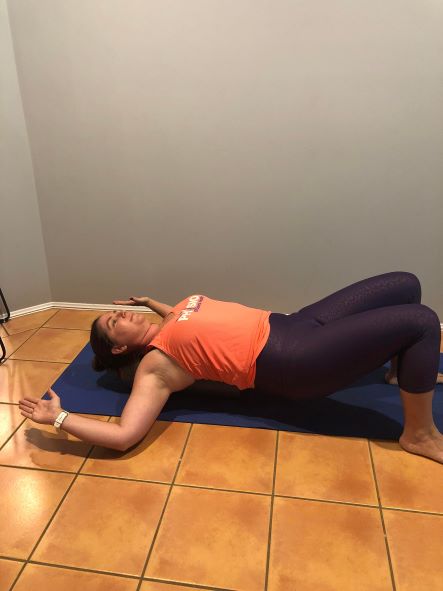
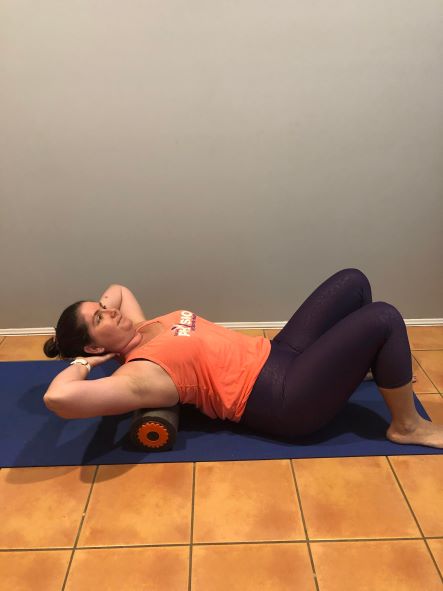
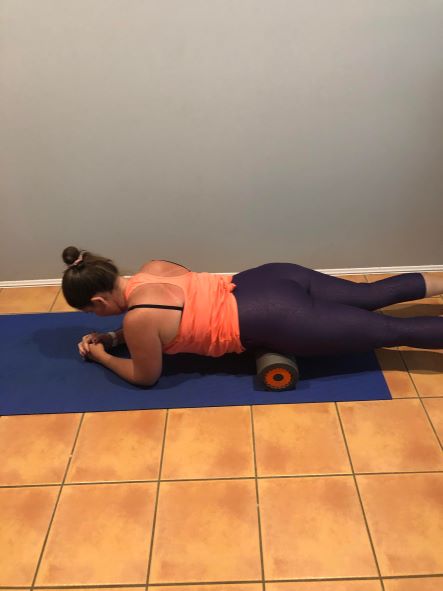
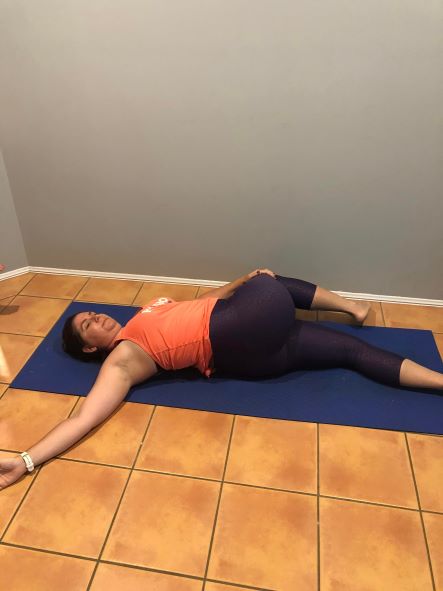
Many of us will be stuck in isolation unable to regular remedial massage or physio appointments and from experience the body has stiffened up from watching copious amounts of Netflix or you may have been feeling rubbish but when you feel fit we have put together a few handy self-massage, foam roller stretches and other stretches that will help you at home until you can get back into the clinic for your regular appointments. We have provided a short video of trigger ball and foam roller releases plus some images of other stretches talked about through this article.
We hope these few easy self-massage techniques and stretches get you through isolation and we look forward to seeing you back in clinic when you’re feeling well. We offer online booking so you can book your appointments ahead so you don’t miss out!