13/345 Southport-Nerang Rd, Ashmore Q 4214
12/110 Kortum Drive, Burleigh Heads Q 4220

Why schedule a deep tissue massage?

written by Mathew Ptak-Zylka, RMT, Myotherapist at Gold Coast Physio & Sports Heath

Why schedule a deep tissue massage?
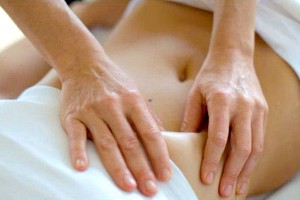
Massage BurleighIn order to enhance overall recovery time, a deep tissue massage is often recommended ideally a few days after physical activity because it can target key problem areas before they become troublesome.

During a deep tissue massage, the therapist applies acupressure, trigger-point work (focused on all those tiny muscle knots) and “deep transverse friction” where scar tissue is broken by back and forth movement over muscle.

There are several benefits to deep tissue massage. These include:

Reduced pain and recovery time

In a study published by the journal Science Translational Medicine, 11 men were exercised to exhaustion and given 10 minute leg massages immediately afterwards. Following an analysis of the recorded muscle biopsies prior, during and after the workout, scientists discovered that the massage prompted the production of mitochondria, an energy cell that builds muscle, boosts recovery time and suppresses pain.

Improved flexibility and injury prevention
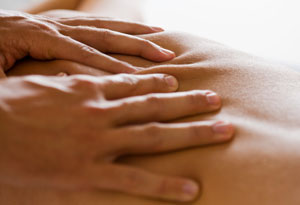
Burleigh MassageAthletes who receive regular deep tissue massages notice an increase in their range of motion because their therapist is actively breaking down all the tightness around the muscles.

Intense training or exercise can lead to a build-up of scar tissue, and the development of many adhesions where the muscle, fascia, and other tissues clump together causing stiffness, and subsequent vulnerability to injury. During a deep tissue massage, muscle fibres are stretched and scar tissue is broken down which promotes flexibility and agility.

Increased circulation

Massages increase blood circulation which enables the muscle to expel toxins and absorb fresh blood and oxygen.

Better sleep patterns

Sleep is a crucial part of the recovery process. Several studies have found that massage therapy induces better sleep and actually helps maintain consistent sleeping patterns. A deep tissue massage will reduce tension, induce relaxation, and enable clients to achieve greater sleep that can make him or her recover faster and perform better.

When should a deep tissue massage be booked?

Scheduling an appointment after a workout or run, preferably with a light workout or run planned for the next day is recommended. This helps out with recovery, and enables you to derive benefits from more intense physical activity 24 hours later.

Our team of experienced massage therapists has treated professional athletes, Olympic athletes and all active individuals along with everyday aches and pains including posture related injuries. To book a deep tissue massage contact GC Physio.

Reference:

McMaster University. “Massage is promising for muscle recovery: Researchers find 10 minutes reduces inflammation.” ScienceDaily. ScienceDaily, 1 February 2012. <www.sciencedaily.com/releases/2012/02/120201173226.htm>

Insight into life as the Lead Sports Physio to a National Sports Team

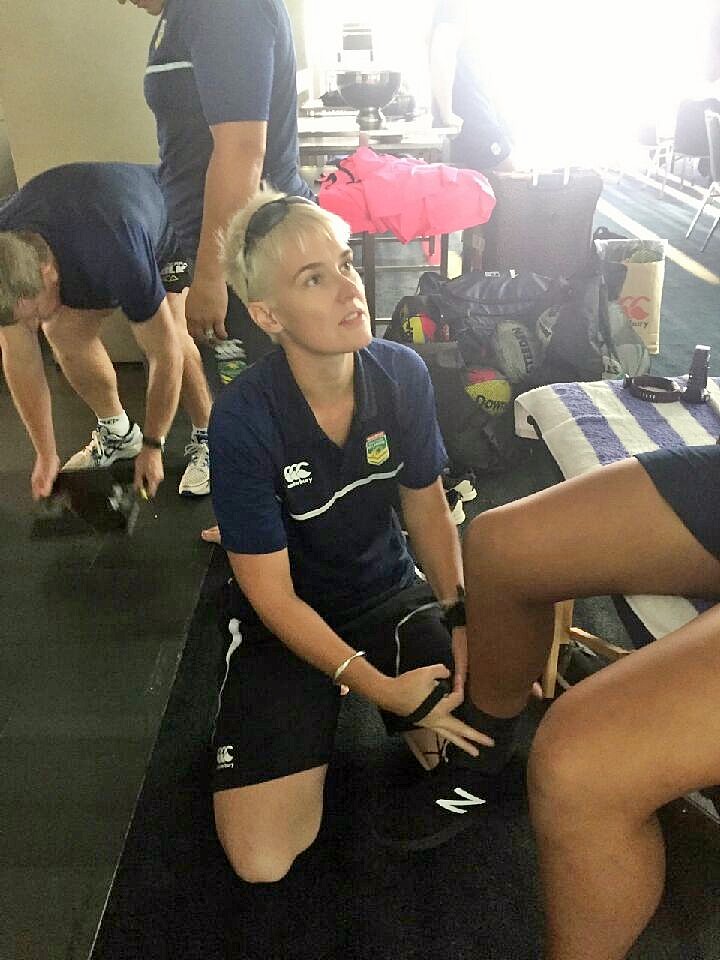
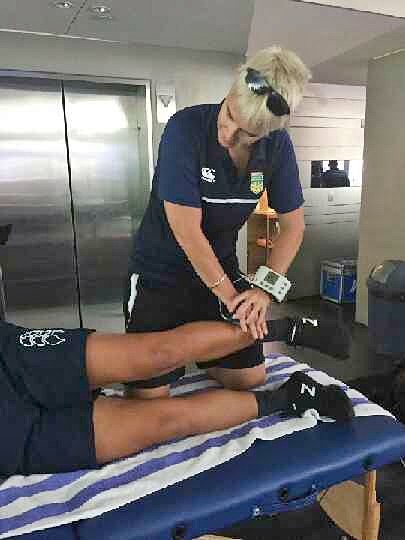
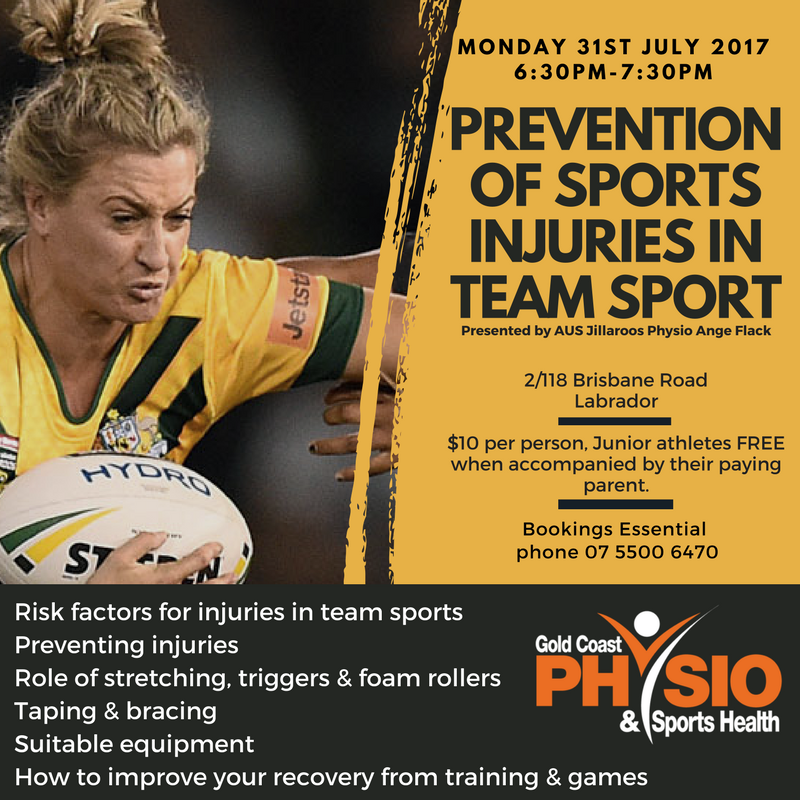
Physiotherapist Sam McLaren interviews GCPSH Physio Ange Flack, who is proudly Australian Womens NRL Jillaroos & Qld Womens NRL head Physio. Ange talks her experience as a National Sports Team head Physio.

We have noticed you are away from clinic a lot what is it you do in a nutshell?

  • I’m the physio for elite rugby league teams both Jillaroos and Qld state of Origin (Women). The main purpose is to minimise risk of injury, and in the unfortunate event that an injury occurs be there to manage it immediately and provide the best possible management to try and get the player in the best shape possible to continue with the tournament.

What’s it like to travel with a sports team?

  • Travelling with a sports team presents with its challenges that often differ to that of working within the clinic. It often requires good strong interpersonal skills for quick decision making and being confident with your choice. You may have coaches / players under stress which may, at times, make you question your decision as the team physio but it is important to be confident in the clinical reasoning and make a judgement that puts the athlete / player’s health as a first priority. While away the physio may take on some other roles. For example
    • Monitor players nutrition
    • Encourage regular stretching and mobilising during the travel
    • Monitor weight loss pre and post games / training for re-hydrating purposes
    • Be responsible for warm-up / cool downs and post game recovery (eg ice baths)

What is the best part about working with these team?

  • There are many best parts about being with a sports team. I truly love every minute. It is very rewarding when players return to full fitness and can play at that top level. I love solving puzzles and those little break through moments, and I especially love seeing the players face when we get to that moment. I get to live vicariously through these players. I feel I go on the journey with them. You end up being a bit of everything to the team, their dietitian, sports scientist, physio, psychologist. I work with a great bunch of people that all work very close together. As a team we all experience the highs and lows together.

Are there any downsides?

  • There is a huge amount of admin and the more you work with elite athletes the more admin there is. At a State and National level there is a lot of communication between coaches, doctors, other physios, governing bodies therefore a lot of phone calls and emails. Travelling can also have it’s challenges, we travel with about 100kg of equipment (braces, crutches, moon boot etc.) so pulling that through the airport takes it’s toll.

What’s the hardest part?

  • It involves long hours, months away from home, extensive education. The hours are unpredictable, starting at the crack of dawn and into the night. However those passionate in sports performance  should purse it with the rewards of knowing that they genuinely help elite athletes to achieve the goals.

What’s the hardest discussion you have had to make?

  • There has been a few but probably the most recent was one from the weekend when I had to rule a player out from continuing to play for her State. It’s hard because you see how dedicated these players are and how many sacrifices they make. Some girls fly to Brisbane during the season to play a game of football, others get up early while away on their honeymoon just so they don’t miss a days training.

You play some pretty unusually sports would you ever consider playing rugby league?

  • I’d consider going to a training session or two. I believe the most important thing is to truly understand the game you are trying to work with. If you can’t understand what it is like to be a sportsperson you can’t understand what they are thinking. Very few elite sports people play without some level of pain. You just have to know how to deal with It and also whether there is going to be any long-term damage or can you get them back on the field. So you have to understand the game and the feeling of playing sport. In regards to playing a season of rugby league I’d have to ask for injury leave to be written into my contract.

Is it what you expected?

  • Personally, I didn’t realise how much of an influence I’d have. You work with the team every day so they take your opinion seriously. I also didn’t appreciate how much of a counsellor  you end up being.

Any last final words

  • Seriously it’s the best adrenalin-pumping and goosebumps ride I’ve ever taken and I wouldn’t change it for the world.

Thanks Ange and good luck to you and the women at NRL World Cup in December.

Ange is available for consult monday to friday at our Runaway Bay clinic when not on tour, so phone for an appointment (07 5500 6470) and get the benefit of her experience for your management.

Apple Pie Oats

Apple pie oats

by Eatsmart Nutrition Consultants


The first day of winter, and what a better time to bring out our favourite hot oats recipes! Oats have to be one of the quickest, most nutritious breakfasts going, and so cheap too! They are that cosy winter warmer, and a good source of fibre to keep you feeling full throughout the morning. You can cook oats in the microwave, stirring every 30 seconds, or for best, most creamy results do it the old fashioned way on the stove top!

Ingredients:

1/3 cup old fashioned oats

2/3 cup low fat milk

1 medium green apple, skin on, grated (some left over sliced for the top if you wish)

1 table spoon sultanas

1/4 teaspoon cinnamon


Method:

1. Pour all ingredients into a small saucepan and continuously stir until oats are cooked through and creamy.

2. Serve immediately, sprinkle with a little extra cinnamon and sliced apple.

Cramping in a Marathon/ Ultra-run, should you take a magnesium supplement?

Cramping in a Marathon/ Ultra-run, should you take a magnesium supplement?

By Eatsmart Nutrition Consultants

Just when you feel you have done all the work and you are on track for a P.B., BANG, the dreaded calf cramp at the 32km mark of a marathon, or it starts at 65km into 100km ultra-run.  So will taking magnesium prior to the run prevent this?  To answer this question we will look into what a muscle cramp is and why it happens.

An Exercise Associated Muscle Cramp (EAMC) is a sudden, involuntary painful spasm or contraction of a muscle.  Usually it will happen in one of the active muscles of the activity you are doing, for example, when running; a calf cramp.

As much as the supplement companies would like you to believe that taking a magnesium supplement will stop you from cramping, scientific evidence to date suggests there is not a strong link between EAMC and magnesium supplementation.  The most agreed upon theory is that EAMC is fatigue of the exercising muscle.

What does cause a cramp then?

The common risk factors are:

–       Having a history of cramps (you are a cramper!)

–       Increased exercise intensity and duration (and unfortunately in a marathon, you never quite replicate those racing conditions for the same duration in training)

–       Inadequate conditioning for the race or event (you haven’t trained enough!)

–       A family history of cramping may also make you more at risk

–       Glycogen depletion, which leads to fatigue of the muscle

A balanced diet should provide you with adequate magnesium and therefore a magnesium supplement should not be needed.   Foods which are high in magnesium include nuts, seeds, fish, legumes and wholegrains.  Those who are doing very high levels of training or are eating a restricted energy intake could be at risk of a magnesium deficiency (or other deficiencies!) but before taking any supplementation, it is important to discuss with your doctor.

So how can I best avoid a cramp?

–       Have a hydration plan.  Know your hydrated weight and make sure you are consuming enough fluids around and in training to keep yourself hydrated.  Prior to an event, you should make an effort in the days leading up to concentrate on your hydration and make sure you carry a drink bottle with you and sip!  Your hydration needs during the event differ from person to person but between 600-1000ml / hour is a good start.  You also should be consuming a source of sodium, which easiest way done is through a sports drink.

–       Train!  Leading up to a marathon or any endurance event, you have to have done an appropriate program to make sure your muscles can cope with the load of the event.  You need to have had at least a 12 week lead up and a prior endurance base.

–       Make sure you carbo-load and have a fuelling plan during the event.  Anywhere from 30-60g of carbohydrate per hour is recommended in order to prevent glycogen depletion and to keep your muscles fuelled.  Not only will you prevent a cramp, but you will have more energy to finish!

If you need help fuelling for your marathon or with your hydration plan or worried about your intake of magnesium, see one of Eat Smarts Accredited Practicing Dietitians. Amelia Webster is available for consult at both Runaway Bay and Burleigh clinics. Ph 07 5500 6470 for an appointment to help you!

Loading...