13/345 Southport-Nerang Rd, Ashmore Q 4214
12/110 Kortum Drive, Burleigh Heads Q 4220

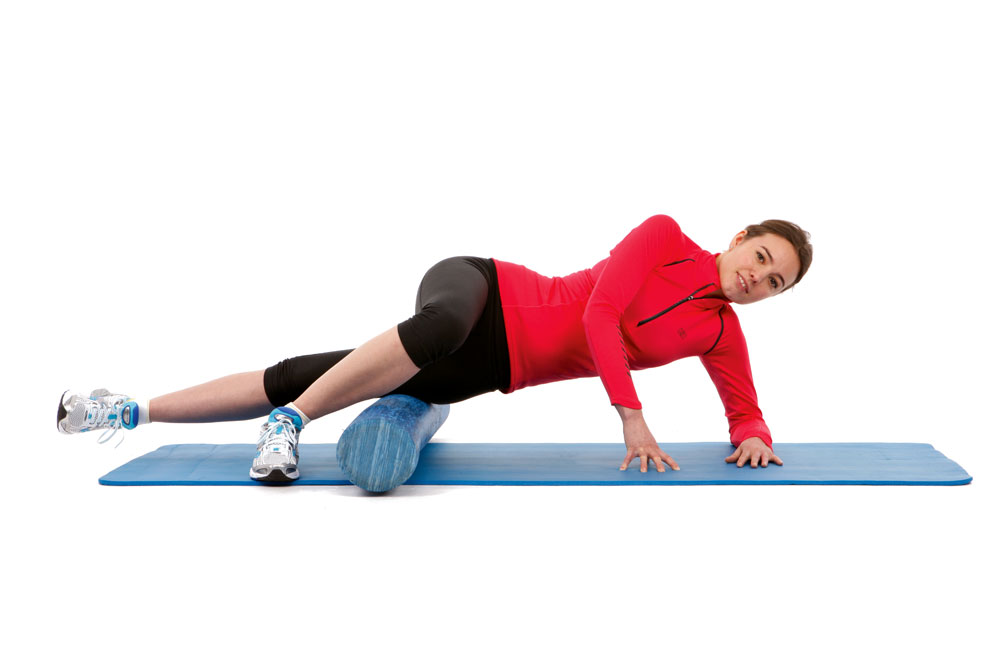
Should you use a Foam Roller to release your ITB?

Why you should NOT use a Foam Roller to Release your ITB

By Senior Massage Therapist, Anthony Evans

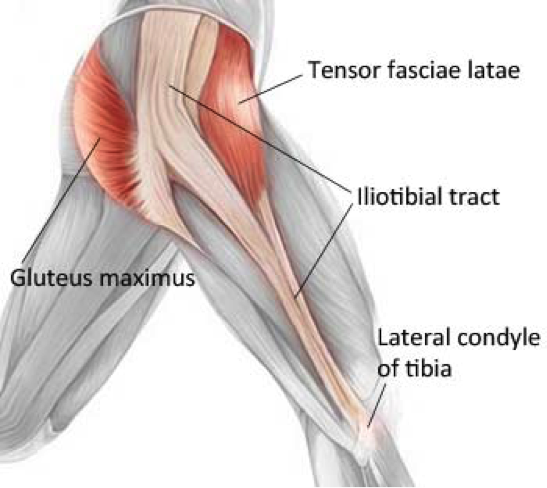
The iliotibial band (ITB) is a thick sheet of connective tissue on the outside of the thigh and lies over the ITB Bursa that can become a source of pain on the outer knee, particularly in running sports.

We have many clients arrive in clinic who have searched “Dr Google” after getting this outside knee pain.  They arrive complaining of on-going knee pain, despite their best efforts to regularly use their Foam Roller to ‘release” their ITB as prescribed by Dr Google.

Here are some facts on why you should NOT use a Foam Roller and expect your ITB pain to get better:

FACT 1: The ITB does NOT stretch. Stop trying to do it. Falvey et al 2010 measured mechanical effects of stretching on the ITB. Result: no difference; the ITB was unaffected by any type or form of stretching. Wilhelm et al confirmed these results in 2017 finding only a few mm difference when ITB was machine stretched!  However, you may be able to stretch your quads muscle beneath the ITB, so focus on these instead.

FACT 2: The  TFL and Glute Max muscles do contribute to ITB tension. Spend time working on these muscles attached to the ITB at the hip. Then, address movement faults that lead to the compression of the burs in the first place! See here for more information, of if you are a cyclist or runner, read more specifically here

FACT 3: The bursa/fat pad at the knee does have a lot of nerve endings. When the ITB gets taught over the top of it, it can compresses the fat pad and cause pain. Given this, the last thing we want to do is add more compression to the bursa by rolling on it! 

SO, If you’ve been heavily using a foam roller to ‘release’ your ITB, THINK AGAIN!  And if you’re not seeing results from all the foam roller of your ITB, put the roller away as you may be prolonging the irritation. The only effect may be desensitisation to pummeling the tissue,  not tissue elongation and release!

In summary

1. The ITB does NOT move! Don’t stretch it- although you can stretch your quads muscle that lies beneath it
2. Focus on reducing tension and tone in Glute Max and TFL muscles instead. Use a Trigger ball for these, or better yet, see a qualified Massage Therapist who understands sport and is up to date with research
3. Stop the ITB foam rolling epidemic and focus your energies on intervention that will help. If self-diagnosis and treatment is failing, see one of our experienced Physio’s in clinic.

Phone 07 5500 6470 for an appointment or Book Online
ITB friction & gold coast physio & sports health

Does your sporty child experience Low Back Pain? It may be more than just “back pain”

If your sporty child/teenager experiences Low Back Pain, don’t just ignore their complaints

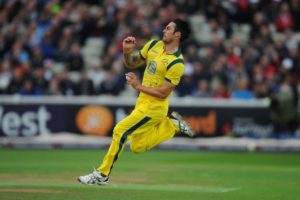
As summer approaches in Australia, the sporting landscape inevitably changes. The elite and amateurs alike are packing away mouthguards, head gear and footballs for the whites of cricket; the bars for off-season training; or the various athletic throwing apparatus. And whether you’re into fast bowling, throwing sports or lifting heavy things, the risk of lumbar (low back) bone injury is a real and present danger.

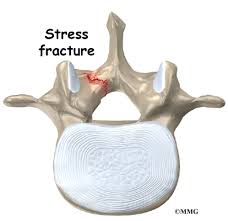
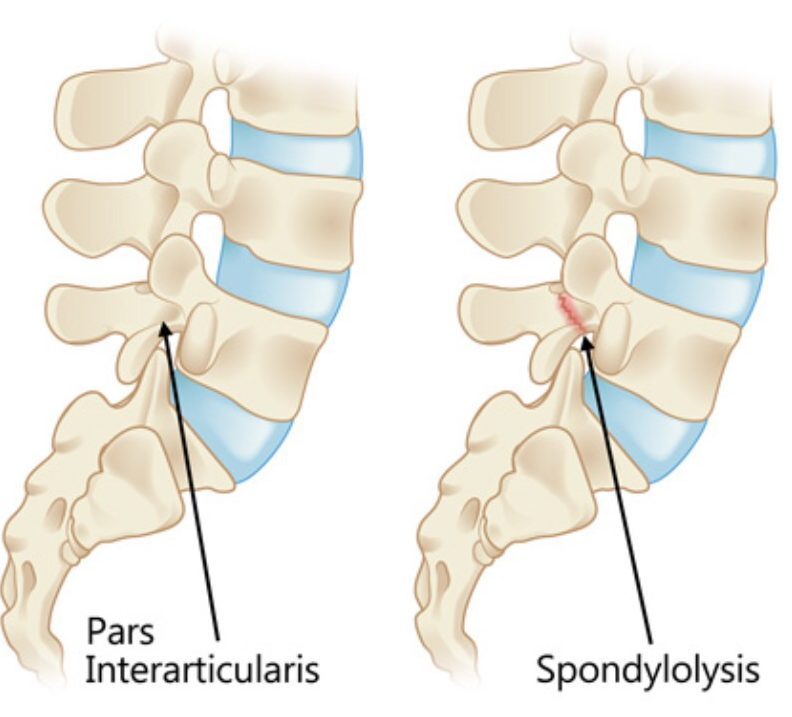
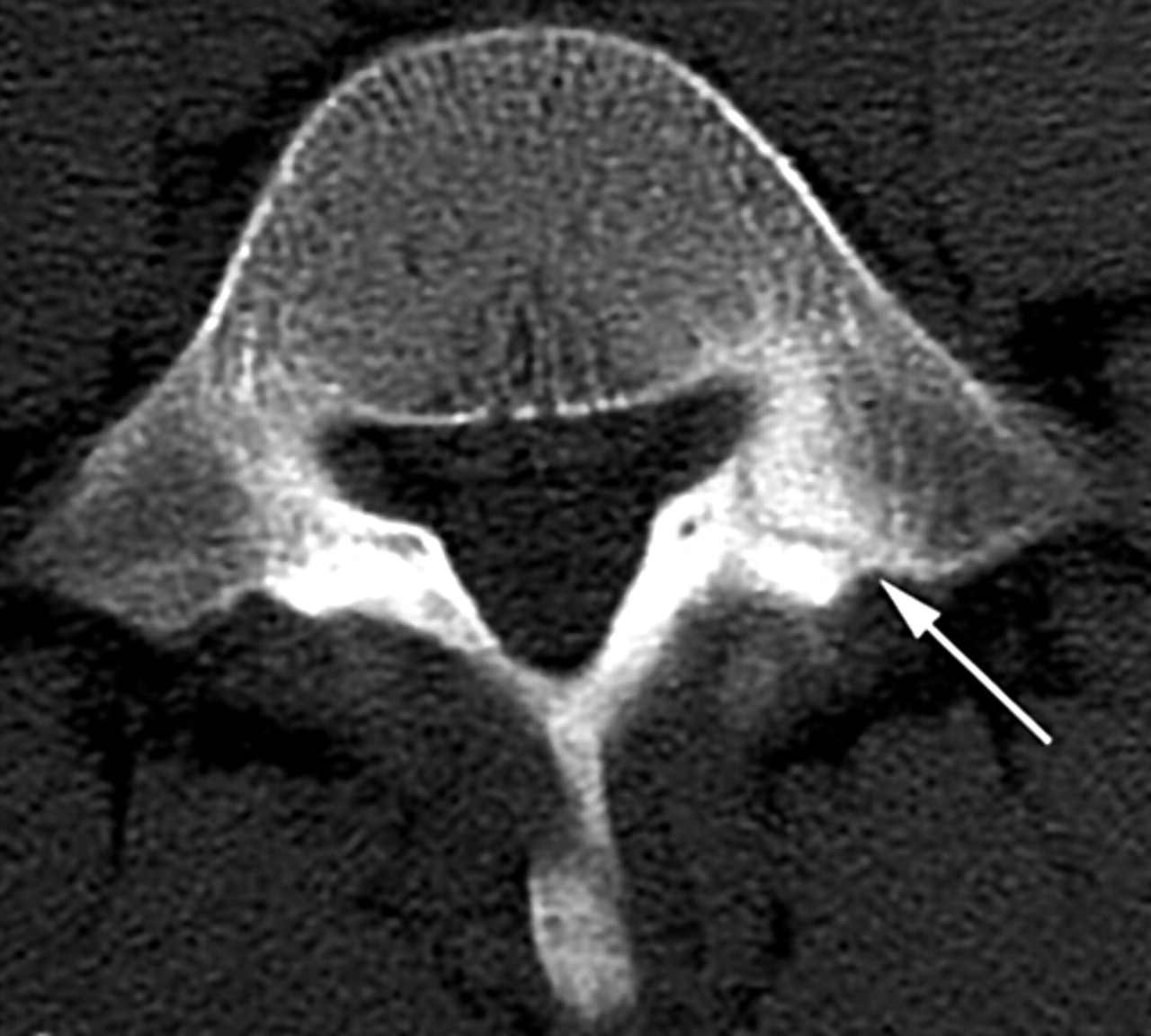
The term “Spondylolysis” can refer to a fatigue or bone stress fracture of the pars interarticularis (an area of bone in the vertebral body of the back).

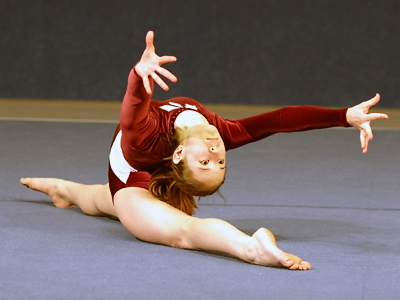
Spondylolysis occurs in 4-6% of the general population, however is far more common in young athletes (8-15%). The pars interarticularis defect accounts for up to 47% of low back pain in a young athletic population. The most common causes of spondylolysis in an athletic populations include Olympic weightlifting, gymnastics, tennis, throwing athletes and cricketers. This is due to the large forces that are put through the bone during excessive side bending, twisting and extending tasks. Up to a quarter of cricket fast bowlers will suffer from a spondylolysis, with almost half of all adolescent throwing athletes suffering this condition.Physio Massage Pilates Gold Coast Burleigh Runaway bay Labrador

Spondylolysis is treatable and can have good outcomes (return to sport) if managed well. However, a 45yr follow up study found 25% of patients suffering from spondylolysis progressed to having a spondylolisthesis (bilateral fracture with slipping of the vertebrae), with most of these progression being of low grade which is not serious but may impact future sport.

Signs and Symptoms of Bony Stress in the Low Back

In an athletic population symptoms include:
  • low back pain that was initially sharp that has become a dull ache;
  • aching or pain in the hip area;
  • aching after activity or feeling stiff first thing in the morning;
  • decreased hamstring or glute range of movement leading to low back pain.
  • pain with prolonged standing;
  • pain with bending backwards or rotating to the aggravated side and
  • stiff muscles about the low back that are in a state of protective muscle spasm

Management

Scans such as MRI and CT as usually required to deliniate & define the injury and help guide management. A sports physician is the best person to help with this.

Depending on symptoms, some spondylolysis sufferers will be braced for a short period of time to allow the injury to rest and recover without pain. This will be followed by a longer period where athletes will be unable to fully participate in sport until symptoms have completely dissipated and full training has resumed pain free.

Return to sport loading programs are the most essential part of the rehabilitation process and should be a collective approach between the athlete, coach and physio. Rehabilitation with the physiotherapist will begin as soon as an accurate diagnosis is made, with trunk stability and strength exercises at the forefront of rehabilitation. Physiotherapists may also chose to provide therapy to the low back, glute and upper leg muscles to relives tension and alleviate symptoms.

All the Physio’s at Gold Coast Physio & Sports Health can help diagnose and manage your child or teenager with Low Back Pain. We are able to decide if referral to a Sports Physician, such as Dr Dion Lewis who consuls from our Runaway Bay clinic is necessary. And we can follow-up and guide a return to full training and competition.  For appointments, phone 07 5500 6470.

Strength Training for Kids- When Should You Start?

Most Frequently Asked Questions About Strength Training for Kids

Gone are the days were anyone under the age of 16 couldn’t even think about entering a gym. Now, we see more and more athletes incorporating strength training at a younger age. Is this a good thing? Yes! Do we still need to be cautious? You betcha!

Why do we need caution when involving kids in strength training?

Bottom line, avoiding injuries. Strength programs for any age should be specific to the individual. You can’t expect a kid to be able to complete a program designed for adults. Also, the gym should not be seen as a playground and therefore proper education should be given prior to commencing or introducing equipment. Kids need constant supervision when performing strength training. The Australian Strength and Conditioning Association (ASCA) highly recommend that strength training in kids should always be performed under the supervision of a qualified professional.

If there’s all these things to worry about then why do it?

Incorporating strength training earlier can actually be really beneficial to the individual. By starting at a young age, it will introduce movement fundamentals early on, making it easier when their older. Too many athletes are reaching the top end of sport presenting with limitations in athletic and functional abilities, as well as a long list of injuries. ASCA have composed a guideline on youth strength training which provides recommendations on how to safely assess and prescribe exercise based on their training age, age, and strength abilities.

What should be considered when training young athletes?

Each program prescribed should carefully consider the physical qualities of the athlete, long-term goals of the athlete and the maturation process, both emotional and physical. These should be constantly revalued.

How young is too young to start strength training?

From the age of 6, incorporating strength straining can be considered. It is most important the child can follow clear directions and understands basic safety considerations. Each child is different! Children are more likely to get injuries in the gym from dropping weights on fingers or toes and hitting their heads on bars. Even though someone may be safe to start strength training, doesn’t mean they are immediately given dumbbells. Even body weight exercises are considered strength training and it is usually where we start! Eg squats, push ups, lunges.

What are the long term goals of strength training in kids?

In order to have a long healthy career or involvement in sport, it is important that younger athletes learn how to train, before training to win. Focus should be on building a solid training foundation, followed by improving body/joint/limb control and stability. Once they are an adult, they will be well-rounded and able to safely train with increased load leading to better training outcomes.

My daughter is an 11 and a state level swimmer, can you give her a specific strength program for swimming?

Even though I’m happy to include some sport specific exercises where necessary, the focus on strength training for kids should be to develop a well-rounded athlete. By placing sole focus on one sport at an early age, your child may miss the opportunity to be involved with another sport later in life. Remember kids bodies will continue to grow, a child who may be perceived as too short for basketball in grade 8, could have a big growth spurt in grade 11. Try not to close doors too early. Encouraging your child to be a well-rounded athlete will benefit in the long run, more than likely will also help their current sport anyway.

Where to next?

If you’re interested in introducing strength training to your child I recommend booking in an Exercise Physiology initial consult. In this session we will discuss health and training history, goals and perform a Long Term Athlete Development screen. From here we will develop a plan, discuss recommendations for training, and prescribe a specific training program based on age, maturity, training history, competition and current strength abilities.

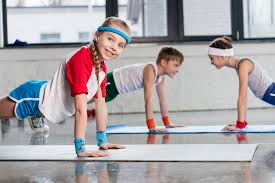
At Gold Coast Physio & Sports Health, we also have small group strength & conditioning classes JUST FOR KIDS! Our classes are supervised by our Exercise Physiologists so that your child can begin in a safe and nurturing environment (& health fund rebates may be available even though we keep the cost down anyway!).

For more information, phone the clinic on 07 5500 6470.

Loading...